Search Results

Search results for

0 result(s) found

A drone attack hit a school in Shukeiri village on Wednesday, killing 17 people — mostly schoolgirls. Other civilian infrastructure, including a health centre, has come under fire in recent days.

In response to the recent attacks in Shukeiri, Mohamed Kamal, Plan International Sudan’s country director, said:

ā€œSchools must never be targets. Whether in Sudan, Ukraine or Iran, children are dying in classrooms worldwide while seeking education — a fundamental right that warring parties are bound to protect. These violations must end.

We are witnessing a dangerous shift: the lines between military targets and civilian life have blurred.

The attack on the village of Shukeiri highlights the urgent protection crisis facing children in Sudan. Children are being killed in their communities, deprived of their most fundamental right – the right to life. They are not safe in their villages, in their schools, or even in the places where they go for medical treatment. This must end.

These attacks confirm that girls and boys are living in a state of fear and near-total isolation. If children are not safe in their villages, if they cannot go to school without fear of drone strikes, and if healthcare is disrupted because healthcare workers are targeted, then an entire generation is being systematically robbed of its future.

The children of Shukeiri village had the right to learn and live in safety. No more children need to die.

Plan International is calling for the immediate protection of civilians, in accordance with international humanitarian law. All parties to the conflict must distinguish between military targets and civilian facilities, including homes, schools and health facilities.

We call for safe access to education and healthcare, with immediate guarantees that students, teachers, and medical personnel can carry out their essential roles without fear of attack.

We are also calling for unhindered humanitarian access to reach affected communities in White Nile State with life-saving assistance, including medical care, protection services, and psychosocial support for children who have survived unthinkable violence.

Strengthened survivor-centered services for children and families affected by the attack, including confidential psychosocial care, medical treatment, and support for those who have lost loved ones.ā€


For further information or interview requests, please contact:

Nahid Ali

Communications Manager, Plan International Sudan

Email: [email protected]


Evelyn Wambui

Regional Strategic CommunicationsĀ and Media Relations Specialist

Email: [email protected]

Ā 


About Plan International

Plan International is an international development and humanitarian nonprofit that advances children’s rights and equality for girls. Working together with children, young people, supporters and partners, we strive for a just world, tackling the root causes of challenges children face.

We are there from birth until adulthood, and we support children to prepare for and respond to crises and adversity, while particularly focusing on the experiences of girls. With more than 85 years of experience, we work to transform lives in more than 80 countries.

We won’t stop until we are all equal.

Sudan conflict
Primary school girls in Kilifi County, Kenya, seated outdoors eating a meal of rice, lentils and dried vegetables provided through Plan International's school feeding program.
Girls share a meal of rice, lentils and dried vegetables at school in Kilifi County, Kenya. For many, it is the only meal they will have that day. | Ā© Plan International / Nzisa Kimilu

“Sometimes we don’t have any food at home. I am very happy to go to my school because we get food.”

Those are the words of a primary school student in Kilifi County, Kenya, and they carry the full weight of a crisis. Across the region, a prolonged drought has pushed families to eat just once a day. Food is scarce. Water is hard to find. And the effects are showing up in classrooms, in children too tired to concentrate, too hungry to make the long walk to school or too needed at home to stay.

Plan International launched a school feeding program as part of its drought response to keep children connected to their education during one of the hardest periods their communities have ever faced.

Why are children in Kilifi missing school?

The drought gripping coastal Kenya has stretched families to a breaking point. With little or no food at home, children face an impossible daily reality: walking to school in intense heat, sitting through lessons on an empty stomach and then making the same long walk back to find nothing waiting for them.

For many, staying in school was simply not possible.

"Before the school meal program, some students slept in class or lacked the energy to attend school. Others would rather stay at school for lunch than walk home to an empty house with no food."

Alice, primary school teacher, Kilifi County

Hunger and education are deeply connected. When children cannot meet their most basic need, learning becomes almost impossible, and dropping out becomes the only option that makes sense.

What does a school feeding program actually do?

The program provides six schools in Kilifi County with nutritious food packs that are easy to prepare and contain rice, lentils and dried vegetables. Every enrolled student receives at least one meal a day.

The goal is not only to feed children. It is to keep them in school long enough to learn.

For parents, the program has also eased an impossible burden.

"Many households have little or no food. Knowing their children will eat at school gives parents the confidence to leave them in class instead of walking home at lunchtime to find nothing."

Salma, chair of the Parents’ Association

Does school feeding actually get kids back in class?

The results were nearly immediate.

At one primary school, attendance jumped from 350 pupils on the first day of the feeding program to 459 by midweek. More than 100 children who had previously dropped out returned after learning that meals were available.

School meals Kilifi
Primary school children line up for their meal in Kilifi County, Kenya. Attendance at one school jumped from 350 to 459 pupils within days of the feeding program launching. | Ā© Plan International

Children now look forward to Mondays. Teachers report renewed energy and enthusiasm in class. And parents, many of whom are going hungry themselves, have one less impossible choice to make each day.

Can a meal do more than ease hunger?

For children in Kilifi, the answer is yes. What began as an emergency response to drought has grown into something deeper: an anchor that keeps children connected to their education during one of the hardest periods their families have ever faced.

"Now, many look forward to going to school on Mondays because they know they will get a meal."

Alice, primary school teacher, Kilifi County
A daily meal is restoring hope, improving concentration and helping to safeguard children’s right to learn, even in times of crisis. That anticipation, a child counting down to Monday, is not a small thing. It is what keeping education alive looks like in a drought.
A teacher serves primary school children in Kilifi County, Kenya, as they queue to receive a meal of rice, lentils and dried vegetables through Plan International's school feeding program.

Aprille was 13 when a super typhoon changed her life. At 24, she is helping her community prepare for the next one.

International Women’s Day celebrates women who lead. But leadership does not always begin in adulthood.

For Aprille, it started when she was a girl learning about her world.

Aprille is 24 now. She grew up in Salcedo, Eastern Samar, Philippines, a coastal town regularly hit by typhoons. One of eight siblings, with a mother who stayed home and a father who drove a bus, she grew up knowing storms were part of life.

As a child, she joined youth workshops supported by Plan International. She learned how to protect the environment, prepare for disasters and understand her rights. She listened. She asked questions. She paid attention.

She did not yet know how important those lessons would become.


The night everything changed

In November 2013, when Aprille was 13, Typhoon Yolanda, known internationally as Haiyan, struck her community.

ā€œThey said it was going to be a super typhoon. But we didn’t take it seriously. We were still playing around.ā€

— Aprille

By midnight, the winds were roaring. Windows broke. Floodwaters rushed in. Her family took shelter in a local day care center. Aprille held her younger brother tightly as the storm shook the building.

When morning came, their home was gone.

For three months, her family shared a crowded classroom with two other families. There was little privacy. It was uncomfortable and unsanitary. Recovery was slow.

For many girls, disasters like this change the direction of their lives. School becomes harder to afford. Girls take on more chores. Some never return to class.

Aprille went back.

But she went back with a new understanding.

ā€œWhen Yolanda struck, we realized that what we had learned during training was true. It’s not a joke.ā€

— Aprille

The lessons she had learned as a girl helped her understand what was happening. She knew the storm was part of a larger climate crisis. She knew young people could do something about it.

That knowledge stayed with her as she grew up.

Aprille, 24, a teacher and climate advocate from Eastern Samar in the Philippines.

Aprille, 24, is a teacher and climate advocate from Eastern Samar in the Philippines. As a girl, she attended youth trainings on climate change before surviving Typhoon Yolanda at 13. Today, she helps her community prepare for the next storm. | Ā© Plan International / Antevasin Digital Philippines


From student to leader

After the typhoon, Aprille and five other young survivors started a group called Caridad Active Movers for Progress, or CAMP. It is a youth-led group focused on climate awareness and helping their community prepare for disasters.

With support from Plan International’s Small Grant Initiative on Disaster Risk Reduction, they began organizing activities. They led coastal cleanups. They taught other young people about waste management. They worked with local officials. They turned youth events into chances to talk about climate change and safety.

Aprille, who once described herself as shy in primary school, began leading seminars.

ā€œMy exposure to different societal issues from a young age, and learning how we can participate in and help our community, ignited my passion.ā€

— Aprille

Today, she is a teacher. She includes lessons about climate change and youth rights in her classroom. She speaks up about how climate disasters affect children and coastal communities. She calls on leaders and companies to take the climate crisis seriously.

ā€œI want the rest of the world to take this seriously. It’s very serious for us.ā€

— Aprille


What education makes possible

Aprille’s story reflects what long-term research shows.

An 18-year global study from Plan International followed the same group of girls from birth to adulthood across nine countries. By age 18, nearly two-thirds were completing or had completed secondary school. Fewer were marrying before 18 than in their mothers’ generation. Many were setting goals for college and careers.

Education builds knowledge. It builds confidence. It helps girls see what is possible.

When girls stay in school, they are more likely to get jobs, earn an income and take part in decisions that affect their communities.

That matters.

Communities are stronger when women and young people help shape the future. Families are more secure. Local economies grow. Decisions reflect more voices.

Aprille’s leadership grew out of the education she received as a girl.

Because she learned, she leads.

Because she leads, her community is better prepared for the next storm.


Why International Women’s Day begins with girls

International Women’s Day often highlights women in positions of power.

But her leadership did not begin in adulthood.

It begins in childhood.

It begins in classrooms that stay open after disasters.

It begins in workshops where girls learn about their rights.

It begins when young people are encouraged to speak and take action.

Aprille once sat in a training session as a girl learning about climate change.

Today, she teaches it.

Justice is not only written into laws or debated in conference rooms. Justice is a girl being able to stay in school and have her voice heard. Justice is her growing up with the chance to lead.

This International Women’s Day, we are calling for sustained support for girls’ education so more girls can grow into women who lead.

When girls learn, women lead.

When women lead, communities move forward.

Learn more about Plan International USA’s International Women’s Day initiatives.

We won’t stop until we are all equal.

International Women’s Day: Why women’s leadership begins with girls

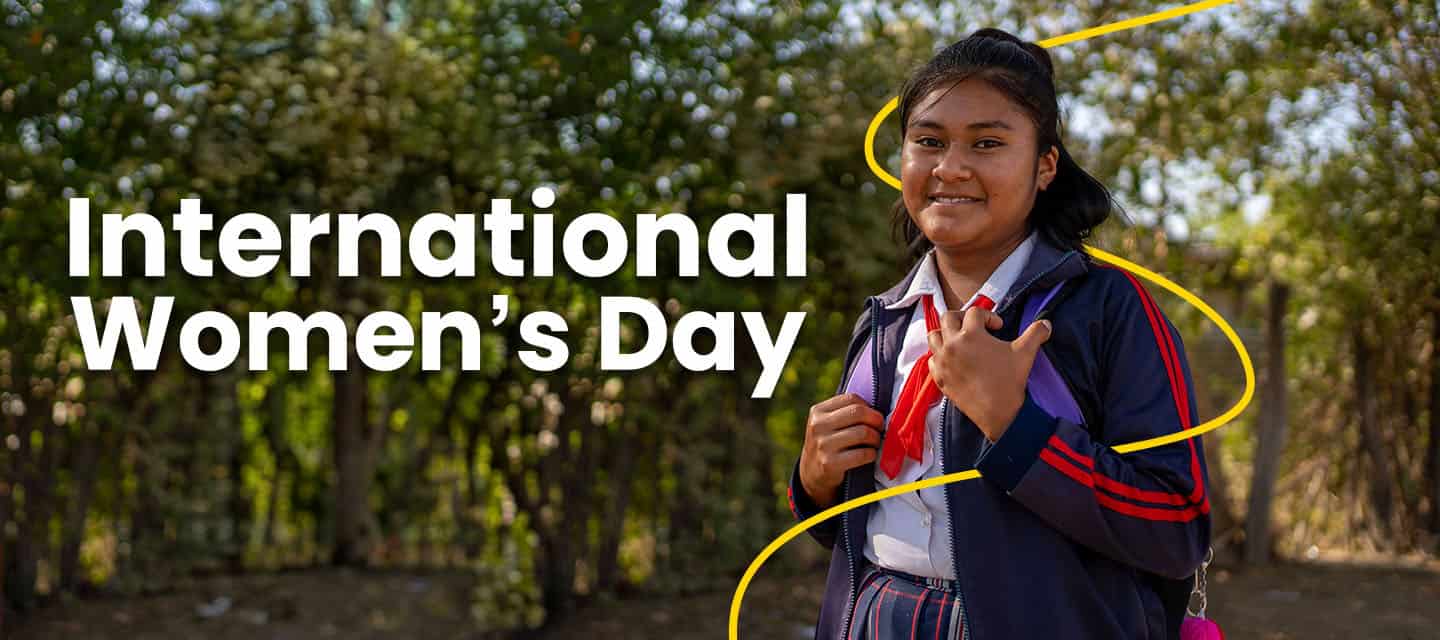
A teenage girl in a school uniform stands outdoors, smiling, with International Women’s Day text on the left.

International Women’s Day (March 8) is a global day that celebrates women’s achievements and calls for gender equality.

It began in the early 1900s as part of labor and voting rights movements. Today, it is recognized worldwide as both a celebration and a call to action.


1. Why does International Women’s Day still matter in 2026?

Because progress for girls and women is real — but fragile.

An 18-year global study followed the same group of girls from birth to adulthood across nine countries. By age 18, nearly two-thirds were completing or had completed secondary school. Fewer were married compared to their mothers’ generation.

Read more about the findings: Real Choices, Real Lives: Findings from 18 Years of a Global Study


At the same time, most reported experiencing violence in childhood. Many spent more than five hours each day on unpaid care work.

Progress does not sustain itself. It requires continued investment.


2. What is the International Women’s Day 2026 theme?

The United Nations theme is: ā€œRights. Justice. Action. For ALL Women and Girls.ā€

The theme emphasizes that gender equality requires more than promises. It requires systems that protect rights, deliver justice and create real opportunity.

Justice does not begin in adulthood. It begins in childhood.

Education is the pathway that allows girls to understand their rights, claim them and shape the systems around them.

When girls stay in school safely and consistently, they are better positioned to advocate for themselves and influence decisions that affect their futures.


3. What does girls’ education have to do with women’s equality?

Short answer: education is the foundation of equality.

When girls stay in school, they are more likely to:

— Earn income

— Delay marriage and pregnancy

— Participate in civic life

— Lead in their communities

Education is the pathway from girlhood to womanhood.

When girls learn, they grow into women who lead.
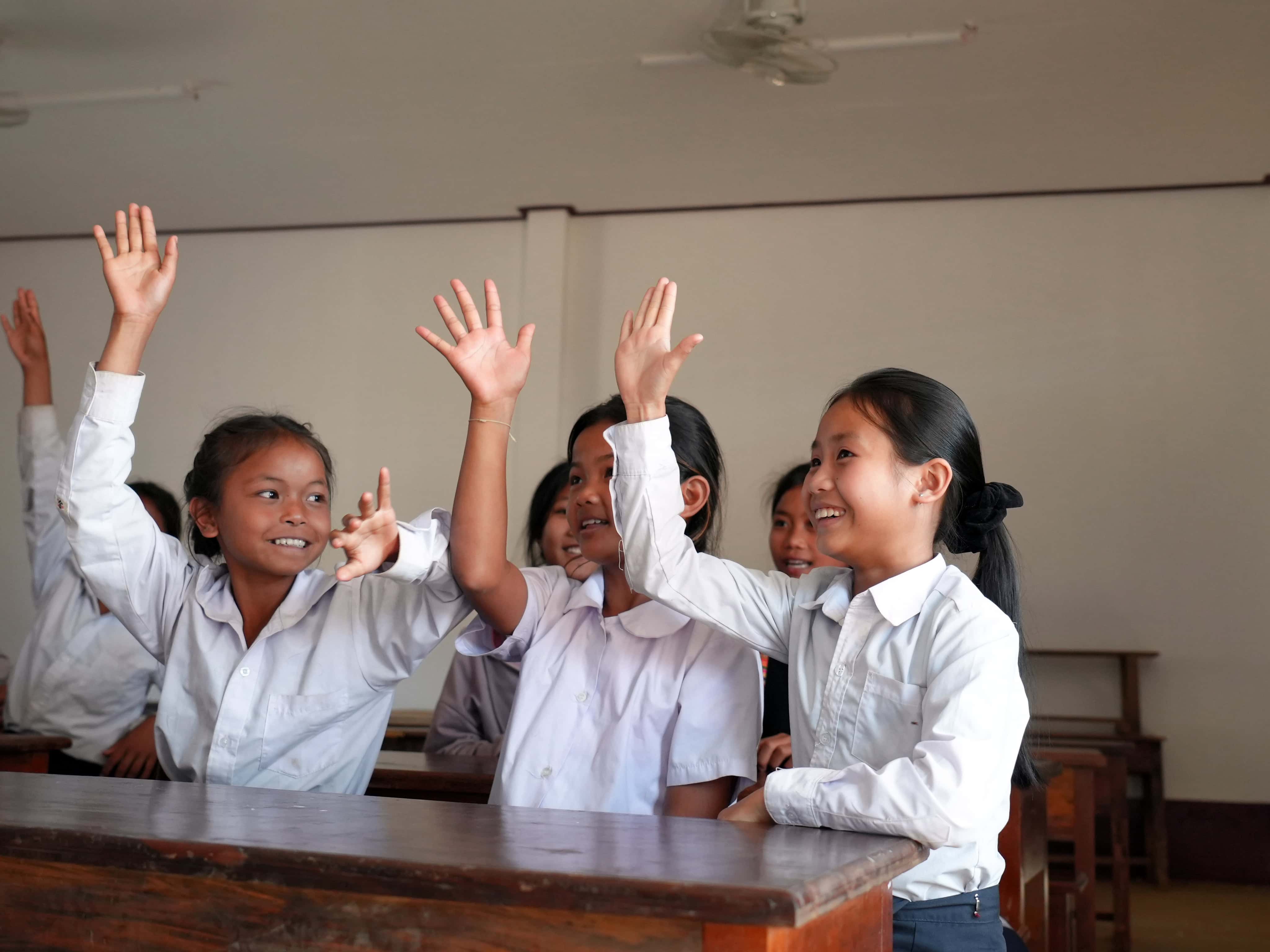
Vankham, 9, and her classmates participate in a lesson at their newly rebuilt primary school in Laos.

Vankham, 9, (far right) and her classmates participate in a lesson at their newly rebuilt primary school in Oudomxay province, Laos. Safe, quality learning environments help girls stay focused in school and build the foundation for their futures. | Ā© Plan International


4. What causes girls to drop out of school?

Girls drop out for overlapping reasons:

— Poverty

— Conflict and crisis

— Child marriage

— Early pregnancy

— Violence and harassment — online and offline

— Heavy household responsibilities

— Unsafe travel to school

These pressures often happen at the same time. When families face economic or climate stress, girls are often the first to leave school.


5. Does educating girls really improve the economy?

Yes.

According to the World Bank, not educating girls costs countries trillions of dollars in lost lifetime productivity and earnings.

Research from McKinsey & Company shows that advancing women’s equality could add trillions to global GDP.

Analysis from Citi Global Insights highlights the economic returns of investing holistically in girls’ education and well-being.

Educated women are more likely to reinvest in their families, strengthen local economies and support stable communities.


Girls’ education is not charity. It is economic infrastructure.

Investing in girls’ education is one of the highest-return investments a country can make. When girls complete secondary school, workforce participation rises. Public health improves. Household income increases. Long-term poverty declines.


6. Is enrollment the same as equality?

No.

Enrollment does not guarantee safety, quality or long-term completion.

Even when girls attend school, violence, unpaid care work and financial pressure can limit their ability to finish. Access alone is not enough. Stability matters.


7. What is unpaid care work and how does it affect girls?

This includes:

— Cooking and cleaning

— Collecting water or firewood

— Caring for younger siblings

— Caring for elderly or sick family members
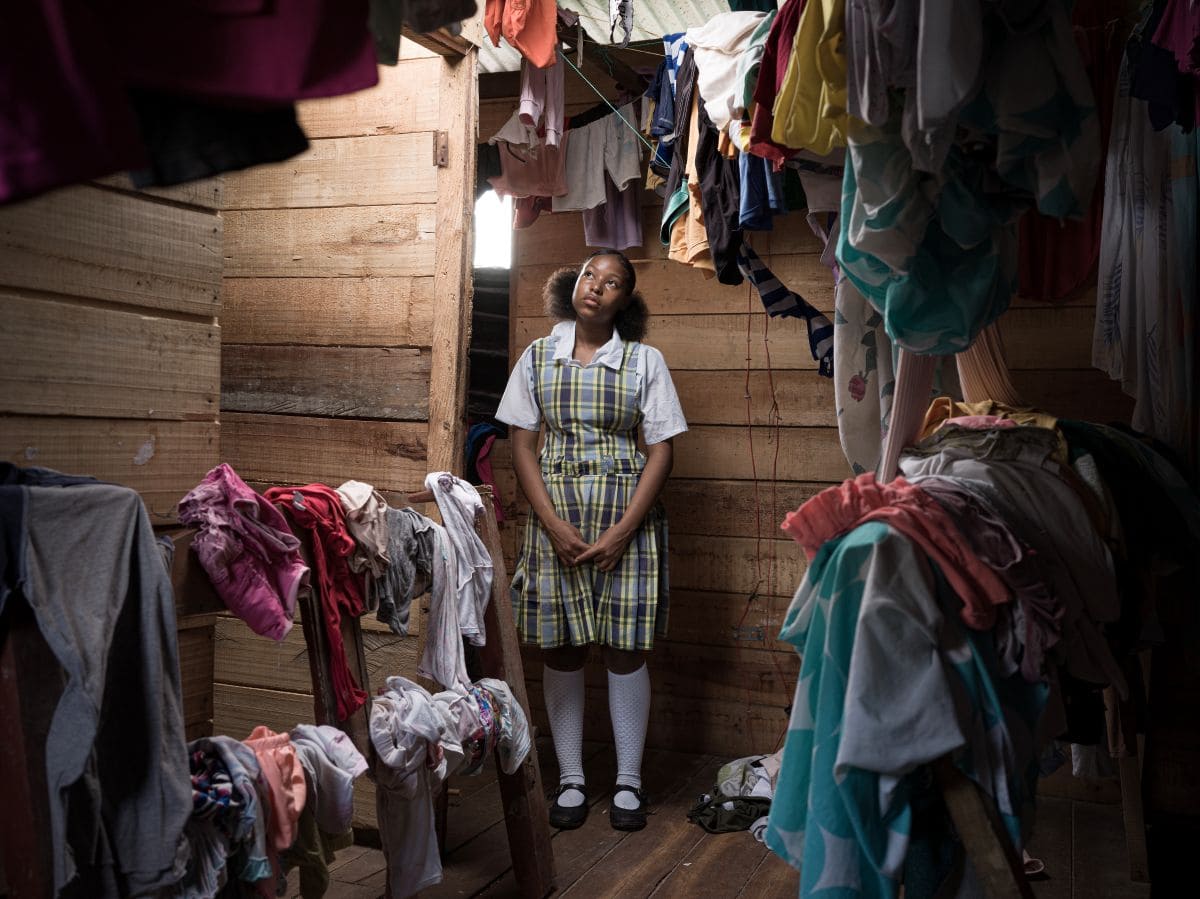
Yili, 16, standing inside her family home in Colombia surrounded by laundry.

Yili, 16, stands inside her family home in Colombia. In addition to attending school, she works in other people’s homes and cares for her younger siblings to help cover school expenses. Unpaid care work and economic pressure are common reasons girls struggle to stay in school. | Ā© Plan International / Chris de Bode

ā€œI have more boys than girls in my class,ā€ she explains. ā€œAnother challenge is girls getting pregnant. It happened to one of my best friends. She dropped out of school and couldn’t find a job.ā€ — Yili, 16, Colombia

With support from Plan’s Safe Horizons project, Yili was able to return to school. Financial assistance reduced the pressure to work, allowing her to devote more time to her studies.


10. What is child marriage and how is it connected to education?

Child marriage happens when a girl is married before her 18th birthday.

In many cases, child marriage is driven by poverty, social pressure, gender inequality or safety concerns. Families may believe marriage will provide financial security or protection for their daughters.

But early marriage often ends a girl’s education.

When a girl marries young, she is more likely to:

— Leave school permanently

— Experience early pregnancy

— Face higher health risks

— Lose economic independence

Education is one of the most effective ways to reduce child marriage. Girls who stay in school are far less likely to marry early.

You can explore global data and recommendations in the State of the World’s Girls 2025: Let Me Be a Child, Not a Wife report.

Child marriage is both a human rights issue and an education issue.


10. What does it actually take to keep girls in school long-term?

Girls do not drop out for one reason. Solutions cannot operate in silos.

Keeping girls in school requires stable, supportive conditions that remove barriers at every stage of their lives.

Strong early childhood development helps girls begin school ready to learn.

Access to health care, nutrition and safe water reduces preventable absences.

Sexual and reproductive health services help prevent early pregnancy and forced marriage.

Protection systems reduce violence at home, in communities, in schools and in digital spaces.

Livelihood and income support reduces economic pressure that forces families to withdraw girls from school.

When these conditions are stable, girls are far more likely to complete secondary school.


10. What can people do on International Women’s Day?

International Women’s Day calls for rights, justice and action.

That action must include sustained investment in girls’ education and protection, both online and offline.
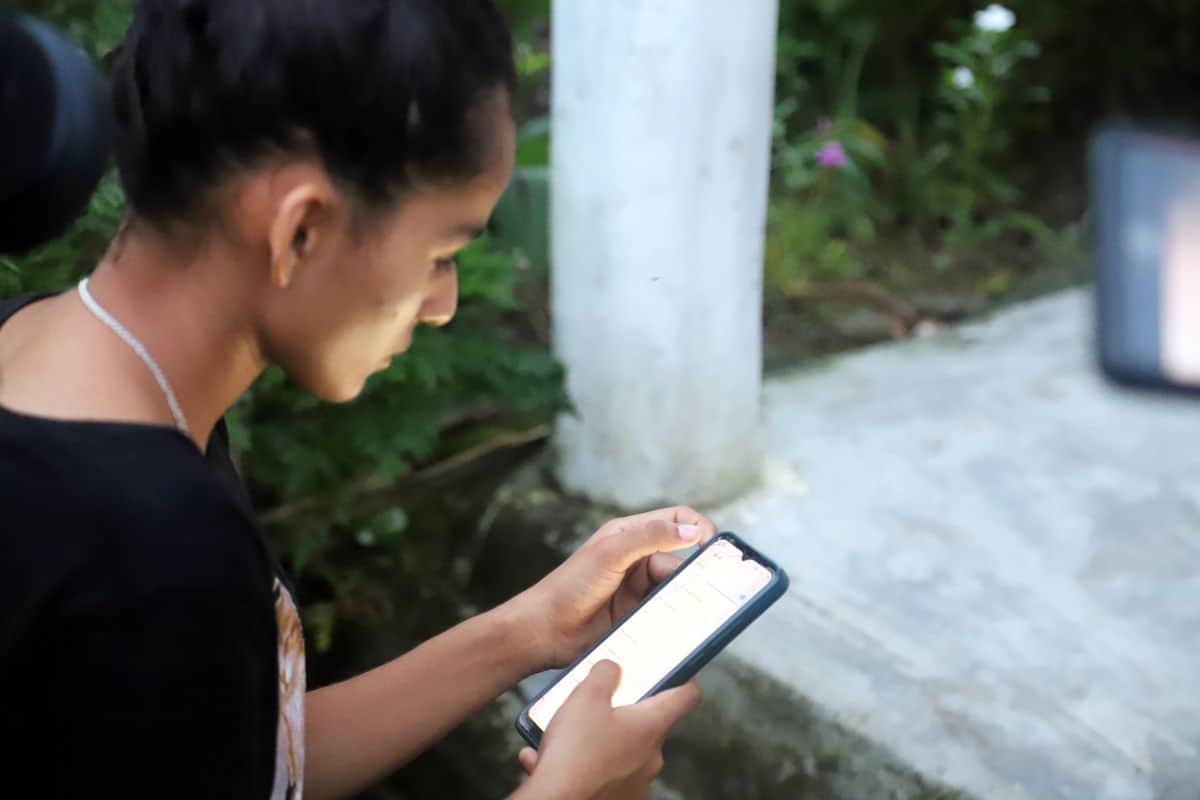
Regina using a mobile phone in Nepal to access online safety information.

Regina uses the Maya chatbot in Nepal to access information about online safety and trafficking risks. As more learning and social interactions move online, digital protection is part of keeping girls safe and in school. | Ā© Plan International / Naresh Newar

Support policies and programs that keep girls in school. Advocate for safe schools, digital safety and access to health services. Invest in systems that remove barriers, not just scholarships.

Progress is possible. But it requires continued commitment.

When girls learn, they gain the tools to claim their rights. And justice becomes more than a slogan.

When girls learn, women lead.

When women lead, communities move forward.

International Women’s Day highlights rights, justice and action. Sustained investment in girls’ education and protection is part of that action.

Girl Hero image

Ahead of International Women’s Day, Plan International USA calls for sustained investment in girls’ education

Justice for women begins with girls’ education

Washington, DC, Mar. 5, 2026 — Ahead of International Women’s Day on March 8, Plan International is calling for sustained investment in girls’ education as a powerful path to women’s equality and lasting justice.

Women’s equality does not begin in adulthood. It begins when girls have access to safe, quality education and the freedom to learn, grow and make decisions about their futures.

ā€œJustice for women starts with opportunity for girls,ā€ Shanna Marzilli, president and chief executive officer of Plan International USA, said. ā€œWhen girls are educated and protected, they grow into women who lead businesses, shape policy and strengthen their communities. That progress reflects years of investment and depends on continued support.ā€

Across many regions, gains for girls are real. More girls are completing secondary school than in previous generations, and fewer are marrying before age 18.

Findings from Plan International’s 18-year Real Choices, Real Lives study — which followed the same group of girls from birth to adulthood across nine countries — show what sustained investment can achieve. By age 18, nearly two-thirds of the girls were completing or had completed secondary school, compared to most of their mothers, who had little or no formal education. In addition, far fewer were married before age 18 than in their mothers’ generation.

Read the full Real Choices, Real Lives: Findings from 18 Years of a Global Study with Girls from Birth to Adulthood report.

Fragile progress

But the study also shows how fragile progress can be. Ninety-one percent of the girls reported experiencing violence by age 11. Many spent more than five hours each day cooking, cleaning and caring for siblings. That burden limits their time for school and leadership. Climate shocks, conflict and funding cuts threaten to undermine hard-won gains.

ā€œWhen girls stay in school and are safe from violence, their lives change,ā€ Marzilli said. ā€œSo do their communities. But equality does not sustain itself. Without consistent investment in education and protection, we risk reversing progress.ā€

Why girls’ education matters

The benefits of educating girls extend far beyond individual lives. Global research shows that closing gender gaps in workforce participation could increase global economic output by as much as 20 percent. Peace agreements are significantly more likely to last when women participate in negotiations. Women with education are more likely to earn income, participate in civic life and invest in the next generation. Communities are more resilient. Economies are stronger.

On International Women’s Day, Plan International calls on policymakers, donors, corporate partners and supporters to prioritize long-term investment in girls’ education and protection.

Equality requires more than recognition. It requires sustained action.

This year’s campaign highlights stories of girls who have become leaders in their communities, new findings from the Real Choices, Real Lives study and opportunities for supporters to advance girls’ education worldwide.

Learn more about Plan International’s International Women’s Day campaign.

We won’t stop until we are all equal.

Media contact

Vannette Tolbert
Senior Manager, Communications
Plan International USA
[email protected]
240.778.9077

About Plan International

Plan International is an international development and humanitarian nonprofit that advances children’s rights and equality for girls. Working together with children, young people, supporters and partners, Plan strives for a just world by tackling the root causes of challenges children face. With more than 85 years of experience, Plan works in more than 80 countries. We won’t stop until we are all equal.

International Day of the Girl stories
Plan International is deeply alarmed by the escalating military conflict in Iran and the Middle East, which puts children at grave risk.

Of particular concern are reports of attacks on educational facilities, including an elementary girls’ school in Minab, Hormozgan Province, in southern Iran. We are devastated by reports that at least 148 children have been killed and many others injured. Attacks on schools – and the killing and maiming of children – are two of the six grave violations of children’s rights in conflict and against international law.

Children always pay the highest price in armed conflict and wars; they must be protected at all times. Strikes and the use of explosive weapons in populated areas inevitably put innocent lives at risk.

We echo the urgent call by the UN Secretary-General for an immediate cessation of hostilities. It is critical that all parties exercise maximum restraint and strictly uphold their obligations under International Humanitarian Law. This includes the absolute protection of children, schools, hospitals and civilian infrastructure and all civilians.

Children should never be targets or casualties of war. Ever.

Note to Editors

While Plan International doesn’t have a country office in Iran, it does have a presence in Syria, Lebanon, Jordan and Egypt. It also supports partners to provide vital assistance to populations – particularly children, girls and young women – in the occupied Palestinian territory.ā€

For further information or interview requests, please contact:

MƩlina Froidure, Global Media Officer, Plan International
Email: [email protected]
Tel: +33685583513

About Plan International

Plan International is an international development and humanitarian nonprofit that advances children’s rights and equality for girls. Working together with children, young people, supporters and partners, we strive for a just world, tackling the root causes of challenges children face. We are there from birth until adulthood, and we support children to prepare for and respond to crises and adversity, while particularly focusing on the experiences of girls. With more than 85 years of experience, we work to transform lives in more than 80 countries. We won’t stop until we are all equal.

Iran Conflict

Search Results for:

Plan International works in more than 80 countries to tackle the root causes of poverty and inequalities that girls and their communities face. By working together, we can transform lives.

Most recent

All blogs

Girl in school uniform with text that reads "Change her forecast"

Plan International USA’s 2025 Annual Review highlights how evidence, accountability and girls’ leadership shaped our work in a complex global landscape.

From education and protection to humanitarian response and policy advocacy, this report shares the impact of programs that reached 49.2 million children worldwide, including 26.1 million girls, and outlines our financial performance for the year.

Cover for Plan International USA Annual Review 2025