

Let them play: Why joy is a lifeline for children in crisis

Around the globe, children facing conflict, displacement and climate emergencies are healing and finding resilience and hope through play. Here's how Plan International is creating environments where children can recover, thrive and enjoy being young. Plan International creates safe spaces, supports schools and community programs, provides mobile libraries and play buses, and integrates play into education and child protection initiatives worldwide.

Why Play Matters for Children in Crisis​

A boy runs barefoot beside a rolling bike tire, guiding it with a stick in a game called ā€œSticks and Wheels.ā€ A girl skips rope with a laundry line. Children tie string to rusted cans, dragging them behind like clattering parade floats. Another fashions a toy car from a plastic bottle, tugging it proudly across the dirt with a piece of twine. In the heat, they gather beneath mango trees to clap, chant and laugh through hand games. And when the rains come, they stomp and splash barefooted under the torrential downpour — soaked, singing and smiling, completely unbothered.

This might sound idyllic; however for many children, safe places to play and the equipment to do so simply didn’t exist. There are no playgrounds.

Play isn’t a luxury. It’s a necessity. It’s how children recover from trauma, build resilience, develop critical skills and connect with the world around them. It’s how they stay kids, even when the world feels anything but safe.

This International Day of Play, we’re spotlighting the children and communities who remind us that play is never just play. From war zones to drought zones and from early childhood centers to football fields, here’s how Plan International is making space for joy — through programs designed to protect childhood and promote learning, healing and equality.

Moldova: The Mobile Play Bus ​

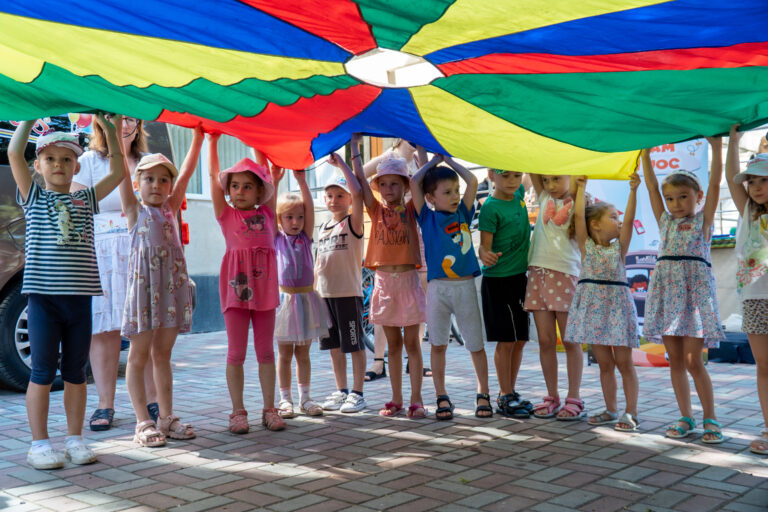
Children playing with a parachute in Moldova
Children in Moldova lift a colorful parachute during a Ludobus visit — a mobile play bus run by Plan that brings educational games and psychosocial support to refugee and host communities affected by the conflict in Ukraine. | Ā© Plan International

The Ludobus — short for ā€œplay busā€ — is a traveling toy library filled with educational games, books and puzzles. It visits villages and refugee centers across Moldova, creating joyful spaces for children and relief for mothers affected by the conflict in Ukraine. As children engage in play, mothers can rest or meet privately with psychologists to discuss their needs in a safe, supported environment.

Gaza: Reclaiming Joy During Conflict

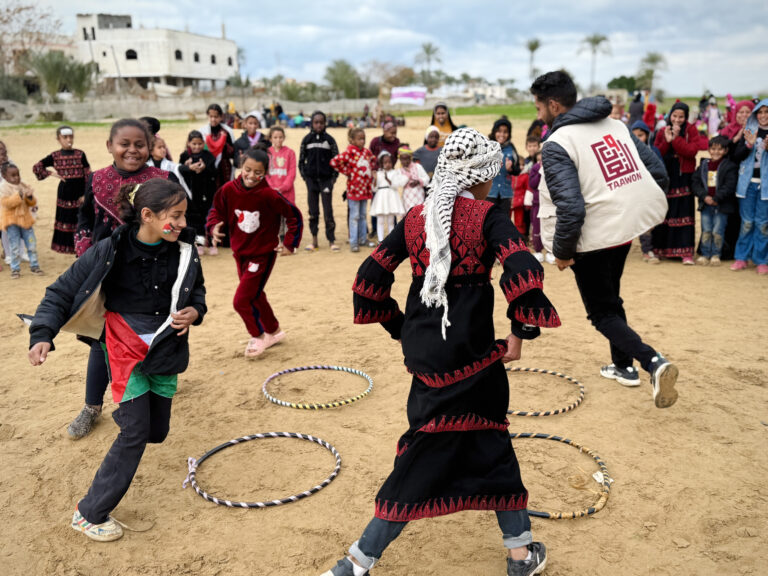
Children playing in a circle in Gaza
Children in Gaza take part in recreational activities supported by Plan’s emergency relief project, implemented in partnership with local organizations ACHA and Taawon. These safe spaces help children cope with trauma through joyful, healing play. | Ahmed Salama, Ā© Plan International

In Deir al-Balah, Gaza, where thousands of displaced families have sought shelter, Plan and its local partners are creating moments of joy amid unimaginable hardship. Through an emergency relief project with the Abdel-Safi Community Health Association and Taawon, we support recreational activities for children affected by conflict. In these safe spaces, girls and boys dance, laugh and take part in interactive games designed to ease trauma and rebuild a sense of safety. These sessions do more than entertain — they offer psychological support and a path to healing.

Lebanon: Playing Between the Lines of Conflict

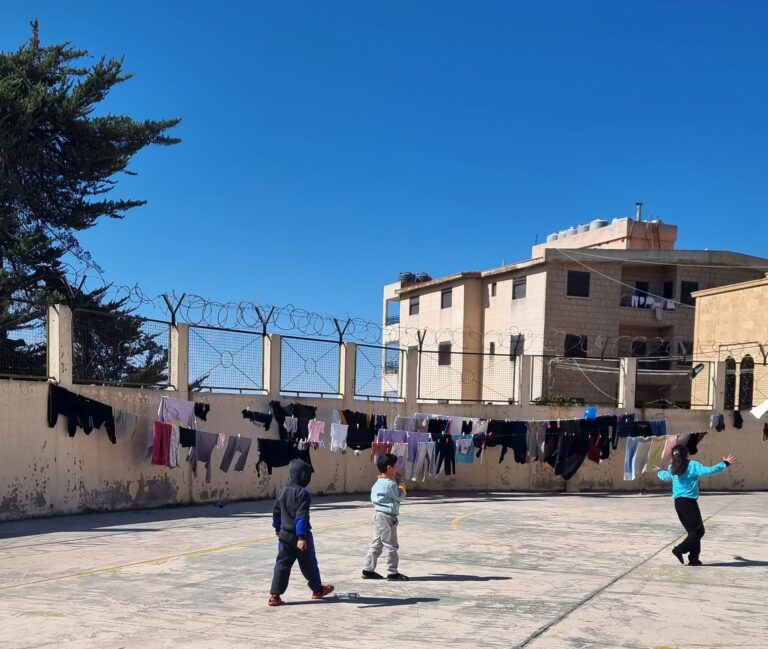
Children playing outside in a courtyard in Lebanon
Children play in a courtyard repurposed as a shelter in Lebanon, where ongoing conflict has forced over a million children out of school. Plan continues to support safe spaces for children amid the crisis. Rachel Chalita, Ā© Plan International

In a dusty courtyard surrounded by barbed wire, children play as war unfolds just miles away. With more than 1 million children out of school due to conflict, Plan-supported play activities have become one of the few constants in their lives.

Peru: The Healing through Play After El NiƱo

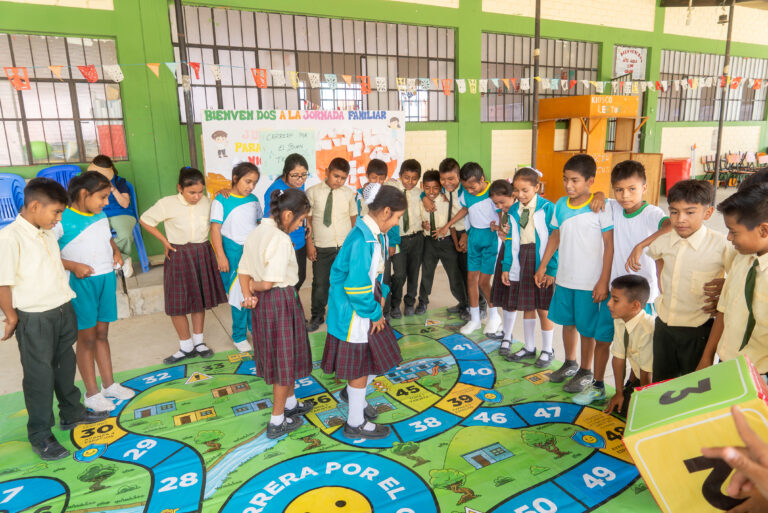
Children playing at school in Peru
Children in Piura, Peru, play a giant board game during a Plan of Joy session — part of Plan’s response to El NiƱo floods. The sessions teach children about resilience, safety, and emotional well-being through play. | Ā© Plan International

After floods devastated her village, 9-year-old GĆ©nesis found solace at a ā€œPlan of Joyā€ play session. ā€œWhen we started playing, I didn’t think about the rain anymore,ā€ she says. Games helped her manage fear, build confidence and feel less alone.

Zimbabwe: A Playground Helps Keep Children in School​

A girl on a playground in Zimbabwe
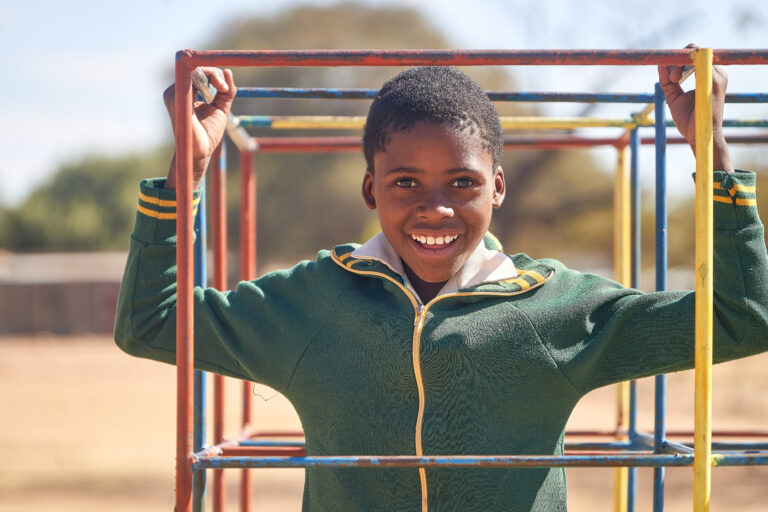
Kimberly, 11, smiles on the playground at her school in Zimbabwe. With support from Plan International, the school has new classrooms and a safe play space — a rare and cherished place for children in her drought-affected community. | Tendai Marima, Ā© Plan International

In drought-affected Tsholotsho, Kimberly, 11, finds joy in a rare safe space: the school playground built with support from Plan International. ā€œAt home I only have my cat to play with,ā€ she says. ā€œI love the playground — it’s a safe place for us to be children.ā€ As water becomes harder to find and more children drop out of school, Kimberly holds on to her dream: to stay in school and one day become a nurse.

Ethiopia: Learning Through Play in Crisis-Affected Communities​

Children playing at school in Ethiopia
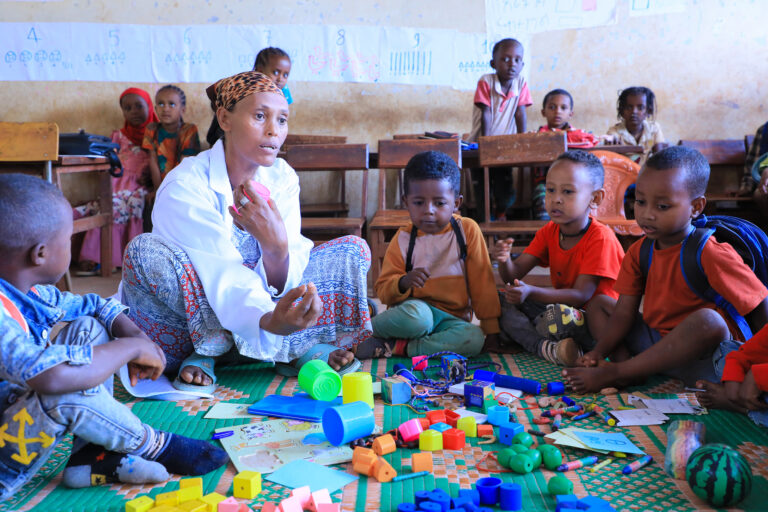
A teacher leads a Learning through Play session with young children in Benishangul-Gumuz, Ethiopia. Through Plan’s PlayMatters project, refugee and host community children build skills and resilience in safe, engaging environments. | Natnael Tesfaye, Ā© Plan International

In Benishangul-Gumuz, a region in northwestern Ethiopia affected by conflict and displacement, Plan’s PlayMatters project is helping children recover and grow. The program equips teachers and facilitators with tools to integrate learning through play into classrooms. Through guided, hands-on activities, children ages 3 to 12 in both refugee and host communities strengthen cognitive, emotional and creative skills — building resilience in safe, inclusive spaces.

Benin: Girls Building Leadership Through Sports

Girls playing soccer in Benin
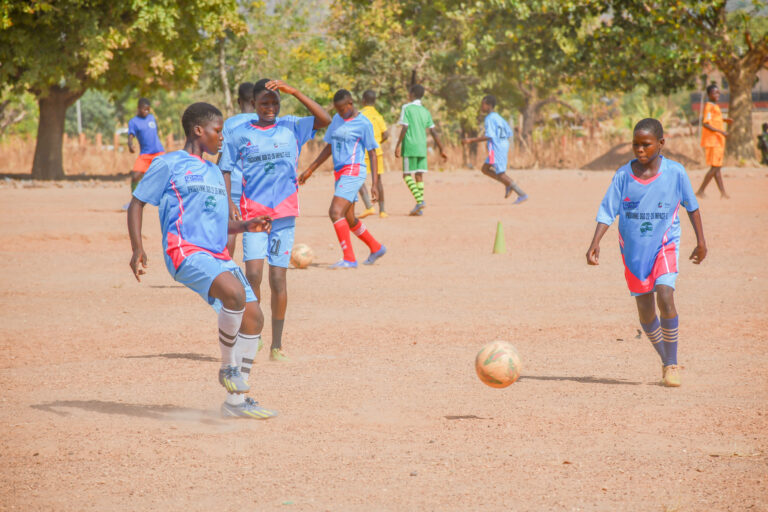
Girls play football in Atacora, Benin, as part of Plan’s Impact-Elle project. The program promotes girls’ leadership and gender equality through sport, while also reducing financial barriers with equipment and school supplies. | Isabelle Lemou, Ā© Plan International

Through the Impact-Elle project, Plan supports 16 girls’ football teams in Atacora, creating safe spaces where girls can play, lead and be seen. What begins on the field ripples out: the program challenges gender norms, fosters leadership and encourages parents to support their daughters’ participation — helping change the story for the next generation.

Poland: Empowering Children With Disabilities through Play​

A girl and a teacher playing
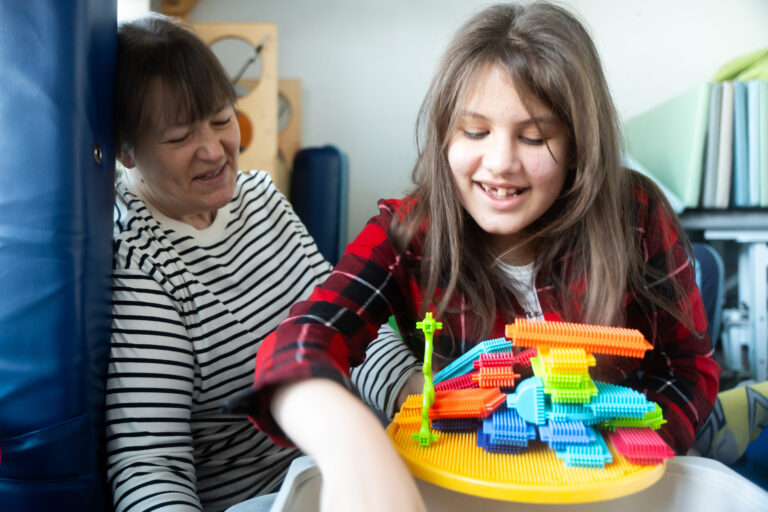
Alesia plays during a therapy session in Poland, supported by the Patchwork Association in partnership with Plan. The organization helps refugee children with disabilities access education and psychosocial services. | Weronika Jurkiewicz, Ā© Plan International

After fleeing Ukraine, Nataliia found support for her daughter Alesia, a child with special needs, through Plan-supported therapeutic play sessions. There, Alesia began to thrive again. For this family, play is more than fun — it’s foundational.

Brazil: Leading the Way Through Play​

Girls playing basketball at Plan's Leadership Academy in Brazil
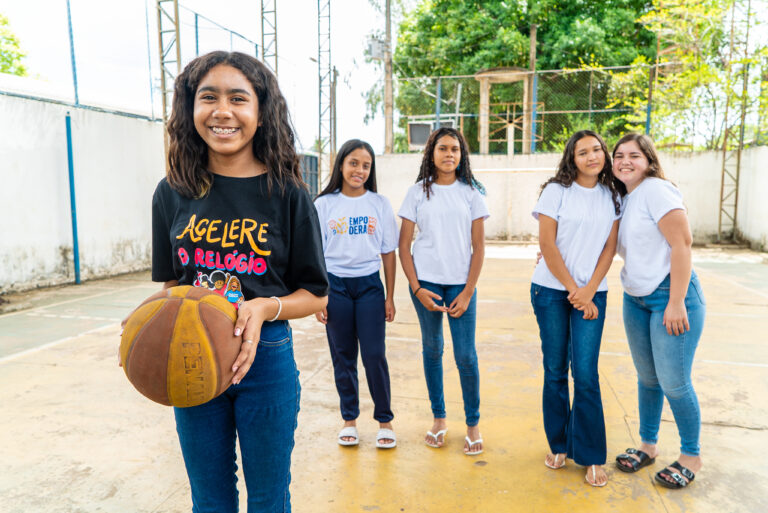
Participants in Plan’s Leadership School for Girls gather on a basketball court in Brazil. The program uses games and team-building activities to help girls develop leadership skills and advocate for their rights. | Rafael Gardini, Ā© Plan International

Girls in Brazil are learning to lead through Plan’s Leadership School. It starts with teamwork and games, then grows into advocacy, public speaking and organizing. It’s play with purpose — and the girls are ready.

Timor-Leste: Imagination on Wheels in Rural Communities

Girls playing outside in Timor-Leste
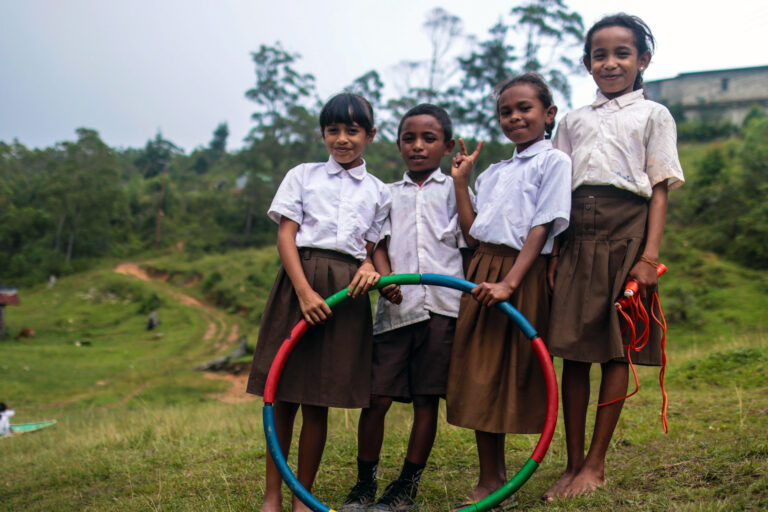
Children gather around Plan’s mobile library in Timor-Leste, where storytelling and interactive learning promote early childhood development and a love for reading. | Rogerio Mendes Lopes, Ā© Plan International

In the rural hills of Timor-Leste, a mobile library van rolls into view — and children run to meet it. For many, it’s their first chance to hold a book, hear a story or experience a structured learning activity. Plan supports this mobile library to bring storytelling, games and early learning tools to children in remote communities. These sessions nurture imagination and build the cognitive, emotional and social skills that children need to thrive. In places where access to quality education is limited, the joy of reading becomes a powerful form of play — and a stepping stone to a brighter future.

Radical Joy: The Impact of Play for Communities in Crisis

Every story here is different, but the theme is the same. For children affected by conflict, displacement, disasters and poverty, safe opportunities to play can build resilience, empower kids, make communities safer and pave the way for brighter and more just figures. That’s why Plan creates these spaces — in classrooms, on dirt fields and even through mobile buses. Play is more than recreation; it is transformative and healing. Psychosocial support through play uses games, creative activities and structured recreation to help children process experiences, strengthen coping skills and improve well-being.

Across continents and crises, these moments of joy reveal something deeper: play is a lifeline. And a declaration that childhood matters, even in the hardest places. Play is an experience that should be universal for all children; regardless of their country of origin or circumstances in life. It strengthens relationships in the community, provides a sense of normalcy during crisis, and inspires.

This International Day of Play, join us in protecting and celebrating childhood.

Not just play: How Ukraine’s children heal from war​​

Three years have passed since the escalation of the war in Ukraine — a conflict that has shattered lives and displaced millions.

While the damage to buildings is visible, there are also hidden wounds in children’s minds.

Girls Everyday Resistance Report: 2025​

Across Benin to Vietnam, young girls are pushing back against gender expectations.

Through Plan International’s 18-year study, we uncover powerful stories of resilience, defiance and change driven by girls navigating and reshaping their worlds

Read Next

Four years into the war in Ukraine: What do children need now?

Four years into the war in Ukraine, children continue to face trauma, disrupted education, and displacement across Ukraine and Eastern Europe. As the crisis shifts from emergency response to long-term recovery, sustained investment in mental health, protection, and education is critical to prevent irreversible harm.

Read more