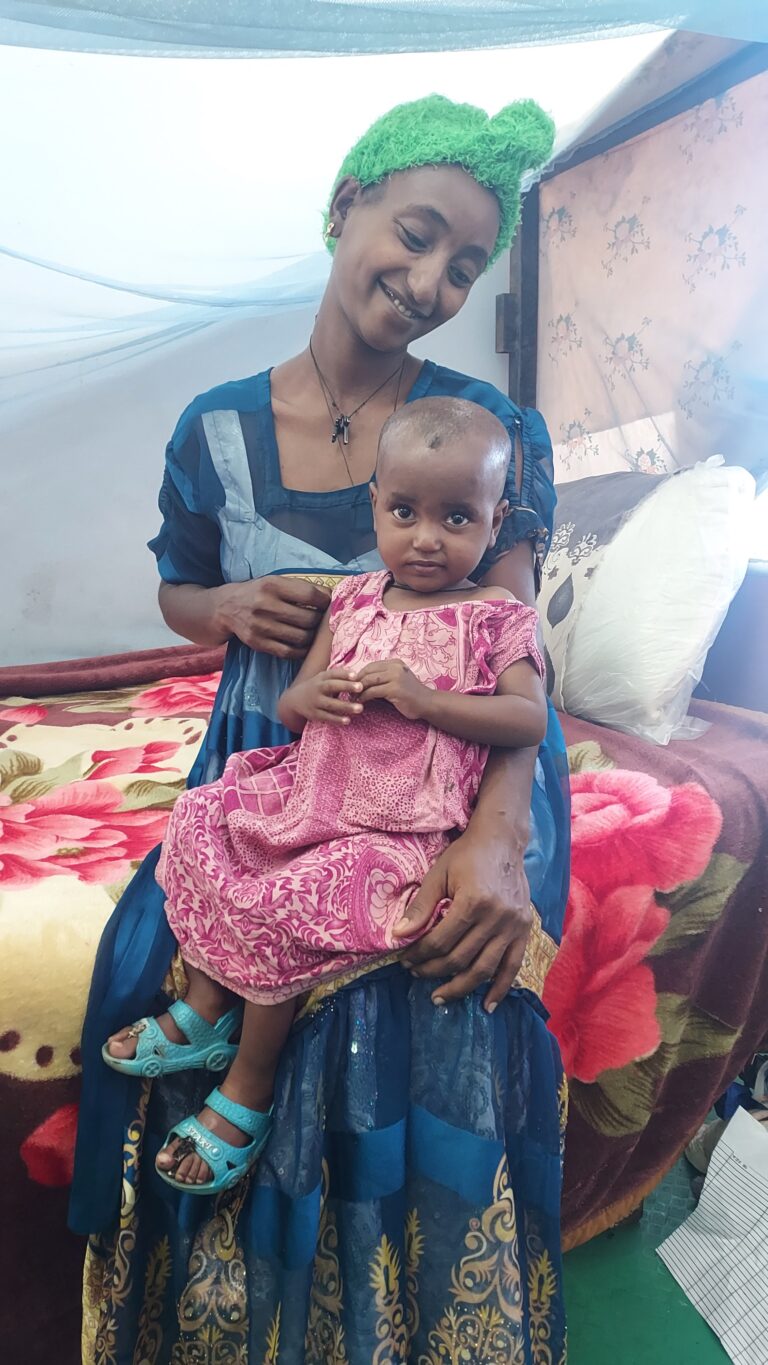
On a hot day in Amhara, Ethiopia, Tihtina, a two-and-a-half-year old girl, arrived at a health center with her mother. Tihtina weighed barely 15 pounds and was critically ill.
“I was giving up about my daughter’s life,” her mother said. “She was on the way to dying.”
For families like hers, accessing food and healthcare has been challenging since armed conflict started in 2021. This conflict has displaced whole communities, interrupted the ability to grow food and made it difficult to find jobs, as many businesses were forced to close. Before the conflict started in the region, health services were already limited and this has further strained them, making it even harder for families to get the care they need.
When Tihtina’s condition worsened, her mother sought help at the nearest health center.
There, newly trained health workers quickly recognized that Tihtina was suffering from severe malnutrition and other health conditions. They rushed into action, providing the lifesaving treatment that Tihtina needed to survive.
This commitment to helping children and families in crisis — often under dangerous conditions — is exactly why World Humanitarian Day exists.
What is World Humanitarian Day?
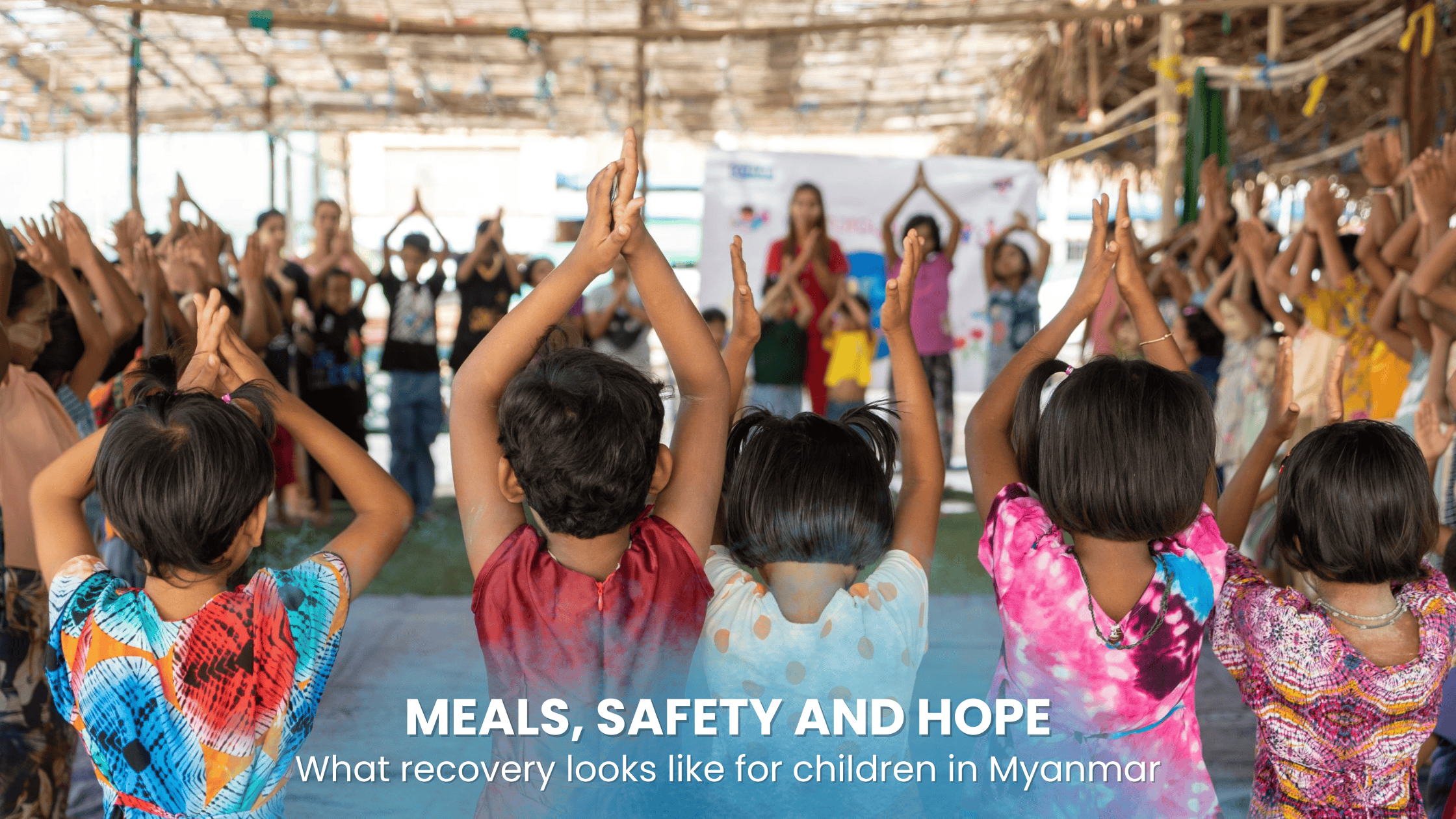
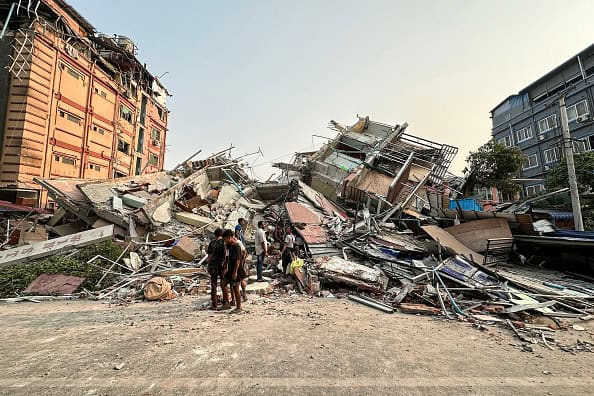
Every year on Aug. 19, we honor the aid workers, health professionals, community volunteers and other frontline responders who help people survive floods, earthquakes and wars, and begin to rebuild their lives. Whether they are treating malnutrition, providing clean water, protecting children or helping families recover from crises, their work brings hope when people need it most.
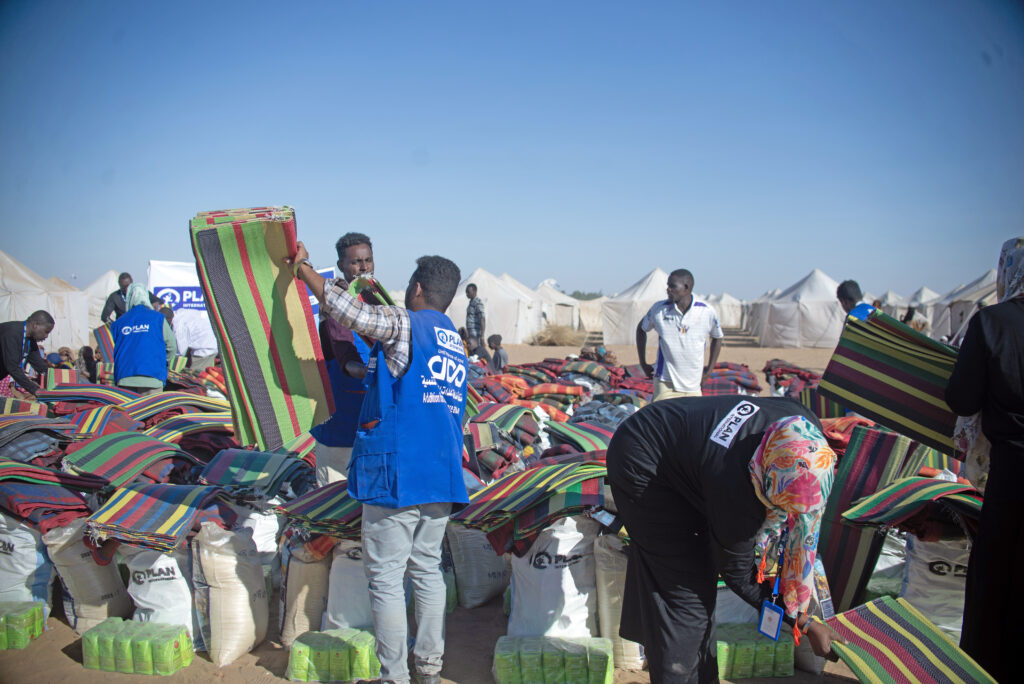
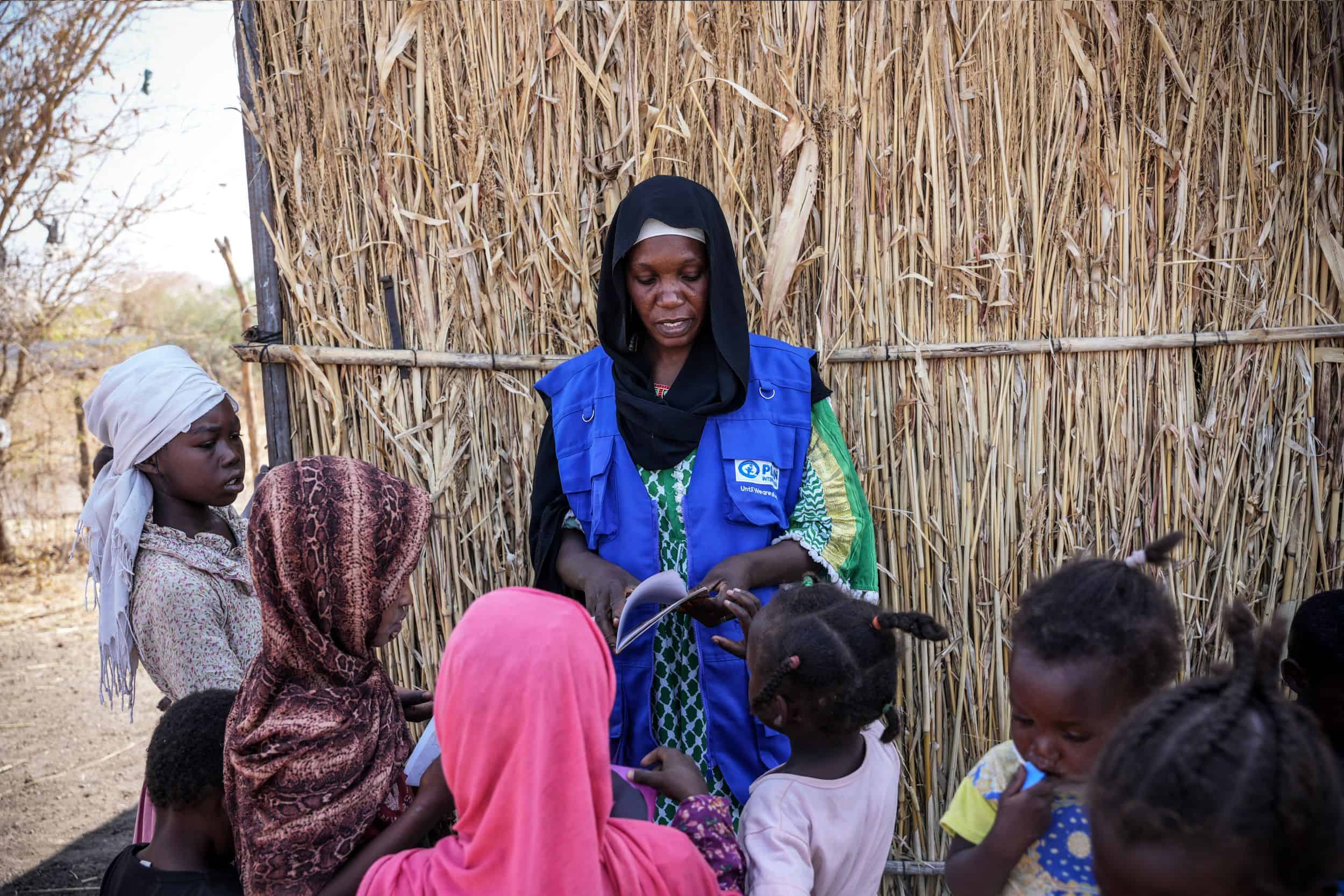
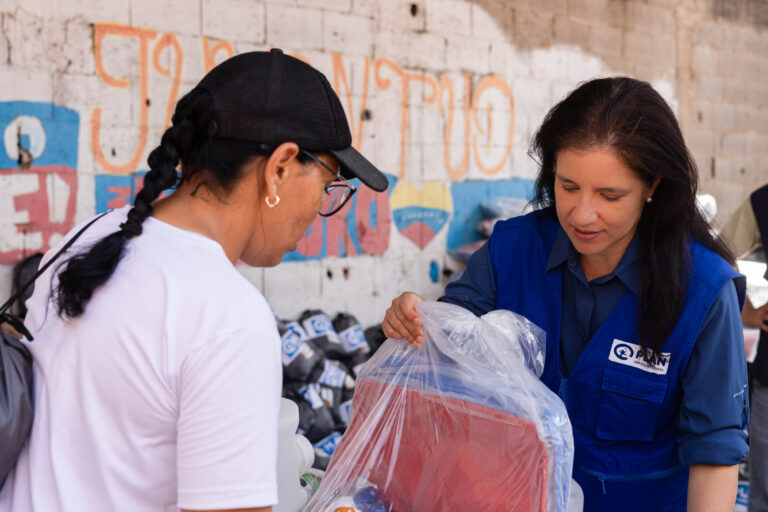
Plan International humanitarian workers are among those first responders. In the past year alone, they supported communities affected by more than 70 conflicts and natural disasters around the world. Plan staff wear blue vests, making them easily recognizable to community members in times of crisis.
On a recent trip to Guatemala, Shanna Marzilli, CEO at Plan International USA, met with local community members. They told her that seeing the blue Plan vest brings a sense of reassurance in uncertain times. To them, it represents the knowledge that they are not facing challenges alone.
For families facing crisis, that hope can change the course of a child’s life, as it did for Tihtina.
Why it matters
During the two weeks that Tihtina stayed at the health center, she received therapeutic feeding, and her health complications received treatment. Her mother was provided with accommodation, meals, counseling and nutrition education to help care for her children at home.
“Now, she is healthy, well-nourished and happy,” her mother said. “Plan International played a significant role by providing free treatment and support for our community.”
Tihtina’s story is one of many, but for her family, it means everything.
Behind stories like hers are humanitarian workers who show up every day in some of the world’s most challenging places. On World Humanitarian Day, we celebrate their dedication and courage, and we recognize the difference they make for girls and families facing crises.
In Amhara, Plan has restaffed and equipped medical centers so girls like Tihtina can receive care. In addition, food is given to families, and job training is offered to help families return to normal as the conflict starts to wind down. Plan is there to support families through crisis and as they rebuild their lives.
Because of their work, more children like Tihtina have the chance to not just survive, but to thrive.
Right now, children around the world are facing conflict, hunger and disaster. Your gift helps Plan International respond quickly, supporting trained local health workers and delivering critical services where they’re needed most. Donate today in honor of World Humanitarian Day to help more children like Tihtina access lifesaving care and build a healthier future.