Search Results

Search results for

0 result(s) found

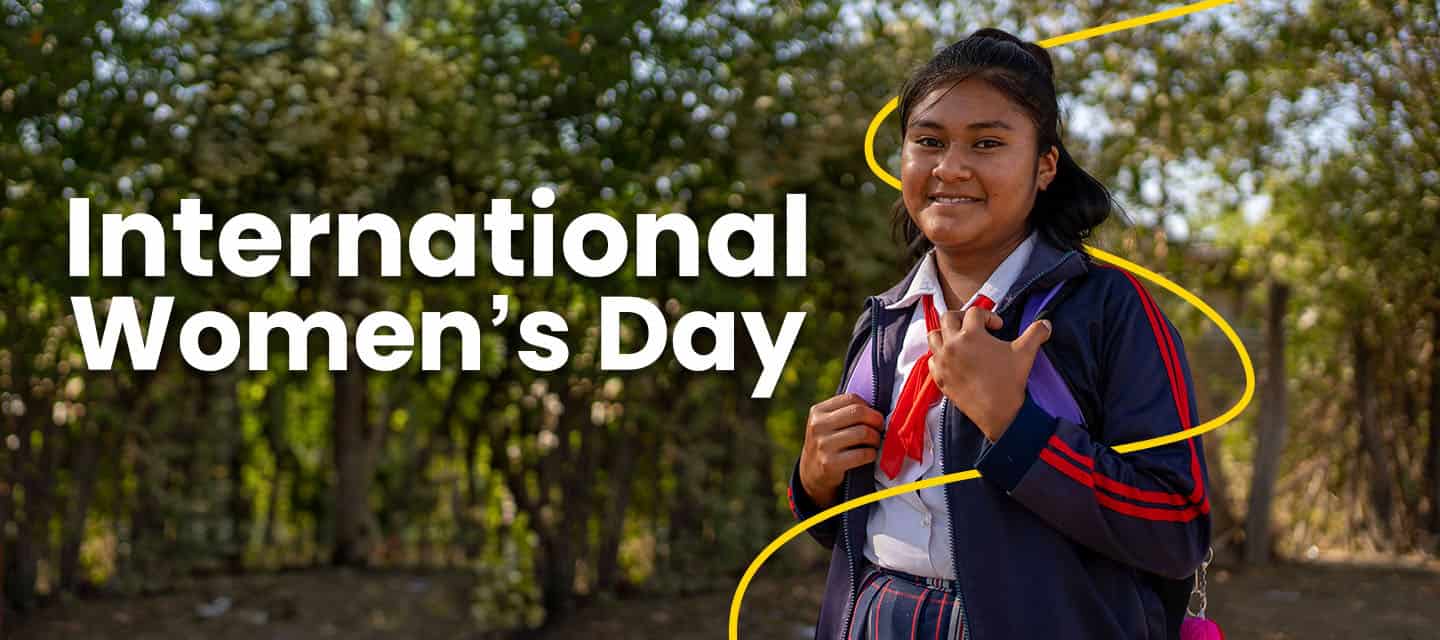
A teenage girl in a school uniform stands outdoors, smiling, with International Women’s Day text on the left.

International Women’s Day (March 8) is a global day that celebrates women’s achievements and calls for gender equality.

It began in the early 1900s as part of labor and voting rights movements. Today, it is recognized worldwide as both a celebration and a call to action.


1. Why does International Women’s Day still matter in 2026?

Because progress for girls and women is real — but fragile.

An 18-year global study followed the same group of girls from birth to adulthood across nine countries. By age 18, nearly two-thirds were completing or had completed secondary school. Fewer were married compared to their mothers’ generation.

Read more about the findings: Real Choices, Real Lives: Findings from 18 Years of a Global Study


At the same time, most reported experiencing violence in childhood. Many spent more than five hours each day on unpaid care work.

Progress does not sustain itself. It requires continued investment.


2. What is the International Women’s Day 2026 theme?

The United Nations theme is: ā€œRights. Justice. Action. For ALL Women and Girls.ā€

The theme emphasizes that gender equality requires more than promises. It requires systems that protect rights, deliver justice and create real opportunity.

Justice does not begin in adulthood. It begins in childhood.

Education is the pathway that allows girls to understand their rights, claim them and shape the systems around them.

When girls stay in school safely and consistently, they are better positioned to advocate for themselves and influence decisions that affect their futures.


3. What does girls’ education have to do with women’s equality?

Short answer: education is the foundation of equality.

When girls stay in school, they are more likely to:

— Earn income

— Delay marriage and pregnancy

— Participate in civic life

— Lead in their communities

Education is the pathway from girlhood to womanhood.

When girls learn, they grow into women who lead.

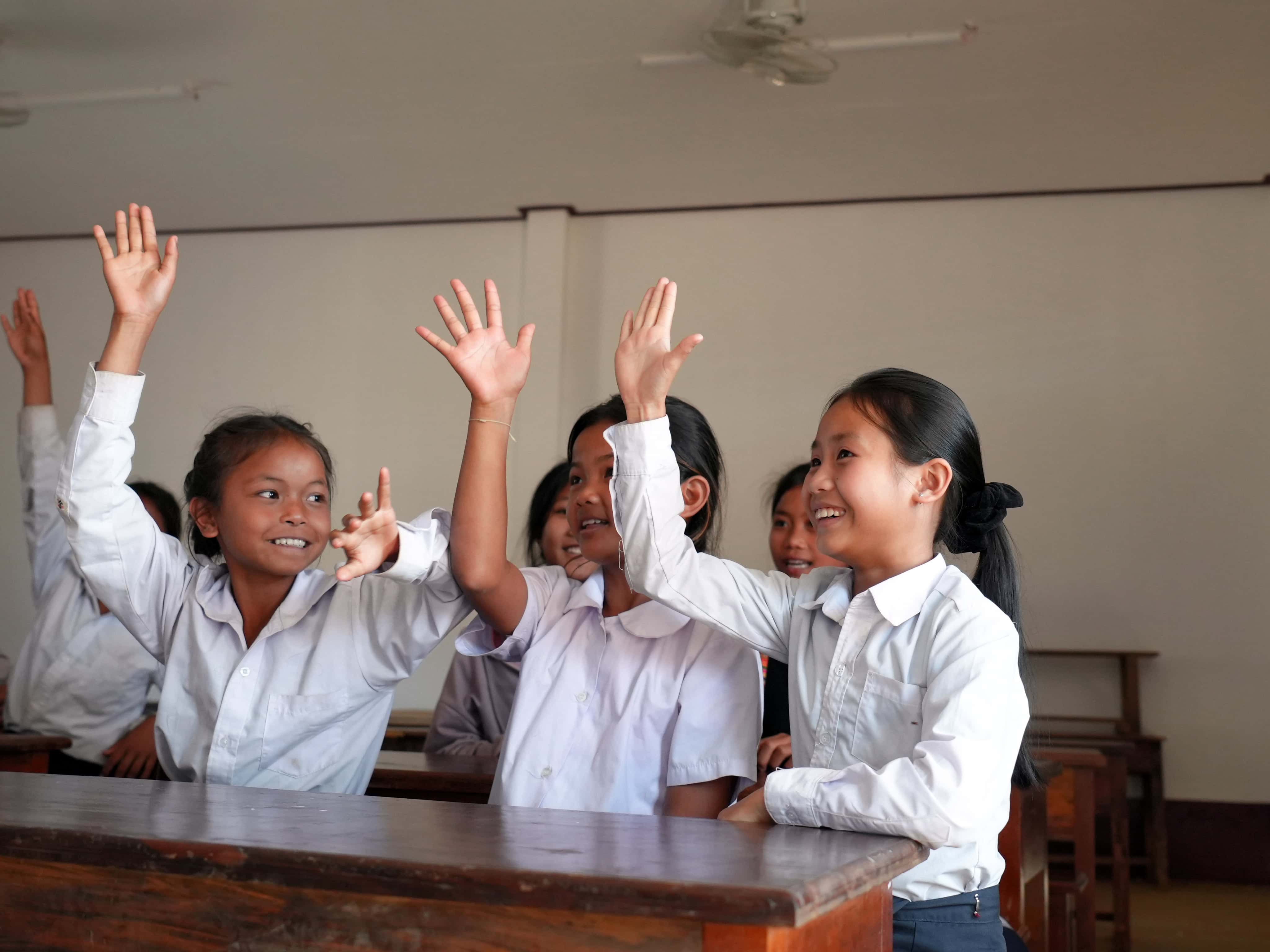
Vankham, 9, and her classmates participate in a lesson at their newly rebuilt primary school in Laos.

Vankham, 9, (far right) and her classmates participate in a lesson at their newly rebuilt primary school in Oudomxay province, Laos. Safe, quality learning environments help girls stay focused in school and build the foundation for their futures. | Ā© Plan International


4. What causes girls to drop out of school?

Girls drop out for overlapping reasons:

— Poverty

— Conflict and crisis

— Child marriage

— Early pregnancy

— Violence and harassment — online and offline

— Heavy household responsibilities

— Unsafe travel to school

These pressures often happen at the same time. When families face economic or climate stress, girls are often the first to leave school.


5. Does educating girls really improve the economy?

Yes.

According to the World Bank, not educating girls costs countries trillions of dollars in lost lifetime productivity and earnings.

Research from McKinsey & Company shows that advancing women’s equality could add trillions to global GDP.

Analysis from Citi Global Insights highlights the economic returns of investing holistically in girls’ education and well-being.

Educated women are more likely to reinvest in their families, strengthen local economies and support stable communities.


Girls’ education is not charity. It is economic infrastructure.

Investing in girls’ education is one of the highest-return investments a country can make. When girls complete secondary school, workforce participation rises. Public health improves. Household income increases. Long-term poverty declines.


6. Is enrollment the same as equality?

No.

Enrollment does not guarantee safety, quality or long-term completion.

Even when girls attend school, violence, unpaid care work and financial pressure can limit their ability to finish. Access alone is not enough. Stability matters.


7. What is unpaid care work and how does it affect girls?

This includes:

— Cooking and cleaning

— Collecting water or firewood

— Caring for younger siblings

— Caring for elderly or sick family members

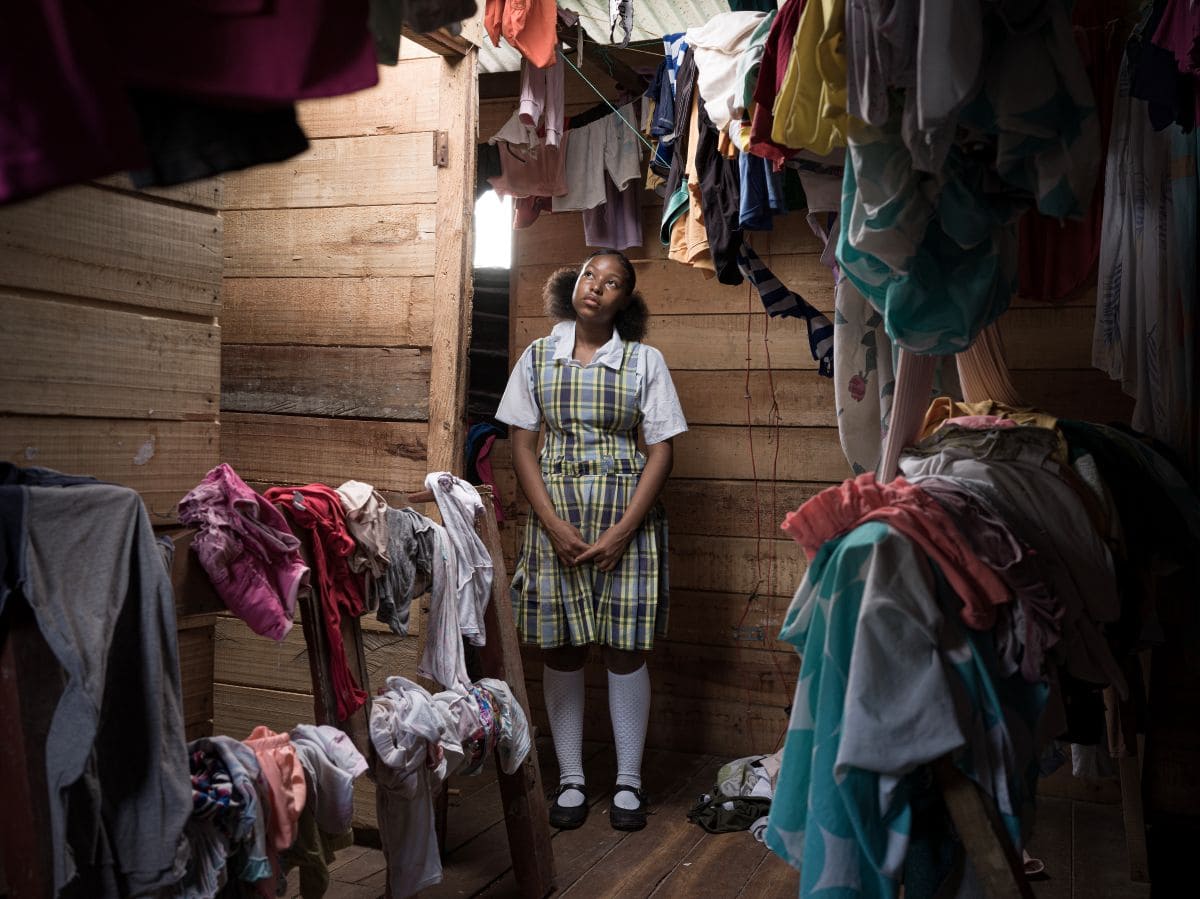
Yili, 16, standing inside her family home in Colombia surrounded by laundry.

Yili, 16, stands inside her family home in Colombia. In addition to attending school, she works in other people’s homes and cares for her younger siblings to help cover school expenses. Unpaid care work and economic pressure are common reasons girls struggle to stay in school. | Ā© Plan International / Chris de Bode

ā€œI have more boys than girls in my class,ā€ she explains. ā€œAnother challenge is girls getting pregnant. It happened to one of my best friends. She dropped out of school and couldn’t find a job.ā€ — Yili, 16, Colombia

With support from Plan’s Safe Horizons project, Yili was able to return to school. Financial assistance reduced the pressure to work, allowing her to devote more time to her studies.


10. What is child marriage and how is it connected to education?

Child marriage happens when a girl is married before her 18th birthday.

In many cases, child marriage is driven by poverty, social pressure, gender inequality or safety concerns. Families may believe marriage will provide financial security or protection for their daughters.

But early marriage often ends a girl’s education.

When a girl marries young, she is more likely to:

— Leave school permanently

— Experience early pregnancy

— Face higher health risks

— Lose economic independence

Education is one of the most effective ways to reduce child marriage. Girls who stay in school are far less likely to marry early.

You can explore global data and recommendations in the State of the World’s Girls 2025: Let Me Be a Child, Not a Wife report.

Child marriage is both a human rights issue and an education issue.


10. What does it actually take to keep girls in school long-term?

Girls do not drop out for one reason. Solutions cannot operate in silos.

Keeping girls in school requires stable, supportive conditions that remove barriers at every stage of their lives.

Strong early childhood development helps girls begin school ready to learn.

Access to health care, nutrition and safe water reduces preventable absences.

Sexual and reproductive health services help prevent early pregnancy and forced marriage.

Protection systems reduce violence at home, in communities, in schools and in digital spaces.

Livelihood and income support reduces economic pressure that forces families to withdraw girls from school.

When these conditions are stable, girls are far more likely to complete secondary school.


10. What can people do on International Women’s Day?

International Women’s Day calls for rights, justice and action.

That action must include sustained investment in girls’ education and protection, both online and offline.

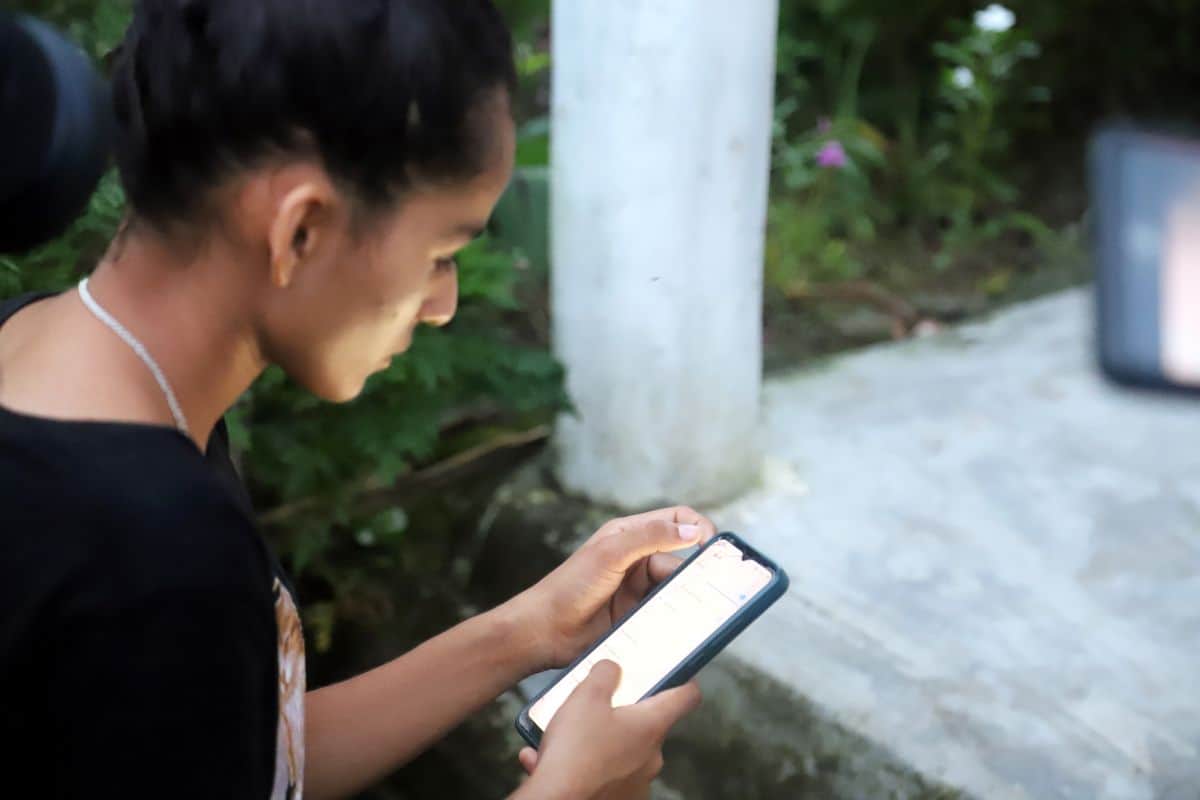
Regina using a mobile phone in Nepal to access online safety information.

Regina uses the Maya chatbot in Nepal to access information about online safety and trafficking risks. As more learning and social interactions move online, digital protection is part of keeping girls safe and in school. | Ā© Plan International / Naresh Newar

Support policies and programs that keep girls in school. Advocate for safe schools, digital safety and access to health services. Invest in systems that remove barriers, not just scholarships.

Progress is possible. But it requires continued commitment.

When girls learn, they gain the tools to claim their rights. And justice becomes more than a slogan.

When girls learn, women lead.

When women lead, communities move forward.

International Women’s Day highlights rights, justice and action. Sustained investment in girls’ education and protection is part of that action.

Girl Hero image

Ahead of International Women’s Day, Plan International USA calls for sustained investment in girls’ education

Justice for women begins with girls’ education

Washington, DC, Mar. 5, 2026 — Ahead of International Women’s Day on March 8, Plan International is calling for sustained investment in girls’ education as a powerful path to women’s equality and lasting justice.

Women’s equality does not begin in adulthood. It begins when girls have access to safe, quality education and the freedom to learn, grow and make decisions about their futures.

ā€œJustice for women starts with opportunity for girls,ā€ Shanna Marzilli, president and chief executive officer of Plan International USA, said. ā€œWhen girls are educated and protected, they grow into women who lead businesses, shape policy and strengthen their communities. That progress reflects years of investment and depends on continued support.ā€

Across many regions, gains for girls are real. More girls are completing secondary school than in previous generations, and fewer are marrying before age 18.

Findings from Plan International’s 18-year Real Choices, Real Lives study — which followed the same group of girls from birth to adulthood across nine countries — show what sustained investment can achieve. By age 18, nearly two-thirds of the girls were completing or had completed secondary school, compared to most of their mothers, who had little or no formal education. In addition, far fewer were married before age 18 than in their mothers’ generation.

Read the full Real Choices, Real Lives: Findings from 18 Years of a Global Study with Girls from Birth to Adulthood report.

Fragile progress

But the study also shows how fragile progress can be. Ninety-one percent of the girls reported experiencing violence by age 11. Many spent more than five hours each day cooking, cleaning and caring for siblings. That burden limits their time for school and leadership. Climate shocks, conflict and funding cuts threaten to undermine hard-won gains.

ā€œWhen girls stay in school and are safe from violence, their lives change,ā€ Marzilli said. ā€œSo do their communities. But equality does not sustain itself. Without consistent investment in education and protection, we risk reversing progress.ā€

Why girls’ education matters

The benefits of educating girls extend far beyond individual lives. Global research shows that closing gender gaps in workforce participation could increase global economic output by as much as 20 percent. Peace agreements are significantly more likely to last when women participate in negotiations. Women with education are more likely to earn income, participate in civic life and invest in the next generation. Communities are more resilient. Economies are stronger.

On International Women’s Day, Plan International calls on policymakers, donors, corporate partners and supporters to prioritize long-term investment in girls’ education and protection.

Equality requires more than recognition. It requires sustained action.

This year’s campaign highlights stories of girls who have become leaders in their communities, new findings from the Real Choices, Real Lives study and opportunities for supporters to advance girls’ education worldwide.

Learn more about Plan International’s International Women’s Day campaign.

We won’t stop until we are all equal.

Media contact

Vannette Tolbert
Senior Manager, Communications
Plan International USA
[email protected]
240.778.9077

About Plan International

Plan International is an international development and humanitarian nonprofit that advances children’s rights and equality for girls. Working together with children, young people, supporters and partners, Plan strives for a just world by tackling the root causes of challenges children face. With more than 85 years of experience, Plan works in more than 80 countries. We won’t stop until we are all equal.

International Day of the Girl stories
Plan International is deeply alarmed by the escalating military conflict in Iran and the Middle East, which puts children at grave risk.

Of particular concern are reports of attacks on educational facilities, including an elementary girls’ school in Minab, Hormozgan Province, in southern Iran. We are devastated by reports that at least 148 children have been killed and many others injured. Attacks on schools – and the killing and maiming of children – are two of the six grave violations of children’s rights in conflict and against international law.

Children always pay the highest price in armed conflict and wars; they must be protected at all times. Strikes and the use of explosive weapons in populated areas inevitably put innocent lives at risk.

We echo the urgent call by the UN Secretary-General for an immediate cessation of hostilities. It is critical that all parties exercise maximum restraint and strictly uphold their obligations under International Humanitarian Law. This includes the absolute protection of children, schools, hospitals and civilian infrastructure and all civilians.

Children should never be targets or casualties of war. Ever.

Note to Editors

While Plan International doesn’t have a country office in Iran, it does have a presence in Syria, Lebanon, Jordan and Egypt. It also supports partners to provide vital assistance to populations – particularly children, girls and young women – in the occupied Palestinian territory.ā€

For further information or interview requests, please contact:

MƩlina Froidure, Global Media Officer, Plan International
Email: [email protected]
Tel: +33685583513

About Plan International

Plan International is an international development and humanitarian nonprofit that advances children’s rights and equality for girls. Working together with children, young people, supporters and partners, we strive for a just world, tackling the root causes of challenges children face. We are there from birth until adulthood, and we support children to prepare for and respond to crises and adversity, while particularly focusing on the experiences of girls. With more than 85 years of experience, we work to transform lives in more than 80 countries. We won’t stop until we are all equal.

Iran Conflict

Search Results for:

Plan International works in more than 80 countries to tackle the root causes of poverty and inequalities that girls and their communities face. By working together, we can transform lives.

Most recent

All blogs

Leila Zak headshot

Plan International USA’s 2025 Annual Review highlights how evidence, accountability and girls’ leadership shaped our work in a complex global landscape.

From education and protection to humanitarian response and policy advocacy, this report shares the impact of programs that reached 49.2 million children worldwide, including 26.1 million girls, and outlines our financial performance for the year.

Cover for Plan International USA Annual Review 2025

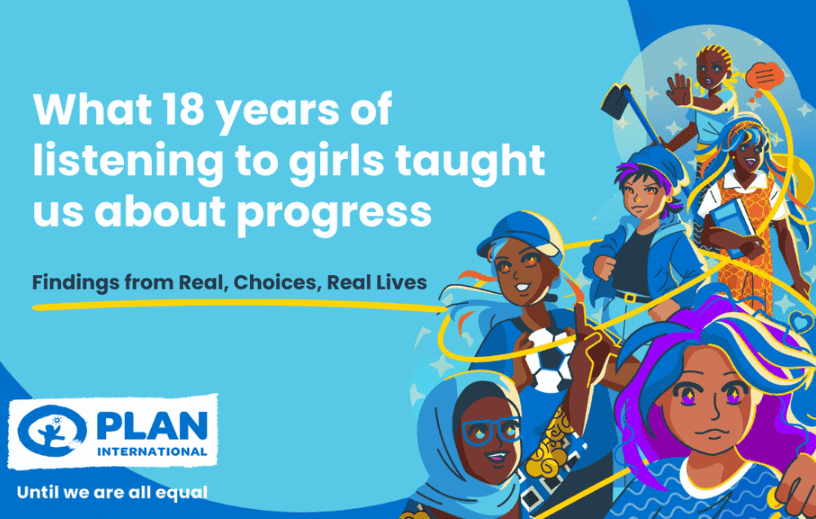
The Real Choices, Real Lives study followed the same group of girls from birth to adulthood across nine countries.

Washington, DC, Feb. 26, 2026 — An 18-year global study tracking the same group of girls from birth to adulthood finds they are staying in school longer and marrying later than their mothers, but widespread violence and climate pressures threaten that progress.

Plan International followed girls from birth in 2006 to age 18 in 2024. Researchers spoke with the girls and their caregivers every year. The study took place in nine countries across Africa, Asia and Latin America. It is the only long-term qualitative study to track the same group of girls for nearly two decades.

Read the full Real Choices, Real Lives: Findings from 18 Years of a Global Study with Girls from Birth to Adulthood report.

Progress across generations

The findings show clear change over time. By 2024, nearly two-thirds of the girls were completing or had completed secondary school. Nine percent had gone on to university. Most of their mothers had little or no formal education.

Fewer girls married before age 18 compared to the previous generation. Just over one in 10 girls in the study were married or in unions by age 18. Nearly half of their mothers had married that young.

Researchers note that this generational progress did not happen by chance. It reflects sustained investment in girls’ education, community engagement and policies that expand opportunity. Where schools were strengthened, families were supported and harmful norms were challenged, girls were more likely to complete secondary school and delay early marriage.

But the study warns that progress depends on continued support. Without consistent funding and protection for girls’ rights, hard-won gains can quickly stall or reverse.

Violence remains widespread

At the same time, serious challenges remain. Ninety-one percent of the girls reported experiencing violence by age 11. Many said violence affected their confidence, relationships and sense of safety. Online harassment is adding new risks.

Girls also carry a heavy workload at home. On average, they spent more than five hours a day cooking, cleaning and caring for siblings. Boys in their families were rarely expected to do the same. This leaves girls with less time for school, rest and leadership.

Climate and rising pressures

Climate change is making these pressures worse. Droughts, floods and failed harvests are pushing families deeper into poverty. When incomes drop, girls are more likely to miss school or take on more unpaid work at home.

In fragile contexts, including conflict-affected settings, girls are significantly more likely to drop out of school or be married before age 18. Economic shocks, displacement and funding cuts can quickly undo years of progress.

The report also points to growing efforts in some countries to limit girls’ access to education and sexual and reproductive health information. Funding cuts and restrictive policies can make it harder for girls to speak out or get the support they need.

Adolescence as a turning point

ā€œThe study showed adolescence to be an important turning point. This is often when freedoms shrink and expectations grow. Girls are asked to take on more work at home and, in some cases, give up school. When girls stay in school and are safe from violence, their lives change. So do their communities.ā€

— Keya Khandaker, research manager at Plan International

Throughout the study, many girls said they wanted careers in medicine, law, engineering, teaching and public service. Many were determined not to marry or have children too young.

Many said staying in school and being safe from violence were critical to their future, and that preventing violence against girls must be a shared responsibility.

ā€œGirls have made real progress because communities and partners have invested in them. That progress must be protected. Continued investment in girls’ education and safety is essential if we want these gains to last.ā€

— Shanna Marzilli, president and chief executive officer, Plan International USA

ā€œGovernments, NGOs and communities must listen to girls and place them at the center of decisions that shape their lives. If we fail to act now, we risk failing an entire generation of girls.ā€

— Reena Ghelani, chief executive officer, Plan International

Notes to editors

Real Choices, Real Lives is an 18-year longitudinal, qualitative study run by Plan International. The study followed 142 girls in Benin, Brazil, Cambodia, the Dominican Republic, El Salvador, the Philippines, Togo, Uganda and Vietnam from birth in 2006 until age 18 in 2024. Researchers conducted annual in-depth interviews with caregivers and the girls themselves, alongside participatory activities and household surveys.

The final global report synthesizes 18 years of evidence and provides new analysis on education, unpaid care work, health and wellbeing, sexual and reproductive health, child marriage, violence, climate change, agency, leadership and aspirations.

Media contact

Vannette Tolbert
Senior Manager, Communications
Plan International USA
[email protected]
240.778.9077

About Plan International

Plan International is an international development and humanitarian nonprofit that advances children’s rights and equality for girls. Working together with children, young people, supporters and partners, Plan strives for a just world by tackling the root causes of challenges children face. With more than 85 years of experience, Plan works in more than 80 countries. We won’t stop until we are all equal.

18-year global study shows girls are staying in school longer

For 18 years, Plan International followed 142 girls in nine countries from birth in 2006 to age 18 in 2024.

This final report shares what the girls told us about education, safety, health, unpaid care work, climate change, leadership and their hopes for the future.

It is one of the only long-term global studies to track the same group of girls from birth to adulthood. Their experiences offer rare insight into how gender norms, poverty, violence and climate pressures shape girls’ lives over time.

What we learned

Girls are staying in school longer than their mothers and setting higher goals for themselves. Many are challenging traditional expectations around marriage, work and leadership.

But progress toward gender equality is uneven and fragile.

Violence against girls remains widespread. Poverty continues to shape daily life. Climate change is increasing pressure on families and communities. In many places, backlash against girls’ rights is growing.

Adolescence emerged as a critical turning point. This is often when freedoms shrink, unpaid care work increases and girls face pressure to leave school or marry.

When girls are supported to stay in school, protected from violence and included in decisions that affect their lives, they thrive.

In their own words

Girls’ voices are at the heart of this report. Their experiences and recommendations shape the findings and point to what needs to change.

ā€œI want to be so many things. Maybe a psychologist, a doctor, a teacher or an accountant.ā€

Yulitza, 16, Peru

Explore the findings

The full report covers:

  • Education and school completion
  • Resisting gender norms
  • Unpaid care work and time poverty
  • Health and wellbeing
  • Sexual and reproductive health
  • Child, early and forced marriages and unions
  • Violence and protection
  • Climate change and food insecurity
  • Agency, leadership and participation
  • Aspirations and pathways to decent work
Cover for Real Choices, Real Lives Final Report
News & resources hero

News & resources

Stay up to date with the latest news from Plan International. Explore press releases, official statements, blog stories and research that reflect our work to advance children’s rights and equality for girls.

Our stories

Plan in the news & press releases

Media kit

Find background information about Plan International USA, including organizational facts, leadership bios and recent announcements.

Statements

Leila Zak headshot