Search Results

Search results for

0 result(s) found

Four years into the full-scale war in Ukraine, children remain at the center of one of the world’s most urgent and prolonged humanitarian crises. An estimated 10.8 million people in Ukraine require humanitarian assistance. For some children, this has meant spending the equivalent of nearly seven months of their lives sheltering underground as air-raid sirens echo across cities and towns.

What began in 2022 as an emergency response has become a long-term protection crisis affecting children across Ukraine and neighboring countries including Poland, Romania and Moldova. For many young people, this war has lasted nearly half their lives.

Four years on, the question is no longer only how to respond to an emergency. It is how to prevent lasting harm to an entire generation.

So what do children affected by the war in Ukraine need now?
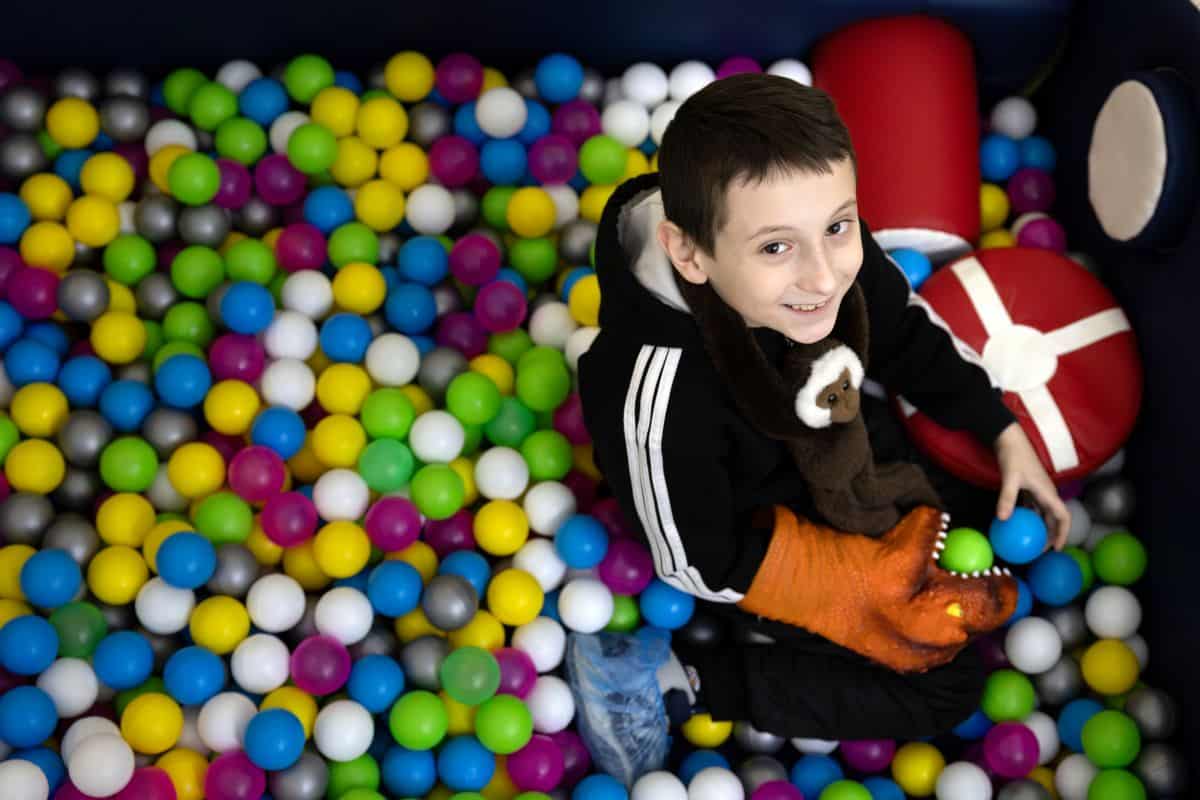
Damir, 8, plays in a ball pool at a child-friendly space in Kropyvnytskyi, Ukraine.

Damir, 8, plays in a ball pool at a child-friendly space in Kropyvnytskyi, Ukraine, supported by Plan International and local partner Slavic Heart. Weekly art therapy sessions help children manage fear and stress linked to the war. | Ā© Plan International / Mirja Vogel

1. Mental health support is essential, not optional

Eight-year-old Damir has lived with night terrors for much of his childhood. He wakes suddenly, unsure whether the walls around him are his bedroom or the echoes of explosions from his dreams.

At a child-friendly space in central Ukraine, a crisis psychologist asked him to draw what fear looked like. Through weekly art therapy sessions, Damir began to understand what he was feeling. His sleep slowly improved. His anxiety eased. He started speaking more openly with his mother and reconnecting with other children.

ā€œI’m really good at Karate,ā€ he now says, steady and proud.

Damir’s story reflects a broader reality. After four years of war in Ukraine, many children are experiencing persistent fear, difficulty concentrating, withdrawal and memory challenges.

Many adolescents report that school exams now feel more stressful than air-raid sirens.

Without access to sustained mental health and psychosocial support, trauma does not simply fade. It affects how children learn, build relationships and imagine their futures.

Safe spaces where children can play, talk and process their experiences are critical to protecting their well-being.
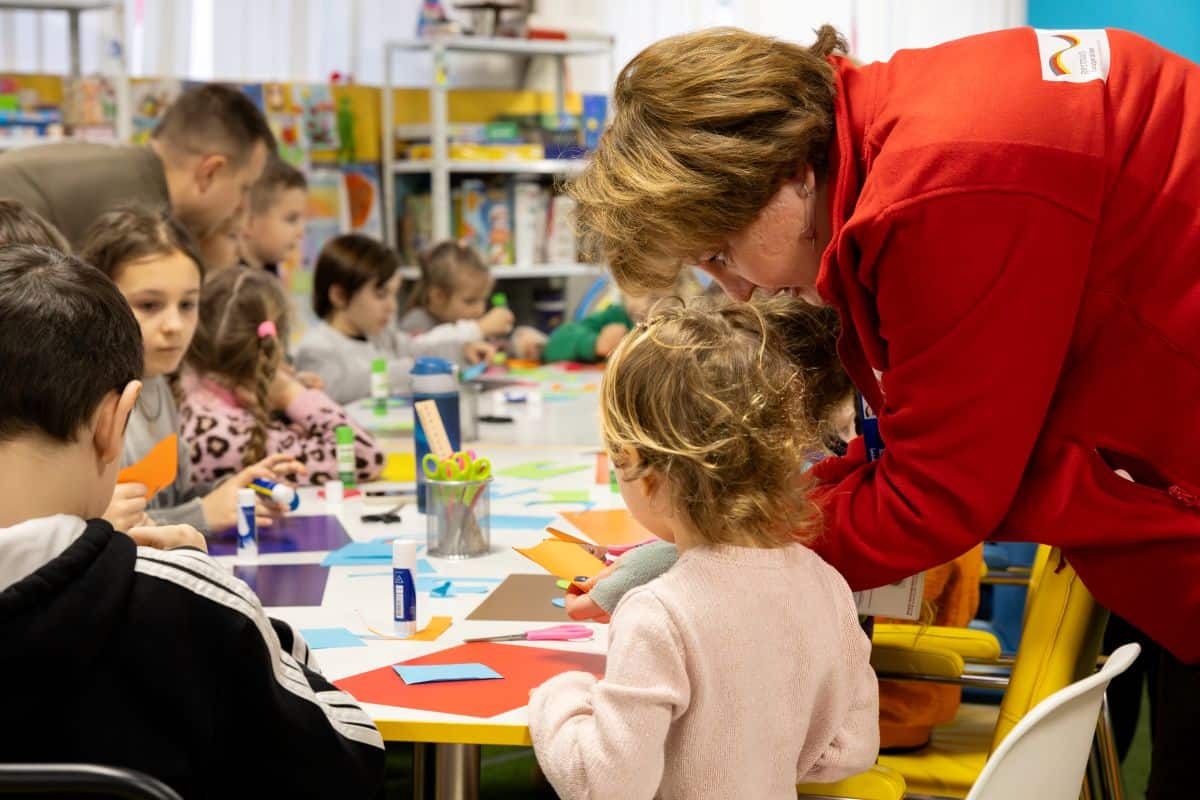
Children participate in arts and crafts activities at a child-friendly space in Kropyvnytskyi, Ukraine.

Children participate in arts and crafts activities at a child-friendly space in Kropyvnytskyi, Ukraine. The center provides daily programming, therapy sessions and learning support to help children cope with prolonged conflict. | Ā© Plan International / Mirja Vogel

2. Education must continue, even in crisis

Children in Ukraine are still going to school, but not in the way most of us would recognize.

More than 10 percent of education infrastructure has been damaged or destroyed. Many classes take place underground. Others rely on online learning. Some young children have never experienced consistent early childhood education.

Education in emergencies is about more than academics. It provides routine. It offers stability. It connects children to trusted adults who can recognize early signs of distress. It creates safer environments that reduce risks of exploitation and violence.

Four years of disrupted learning have already widened educational gaps. Without sustained investment in safe learning spaces, teacher support and psychosocial services in schools, the consequences could last well beyond the current conflict.

For children affected by the war in Ukraine, education is a pathway to recovery and to the country’s future.
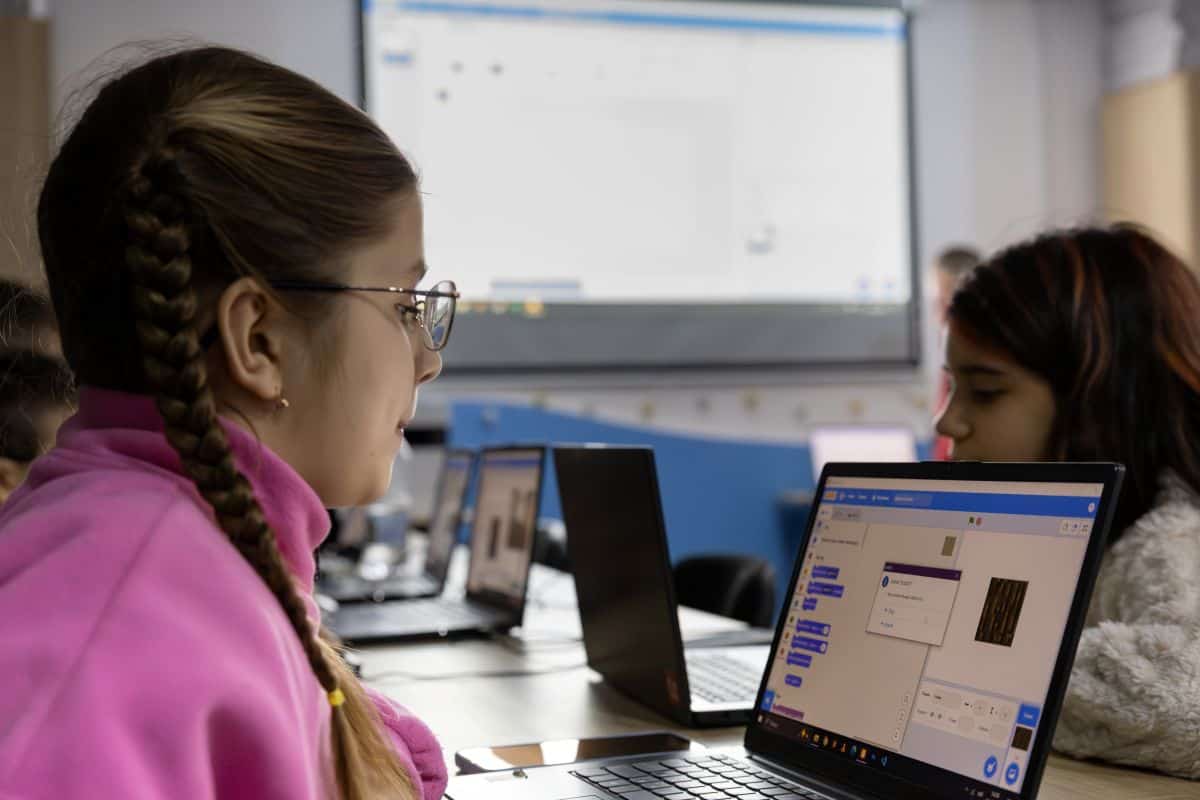
Girls participate in computer classes at a child-friendly space in Kropyvnytskyi, Ukraine.

Girls participate in computer classes at a child-friendly space in Kropyvnytskyi, Ukraine. Access to safe learning environments helps children maintain routines and continue building skills during the war. | Ā© Plan International / Mirja Vogel

3. Parents and caregivers need support, too

Children do not carry this crisis alone.

Parents and caregivers are living with displacement, economic instability, grief and uncertainty. One in three children has experienced a close friend or family member killed or injured.

When caregivers are overwhelmed, children feel it immediately. When caregivers are supported, children often mirror that resilience.

Parenting sessions, psychosocial support groups and community networks may not always make headlines. But they reduce stress within households, strengthen communication and help protect children from further harm.

Supporting children in Ukraine means strengthening the families around them.

4. Protection services must be sustained across Ukraine and Eastern Europe

The war in Ukraine has created ripple effects across Eastern Europe. Millions of refugees have sought safety in neighboring countries including Poland, Romania and Moldova.

Protection services including child protection, prevention of gender-based violence and access to health care remain essential across the region. As displacement continues and global funding pressures increase, protection risks grow.

Without sustained humanitarian engagement, children lose access to safe spaces. Survivors lose access to care. Gaps in protection widen.

The crisis has shifted from short-term emergency response to preventing long-term harm.

5. Continued funding is critical

Despite the scale of need, funding constraints and access challenges mean only a portion of those requiring assistance can be reached.

Global aid reductions have forced many humanitarian organizations to scale back services. Yet needs remain high.

Four years of war in Ukraine have meant displacement, interrupted education, unsafe shelter, family separation and sustained psychological stress.

Preventing further harm requires predictable, long-term investment in:

— Mental health and psychosocial support

— Education in emergencies

— Child protection systems

— Prevention of gender-based violence

— Support for caregivers and youth engagement

Children in Ukraine deserve more than survival. They deserve stability, dignity and the opportunity to heal.

How Plan International is responding

Since 2022, Plan International has worked alongside local partners in Ukraine and neighboring countries to support children and families affected by the war.

Through a partner-led model that prioritizes local leadership, Plan International has reached more than 1.7 million people across Ukraine, Poland, Romania and Moldova through programs focused on protection, mental health and psychosocial support, education in emergencies and prevention of gender-based violence.

The majority of funding has been directed to local organizations that understand their communities and can respond quickly and sustainably. Child-friendly spaces, parenting programs, youth initiatives and safe learning environments are part of a long-term effort to strengthen resilience and reduce harm.

As the war in Ukraine continues, the focus remains clear — protect children now while investing in their future.

Four years into the full-scale war in Ukraine, children are still adapting to a reality no child should have to navigate. But adaptation is not the same as recovery.

Without sustained investment, the impact will last far beyond the war.

Children in Ukraine and across Eastern Europe deserve the chance to grow, learn and rebuild their lives.
February is Donor Love Month at Plan International. It’s our time to celebrate you!

Every day, you bring hope, opportunity and joy to the children and young people who need it most. To show our appreciation, our team created a short thank you video just for you.

How your support makes a difference

Your kindness shapes real change around the world. Here are just a few of the ways you have made a difference for girls and young people.

You helped girls like Fatmata to learn and grow

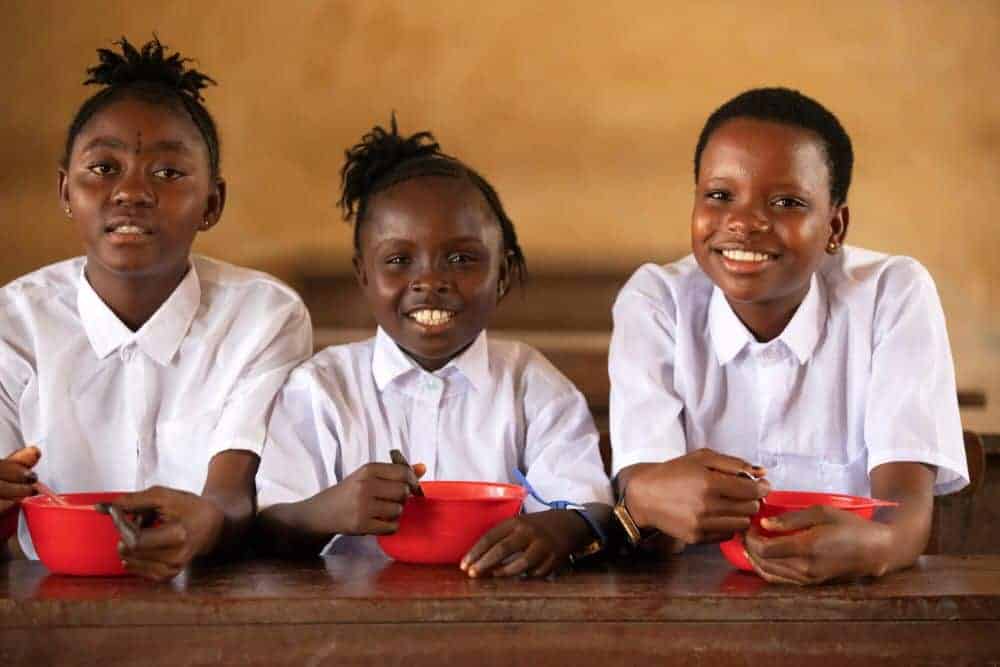
With your support, school feeding programs reached more than one million children, including 11-year-old Fatmata from Sierra Leone.

ā€œNow, when I come to school, I know I will eat,ā€ Fatmata says. ā€œI don’t worry about food anymore. Now, I worry about passing my exams.ā€

Three young schoolgirls
Fatmata (right) can concentrate on her education thanks to a school meal program in Sierra Leone. | Ā© Plan International

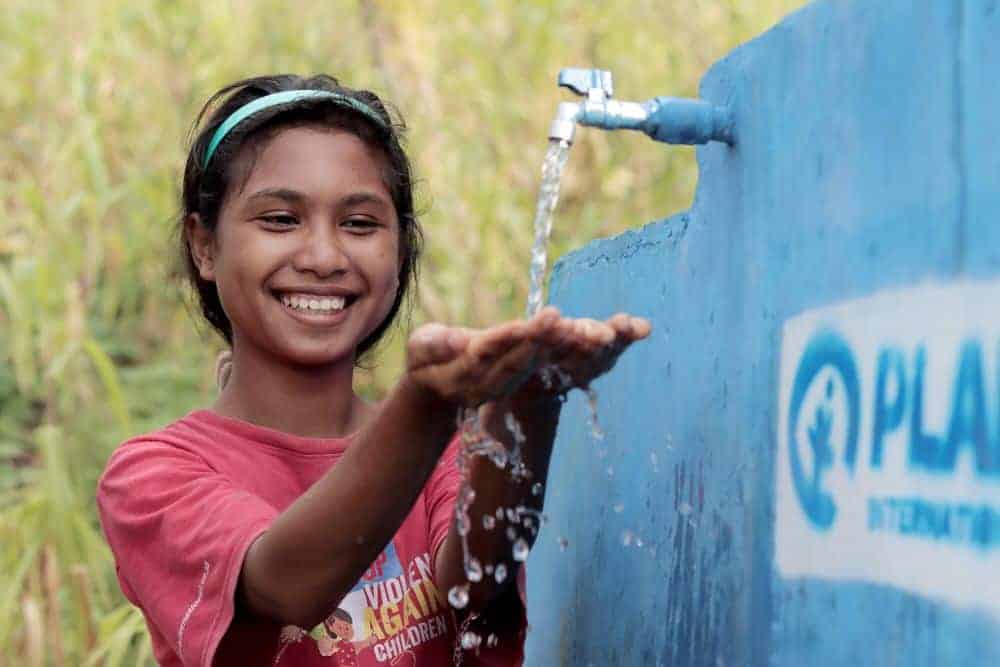
You brought clean water to Eci’s village

Eci, 14, used to spend every morning carrying water from the river to her home, hiking a dangerous path and often arriving late to school. ButĀ with your support,Ā Plan built the infrastructure to help bring clean water to her village in Indonesia.

ā€œNow, in the mornings, I’m never late, and the teachers don’t ask us to bring water to school anymore,ā€ Eci shares.

Eci is able to get to school on time now that she doesn’t have to spend time collecting water each morning
Eci no longer faces dangerous walks to the river to collect water for her family. | Ā© Plan International

You created ripples that last for generations

Former Plan International sponsored child Nancy knows from experience how a child can transform when they feel supported and valued. The encouragement she received from her sponsor gave her the confidence to pursue her dreams.

Today, Nancy teaches at a Plan-supported early childhood development center in the Chalatenango region.

"Perhaps life placed this project of caring for young children in my hands to give back what I received in my childhood," Nancy reflects.

As an educator, Nancy feels she can give back the support she received as a child. | Ā© Plan International

Watch Nancy’s storyĀ here.

Thank you

Because of you, more children, especially girls, and young people are free to learn, lead, decide and thrive. From all of us at Plan International — thank you for believing in every child’s potential. Together, we won’t stop until we are all equal.

Three young schoolgirls

Search Results for:

Plan International advances children’s rights and equality for girls worldwide. Find key facts, leadership contacts and approved media assets to support your reporting.

children reached globally
0 M
countries where we work
0 +
partnerships with local organizations
0 K

About Plan International

Plan International works with children and young people to advance children’s rights and equality for girls. With more than 85 years of experience, we work in over 80 countries to tackle the root causes of the challenges children face.

About Plan International USA

Plan International USA is the U.S. member of the global organization. Headquartered in Providence, Rhode Island with an office in Washington, D.C., we mobilize resources and partnerships to support global programs and advance equality for girls.

Media resources

Leadership

Access biographies and executive leadership information for Plan International USA.

Press releases

Read the latest press releases and official announcements.

Annual report

Explore Plan International USA’s latest annual report, including impact highlights and financial information.

Logos

Download approved Plan International logos. Logos must not be altered or used in a way that implies endorsement without prior approval.

High-resolution photography

Access approved high-resolution images for editorial use. All images must be credited to Plan International.

Media inquiries

For interview requests or background information, contact:

Maria Holsopple
Sr. Director, Strategic Communications
[email protected]
+1.540.383.3628

Ā 

Media kit hero

Every day, Valeria puts on her white lab coat and heads into the microbiology lab at a seafood processing facility near her home in Santa Elena, Ecuador. She works to make sure food is safe and meets quality standards. It is important work grounded in science, focus and care. But this career path did not always feel possible.

Growing up in a rural community on Ecuador’s coast, Valeria asked big questions.

Why do plants grow the way they do?

How does the body heal?

What is happening inside the cells we cannot see?

Biology gave her a way to understand the world and imagine her future. Still, staying in school was not guaranteed. Financial challenges and social expectations placed on girls often push education out of reach. At times, Valeria did not know if she would be able to keep going. That changed when she received a scholarship through Plan International. It covered essentials like transport and supplies and eased the pressure so she could stay focused on her studies.

ā€œFor me, being part of the University Scholarship Project was a true miracle. Without that support, I would not have been able to finish my studies, or perhaps I would not even have entered university.ā€

Valeria, 27, Ecuador

Valeria worked hard. Late nights studying. Balancing school with part-time jobs. Navigating demanding courses like organic chemistry. She sometimes felt out of place next to classmates with more resources, but she never let go of her goal.

Along the way, she discovered something that clicked: microbiology. The idea that tiny organisms could shape the safety of our food fascinated her. That interest became her path.

Valeria examines a sample at a microbiology facility in Santa Elena, Ecuador

Valeria, 27, examines a sample at a microbiology facility in Santa Elena, Ecuador, where she works to help ensure food safety. She completed her degree with support from a Plan International scholarship, becoming the first college graduate in her family. Ā© Plan International

After years of determination, Valeria became the first college graduate in her family. Now, at 27, she supports not only herself but also her siblings and her mother. She is especially close with her grandmother, who raised her with values of strength and perseverance.

And she is not stopping here. Valeria hopes to continue studying and growing in her field. She wants to build her own home one day, and she is already encouraging younger relatives to pursue education too.

ā€œAs I am the first professional in the family, I feel I must encourage my cousins to pursue a career, because education is the best thing you can receive.ā€

Valeria, 27, Ecuador

Valeria’s story shows what becomes possible when girls have the chance to stay in school and follow their passions. Around the world, many girls still face barriers to finishing school and pursuing careers in science. When girls are encouraged to keep learning and dreaming, they become leaders, innovators and changemakers in their communities.

On this International Day of Women and Girls in Science, Valeria shows what it looks like when curiosity meets opportunity and why supporting girls’ education matters now and for the future.

Valerias-banner image

ā€œWomen and girls’ empowerment is rooted in sustainable access to skills and decent work.ā€ This is a mantra repeated in textbooks and lectures. But I didn’t realize how true it was until I joined Plan’s Youth Advisory Board and saw the impact for myself.

As a member of Plan International USA’s Youth Advisory Board and a student studying political science and global studies, I found myself at the crossroads of merging these aspects of my life into a meaningful experience last summer. I set out to document the female-led changes to increase employment and reduce poverty facilitated by Plan and other organizations in Jordan and Bangladesh.

I first embarked on my journey starting in Dhaka, Bangladesh, where I interned for Grameen Bank, a Nobel Peace Prize-winning microfinance development bank that provides collateral-free loans to villagers, supporting more than ten million people, 97% of whom are women. Through monitoring loans, reviewing credit accounts, and conducting a case study in my mother’s district of Sylhet, I learned about the growing role of women as both primary earners and decision-makers.

Grameen Bank Bangladesh in Sylhet disbursing loans to female entrepreneurs in Jaintapur Village


Learning leadership through access to finance

Many of the women I interviewed shared how they never learned how to read or write until trying to open a bank account, where they spent more than two weeks learning how to write their name to sign onto their first loan.

Fast-forward twenty years, and these same women now hold positions as deputy mayors or village representatives. They serve as role models for their daughters by helping build the first high schools in their communities.

Women also pool resources together to lend funds as a group and invest in vocational training and technology literacy programs, including initiatives supported by Plan International Bangladesh at the Youth Learning Centre. Girls are creating jobs, agency, and access through resources communities work together to provide.


Seeing generational change firsthand

I was stunned by the unbridled progress rural women had made compared to when my mother had left. Surely this must have been a ruse.

Thankfully, I was proven wrong when I encountered the She Leads program run by the Jordan River Foundation in partnership with Plan International Jordan.


Youth-led change through the Girl Engage approach

Embodying the Girl Engage approach, local youth volunteers — many my age and in university or high school — facilitate workshops that raise awareness of domestic and online gender-based violence while building skills around boundary-setting and decision-making.

They worked with girls and boys as young as five, as well as mothers and grandmothers, using expressive arts and community-led initiatives to destigmatize these issues and move forward together.

Children participate in an expressive arts session through She Leads in Jordan

These youth leaders went on to create a website and podcast highlighting entrepreneurial projects and workforce readiness programs for women across Jordan, fully owning tools made possible through Plan-supported spaces.


What these experiences mean for the next generation

Although She Leads in Amman concluded in September 2025, its impact continues to resonate. The passion these young people bring to advancing girls’ leadership transcends generations and language. They are united by one shared aim: to teach, protect, and equip girls to go beyond their goals.

Art-based therapy and advocacy session through She Leads in Amman, Jordan

As part of the Plan USA Youth Advisory Board and in preparation for the

Youth Leadership Academy 2026, I hope to carry forward even a fraction of what these women and girls have taught me to the next generation of changemakers and leaders in Washington, D.C.


About the author

Saudah is a member of Plan International USA’s Youth Advisory Board and a junior at the University of North Carolina at Chapel Hill.

Read more about Saudah.

Reflections-of-a-Global-Plan-Community Image

Part 2 of a photo essay series on access to education in Latin America

Photos by Chris de Bode for Plan International

In many communities, the path to education is shaped by fear, distance and gendered expectations. For girls, the risks can include harassment, violence and pressure to leave school early. For boys, economic demands often pull them out of the classroom long before they are ready.

This second installment of School Matters shares four stories from Ecuador, Peru and Bolivia that show how safety, gender and poverty continue to shape who gets to learn and who is left behind.


Fear on the walk to school in Ecuador

Erika walks along a road on her way to school in Ecuador

Erika, 12, walks to school in Ecuador where concerns about safety shape her daily routine. Ā© Chris de Bode / Plan International

For 12-year-old Erika, the walk to school carries a constant sense of fear. Sexual violence in and around schools is widespread in her community, and her parents worry every day about her safety.

ā€œA motorcycle followed me. The driver cut me off and tried to grab me. It was really scary.ā€

Erika, 12, Ecuador

Her father believes schools must do more to protect children and provide education about consent and safety. Erika wants to continue studying. Her family wants her to stay safe.


Bridging the learning gap in Peru

Alicia, 12, attends an all-girls secondary school in Peru after struggling with gaps in her early education. Ā© Chris de Bode / Plan International

At 12, Alicia is working to catch up on lessons she never fully learned in primary school. The transition to secondary education has been difficult, especially in mathematics, where the foundation was never firmly built.

ā€œI didn’t know how to multiply or divide, or even about odd numbers.ā€

Alicia, 12, Peru

With support from her older sister, who now attends university, Alicia studies every evening. Her goal is clear and steady: she wants to continue learning and follow the same path.


Pursuing dreams despite daily risks in Peru

Violeta, 11, travels to school in Peru where safety concerns are part of her daily routine. Ā© Chris de Bode / Plan International

Eleven-year-old Violeta dreams of becoming a ballerina. School is a place of joy and belonging for her, but the journey to get there is often unsafe.

ā€œSometimes there are drunk people on the road. When I don’t walk with my brother, they try to harass girls like me.ā€

Violeta, 11, Peru

Despite the risks, Violeta keeps going. Education remains her safe space, even when the path to reach it is not.


Balancing work and school in Bolivia

Miguel works in the fields after returning home from boarding school in Bolivia

Miguel, 15, balances school and farm work in Bolivia to support his education. Ā© Chris de Bode / Plan International

In Bolivia, boys are often expected to work long before they finish school. Miguel, 15, lives at a boarding school during the week and returns home on weekends to earn money in the fields.

ā€œI use all of it for food and school supplies. I have to look after myself.ā€

Miguel, 15, Bolivia

His goal is simple and far-reaching. He wants to finish school and earn a diploma, even as economic pressure threatens to pull him away.


Why these stories matter

Safety concerns, learning gaps and economic pressure continue to shape who can stay in school across Latin America. When education systems fail to protect and support children, the risks fall hardest on girls and on families already living with limited resources.

These stories show that access to education is not just about classrooms. It is about safety, dignity and the ability for every child to learn without fear.


About the Global Partnership for Education

The Global Partnership for Education is the world’s largest multi-stakeholder fund and partnership dedicated to transforming education systems in lower-income countries. For nearly two decades, GPE has brought together governments, civil society, teachers, youth, the private sector and philanthropy to expand inclusive, quality education for every child.

GPE supports countries to strengthen education systems, mobilize domestic financing, improve equity and efficiency and deliver lasting systemwide change. Its 2026–2030 Case for Investment calls for urgent, sustained financing to close the global education funding gap and ensure every child, especially every girl, can learn and thrive.

About the project

The Safe Horizons: Andean Alliance for Disaster-Resilient Education project is funded by ECHO and implemented by Plan International in Bolivia, Peru, Ecuador and Colombia. The initiative helps children and young people safely access education and succeed in school and beyond.

About Chris de Bode

Chris de Bode is an international award-winning documentary photographer and film director. He has worked in more than 90 countries, focusing on humanitarian and social issues.

School-Matters Image

Part 1 of a photo essay series on access to education in Latin America

Photos by Chris de Bode for Plan International

Around the world, children are traveling farther, risking more and overcoming greater obstacles for the chance to learn. In Latin America alone, students cross floodwaters, walk unsafe roads and study in classrooms at risk of collapse. These stories reflect the wider pressures facing education globally and the urgency behind investments that build resilient, inclusive learning environments.

This first installment of School Matters highlights four stories from Bolivia and Peru that show what it takes for children and families to stay connected to education.


Holding a family together through education in Bolivia

Dalita stands with her children outside their home in Bolivia

Dalita, 37, is raising her children alone in Bolivia while working long hours to keep them in school. Ā© Chris de Bode / Plan International

In the Tarija region of Bolivia, Dalita wakes before sunrise to open her small shop. A single mother, she works from early morning until late at night to afford school supplies, uniforms and transportation for her children.

ā€œI’m not the kind of mom who gives up. I would sacrifice anything for them just to make sure they can stay in school.ā€

Dalita, 37, Bolivia

Despite rising costs and uncertainty, Dalita remains determined that her children will continue their education.


A boarding school as the only option for sisters in rural Bolivia

Sisters Carla and Janet stand inside their boarding school dormitory in Bolivia

Carla, 14, and Janet, 12, attend a boarding school in Bolivia because there is no nearby secondary school in their community. Ā© Chris de Bode / Plan International

In rural Bolivia, sisters Carla and Janet attend a boarding school far from home because daily travel is too long and too expensive. After their mother died, Carla left school for two years to care for her family before returning through the boarding program.

ā€œBecause meals are included and we don’t have to travel every day, boarding school is more affordable.ā€

Carla, 14, Bolivia

While separation from family is difficult, the school allows both girls to stay enrolled and continue learning.


Traveling hours to reach a quality school in Peru

Yulitza sits on a motorbike used to travel to school in Peru

Yulitza, 16, travels more than an hour each way by motorbike to attend a secondary school in Peru. Ā© Chris de Bode / Plan International

In Peru, Yulitza chose to attend a secondary school farther from home because nearby schools lacked teachers and consistent instruction. The daily journey is long and unreliable, with frequent breakdowns that sometimes force her to turn back.

ā€œI want to be so many things. Maybe a psychologist, a doctor, a teacher or an accountant.ā€

Yulitza, 16, Peru

Despite financial pressure and doubts from her family, Yulitza remains committed to finishing school.


When schools are not built for every child

Gael stands outside his school in Bolivia, navigating uneven ground

Gael, 6, attends a school in Bolivia that lacks ramps and accessible toilets. Ā© Chris de Bode / Plan International

Six-year-old Gael has begun walking after previously relying on a wheelchair. Inside his school, the lack of ramps and accessible bathrooms turns everyday routines into obstacles.

ā€œI wish there were ramps. I can’t go to the toilet by myself.ā€

Gael, 6, Bolivia

Why these stories matter

These children’s daily struggles reflect a global picture. Education systems around the world are under unprecedented strain. More than 270 million children and young people are out of school and education faces a US$97 billion annual funding gap.

When systems weaken, girls face the steepest consequences, including higher risks of child marriage, early pregnancy and gender-based violence. Education remains one of the most powerful investments a society can make. It strengthens health outcomes, economic stability and long-term peace.


About the Global Partnership for Education

The Global Partnership for Education is the world’s largest multi-stakeholder fund and partnership dedicated to transforming education systems in lower-income countries. For nearly two decades, GPE has brought together governments, civil society, teachers, youth, the private sector and philanthropy to expand inclusive, quality education for every child.

GPE supports countries to strengthen education systems, mobilize domestic financing, improve equity and efficiency and deliver lasting systemwide change. Its 2026–2030 Case for Investment calls for urgent, sustained financing to close the global education funding gap and ensure every child, especially every girl, can learn and thrive.

About the project

The Safe Horizons: Andean Alliance for Disaster-Resilient Education project is funded by ECHO and implemented by Plan International in Bolivia, Peru, Ecuador and Colombia. The initiative helps children and young people safely access education and succeed in school and beyond.

About Chris de Bode

Chris de Bode is an international award-winning documentary photographer and film director. He has worked in more than 90 countries, focusing on humanitarian and social issues.

Carla, 14, and Janet, 12, attend a boarding school in Bolivia