Search Results

Search results for

0 result(s) found

Search Results for:

Plan International works in more than 80 countries to tackle the root causes of poverty and inequalities that girls and their communities face. By working together, we can transform lives.

Most recent

All blogs

Frank Manfredi headshot

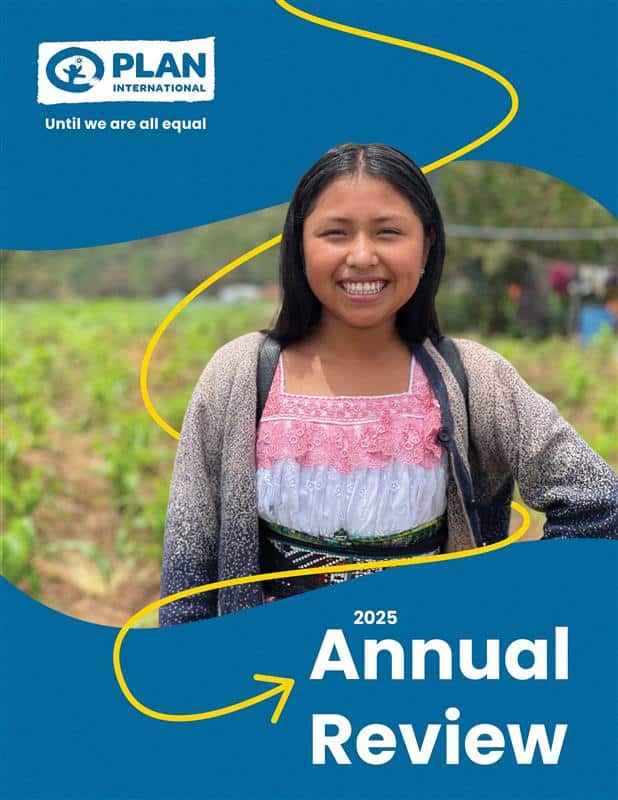
Plan International USA’s 2025 Annual Review highlights how evidence, accountability and girls’ leadership shaped our work in a complex global landscape.

From education and protection to humanitarian response and policy advocacy, this report shares the impact of programs that reached 49.2 million children worldwide, including 26.1 million girls, and outlines our financial performance for the year.

Cover for Plan International USA Annual Review 2025

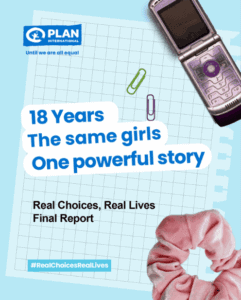
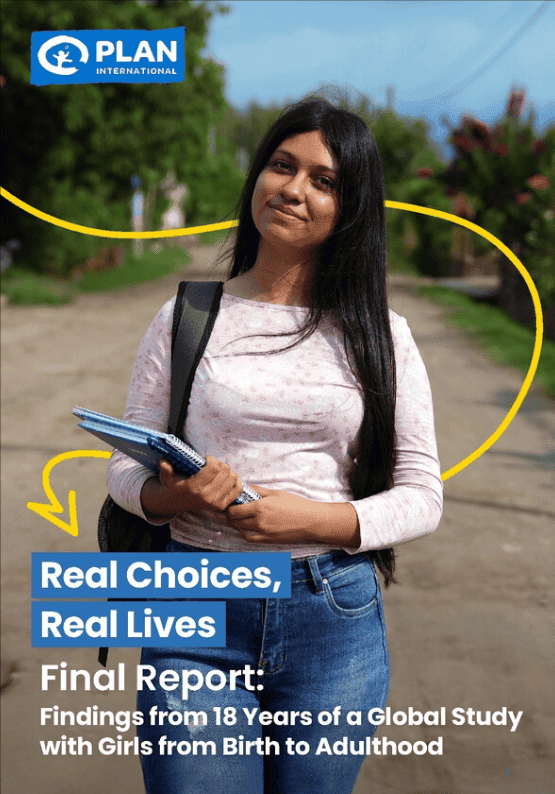
The Real Choices, Real Lives study followed the same group of girls from birth to adulthood across nine countries.

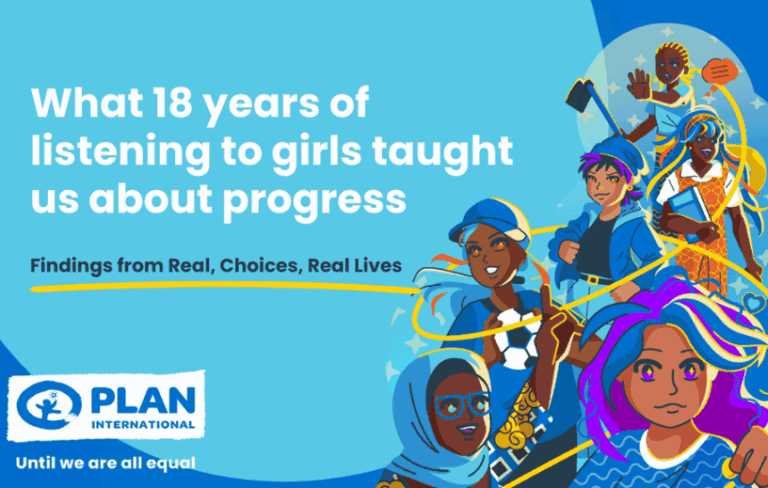
Washington, DC, Feb. 26, 2026 — An 18-year global study tracking the same group of girls from birth to adulthood finds they are staying in school longer and marrying later than their mothers, but widespread violence and climate pressures threaten that progress.

Plan International followed girls from birth in 2006 to age 18 in 2024. Researchers spoke with the girls and their caregivers every year. The study took place in nine countries across Africa, Asia and Latin America. It is the only long-term qualitative study to track the same group of girls for nearly two decades.

Read the full Real Choices, Real Lives: Findings from 18 Years of a Global Study with Girls from Birth to Adulthood report.

Progress across generations

The findings show clear change over time. By 2024, nearly two-thirds of the girls were completing or had completed secondary school. Nine percent had gone on to university. Most of their mothers had little or no formal education.

Fewer girls married before age 18 compared to the previous generation. Just over one in 10 girls in the study were married or in unions by age 18. Nearly half of their mothers had married that young.

Researchers note that this generational progress did not happen by chance. It reflects sustained investment in girls’ education, community engagement and policies that expand opportunity. Where schools were strengthened, families were supported and harmful norms were challenged, girls were more likely to complete secondary school and delay early marriage.

But the study warns that progress depends on continued support. Without consistent funding and protection for girls’ rights, hard-won gains can quickly stall or reverse.

Violence remains widespread

At the same time, serious challenges remain. Ninety-one percent of the girls reported experiencing violence by age 11. Many said violence affected their confidence, relationships and sense of safety. Online harassment is adding new risks.

Girls also carry a heavy workload at home. On average, they spent more than five hours a day cooking, cleaning and caring for siblings. Boys in their families were rarely expected to do the same. This leaves girls with less time for school, rest and leadership.

Climate and rising pressures

Climate change is making these pressures worse. Droughts, floods and failed harvests are pushing families deeper into poverty. When incomes drop, girls are more likely to miss school or take on more unpaid work at home.

In fragile contexts, including conflict-affected settings, girls are significantly more likely to drop out of school or be married before age 18. Economic shocks, displacement and funding cuts can quickly undo years of progress.

The report also points to growing efforts in some countries to limit girls’ access to education and sexual and reproductive health information. Funding cuts and restrictive policies can make it harder for girls to speak out or get the support they need.

Adolescence as a turning point

ā€œThe study showed adolescence to be an important turning point. This is often when freedoms shrink and expectations grow. Girls are asked to take on more work at home and, in some cases, give up school. When girls stay in school and are safe from violence, their lives change. So do their communities.ā€

— Keya Khandaker, research manager at Plan International

Throughout the study, many girls said they wanted careers in medicine, law, engineering, teaching and public service. Many were determined not to marry or have children too young.

Many said staying in school and being safe from violence were critical to their future, and that preventing violence against girls must be a shared responsibility.

ā€œGirls have made real progress because communities and partners have invested in them. That progress must be protected. Continued investment in girls’ education and safety is essential if we want these gains to last.ā€

— Shanna Marzilli, president and chief executive officer, Plan International USA

ā€œGovernments, NGOs and communities must listen to girls and place them at the center of decisions that shape their lives. If we fail to act now, we risk failing an entire generation of girls.ā€

— Reena Ghelani, chief executive officer, Plan International

Notes to editors

Real Choices, Real Lives is an 18-year longitudinal, qualitative study run by Plan International. The study followed 142 girls in Benin, Brazil, Cambodia, the Dominican Republic, El Salvador, the Philippines, Togo, Uganda and Vietnam from birth in 2006 until age 18 in 2024. Researchers conducted annual in-depth interviews with caregivers and the girls themselves, alongside participatory activities and household surveys.

The final global report synthesizes 18 years of evidence and provides new analysis on education, unpaid care work, health and wellbeing, sexual and reproductive health, child marriage, violence, climate change, agency, leadership and aspirations.

Media contact

Vannette Tolbert
Senior Manager, Communications
Plan International USA
[email protected]
240.778.9077

About Plan International

Plan International is an international development and humanitarian nonprofit that advances children’s rights and equality for girls. Working together with children, young people, supporters and partners, Plan strives for a just world by tackling the root causes of challenges children face. With more than 85 years of experience, Plan works in more than 80 countries. We won’t stop until we are all equal.

18-year global study shows girls are staying in school longer

For 18 years, Plan International followed 142 girls in nine countries from birth in 2006 to age 18 in 2024.

This final report shares what the girls told us about education, safety, health, unpaid care work, climate change, leadership and their hopes for the future.

It is one of the only long-term global studies to track the same group of girls from birth to adulthood. Their experiences offer rare insight into how gender norms, poverty, violence and climate pressures shape girls’ lives over time.

What we learned

Girls are staying in school longer than their mothers and setting higher goals for themselves. Many are challenging traditional expectations around marriage, work and leadership.

But progress toward gender equality is uneven and fragile.

Violence against girls remains widespread. Poverty continues to shape daily life. Climate change is increasing pressure on families and communities. In many places, backlash against girls’ rights is growing.

Adolescence emerged as a critical turning point. This is often when freedoms shrink, unpaid care work increases and girls face pressure to leave school or marry.

When girls are supported to stay in school, protected from violence and included in decisions that affect their lives, they thrive.

In their own words

Girls’ voices are at the heart of this report. Their experiences and recommendations shape the findings and point to what needs to change.

ā€œI want to be so many things. Maybe a psychologist, a doctor, a teacher or an accountant.ā€

Yulitza, 16, Peru

Explore the findings

The full report covers:

  • Education and school completion
  • Resisting gender norms
  • Unpaid care work and time poverty
  • Health and wellbeing
  • Sexual and reproductive health
  • Child, early and forced marriages and unions
  • Violence and protection
  • Climate change and food insecurity
  • Agency, leadership and participation
  • Aspirations and pathways to decent work
Cover for Real Choices, Real Lives Final Report
News & resources hero

News & resources

Stay up to date with the latest news from Plan International. Explore press releases, official statements, blog stories and research that reflect our work to advance children’s rights and equality for girls.

Our stories

Plan in the news & press releases

Media kit

Find background information about Plan International USA, including organizational facts, leadership bios and recent announcements.

Statements

Frank Manfredi headshot

Four years into the full-scale war in Ukraine, children remain at the center of one of the world’s most urgent and prolonged humanitarian crises. An estimated 10.8 million people in Ukraine require humanitarian assistance. For some children, this has meant spending the equivalent of nearly seven months of their lives sheltering underground as air-raid sirens echo across cities and towns.

What began in 2022 as an emergency response has become a long-term protection crisis affecting children across Ukraine and neighboring countries including Poland, Romania and Moldova. For many young people, this war has lasted nearly half their lives.

Four years on, the question is no longer only how to respond to an emergency. It is how to prevent lasting harm to an entire generation.

So what do children affected by the war in Ukraine need now?
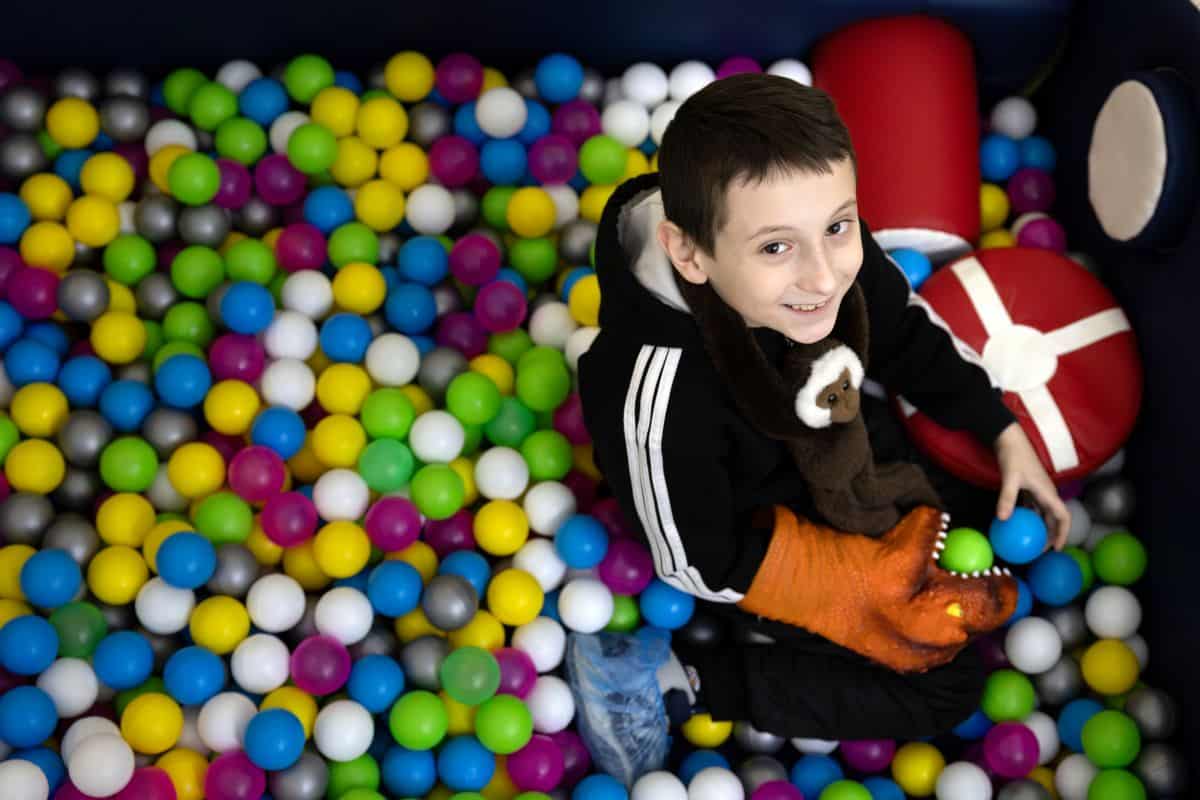
Damir, 8, plays in a ball pool at a child-friendly space in Kropyvnytskyi, Ukraine.

Damir, 8, plays in a ball pool at a child-friendly space in Kropyvnytskyi, Ukraine, supported by Plan International and local partner Slavic Heart. Weekly art therapy sessions help children manage fear and stress linked to the war. | Ā© Plan International / Mirja Vogel

1. Mental health support is essential, not optional

Eight-year-old Damir has lived with night terrors for much of his childhood. He wakes suddenly, unsure whether the walls around him are his bedroom or the echoes of explosions from his dreams.

At a child-friendly space in central Ukraine, a crisis psychologist asked him to draw what fear looked like. Through weekly art therapy sessions, Damir began to understand what he was feeling. His sleep slowly improved. His anxiety eased. He started speaking more openly with his mother and reconnecting with other children.

ā€œI’m really good at Karate,ā€ he now says, steady and proud.

Damir’s story reflects a broader reality. After four years of war in Ukraine, many children are experiencing persistent fear, difficulty concentrating, withdrawal and memory challenges.

Many adolescents report that school exams now feel more stressful than air-raid sirens.

Without access to sustained mental health and psychosocial support, trauma does not simply fade. It affects how children learn, build relationships and imagine their futures.

Safe spaces where children can play, talk and process their experiences are critical to protecting their well-being.
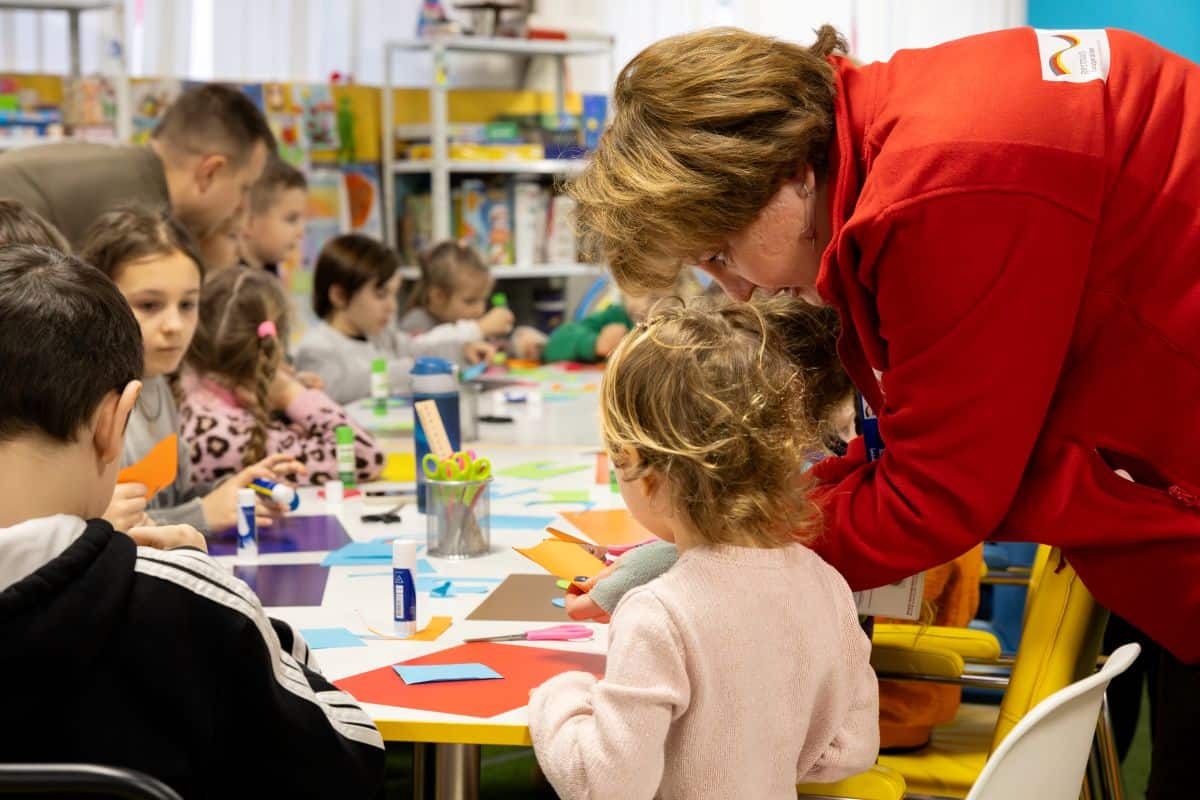
Children participate in arts and crafts activities at a child-friendly space in Kropyvnytskyi, Ukraine.

Children participate in arts and crafts activities at a child-friendly space in Kropyvnytskyi, Ukraine. The center provides daily programming, therapy sessions and learning support to help children cope with prolonged conflict. | Ā© Plan International / Mirja Vogel

2. Education must continue, even in crisis

Children in Ukraine are still going to school, but not in the way most of us would recognize.

More than 10 percent of education infrastructure has been damaged or destroyed. Many classes take place underground. Others rely on online learning. Some young children have never experienced consistent early childhood education.

Education in emergencies is about more than academics. It provides routine. It offers stability. It connects children to trusted adults who can recognize early signs of distress. It creates safer environments that reduce risks of exploitation and violence.

Four years of disrupted learning have already widened educational gaps. Without sustained investment in safe learning spaces, teacher support and psychosocial services in schools, the consequences could last well beyond the current conflict.

For children affected by the war in Ukraine, education is a pathway to recovery and to the country’s future.
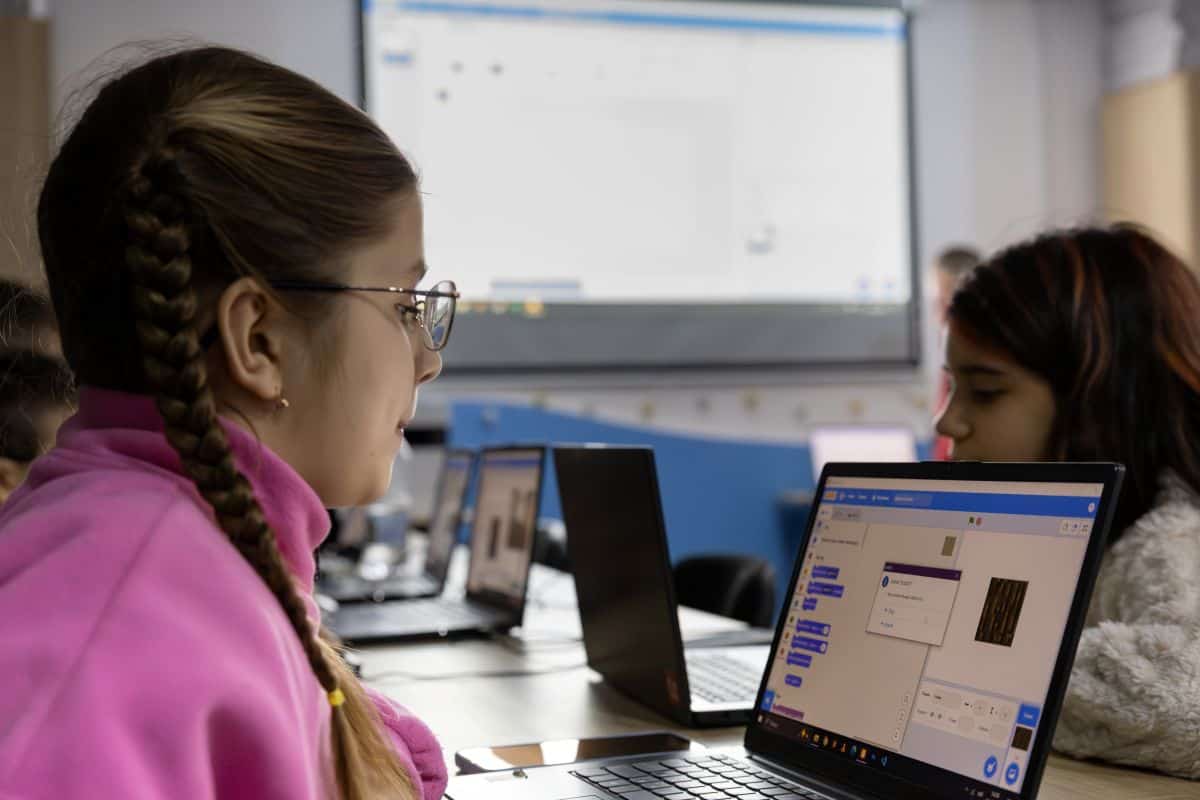
Girls participate in computer classes at a child-friendly space in Kropyvnytskyi, Ukraine.

Girls participate in computer classes at a child-friendly space in Kropyvnytskyi, Ukraine. Access to safe learning environments helps children maintain routines and continue building skills during the war. | Ā© Plan International / Mirja Vogel

3. Parents and caregivers need support, too

Children do not carry this crisis alone.

Parents and caregivers are living with displacement, economic instability, grief and uncertainty. One in three children has experienced a close friend or family member killed or injured.

When caregivers are overwhelmed, children feel it immediately. When caregivers are supported, children often mirror that resilience.

Parenting sessions, psychosocial support groups and community networks may not always make headlines. But they reduce stress within households, strengthen communication and help protect children from further harm.

Supporting children in Ukraine means strengthening the families around them.

4. Protection services must be sustained across Ukraine and Eastern Europe

The war in Ukraine has created ripple effects across Eastern Europe. Millions of refugees have sought safety in neighboring countries including Poland, Romania and Moldova.

Protection services including child protection, prevention of gender-based violence and access to health care remain essential across the region. As displacement continues and global funding pressures increase, protection risks grow.

Without sustained humanitarian engagement, children lose access to safe spaces. Survivors lose access to care. Gaps in protection widen.

The crisis has shifted from short-term emergency response to preventing long-term harm.

5. Continued funding is critical

Despite the scale of need, funding constraints and access challenges mean only a portion of those requiring assistance can be reached.

Global aid reductions have forced many humanitarian organizations to scale back services. Yet needs remain high.

Four years of war in Ukraine have meant displacement, interrupted education, unsafe shelter, family separation and sustained psychological stress.

Preventing further harm requires predictable, long-term investment in:

— Mental health and psychosocial support

— Education in emergencies

— Child protection systems

— Prevention of gender-based violence

— Support for caregivers and youth engagement

Children in Ukraine deserve more than survival. They deserve stability, dignity and the opportunity to heal.

How Plan International is responding

Since 2022, Plan International has worked alongside local partners in Ukraine and neighboring countries to support children and families affected by the war.

Through a partner-led model that prioritizes local leadership, Plan International has reached more than 1.7 million people across Ukraine, Poland, Romania and Moldova through programs focused on protection, mental health and psychosocial support, education in emergencies and prevention of gender-based violence.

The majority of funding has been directed to local organizations that understand their communities and can respond quickly and sustainably. Child-friendly spaces, parenting programs, youth initiatives and safe learning environments are part of a long-term effort to strengthen resilience and reduce harm.

As the war in Ukraine continues, the focus remains clear — protect children now while investing in their future.

Four years into the full-scale war in Ukraine, children are still adapting to a reality no child should have to navigate. But adaptation is not the same as recovery.

Without sustained investment, the impact will last far beyond the war.

Children in Ukraine and across Eastern Europe deserve the chance to grow, learn and rebuild their lives.
February is Donor Love Month at Plan International. It’s our time to celebrate you!

Every day, you bring hope, opportunity and joy to the children and young people who need it most. To show our appreciation, our team created a short thank you video just for you.

How your support makes a difference

Your kindness shapes real change around the world. Here are just a few of the ways you have made a difference for girls and young people.

You helped girls like Fatmata to learn and grow

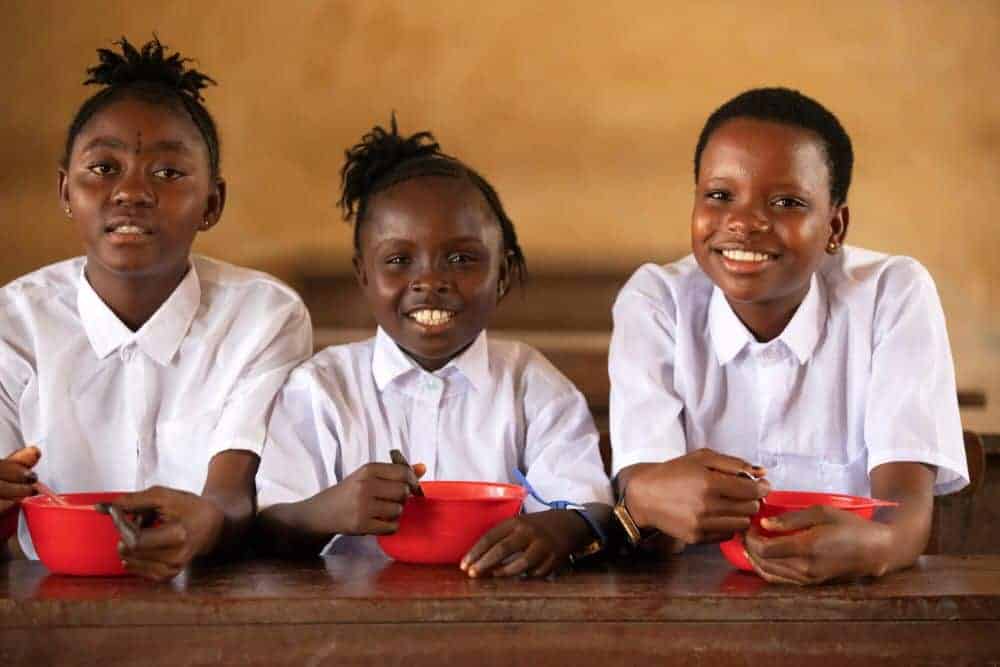
With your support, school feeding programs reached more than one million children, including 11-year-old Fatmata from Sierra Leone.

ā€œNow, when I come to school, I know I will eat,ā€ Fatmata says. ā€œI don’t worry about food anymore. Now, I worry about passing my exams.ā€

Three young schoolgirls
Fatmata (right) can concentrate on her education thanks to a school meal program in Sierra Leone. | Ā© Plan International

You brought clean water to Eci’s village

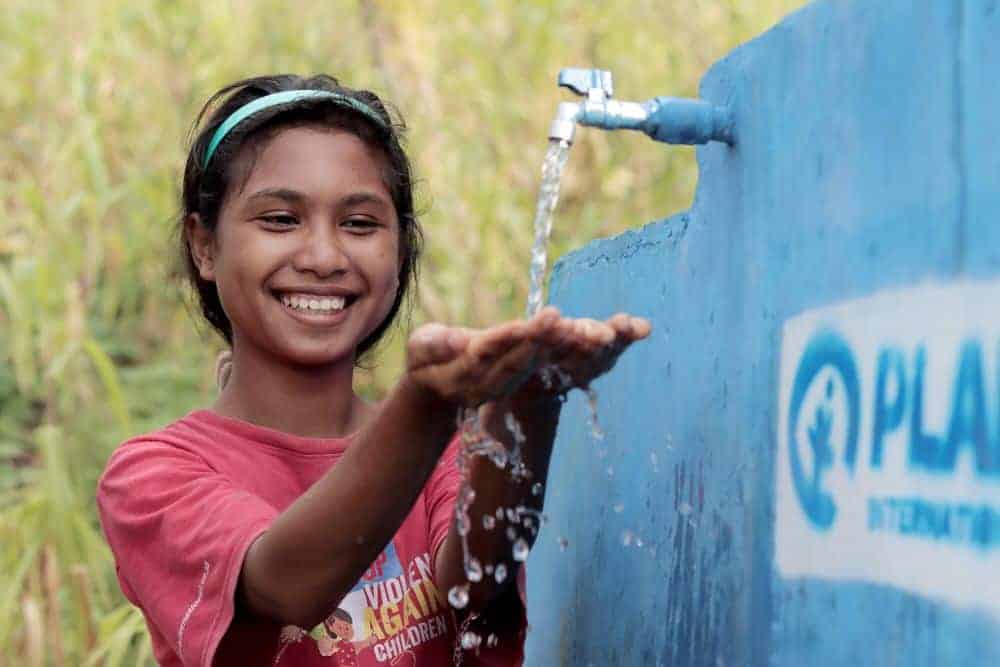
Eci, 14, used to spend every morning carrying water from the river to her home, hiking a dangerous path and often arriving late to school. ButĀ with your support,Ā Plan built the infrastructure to help bring clean water to her village in Indonesia.

ā€œNow, in the mornings, I’m never late, and the teachers don’t ask us to bring water to school anymore,ā€ Eci shares.

Eci is able to get to school on time now that she doesn’t have to spend time collecting water each morning
Eci no longer faces dangerous walks to the river to collect water for her family. | Ā© Plan International

You created ripples that last for generations

Former Plan International sponsored child Nancy knows from experience how a child can transform when they feel supported and valued. The encouragement she received from her sponsor gave her the confidence to pursue her dreams.

Today, Nancy teaches at a Plan-supported early childhood development center in the Chalatenango region.

"Perhaps life placed this project of caring for young children in my hands to give back what I received in my childhood," Nancy reflects.

As an educator, Nancy feels she can give back the support she received as a child. | Ā© Plan International

Watch Nancy’s storyĀ here.

Thank you

Because of you, more children, especially girls, and young people are free to learn, lead, decide and thrive. From all of us at Plan International — thank you for believing in every child’s potential. Together, we won’t stop until we are all equal.

Three young schoolgirls

Search Results for:

Plan International advances children’s rights and equality for girls worldwide. Find key facts, leadership contacts and approved media assets to support your reporting.

children reached globally
0 M
countries where we work
0 +
partnerships with local organizations
0 K

About Plan International

Plan International works with children and young people to advance children’s rights and equality for girls. With more than 85 years of experience, we work in over 80 countries to tackle the root causes of the challenges children face.

About Plan International USA

Plan International USA is the U.S. member of the global organization. Headquartered in Providence, Rhode Island with an office in Washington, D.C., we mobilize resources and partnerships to support global programs and advance equality for girls.

Media resources

Leadership

Access biographies and executive leadership information for Plan International USA.

Press releases

Read the latest press releases and official announcements.

Annual report

Explore Plan International USA’s latest annual report, including impact highlights and financial information.

Logos

Download approved Plan International logos. Logos must not be altered or used in a way that implies endorsement without prior approval.

High-resolution photography

Access approved high-resolution images for editorial use. All images must be credited to Plan International.

Media inquiries

For interview requests or background information, contact:

Maria Holsopple
Sr. Director, Strategic Communications
[email protected]
+1.540.383.3628

Ā 

Media kit hero