“Women and girls’ empowerment is rooted in sustainable access to skills and decent work.” This is a mantra repeated in textbooks and lectures. But I didn’t realize how true it was until I joined Plan’s Youth Advisory Board and saw the impact for myself.
As a member of Plan International USA’s Youth Advisory Board and a student studying political science and global studies, I found myself at the crossroads of merging these aspects of my life into a meaningful experience last summer. I set out to document the female-led changes to increase employment and reduce poverty facilitated by Plan and other organizations in Jordan and Bangladesh.
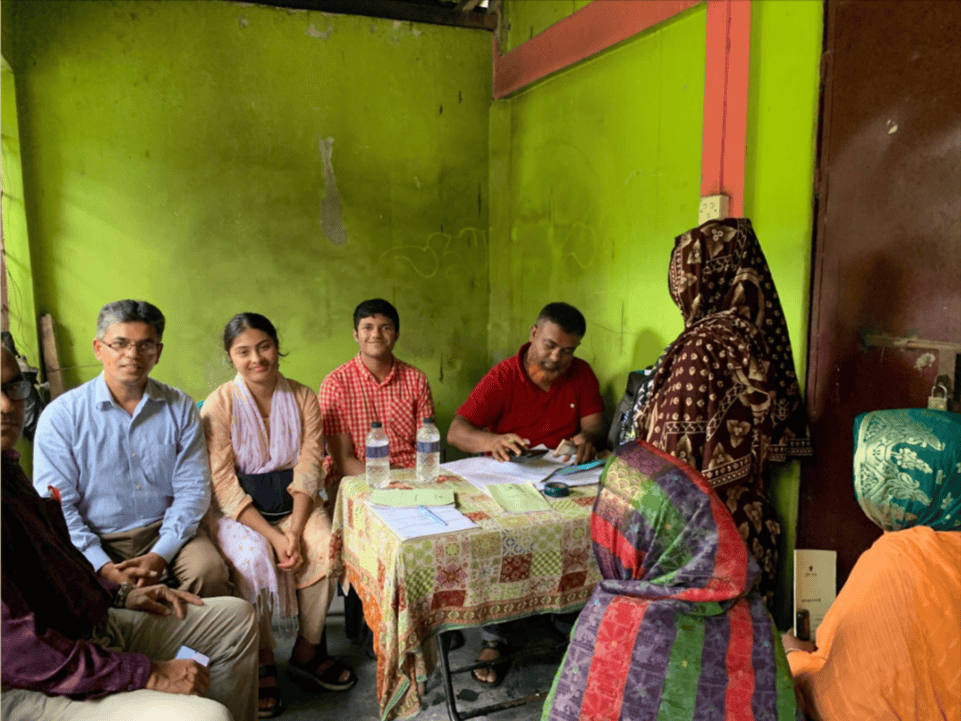
I first embarked on my journey starting in Dhaka, Bangladesh, where I interned for Grameen Bank, a Nobel Peace Prize-winning microfinance development bank that provides collateral-free loans to villagers, supporting more than ten million people, 97% of whom are women. Through monitoring loans, reviewing credit accounts, and conducting a case study in my mother’s district of Sylhet, I learned about the growing role of women as both primary earners and decision-makers.
Learning leadership through access to finance
Many of the women I interviewed shared how they never learned how to read or write until trying to open a bank account, where they spent more than two weeks learning how to write their name to sign onto their first loan.
Fast-forward twenty years, and these same women now hold positions as deputy mayors or village representatives. They serve as role models for their daughters by helping build the first high schools in their communities.
Women also pool resources together to lend funds as a group and invest in vocational training and technology literacy programs, including initiatives supported by Plan International Bangladesh at the Youth Learning Centre. Girls are creating jobs, agency, and access through resources communities work together to provide.
Seeing generational change firsthand
I was stunned by the unbridled progress rural women had made compared to when my mother had left. Surely this must have been a ruse.
Thankfully, I was proven wrong when I encountered the She Leads program run by the Jordan River Foundation in partnership with Plan International Jordan.
Youth-led change through the Girl Engage approach
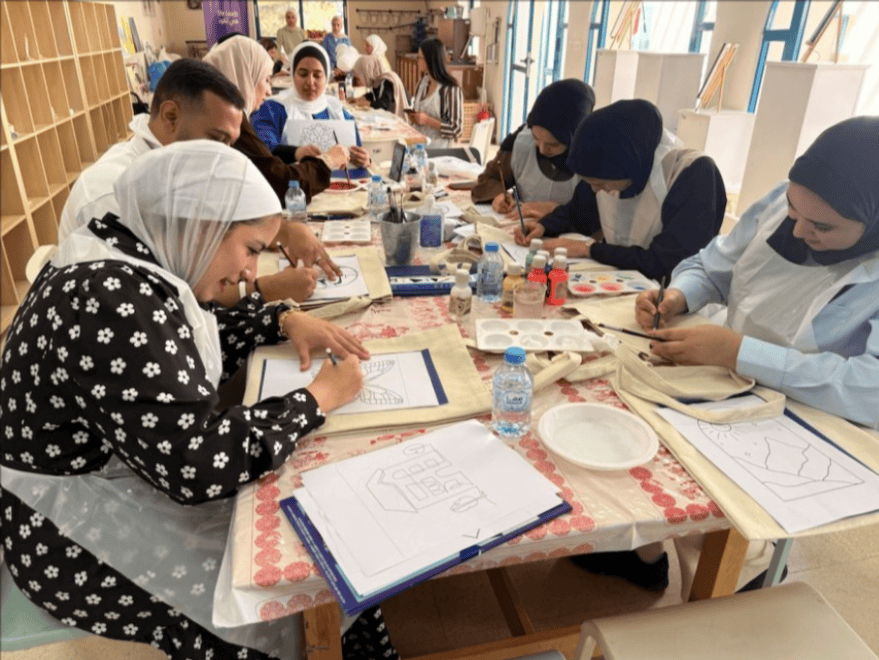
Embodying the Girl Engage approach, local youth volunteers — many my age and in university or high school — facilitate workshops that raise awareness of domestic and online gender-based violence while building skills around boundary-setting and decision-making.
They worked with girls and boys as young as five, as well as mothers and grandmothers, using expressive arts and community-led initiatives to destigmatize these issues and move forward together.
These youth leaders went on to create a website and podcast highlighting entrepreneurial projects and workforce readiness programs for women across Jordan, fully owning tools made possible through Plan-supported spaces.
What these experiences mean for the next generation
Although She Leads in Amman concluded in September 2025, its impact continues to resonate. The passion these young people bring to advancing girls’ leadership transcends generations and language. They are united by one shared aim: to teach, protect, and equip girls to go beyond their goals.
As part of the Plan USA Youth Advisory Board and in preparation for the
Youth Leadership Academy 2026, I hope to carry forward even a fraction of what these women and girls have taught me to the next generation of changemakers and leaders in Washington, D.C.
About the author
Saudah is a member of Plan International USA’s Youth Advisory Board and a junior at the University of North Carolina at Chapel Hill.
Part 2 of a photo essay series on access to education in Latin America
Photos by Chris de Bode for Plan International
In many communities, the path to education is shaped by fear, distance and gendered expectations. For girls, the risks can include harassment, violence and pressure to leave school early. For boys, economic demands often pull them out of the classroom long before they are ready.
This second installment of School Matters shares four stories from Ecuador, Peru and Bolivia that show how safety, gender and poverty continue to shape who gets to learn and who is left behind.
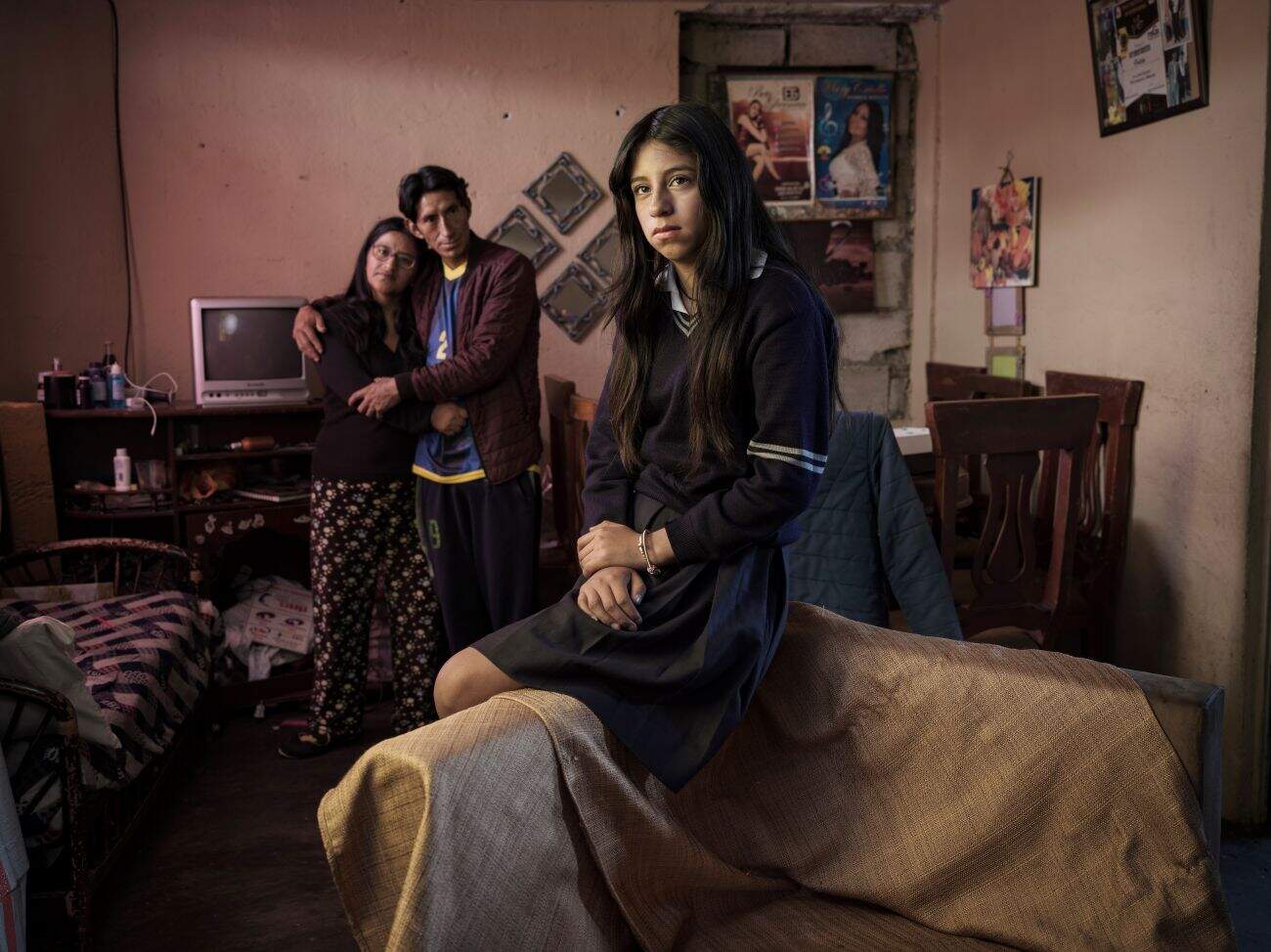
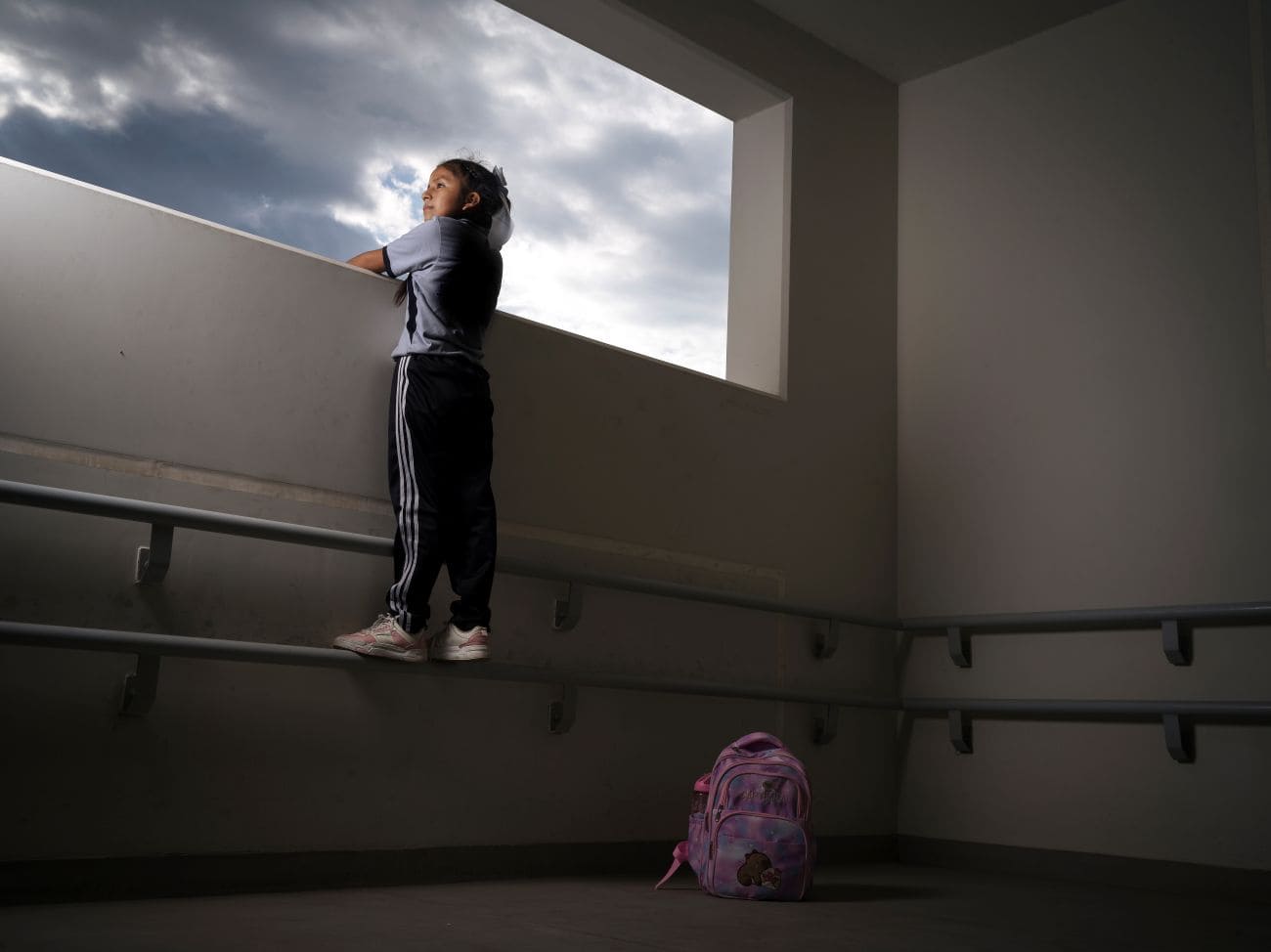
For 12-year-old Erika, the walk to school carries a constant sense of fear. Sexual violence in and around schools is widespread in her community, and her parents worry every day about her safety.
“A motorcycle followed me. The driver cut me off and tried to grab me. It was really scary.”
Erika, 12, Ecuador
Her father believes schools must do more to protect children and provide education about consent and safety. Erika wants to continue studying. Her family wants her to stay safe.
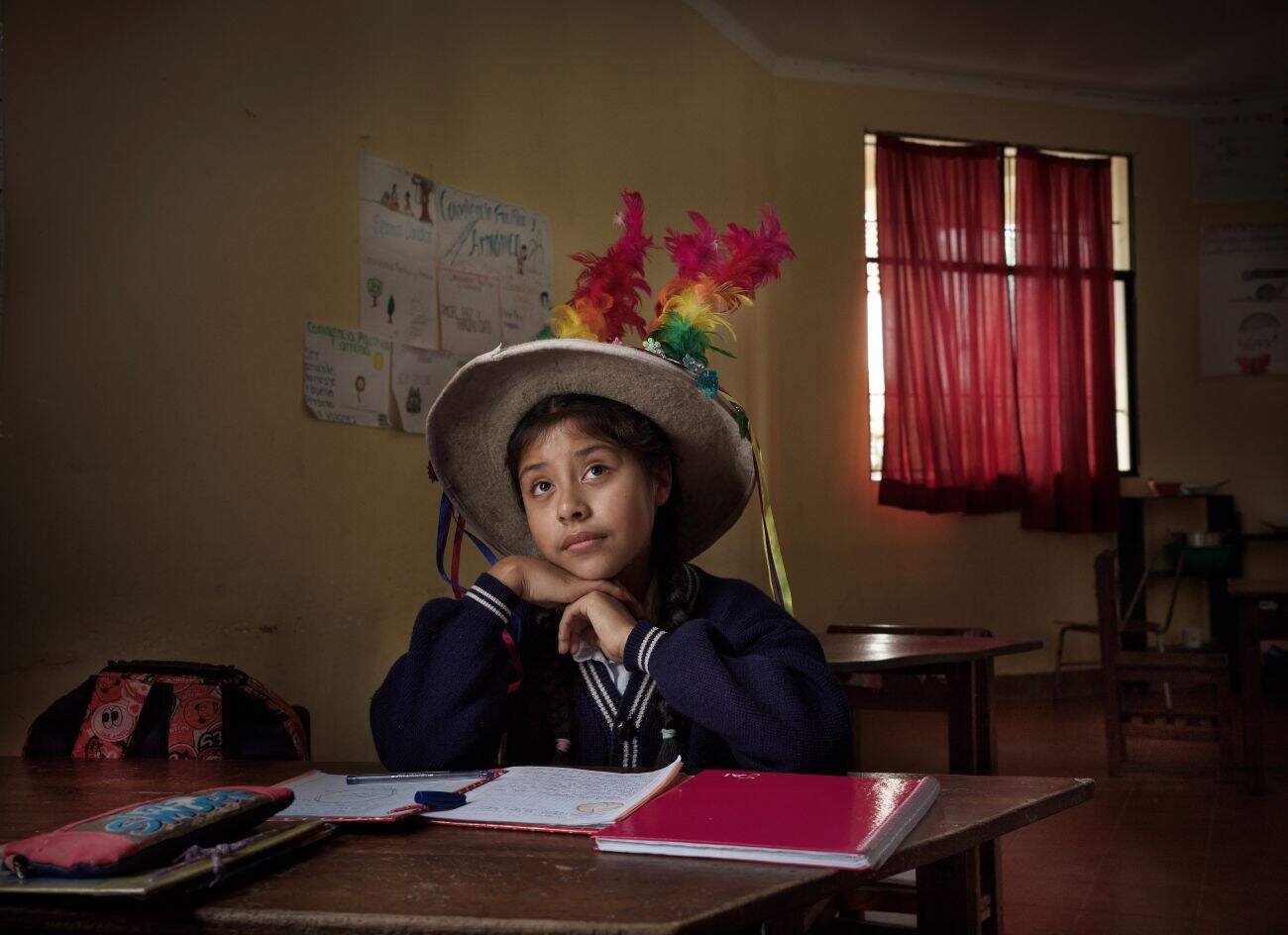
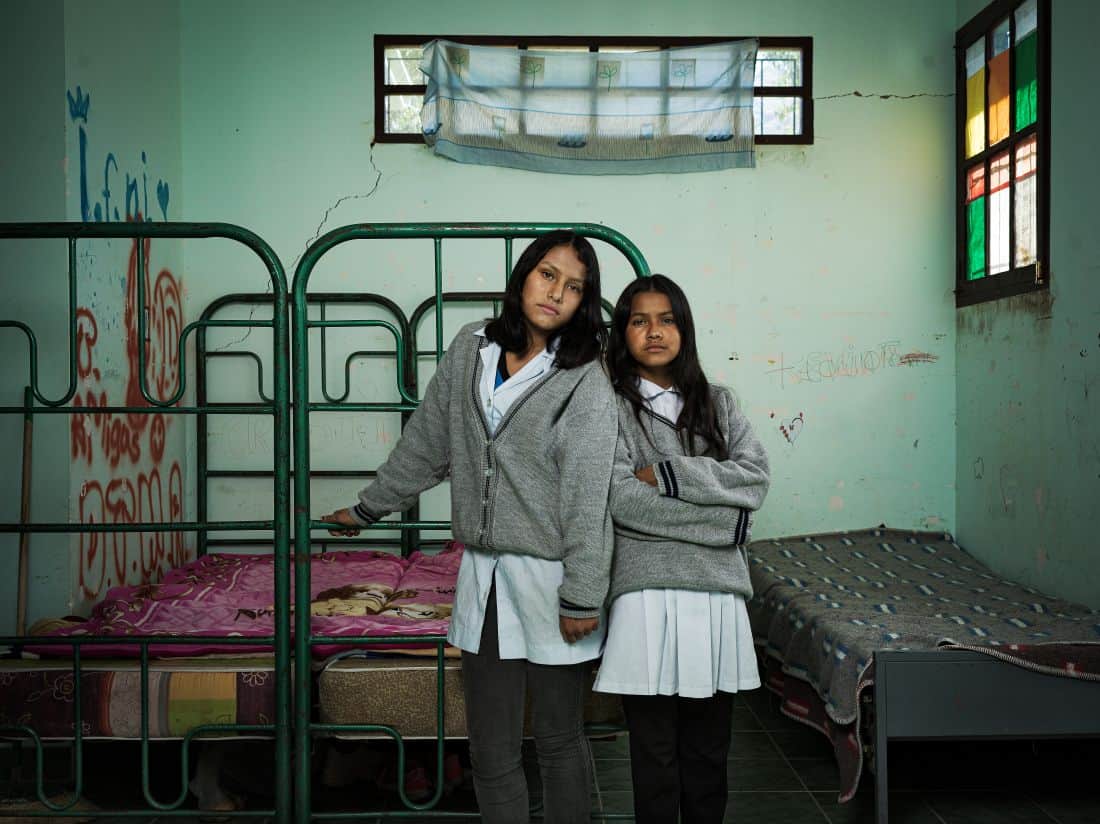
At 12, Alicia is working to catch up on lessons she never fully learned in primary school. The transition to secondary education has been difficult, especially in mathematics, where the foundation was never firmly built.
“I didn’t know how to multiply or divide, or even about odd numbers.”
Alicia, 12, Peru
With support from her older sister, who now attends university, Alicia studies every evening. Her goal is clear and steady: she wants to continue learning and follow the same path.
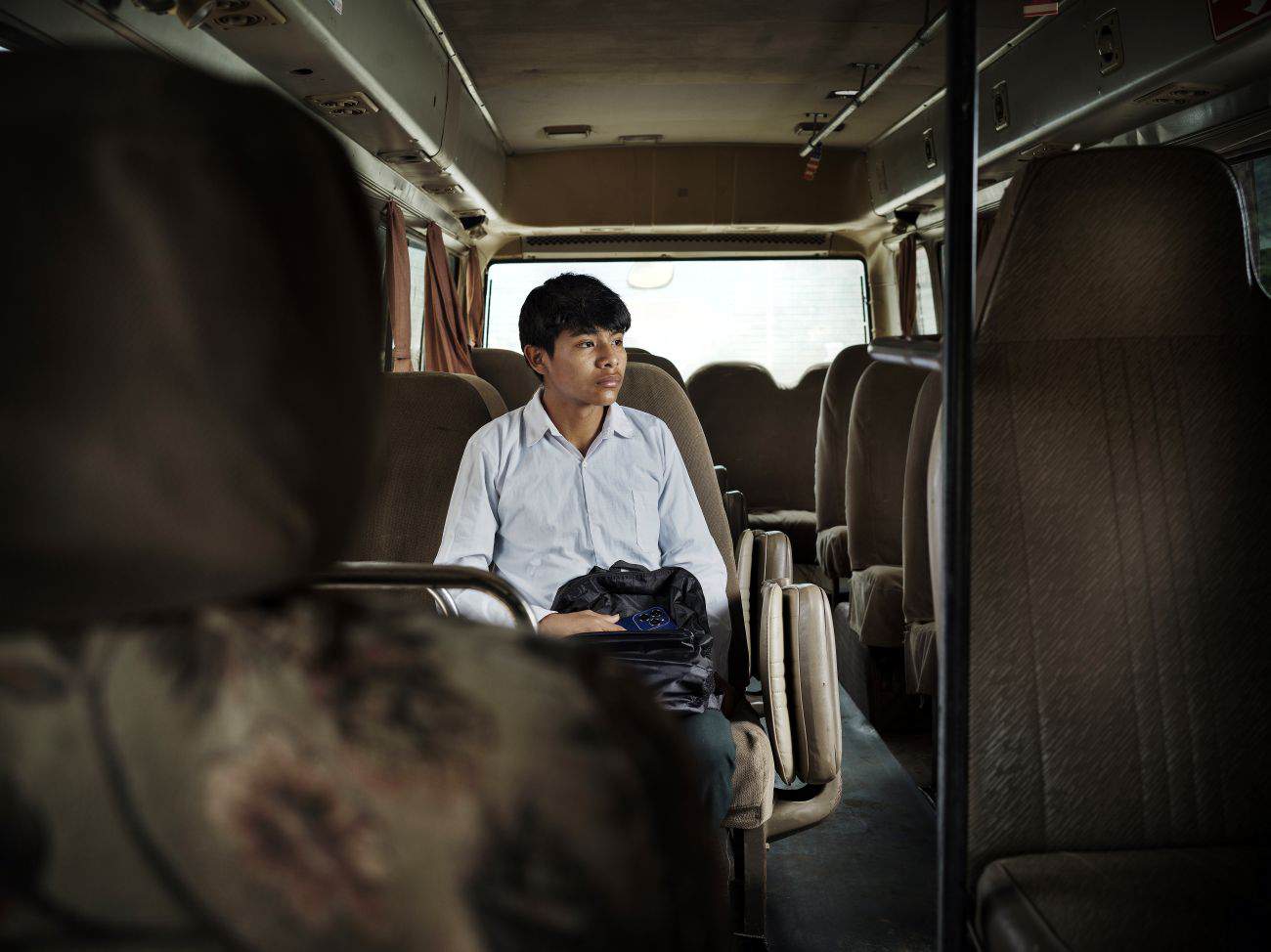
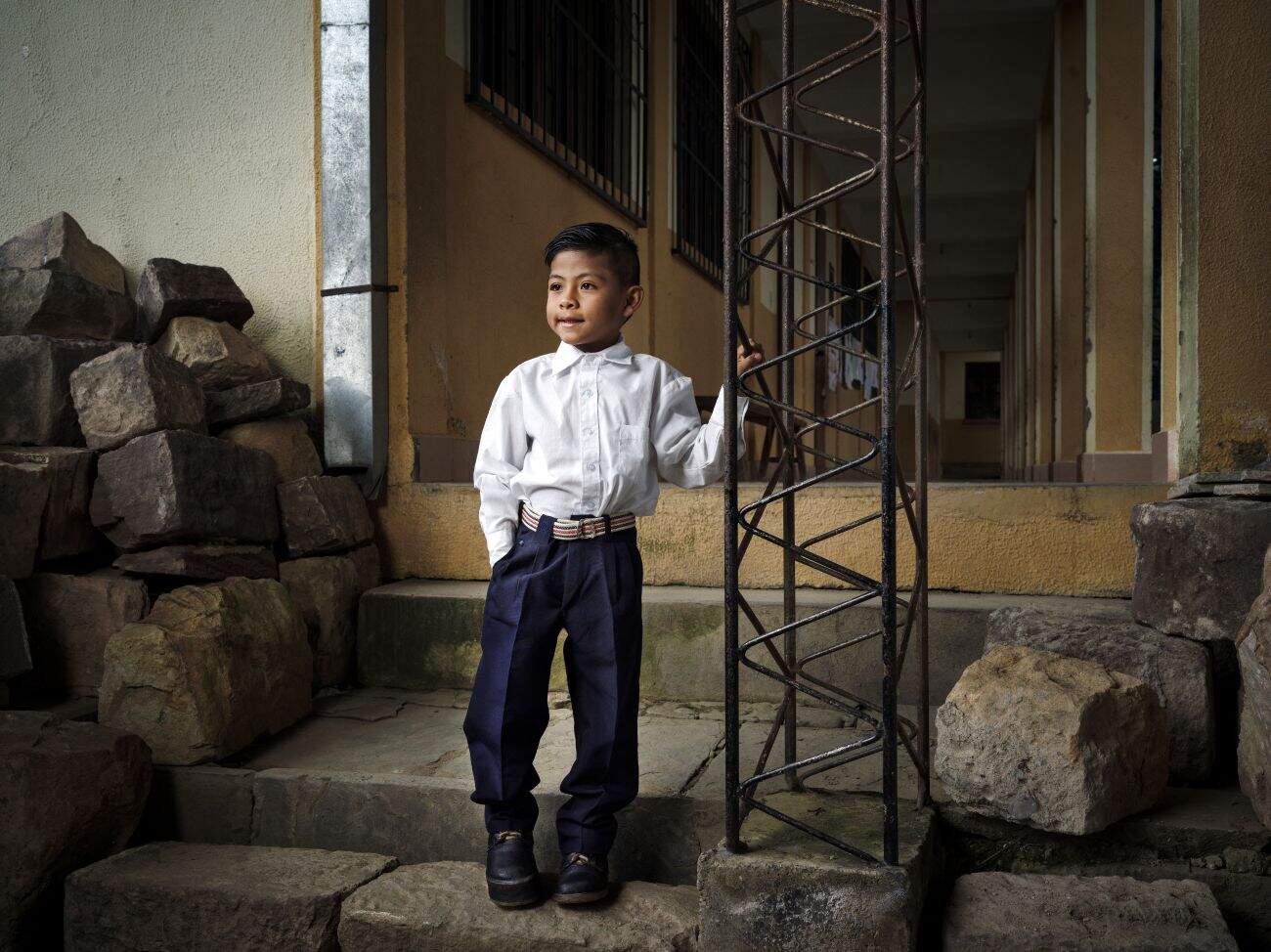
In Bolivia, boys are often expected to work long before they finish school. Miguel, 15, lives at a boarding school during the week and returns home on weekends to earn money in the fields.
“I use all of it for food and school supplies. I have to look after myself.”
Miguel, 15, Bolivia
His goal is simple and far-reaching. He wants to finish school and earn a diploma, even as economic pressure threatens to pull him away.
Why these stories matter
Safety concerns, learning gaps and economic pressure continue to shape who can stay in school across Latin America. When education systems fail to protect and support children, the risks fall hardest on girls and on families already living with limited resources.
These stories show that access to education is not just about classrooms. It is about safety, dignity and the ability for every child to learn without fear.
About the Global Partnership for Education
The Global Partnership for Education is the world’s largest multi-stakeholder fund and partnership dedicated to transforming education systems in lower-income countries. For nearly two decades, GPE has brought together governments, civil society, teachers, youth, the private sector and philanthropy to expand inclusive, quality education for every child.
GPE supports countries to strengthen education systems, mobilize domestic financing, improve equity and efficiency and deliver lasting systemwide change. Its 2026–2030 Case for Investment calls for urgent, sustained financing to close the global education funding gap and ensure every child, especially every girl, can learn and thrive.
About the project
The Safe Horizons: Andean Alliance for Disaster-Resilient Education project is funded by ECHO and implemented by Plan International in Bolivia, Peru, Ecuador and Colombia. The initiative helps children and young people safely access education and succeed in school and beyond.
About Chris de Bode
Chris de Bode is an international award-winning documentary photographer and film director. He has worked in more than 90 countries, focusing on humanitarian and social issues.
Part 1 of a photo essay series on access to education in Latin America
Photos by Chris de Bode for Plan International
Around the world, children are traveling farther, risking more and overcoming greater obstacles for the chance to learn. In Latin America alone, students cross floodwaters, walk unsafe roads and study in classrooms at risk of collapse. These stories reflect the wider pressures facing education globally and the urgency behind investments that build resilient, inclusive learning environments.
This first installment of School Matters highlights four stories from Bolivia and Peru that show what it takes for children and families to stay connected to education.
Holding a family together through education in Bolivia
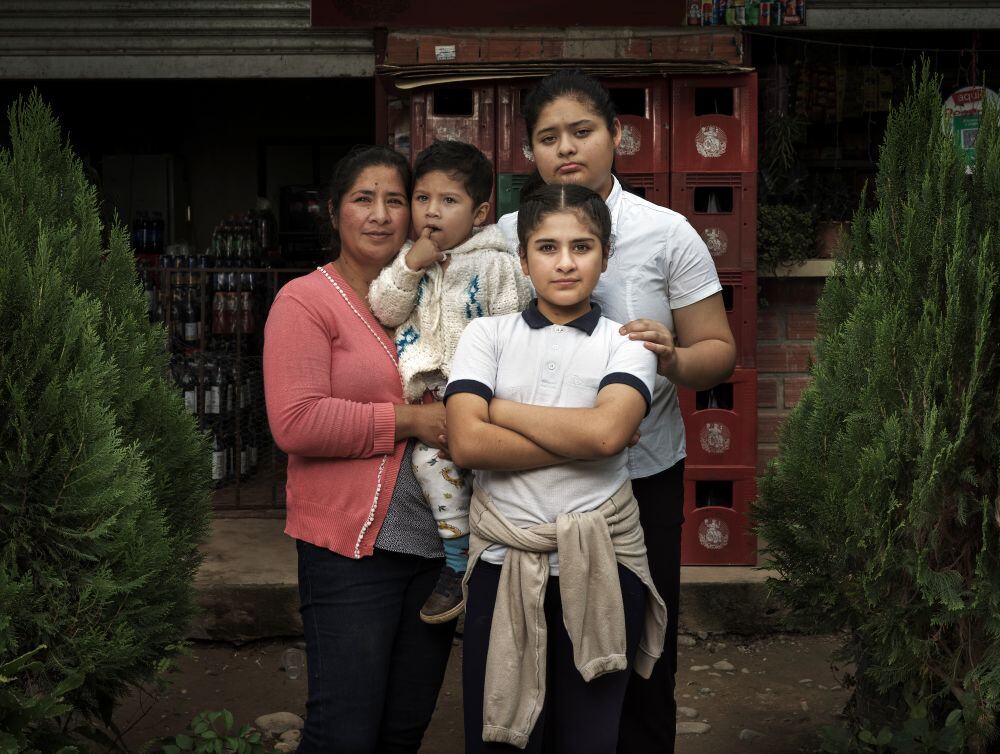
In the Tarija region of Bolivia, Dalita wakes before sunrise to open her small shop. A single mother, she works from early morning until late at night to afford school supplies, uniforms and transportation for her children.
“I’m not the kind of mom who gives up. I would sacrifice anything for them just to make sure they can stay in school.”
Dalita, 37, Bolivia
Despite rising costs and uncertainty, Dalita remains determined that her children will continue their education.
A boarding school as the only option for sisters in rural Bolivia
In rural Bolivia, sisters Carla and Janet attend a boarding school far from home because daily travel is too long and too expensive. After their mother died, Carla left school for two years to care for her family before returning through the boarding program.
“Because meals are included and we don’t have to travel every day, boarding school is more affordable.”
Carla, 14, Bolivia
While separation from family is difficult, the school allows both girls to stay enrolled and continue learning.
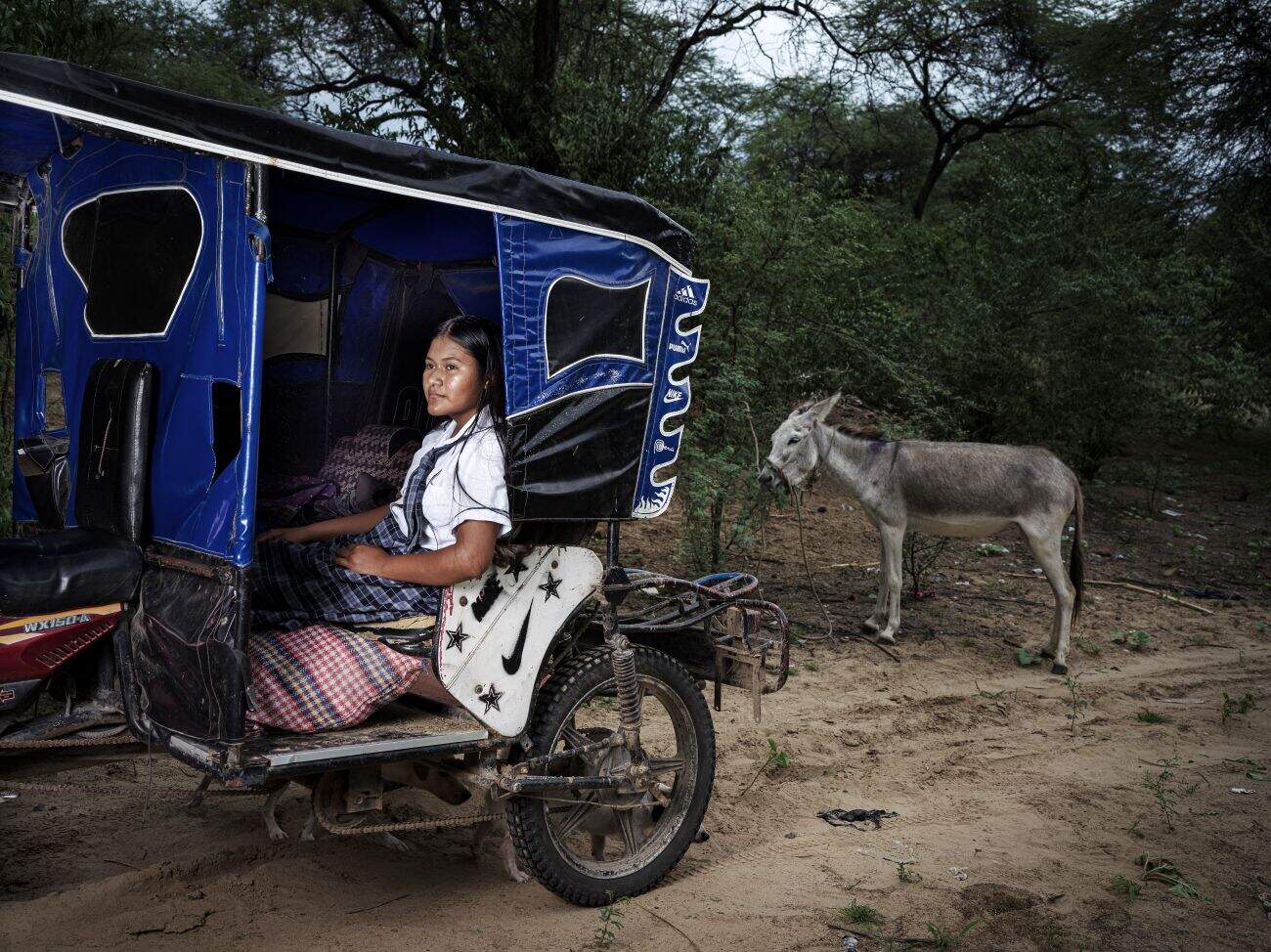
In Peru, Yulitza chose to attend a secondary school farther from home because nearby schools lacked teachers and consistent instruction. The daily journey is long and unreliable, with frequent breakdowns that sometimes force her to turn back.
“I want to be so many things. Maybe a psychologist, a doctor, a teacher or an accountant.”
Yulitza, 16, Peru
Despite financial pressure and doubts from her family, Yulitza remains committed to finishing school.
Six-year-old Gael has begun walking after previously relying on a wheelchair. Inside his school, the lack of ramps and accessible bathrooms turns everyday routines into obstacles.
“I wish there were ramps. I can’t go to the toilet by myself.”
Gael, 6, Bolivia
Why these stories matter
These children’s daily struggles reflect a global picture. Education systems around the world are under unprecedented strain. More than 270 million children and young people are out of school and education faces a US$97 billion annual funding gap.
When systems weaken, girls face the steepest consequences, including higher risks of child marriage, early pregnancy and gender-based violence. Education remains one of the most powerful investments a society can make. It strengthens health outcomes, economic stability and long-term peace.
About the Global Partnership for Education
The Global Partnership for Education is the world’s largest multi-stakeholder fund and partnership dedicated to transforming education systems in lower-income countries. For nearly two decades, GPE has brought together governments, civil society, teachers, youth, the private sector and philanthropy to expand inclusive, quality education for every child.
GPE supports countries to strengthen education systems, mobilize domestic financing, improve equity and efficiency and deliver lasting systemwide change. Its 2026–2030 Case for Investment calls for urgent, sustained financing to close the global education funding gap and ensure every child, especially every girl, can learn and thrive.
About the project
The Safe Horizons: Andean Alliance for Disaster-Resilient Education project is funded by ECHO and implemented by Plan International in Bolivia, Peru, Ecuador and Colombia. The initiative helps children and young people safely access education and succeed in school and beyond.
About Chris de Bode
Chris de Bode is an international award-winning documentary photographer and film director. He has worked in more than 90 countries, focusing on humanitarian and social issues.
Plan International was quoted in Devex as Congress debates the future of US foreign aid amid political pressure and funding uncertainty. The article examines whether recent congressional statements will translate into real protections for aid budgets — and what that could mean for partners and communities worldwide.
In Ethiopia’s Afar region, where tradition shapes every stage of life, a girl’s future is often decided within days of her birth. For generations, female genital mutilation has been considered inevitable, a practice carried out in silence, fear and conformity. But some parents are choosing a different path.
Through these stories, we meet mothers, fathers and daughters who are quietly defying expectations to protect girls from harm. Their choices reflect courage in everyday moments: a decision made at home, a conversation in a classroom or a community beginning to shift. Against a harsh landscape and powerful social pressure, these accounts reveal how change begins, one family, one choice at a time.
“I am relieved I was spared FGM.”
Hayat, 14
Hayat, 14, and her mother Birtukan, 38
Relieved not to be cut
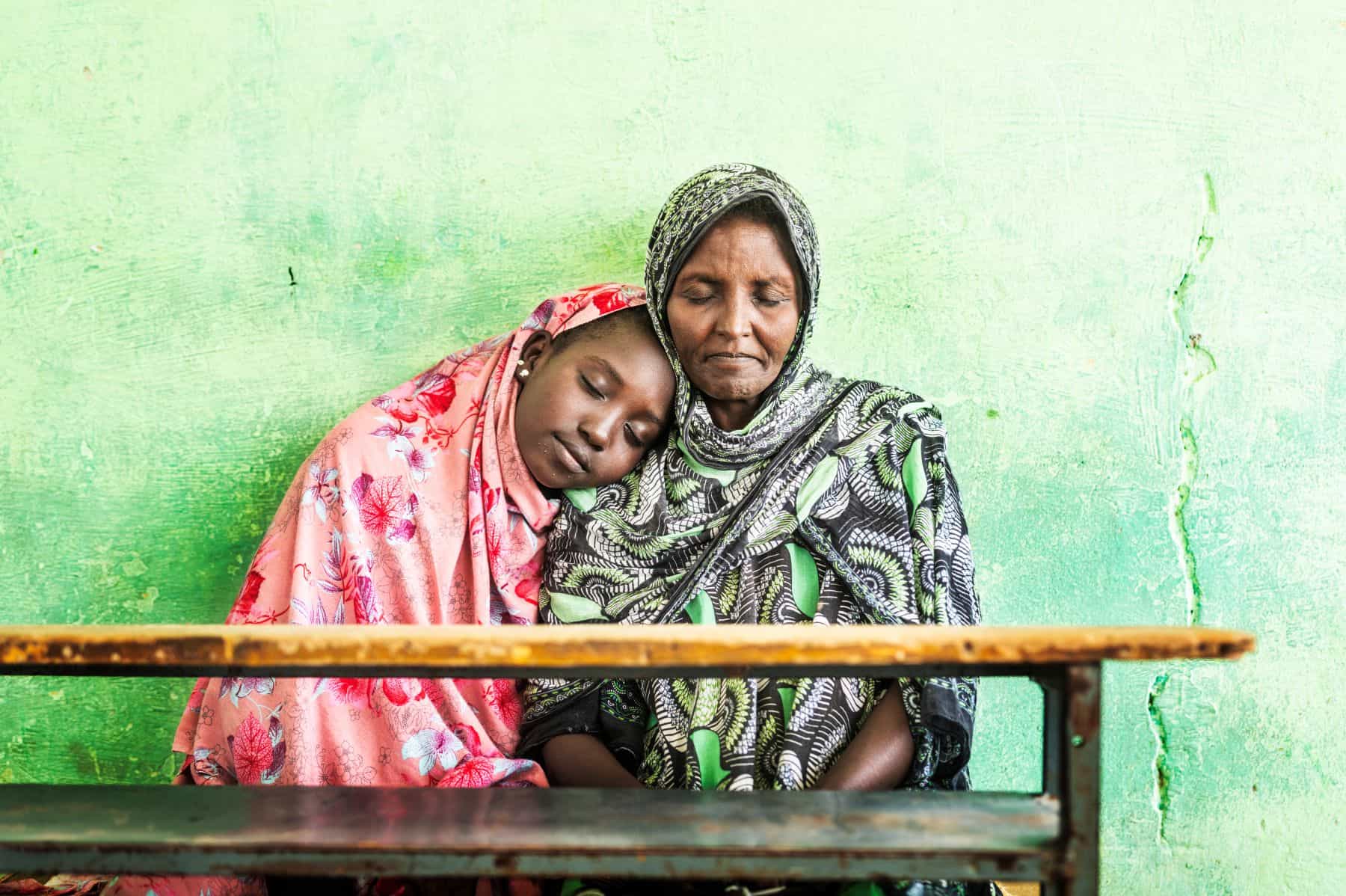
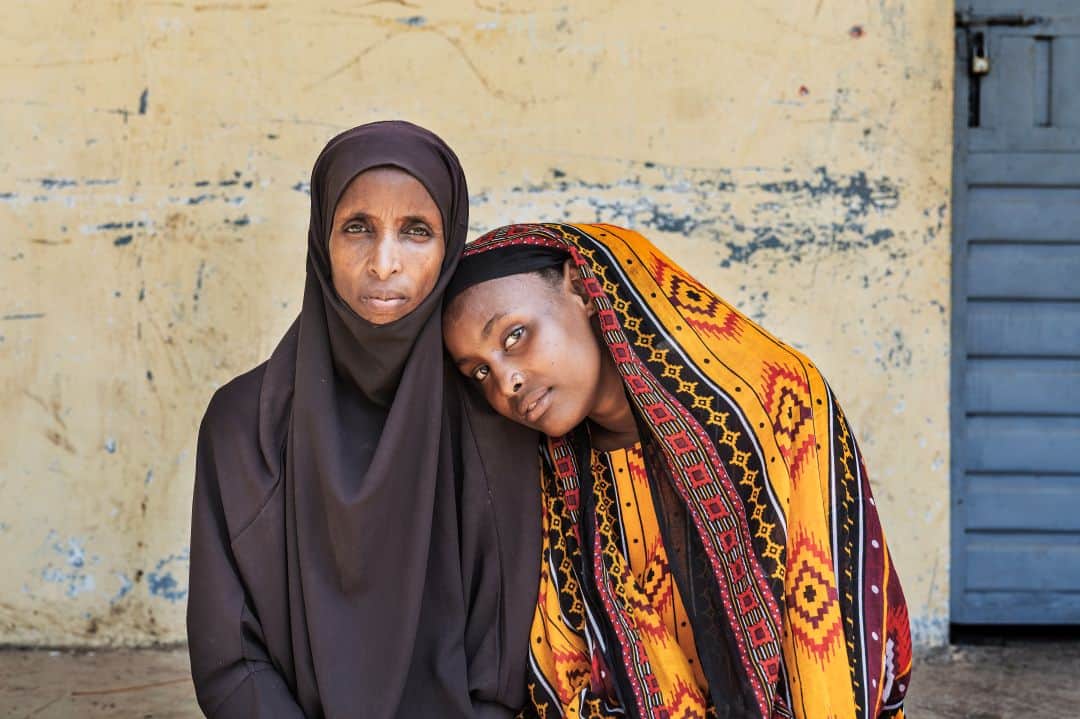
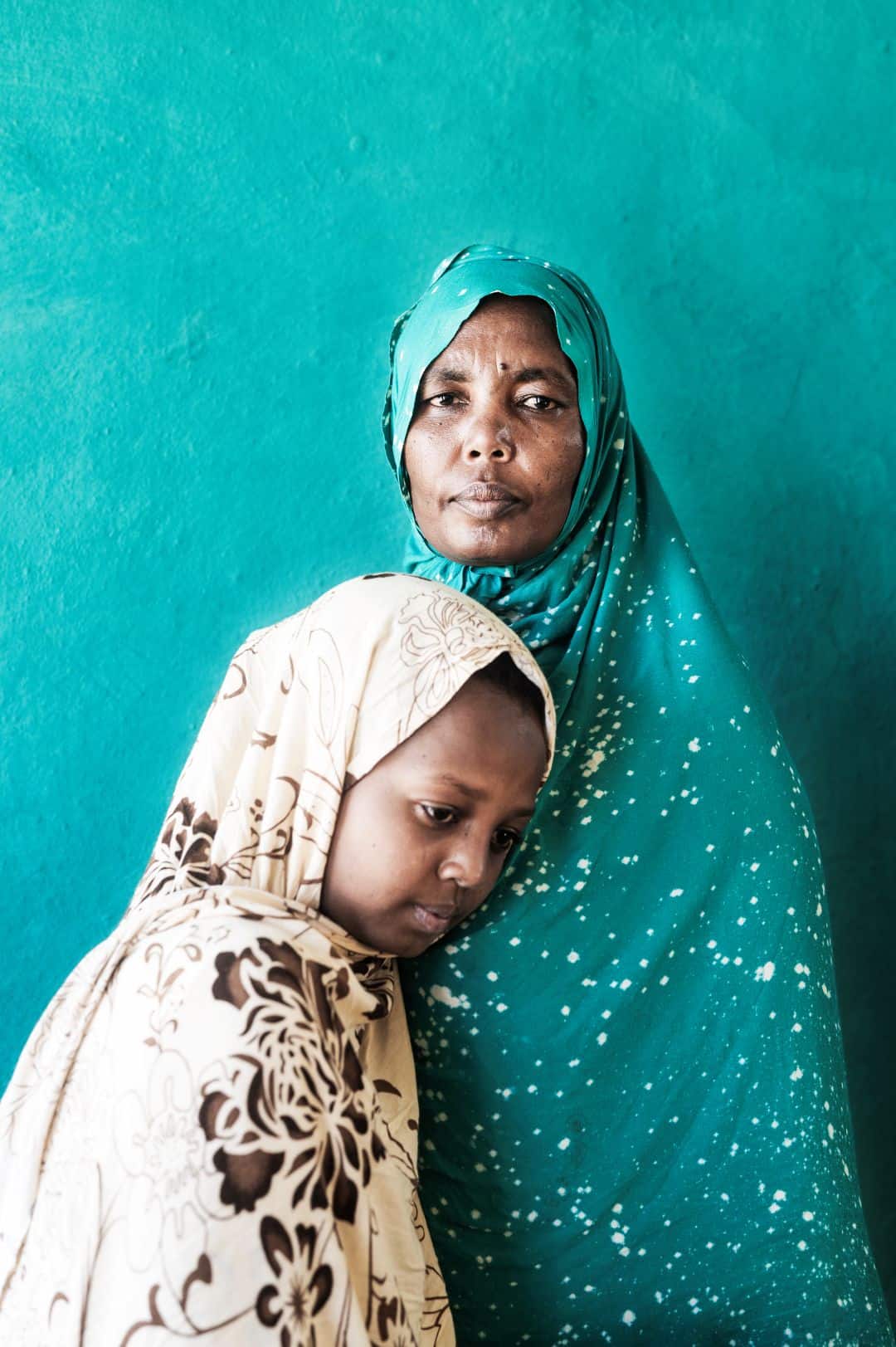
In Ethiopia’s Afar region, 14-year-old Hayat rests her head on her mother Birtukan’s shoulder, a powerful image of love and resistance. Despite cultural pressure, Birtukan refused to subject her daughter to FGM, choosing health, hope and a different future.
“I am relieved I was spared FGM, because I could have bled a lot. There is also the risk of HIV/AIDS and the risk of fistula during childbirth due to cutting,” says 14-year-old Hayat.
Her mother Birtukan explains, “When I was pregnant, before I gave birth, I experienced pressure to have my daughter cut. I heard that circumcision is harmful to women due to diseases and many consequences that follow. I have learned a lot about it. So I did not cut my child.”
“In everything we hear, in education and on the radio, it is a harmful practice that exposes girls to a lot of bleeding. I hear about fistula disease. In general, it is completely harmful. In Afar, especially in the remote areas, there is a saying that if a girl is not cut, her desire for men increases. But that’s not true. You cannot link that to not being circumcised.”
Shishig, 34, and her daughter Eman, 14
TV broadcasts sparked her awakening
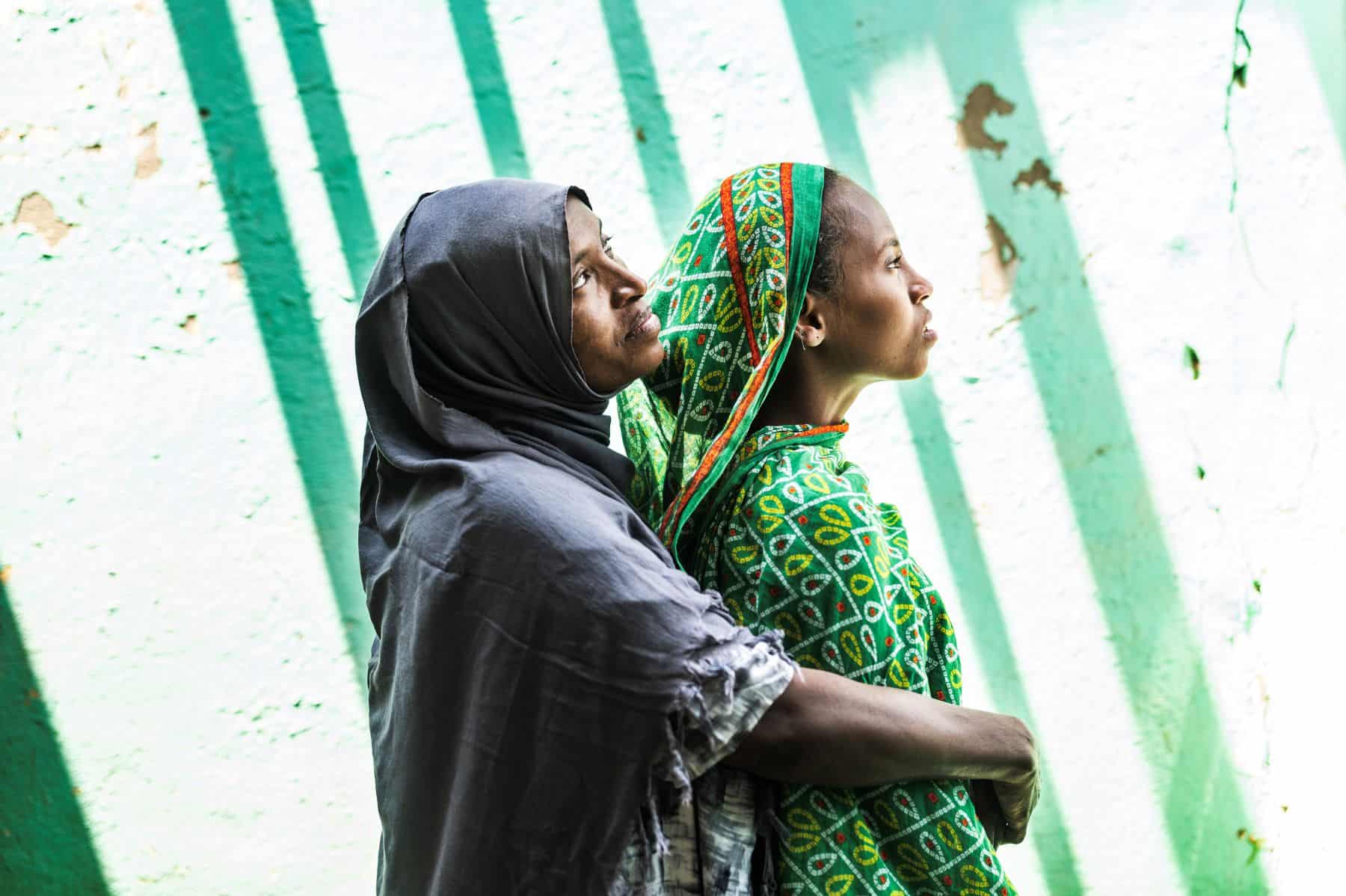
Shishig, 34, embraces her daughter Eman, 14, in a moment of solidarity and strength. In a community where FGM has long been the norm, Shishig stood firm and said no after learning about the dangers through TV campaigns.
Shishig learned about the dangers of FGM through TV broadcasts. “I saw on television the message: ‘Don’t circumcise your children, don’t cut them.’ Female genital mutilation is harmful, we see it in advertisements and dramas. That’s why I didn’t cut my children. I learned this on my own. I just saw it on television and I didn’t cut my daughters. I am also not cut.”
FGM is rarely spoken about openly. Even with public messages, awareness is still limited, especially in remote communities. “But I knew it can cause children to bleed to death and has lifelong consequences. Women experience problems during menstruation, have difficulty urinating and face a high risk of infections. It is extremely dangerous. That is why I decided to protect my daughter.”
She recalls one tragic case: “In our area I have seen one girl who was cut and bled a lot and they could not take her to hospital because the cutting could not be disclosed to others.”
Although she herself is not cut, many of her friends are. After conversations, they now also advocate for abandoning the practice. “We should not cut children. It is harmful.”
“We should not cut children. It is harmful.”
Zehara, 37, and her daughter Fatuma, 14
Educating others to break the cycle
A mother and daughter in Afar stand together, reflecting the strength of families choosing to protect girls from harm.
Zehara is a teacher and facilitator of a Girls’ Club at her school, an initiative established by Plan International to teach girls about their rights. “We know that cutting harms us. We are torn apart,” she says.
She acknowledges the pressure from the older generation. “Some people say: ‘This is our culture.’ But something that harms girls is not culture. That’s what I tell them.”
Zehara told a story to fellow parents about a 17-year-old girl with a swollen abdomen. Her father thought she was pregnant, but the real cause was the buildup of menstrual blood due to FGM. The situation was life-threatening. “That made the parents stop and think.”
Fatuma, a club member, speaks out against FGM and encourages others. “It’s better not to be cut, because it causes harm later in life,” she says.
Zehara remains hopeful: “The community is changing now. If training and awareness-raising continues, it can become sustainable. We can save our community.”
Ali, 48, and his daughter Seyida, 14
A father taking a stand
In Afar, fathers often have the final say in family decisions. Ali believes men must also take a stand and openly reject FGM.
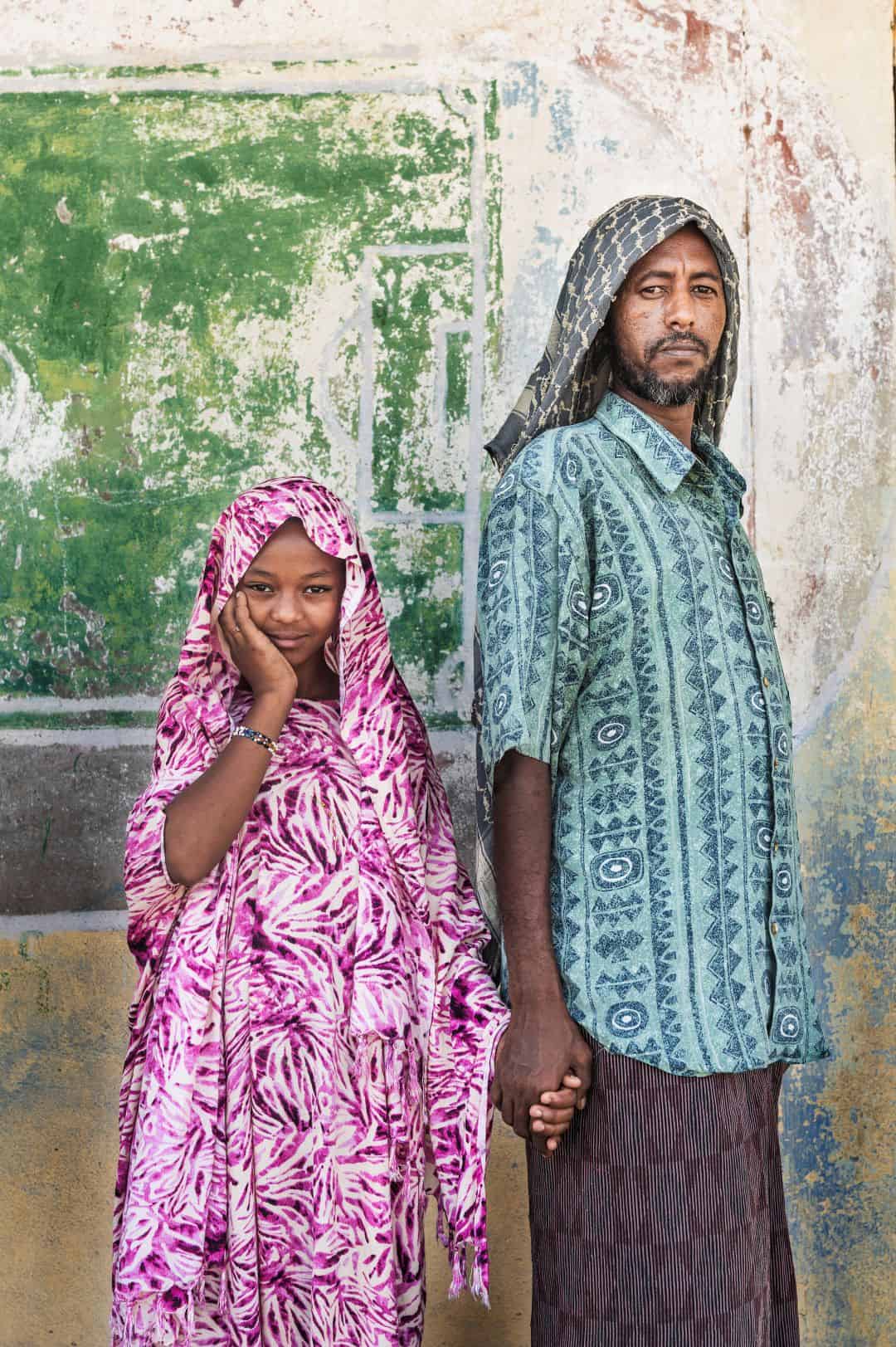
“All my daughters are uncut,” says Ali. In Afar, fathers often have the final say in family decisions. That’s why Ali believes men must also take a stand. He openly discusses FGM and encourages other fathers to reject the practice.
“Female genital mutilation is often seen as a fixed part of our society,” he says. “But it is something that has developed over time. Something that started at a certain point can also be brought to an end.”
His daughter Seyida shares her concerns: “The genital mutilation practiced in Afar is very severe. When a girl is pregnant and wants to give birth, the doctor may refuse her because she is already cut. Then she’s cut again at the doctor’s office. How many times can one girl be cut?”
“It is a difficult process, but together we can stop FGM,” Seyida adds.
Ali believes change is possible: “When we advocate for our children, things will gradually become better.”
Sinidu, 34, and her daughter Mekidas, 13
Knowing the law, making a choice
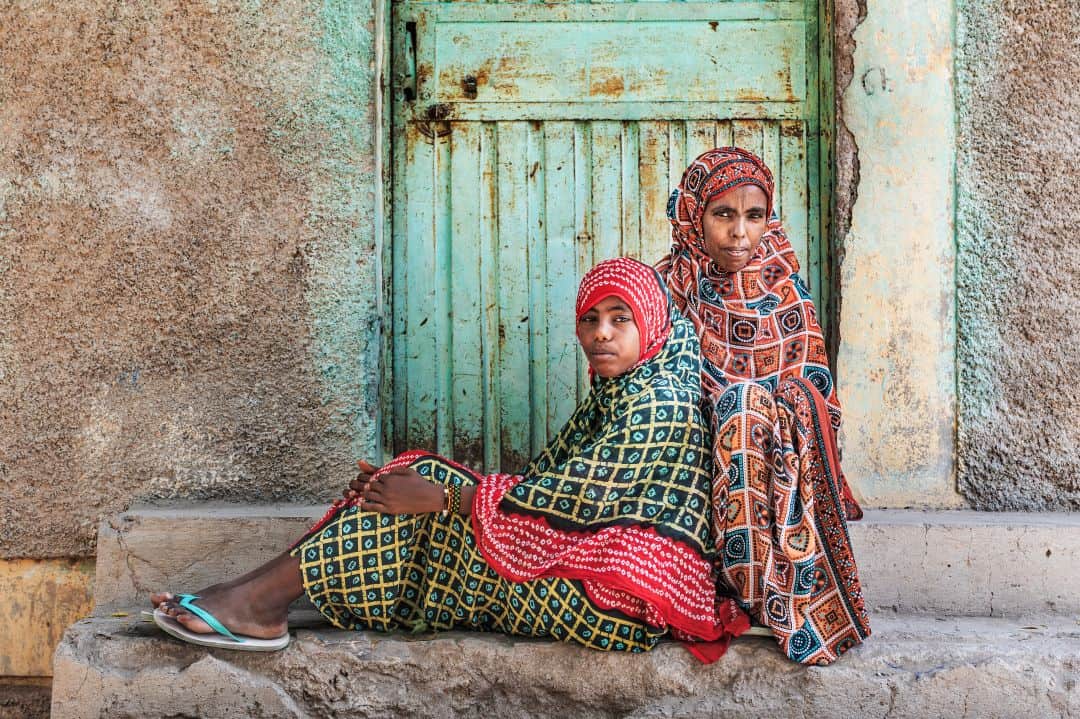
Families are making informed choices to protect girls, even when social pressure is strong.
“It’s better for a girl not to be cut. They bleed a lot while being cut. It’s better for menstruation not to be cut,” says Sinidu.
She is well aware that FGM is illegal and punishable by law. Her decision to protect her daughter was motivated by both legal understanding and what she has seen firsthand in her community.
Shimelis, 38, and his daughter Betelihem, 13
Calling out harmful practices
Fathers speaking out can shift norms, especially in communities where men influence family decisions.
“It is an obligation to say that a girl should not be mutilated, to save the girl,” says Shimelis. “It was historically accepted, but the cutting of girls has nothing to do with religion. To tell the truth, it does not.”
He continues, “In the past, it was said that it is tradition. But it is time for development. We shouldn’t let anyone think otherwise.”
Meyirema, 40, and her daughter Sumeya, 14
Facing resistance, choosing education
Some parents face backlash for protecting their daughters, but they stay firm and keep advocating for girls’ health, safety and right to learn.
“If you are cut, childbirth becomes dangerous,” explains Meyirema. “The baby cannot come out, it becomes stuck and dies unless you are cut open. Many women do not understand this. And still they continue cutting girls. It is unbelievable.”
She faced backlash for protecting her daughter: “Older people say I am spreading bad ideas. They do not support me. But we do not listen to them.”
Sumeya recalls the stigma: “People said if a girl is not cut, she will break things and won’t be a good wife. They believed men would reject her.”
But attitudes are changing. “Now we receive training about the consequences of FGM. We’ll start spreading what we learn at school and beyond,” says Sumeya.
Women We Admire highlights new global research conducted with Plan International that explores how girls and young women define leadership and the barriers they expect to face. Drawing on insights from nearly 10,000 participants across 19 countries, the findings show high leadership ambition alongside persistent expectations of inequality.
Since April 2023, while many countries have seen progress in development, recovery and climate action, Sudan has endured the opposite. The country’s security, health, environment and education systems have continued to collapse under the weight of an ongoing conflict that has now lasted nearly 1,000 days.
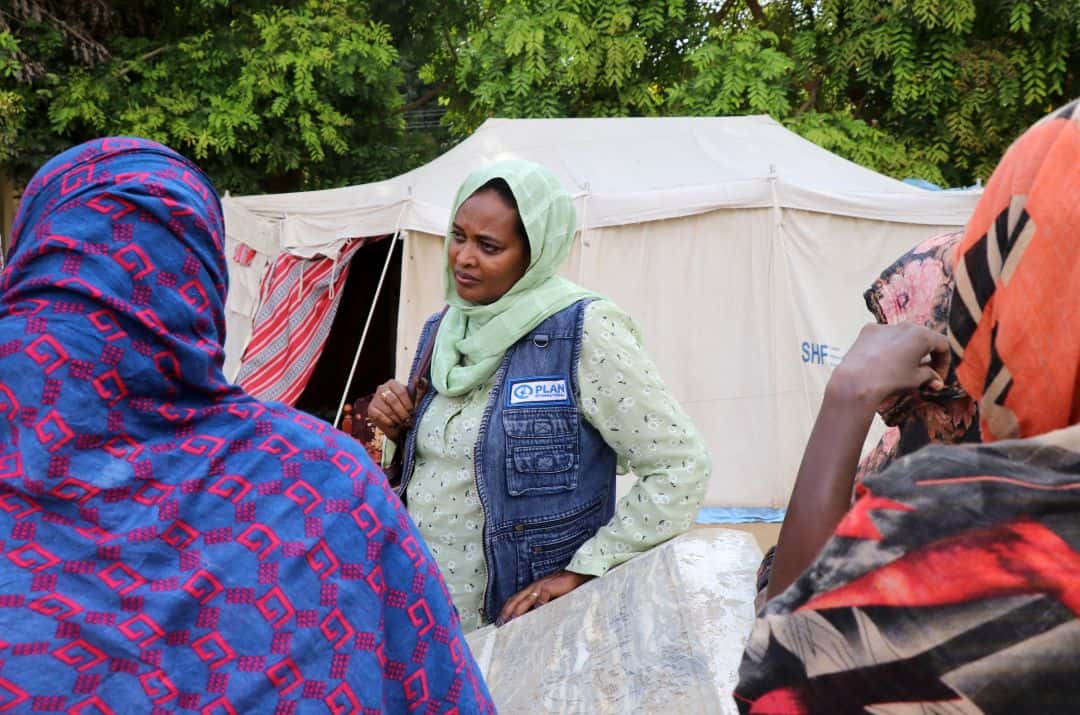
Displaced from her home in Khartoum when the conflict started, Nahid Ali, Plan International’s Communication and Campaigns Coordinator in Sudan, fled her home and moved to Kassala State with her family. Now she is working to ensure that other displaced families have the support they need to rebuild their lives.
As humanitarian workers, we witness daily the suffering of communities trapped in besieged areas, where access is extremely limited. Aid convoys are delayed, blocked or even targeted, and unarmed civilians — particularly women and children — are increasingly caught in the crossfire.
Women and girls bear the heaviest burden. Their bodies have become battlefields in a war marked by widespread sexual and physical violence. Many children arrive alone at displacement shelters, separated from their families during long, dangerous journeys.
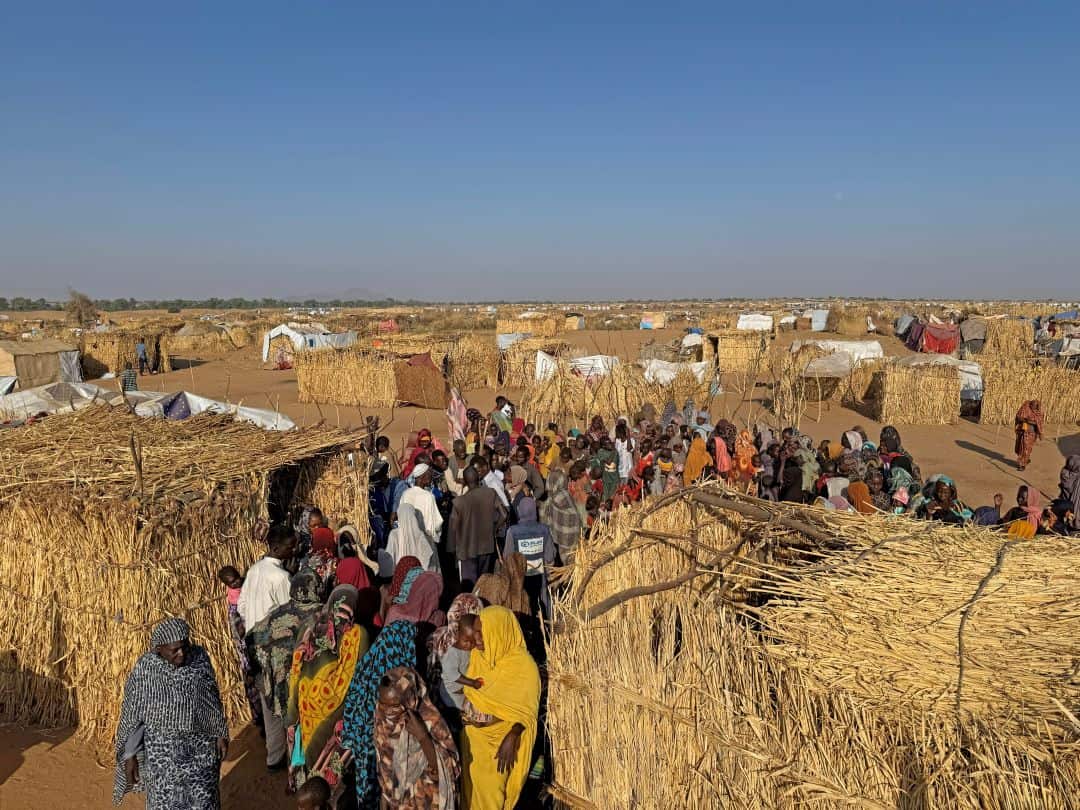
Escalating violence in El Fasher, North Darfur has forced thousands of families to flee. Tawila is now hosting more than 650,000 displaced people, most of them women and children, as aid supplies run out and humanitarian needs continue to grow.
During a recent mission to Al-Aafad in Northern State, I met women and girls who had fled El Fasher. They shared harrowing stories: of watching their families killed, homes destroyed by shelling and lives shattered in a single night.
One woman told me she buried her children in the yard after they died of hunger. Another does not know the fate of her missing husband and son. A young girl said her education ended when the conflict began — and her sense of safety was lost after she was sexually assaulted while trying to flee. Another woman watched her sister die instantly during a shelling attack, leaving behind seven children.
These are not isolated accounts. They represent the daily reality for millions across Sudan. After nearly 1,000 days of conflict, the people of Sudan must not be forgotten. The scale of suffering demands sustained global attention, meaningful action and full accountability.
As a displaced Sudanese mother who knows the pain of raising children in conflict, I urge the international community — governments, donors, media and civil society — to act:
1. Keep Sudan on global political and humanitarian agendas.
2. Amplify the voices of Sudanese women, girls and communities whose stories are often left unheard.
3. Advocate for the protection of civilians — especially women and children — and demand accountability for violations of international humanitarian law.
4. Ensure sustained, flexible humanitarian funding to reach those in besieged and hard-to-access areas.
5. Support access and safety for humanitarian workers so they can deliver life-saving aid without obstruction.
After 1,000 days of war, our commitment remains strong. The needs are overwhelming. Resources are scarce. Funding is falling short. But giving up is not an option.
A New York Times investigation into Elon Musk’s Department of Government Efficiency found that sweeping federal cuts caused widespread disruption while delivering far less savings than claimed. Among the programs affected were 13 Plan International USA grants, including education initiatives designed to keep girls in school and prevent early and forced marriage.
As Plan International USA president and CEO, Shanna Marzilli, told The New York Times, “When we left, a lot of parents could no longer afford to send their children to school,” underscoring how abrupt funding decisions can reverse progress for children and girls, even when the dollar amounts appear small.