Search Results

Search results for

0 result(s) found

A joint statement from more than 100 organizations, sounding the alarm to allow life-saving aid into Gaza.

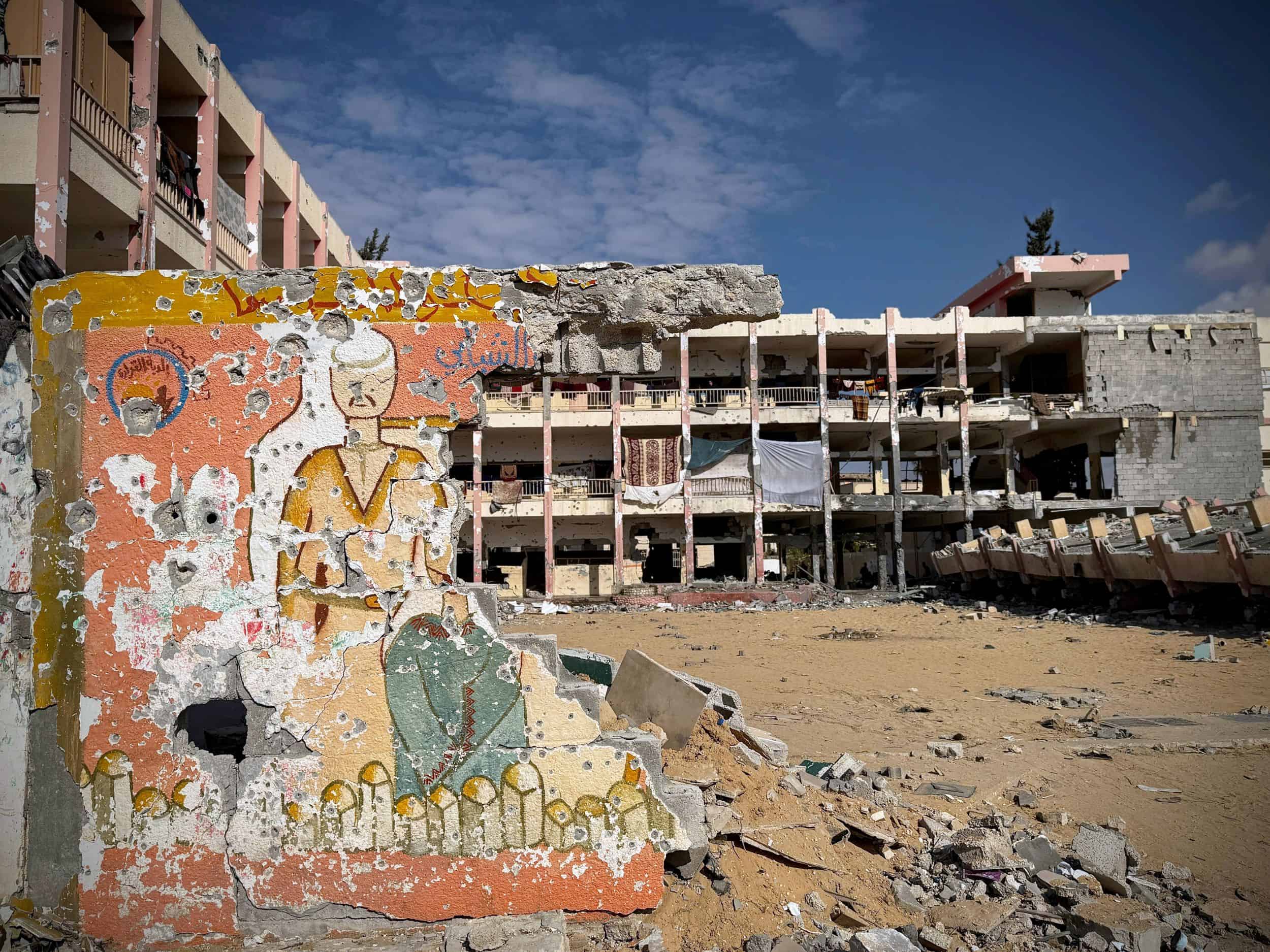
100+ NGOs call for an end to Israel’s weaponization of aid. Despite claims by Israeli authorities that there is no limit on humanitarian aid entering Gaza, most major international NGOs have been unable to deliver a single truck of lifesaving supplies since 2 March.

Instead of clearing the growing backlog of goods, Israeli authorities have rejected requests from dozens of NGOs to bring in lifesaving goods, citing that these organizations are ā€œnot authorized to deliver aid.ā€ In July alone, over 60 requests were denied under this justification.

ā€œAnera has over $7 million worth of lifesaving supplies ready to enter Gaza – including 744 tons of rice, enough for six million meals, blocked in Ashdod just kilometres away,ā€ said Sean Carroll, President and CEO of Anera.

This obstruction has left millions of dollars’ worth of food, medicine, water, and shelter items stranded in warehouses across Jordan and Egypt, while Palestinians are being starved.

Many of the NGOs now told they are not ā€œauthorisedā€ to deliver aid have worked in Gaza for decades, are trusted by communities and experienced in delivering aid safely. Their exclusion has left hospitals without basic supplies, children, people with disabilities, and older people dying from hunger and preventable illnesses, and aid workers themselves going to work hungry.

The obstruction is tied to new INGO registration rules introduced in March. Under these new rules, registration can be denied on the basis of vague and politicised criteria, such as alleged ā€œdelegitimisationā€ of the state of Israel. INGOs warned the process was designed to control independent organisations, silence advocacy, and censor humanitarian reporting. This new bureaucratic obstruction is inconsistent with established international law as it entrenches Israel’s control and annexation of the occupied Palestinian territory.

Unless INGOs submit to the full registration requirements, including the mandatory submission of details of private donors, complete Palestinian staff lists and other sensitive information about personnel for so-called ā€œsecurityā€ vetting to Israeli authorities, many could be forced to halt operations in Gaza and the West Bank, including East Jerusalem, and remove all international staff within 60 days. Some organisations have even been issued a seven-day ultimatum to provide Palestinian staff lists.

NGOs have made clear that sharing such data is unlawful (including under relevant data protection laws), unsafe, and incompatible with humanitarian principles. In the deadliest context for aid workers worldwide, where 98 percent of those humanitarians killed were Palestinian, NGOs have no guarantees that handing over such information would not put staff at further risk, or be used to advance the government of Israel’s stated military and political aims.

Today, INGOs’ fears have proven true: the registration system is now being used to further block aid and deny food and medicine in the midst of the worst-case scenario of famine.

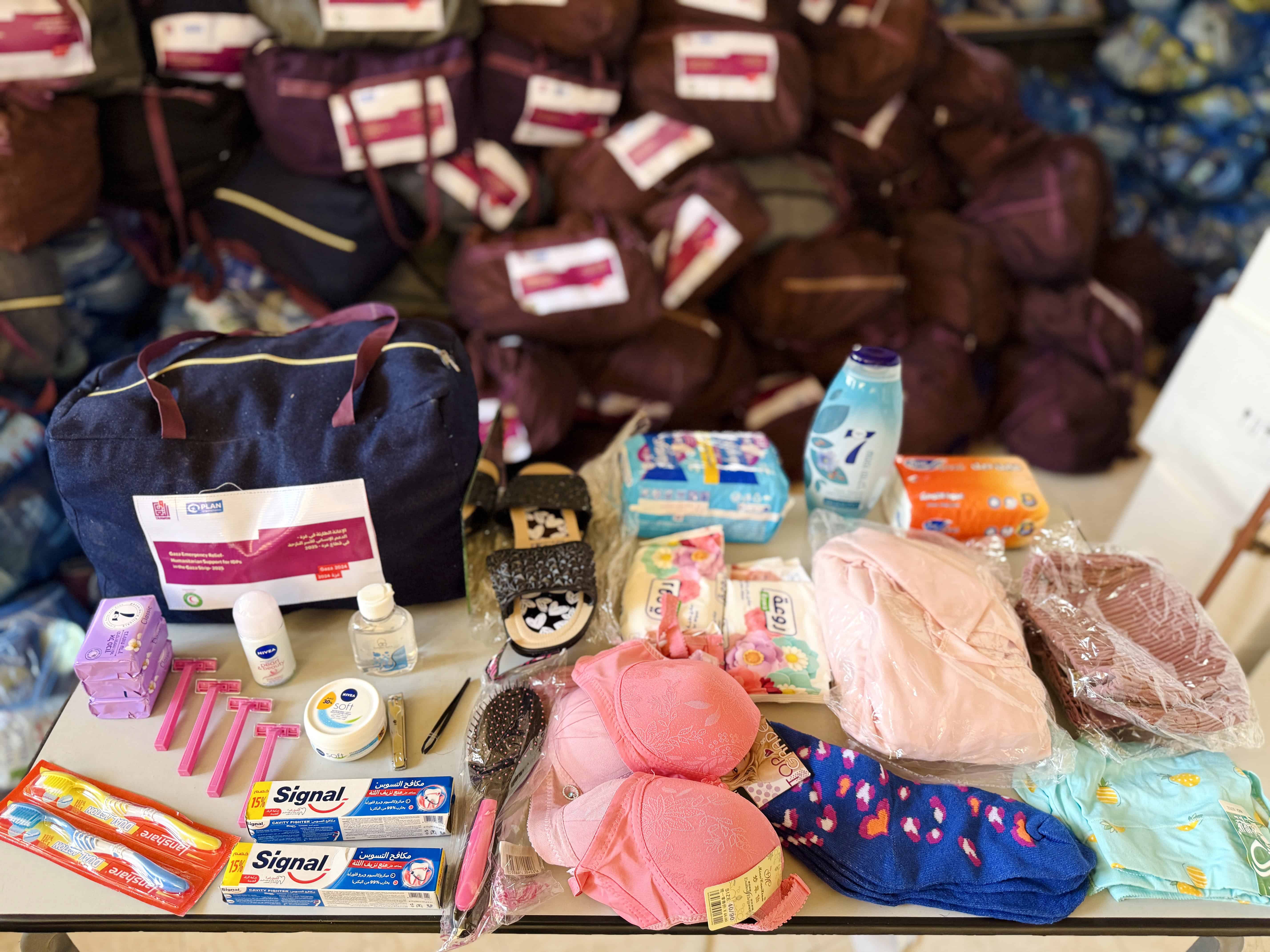
ā€œSince the full siege was imposed on 2 March, CARE has not been able to deliver any of our $1.5 million worth of pre-positioned supplies into Gaza,ā€ said Jolien Veldwijk, Country Director of CARE. ā€œThis includes critical shipments of food parcels, medical supplies, hygiene kits, dignity kits, and maternal and infant care items. Our mandate is to save lives, but due to the registration restrictions civilians are being left without the food, medicine, and protection they urgently need.ā€

ā€œOxfam has over $2.5 million worth of goods that have been rejected from entering Gaza by Israel, especially WASH and hygiene items as well as food,ā€ said Bushra Khalidi, Oxfam Policy Lead. ā€œThis registration process signals to INGOs that their ability to operate may come at the cost of their independence and ability to speak out.ā€

These restrictions are part of a broader strategy that includes the so-called ā€œGHFā€ scheme – a militarized distribution mechanism promoted as a humanitarian solution. In reality, it is a deadly tool of control, with at least 859 Palestinians killed around ā€œGHFā€ sites since it began operating.

ā€œThe militarized food distribution scheme has weaponized starvation and curated suffering. Distributions at GHF sites have resulted in extreme levels of violence and killings, primarily of young Palestinian men, but also of women and children, who have gone to the sites in the hope of receiving food,ā€ according to Aitor Zabalgogeazkoa, MSF emergency coordinator in Gaza.

Both the ā€œGHFā€ scheme and the INGO registration process aim to block impartial aid, exclude Palestinian actors, and replace trusted humanitarian organizations with mechanisms that serve political and military objectives. They come as the government of Israel escalates its military offensive and deepen its occupation in Gaza, making clear these measures are part of a broader strategy to entrench control and erase Palestinian presence.

ā€œAt this point, everyone knows what the correct, humane answer is, and it’s not a floating pier, airdrops or the ā€œGHF.ā€ The answer, to save lives, save humanity and save yourselves from complicity in engineered mass starvation, is to open all the borders, at all hours, to the thousands of trucks, millions of meals and medical supplies, ready and waiting nearby,ā€ said Sean Carroll of Anera.

We call on all states and donors to:

– Press Israel to end the weaponization of aid, including through bureaucratic obstruction, such as the INGO registration procedures.

– Insist that INGOs are not forced to share sensitive personal information, in violation of the General Data Protection Regulation (GDPR), or compromise staff safety or independence as a condition for delivering aid.

– Demand the immediate and unconditional opening of all land crossings and conditions for the delivery of lifesaving humanitarian aid.

Editor's Note

– The occupied Palestinian territory is the deadliest setting for aid workers worldwide, with Palestinian staff accounting for 98% of aid worker fatalities: 509 out of 517 killings that took place between 2023 and 2025,Ā accordingĀ to the Aid Worker Security Database.

– On 6 May, 55 organisationsĀ warnedĀ that Israel’s new INGO registration measures are a grave threat to humanitarian operations and international law.

– On 1 July, 200+ organisationsĀ calledĀ for immediate action to end the deadly Israeli distribution scheme, including the so-called ā€œGHFā€ in Gaza, revert to the existing UN-led coordination mechanisms, and lift the Israeli government’s blockade on aid and commercial supplies.

– On 23 July, 100+ organisationsĀ warnedĀ that, as mass starvation spreads across Gaza, our colleagues and those we serve are wasting away.

– On 29 July, the Integrated Food Security Phase Classification (IPC)Ā wroteĀ that the worst-case scenario of famine is currently playing out in the Gaza Strip.

– Israel has consistentlyĀ denied restrictingĀ the amount of aid allowed into Gaza, including throughout the period of July 2025, when most of the denials discussed in this statement were issued.

– On 31 July, OHCHRĀ wroteĀ that since 27 May, at least 1,373 Palestinians have been killed while seeking food: 859 in the vicinity of the ā€œGHFā€ sites and 514 along the routes of food convoys. Most of these killings were committed by the Israeli forces.

– On 4 August, a Palestinian nurse in GazaĀ was killedĀ when an airdrop struck

– On 5 August, it wasĀ reportedĀ that Israeli authorities are planning for the full occupation of the Gaza Strip.

– On 6 August, UN agencies and NGOsĀ warnedĀ that without immediate action most international NGO partners could be deregistered by Israel in coming weeks.

– On 6 August, the Dutch Data Protection Authority (DPA)Ā concludedĀ that Israel’s information requests under the INGO registration process risk violating the General Data Protection Regulation (GDPR). The DPA advised that INGOs should not comply with these requests, and that the only solution is for Israel to amend its requirements and for the relevant ministries to issue a formal protest.

– On 7 August, MSFĀ releasedĀ a report stating food distributions in Gaza run by the so-called ā€œGHFā€ are sites of ā€œorchestrated killing and dehumanizationā€ that must be shut ā€

– On 10 August, Save the ChildrenĀ reportedĀ the deaths of 100 children due to starvation in Gaza since October 2023.

– On 12 August, a group of UN Special Rapporteurs on human rightsĀ publishedĀ a letter to the Israeli government, stating deep concern that the INGO registration measures ā€œweaken the ability of INGOs to operate independently and impartially and to carry out their humanitarian and human rights work without interference or fear of reprisalā€ and that ā€œthe obligation to report on INGO personnel, in the context of occupation, armed conflict and serious violations of international law, could raise serious protection and reprisal concerns.ā€

Signatories

  1. Action Against Hunger (ACF)
  2. A New Policy
  3. ACT Alliance
  4. Action For Humanity
  5. ActionAid Denmark
  6. ActionAid International
  7. All We Can
  8. Alliance Sud
  9. American Friends Service Committee (AFSC)
  10. Americares
  11. Anera
  12. Asamblea de Cooperación por la Paz
  13. Bystanders No More
  14. Campaign Against Arms Trade
  15. Canadian Foodgrains Bank
  16. CARE
  17. Caritas Internationalis
  18. Caritas Jerusalem
  19. Caritas Middle East and North Africa
  20. Caritas Switzerland
  21. Center for Jewish Nonviolence
  22. Charity & Security Network
  23. Children Not Numbers
  24. Christian Aid
  25. Churches for Middle East Peace (CMEP)
  26. CISS – Cooperazione Internazionale Sud Sud
  27. Committee to Protect Journalists
  28. Cooperation Canada
  29. COORDINADORA VALENCIANA ONGD
  30. DanChurchAid
  31. Danish Refugee Council (DRC)
  32. Department of Service to the Palestinian Refugees
  33. Diakonia
  34. Diakonie Katastrophenhilfe
  35. EDUCO
  36. Embrace the Middle East
  37. Emergency – Life Support for Civilian War Victims Ong Ets
  38. Entreculturas
  39. Forum Ziviler Friedensdienst V. (Pro Peace)
  40. Frieda – the Feminist Peace Organization
  41. Friends Committee on National Legislation (FCNL)
  42. Fund for Global Human Rights
  43. Glia
  44. HEKS/EPER (Swiss Church Aid)
  45. HelpAge International
  46. Humanitarian Coalition
  47. Humanity Auxilium
  48. Humanity & Inclusion – Handicap International
  49. Humanity First UK
  50. INARA
  51. Insecurity Insight
  52. International Development and Relief Foundation (IDRF)
  53. INTERSOS
  54. Islamic Relief
  55. Jahalin Solidarity
  56. Japan International Volunteer Center (JVC)
  57. Jüdische Stimme für Demokratie und Gerechtigkeit in Israel/Palästina JVJP Switzerland
  58. KinderUSA
  59. Kvinna till Kvinna Foundation
  60. La Coordinadora de Organizaciones para el Desarrollo (The Spanish Development NGO Platform)
  61. MƩdecins du Monde France
  62. MƩdecins du Monde International Network
  63. Médecins Sans Frontières (MSF)
  64. MedGlobal
  65. Medical Aid for Palestinians (MAP)
  66. medico international
  67. medico international schweiz
  68. Mennonite Central Committee (MCC)
  69. Middle East Children’s Alliance
  70. MPower Change Action Fund
  71. Muslim Aid
  72. NORWAC – Norwegian Aid Committee
  73. Norwegian Church Aid
  74. Norwegian People’s Aid (NPA)
  75. Norwegian Refugee Council (NRC)
  76. Oxfam
  77. Palestinian Children’s Relief Fund (PCRF)
  78. PANZMA – Palestinian Australian New Zealand Medical Association
  79. PARCIC
  80. Pax Christi International
  81. Peace Watch Switzerland
  82. People in Need (PIN)
  83. Plan International
  84. Polish Humanitarian Action (PAH)
  85. Portuguese Platform of Development NGOs
  86. Premiere Urgence Internationale (PUI)
  87. Project HOPE
  88. Relief International
  89. Right to Play
  90. Sabeel-Kairos UK
  91. Saferworld
  92. Save the Children International
  93. Secours Islamique France (SIF)
  94. Solidar Suisse
  95. SolidaritƩs International
  96. SWISSAID
  97. Terre des Hommes Italy
  98. Terre des Hommes Lausanne
  99. The Eastern Mediterranean Public Health Network (EMPHNET)
  100. The United Church of Canada
  101. United Against Inhumanity (UAI)
  102. Vento di Terra
  103. War Child Alliance
  104. Weltfriedensdienst V.

Ā 

For further information or interview requests, please contact:

Robin Knowles, Global Media Manager, Plan International
Tel: +1 (437) 326-8410
Email: [email protected]

About Plan International

Plan International is an international development and humanitarian nonprofit that advances children’s rights and equality for girls. Working together with children, young people, supporters and partners, we strive for a just world, tackling the root causes of challenges children face. We are there from birth until adulthood, and we support children to prepare for and respond to crises and adversity, while particularly focusing on the experiences of girls. With more than 85 years of experience, we work to transform lives in more than 80 countries. We won’t stop until we are all equal.

For more information, please visit www.PlanUSA.org.

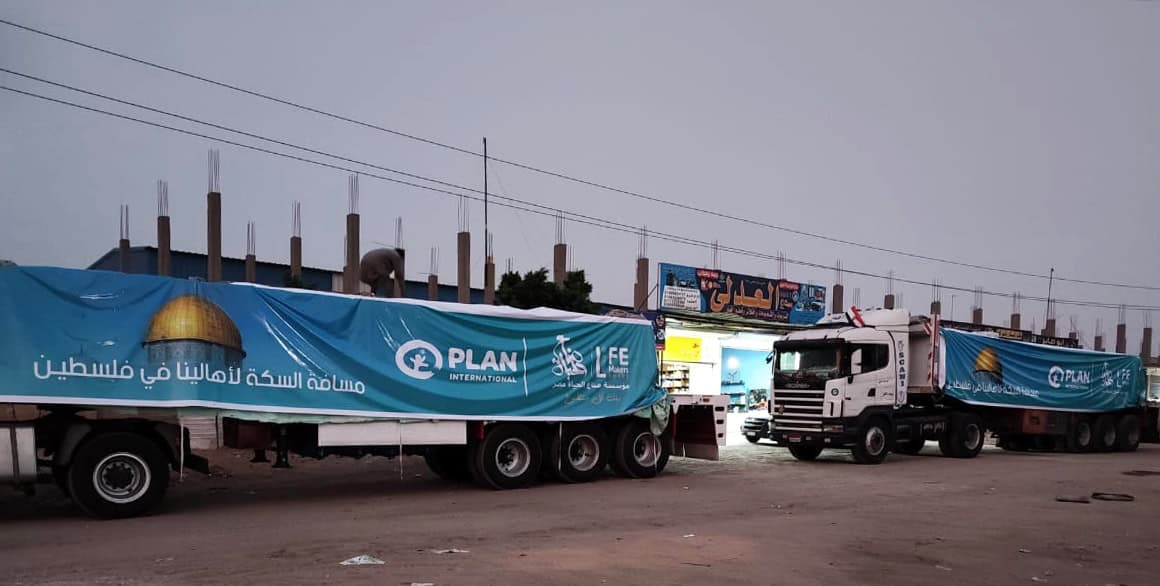
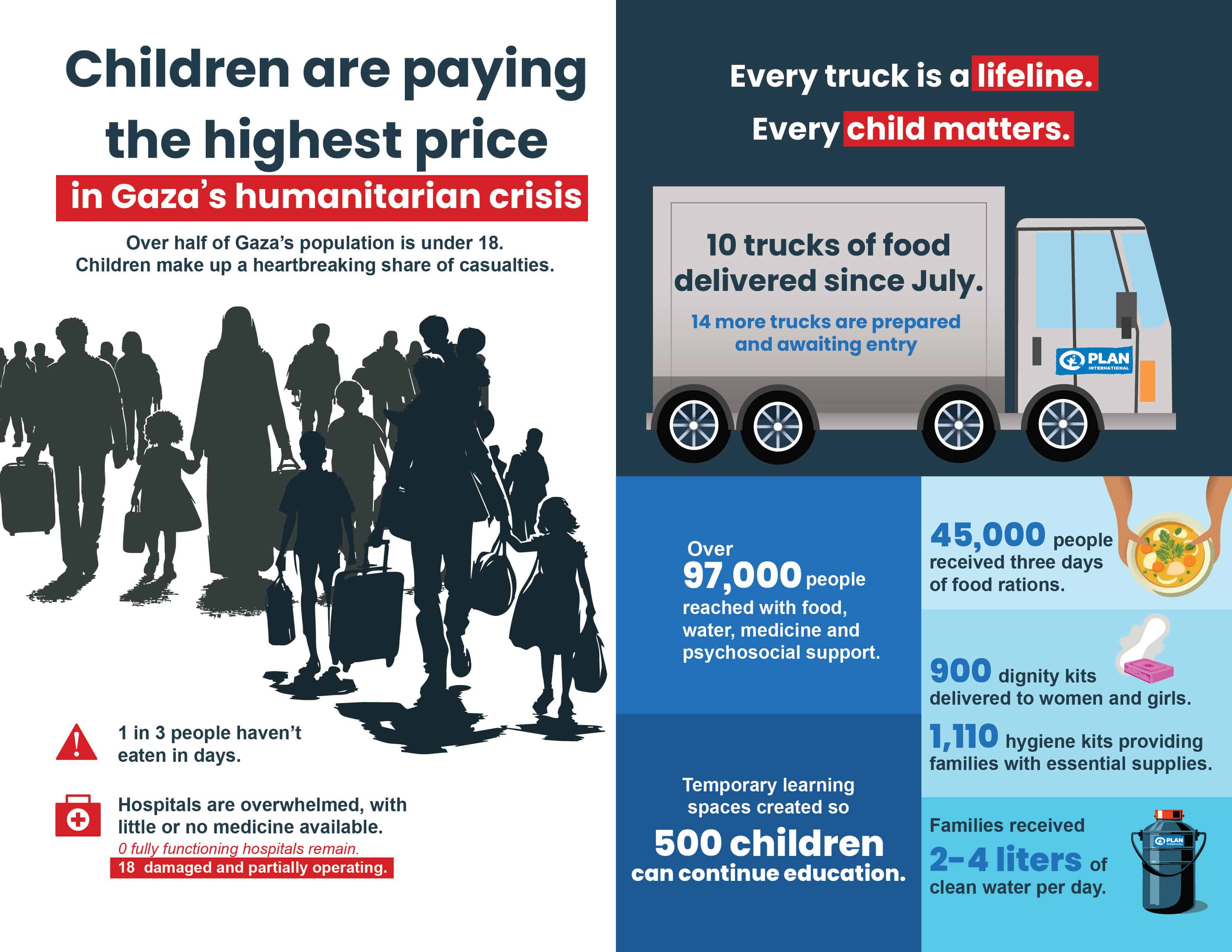
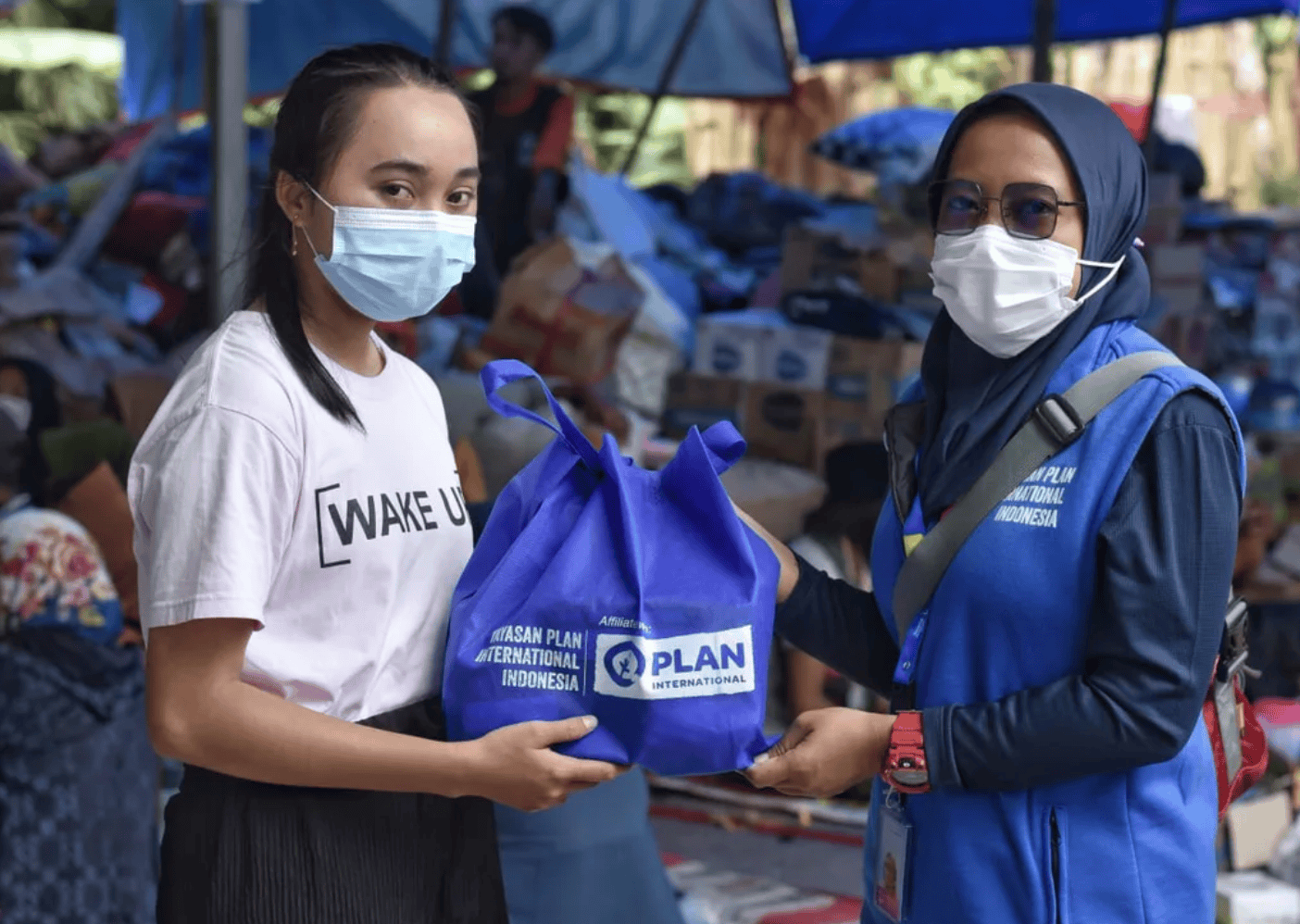
Humanitarian aid truck with Plan International banner

Discover how one young woman’s passion and her mom’s unwavering support are turning big dreams into real-world change.

Back-to-school season means fresh notebooks, new routines, and, for some students, brand-new opportunities to lead. At Plan International, our Youth Advisory Board is where bold ideas meet real impact. This group of passionate teens and young adults from across the U.S. works side by side with Plan’s leadership to ensure young voices are part of the decisions shaping the future for girls everywhere.

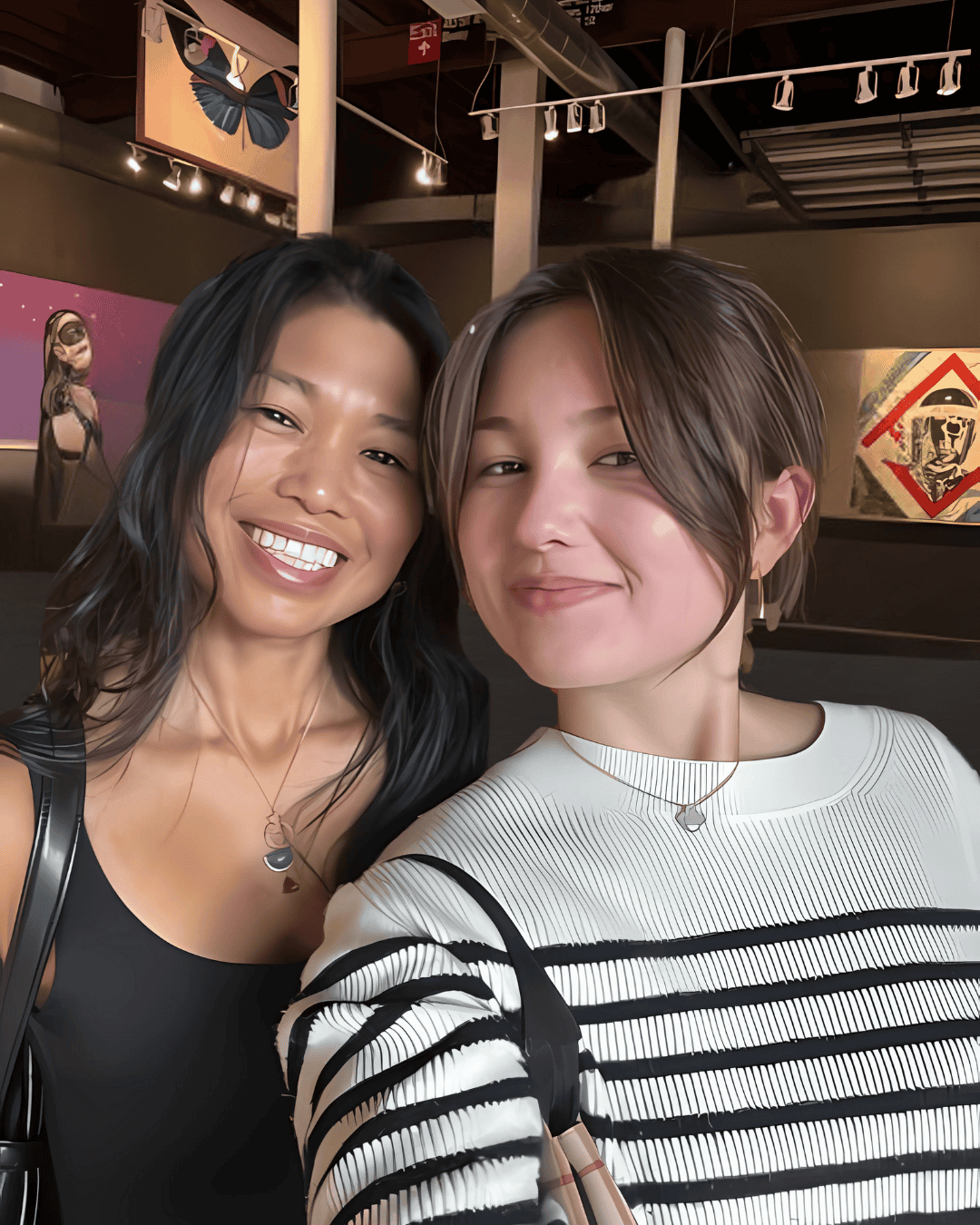
One of those changemakers is Byronie, a university student and advocate for educational equity whose passion for global youth policy is matched by her mom Sara’s dedication to empowering women and communities. Together, they offer a rare, dual perspective on leadership — one from a young leader finding her voice, and the other from the parent who has been cheering, guiding and inspiring her every step of the way.

Come meet Byronie and Sara and see how leadership can start at home — and grow to reach the world.

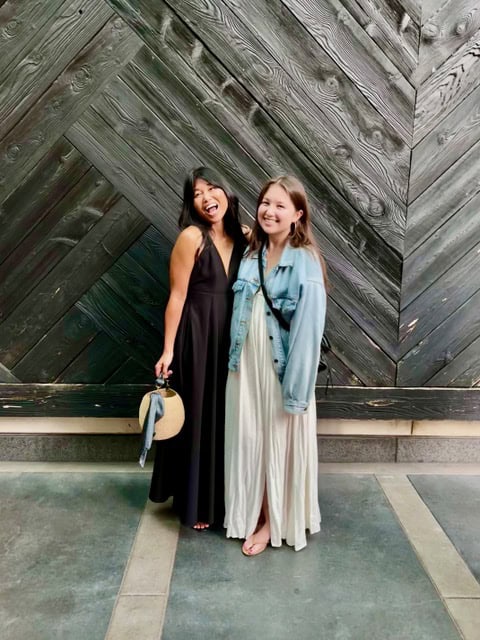
Byronie (right) and her mom, Sara, share how family support can help young leaders thrive — from the kitchen table to the world stage.

Byronie (right) and her mom, Sara, share how family support can help young leaders thrive — from the kitchen table to the world stage.

ā€œLoveā€ — one word that describes us

Byronie: ā€œAs daughter to the best mom in the world, she is undoubtedly my best friend and the person I tell everything to. Whether it’s personal or professional, she gives the best advice, and I constantly think, ā€˜I want to be her when I grow up!ā€™ā€

Sara: ā€œFor me, love is everything — and my family is at the heart of it all.ā€

A proud beginning

Sara: ā€œPhilanthropy and giving back to the community have always been important to me. Seeing Byronie take on new challenges and find her own path and causes that are meaningful to her has been a highlight of watching her grow up. I am incredibly proud of her commitment to service and can’t wait to see what unfolds for her.ā€

A global perspective

Sara: ā€œI’ve seen her perspective expand so much since she started working with Plan. At first, her view was shaped mainly by her own experiences and what she observed at home in Portland, Oregon, and in the U.S. However, through her work with Plan, she has connected with young people from across the globe and gained a profound understanding of the challenges they face. It’s been incredible to watch her develop a more global and deeply empathetic outlook — one grounded in a broader awareness of what young people are experiencing around the world versus just within her community.ā€

A moment that stood out

Sara: ā€œOne moment that really stands out for me was when Byronie was invited to attend the United Nations Commission on the Status of Women. It was such an incredible opportunity — especially at her age — to be surrounded by powerful voices and global leaders. I could see how much it impacted her. She came home more confident, more thoughtful and with a real sense of purpose. Experiences like that are shaping who she is and who she’s becoming, and I’m just so grateful she’s had the chance to be part of something so meaningful.ā€

Support every step of the way

Byronie: ā€œMy mom has been there, truly, every step of the way in my journey with Plan — both in the Youth Advisory Board and running the London Marathon with Plan. She is my biggest supporter and my biggest advocate. My mother is the most important woman in my life. But more than anything, she is also my inspiration. Growing up, she was always a champion for causes she cares about — a leader focused on humanity and connection. She always led with poise, grace and organization. I aspire to be that kind of leader and that kind of woman. It is her example that I have found most supportive in these last two years at Plan.ā€

Byronie (right) and Sara know that big change often starts with the people who believe in you most.

Byronie (right) and Sara know that big change often starts with the people who believe in you most.

Lessons in independence

Sara: ā€œI’m constantly learning from Byronie, but if I had to name one thing that really stands out, it’s independence. This year, she lived abroad in the United Kingdom, and that experience felt even more significant than when she first left for college. So much of my identity has been centered around being a mom, and watching her spread her wings in such a big way — so far from home — was both beautiful and challenging. I’ve had to come to terms with her growing independence, and in doing so, I’ve found myself reevaluating my path as well. As she steps into this exciting chapter of young adulthood, I’m also beginning to explore new opportunities and experiences I hadn’t had the bandwidth for before. It’s been a season of growth for both of us.ā€

What we admire most

Sara: ā€œIt’s hard to choose just one thing I admire most about Byronie, but what stands out is how deeply caring and empathetic she is — it’s just part of who she is. I admire her kindness, her determination and the way she shows up wholeheartedly for the people she loves and the causes she believes in. She has always had a strong inner drive to make a difference, and I know that her passion for creating a better world will carry her far in whatever path she chooses to pursue.ā€

Advice for other families

Sara: ā€œI’d tell any parent with a child interested in YAB to be supportive and open-minded. For our family, it was incredible to see how Byronie’s eyes were opened to the very real and varied challenges that youth face around the world. It gave her perspective — some of the things she used to worry about started to feel smaller in comparison. Being part of YAB broadened her understanding of global issues and policy in a way that has shaped her view of the world. But even as they step into big ideas and take on the important work of Plan, they’re still young — and they still need our support and guidance. It’s essential to be present to discuss what they’re learning and the emotions associated with this experience.ā€

Looking ahead

Sara: ā€œI’ve seen her grow so much, both personally and professionally, through her time at YAB. Her view of the world has expanded, and she has acquired critical professional skills, including leadership, communication, working with diverse team members, and managing, motivating and supporting others. I believe this experience is helping to prepare her for whatever challenges she may face in the workplace and life. What matters most to me is how YAB has sparked a deeper curiosity in her and a real desire to connect with people. I hope she always holds on to that empathy and her strong sense of our shared humanity and keeps working toward a kinder, more just world. Change doesn’t always come from big, dramatic moments — it’s often the small, everyday actions rooted in kindness and compassion that really make a difference. She’s already taking those steps, and I’m sure she’ll keep making a difference in everything she puts her heart into.ā€

Closing reflection

From international conferences to everyday conversations at home, Byronie’s journey with the YAB has been shaped by both her own determination and the steady encouragement of her mom. Sara’s pride in her daughter’s growth is matched by her belief that parents play a vital role in helping young leaders thrive — not by leading for them, but by creating the space and support they need to lead themselves.

Their story is a reminder that leadership isn’t just about the titles we hold but about the people who stand beside us as we learn, grow and take action. Sometimes, the first step toward changing the world starts with someone at home saying, ā€œI believe in you.ā€

In disaster-prone Indonesia, girls and marginalized children face unique risks when emergencies hit. Maulinna Utaminingsih, a humanitarian expert with Plan International, shares what an inclusive, ethical response really looks like – and how it can change lives.

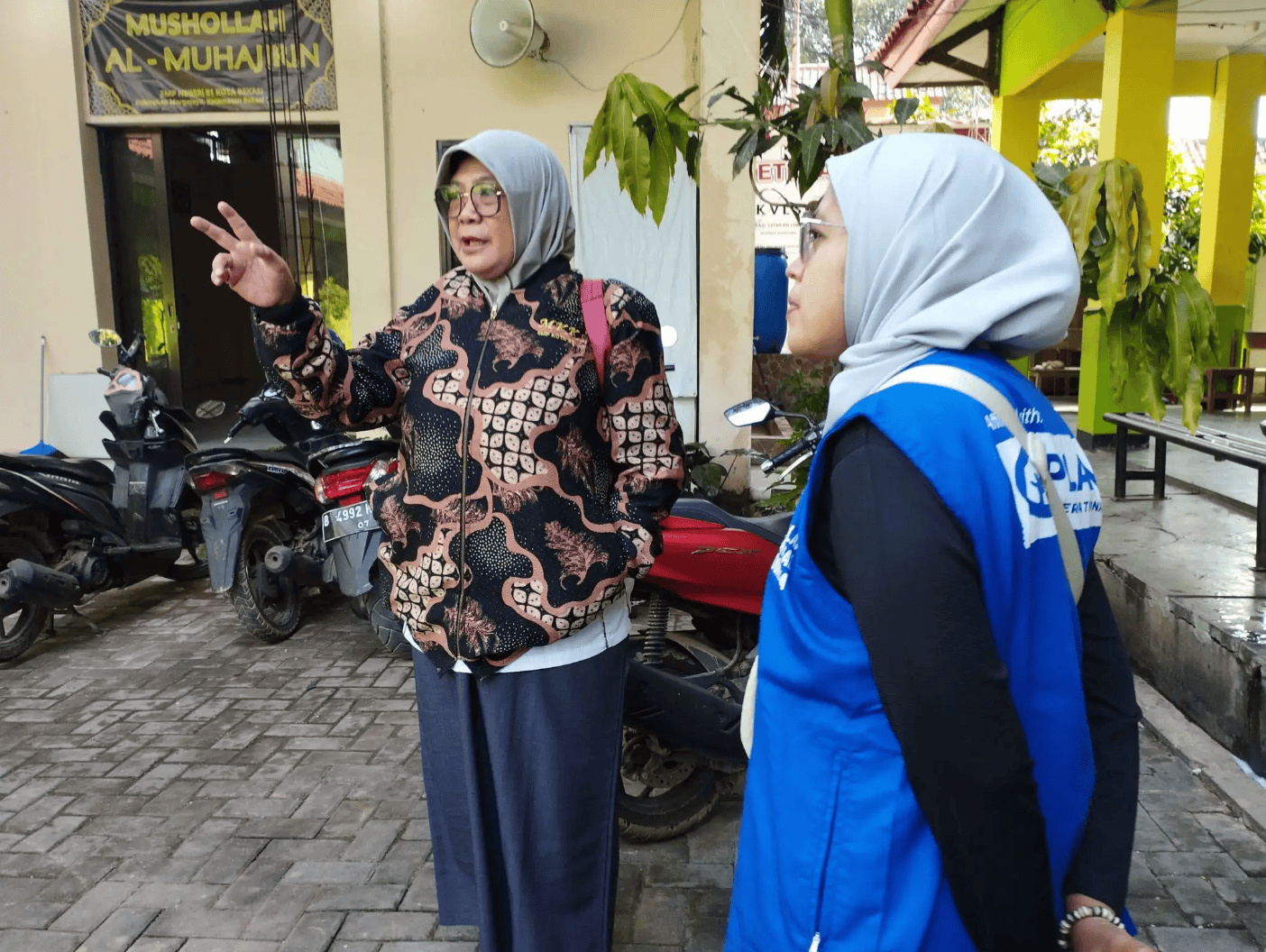
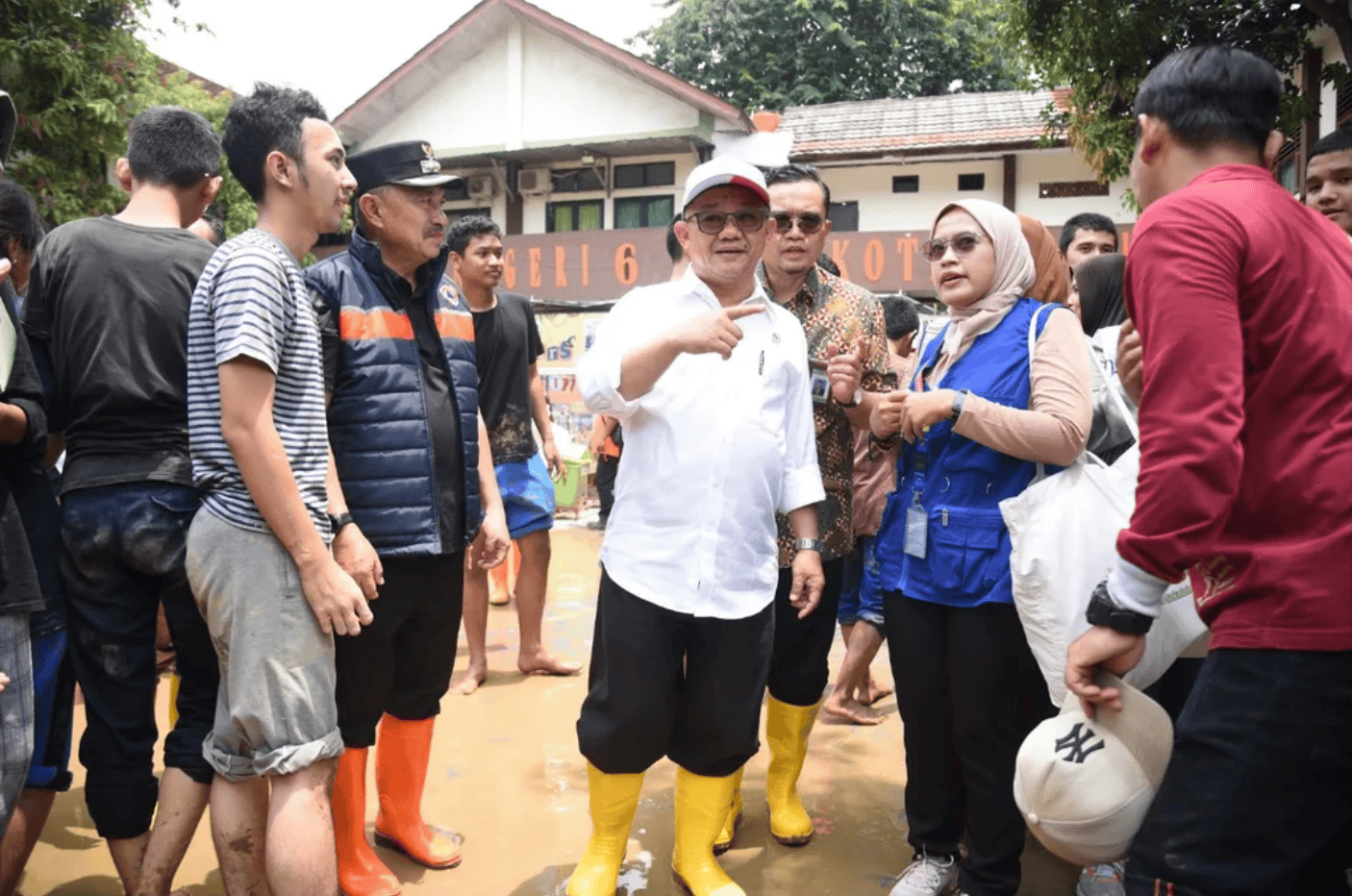
Maulinna speaking to a local about what the community needs as part of the response assessment after the Bekasi flood. Ā© Plan International

When I first joined Plan Indonesia’s emergency response team in 2010, I wasn’t sure where the journey would take me. What I knew was quite simple though: I wanted to help people the right way, the dignified way, without causing further harm.

Over time, what started as a calling has become a lifelong commitment. From water, sanitation and hygiene (WASH) and education in emergencies to child protection, I’ve worked in different regions and in different roles, from leading disaster response efforts to training others. The more I work closely with disaster-affected communities, the more I understand just how critical it is that humanitarian response be rapid, inclusive, and above all, protection-sensitive. At the heart of our work is one clear priority: making sure that children, especially girls, those with disabilities, and those from the most marginalized communities, are not left behind.

When distribution is unequal

Indonesia faces disasters every year, from earthquakes and floods to landslides and volcanic eruptions. These events ripple through every part of life, disrupting health services, education, livelihoods, and public safety. But while the response efforts are often well-intentioned, I’ve seen firsthand how they can fall short of fundamental humanitarian principles. Too often, there is a lack of understanding about what an effective and ethical emergency response really looks like. I’ve heard people say that ā€˜aid distribution is unequal,’ and it’s true.

Often, aid is distributed unevenly, sometimes requiring documents that survivors have lost in the chaos. Donations can pile up but remain undelivered due to a lack of personnel or planning. Sometimes, well-meaning people bypass formal channels altogether, creating uncoordinated distributions that result in some families receiving multiple school bags — in one case, a single child received 13 school bags — while others go without basic essentials. One young woman I met told me she didn’t feel comfortable asking for sanitary pads at a relief center because every volunteer was male. It’s a small detail that speaks volumes. Without a gender-sensitive approach, we risk silencing the needs of half the population.

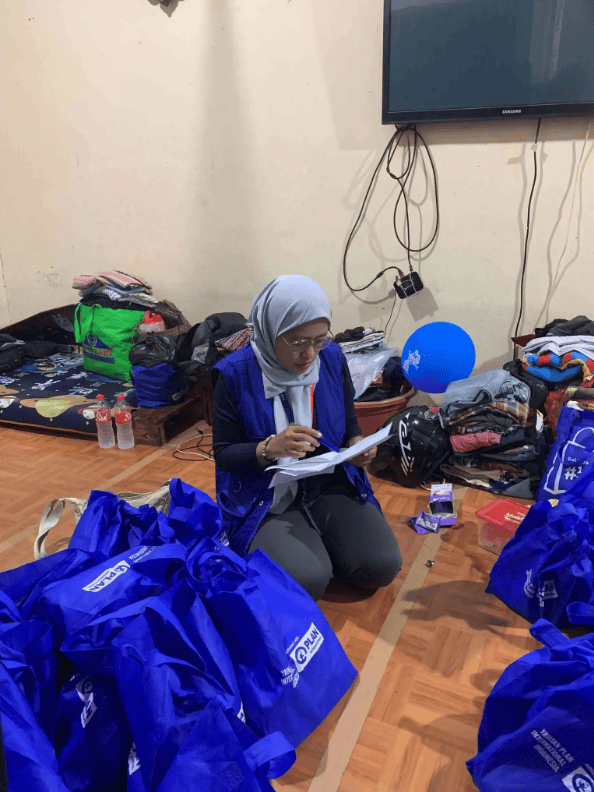
Maulinna checking off the distribution list to ensure people are receiving the correct aid after the Bekasi flood. Ā© Plan International

Children, too, face unique struggles. Some are embarrassed to return to school without uniforms or supplies. Others are bullied for wearing different clothes or transferring into unfamiliar schools. The emotional impact of a disaster doesn’t end with physical safety; it remains in shame, disruption, and the loss of routine.

Involving people in shaping the help they receive

That’s why our work at Plan Indonesia is focused not just on response, but on building systems that protect, include, and empower people and communities. We’ve distributed hygiene kits containing items like underwear that are often forgotten, but critically needed. We’ve trained teachers on how to continue education in emergencies. These small but meaningful steps are making a big difference.

In every response, we also set up feedback mechanisms with support from local government and youth volunteers. These systems have become an important bridge, allowing affected communities to ask questions, make suggestions, or quite simply be heard and be seen. People were grateful that their concerns were met with real answers, and for many, it was the first time they felt included in shaping the help they received.

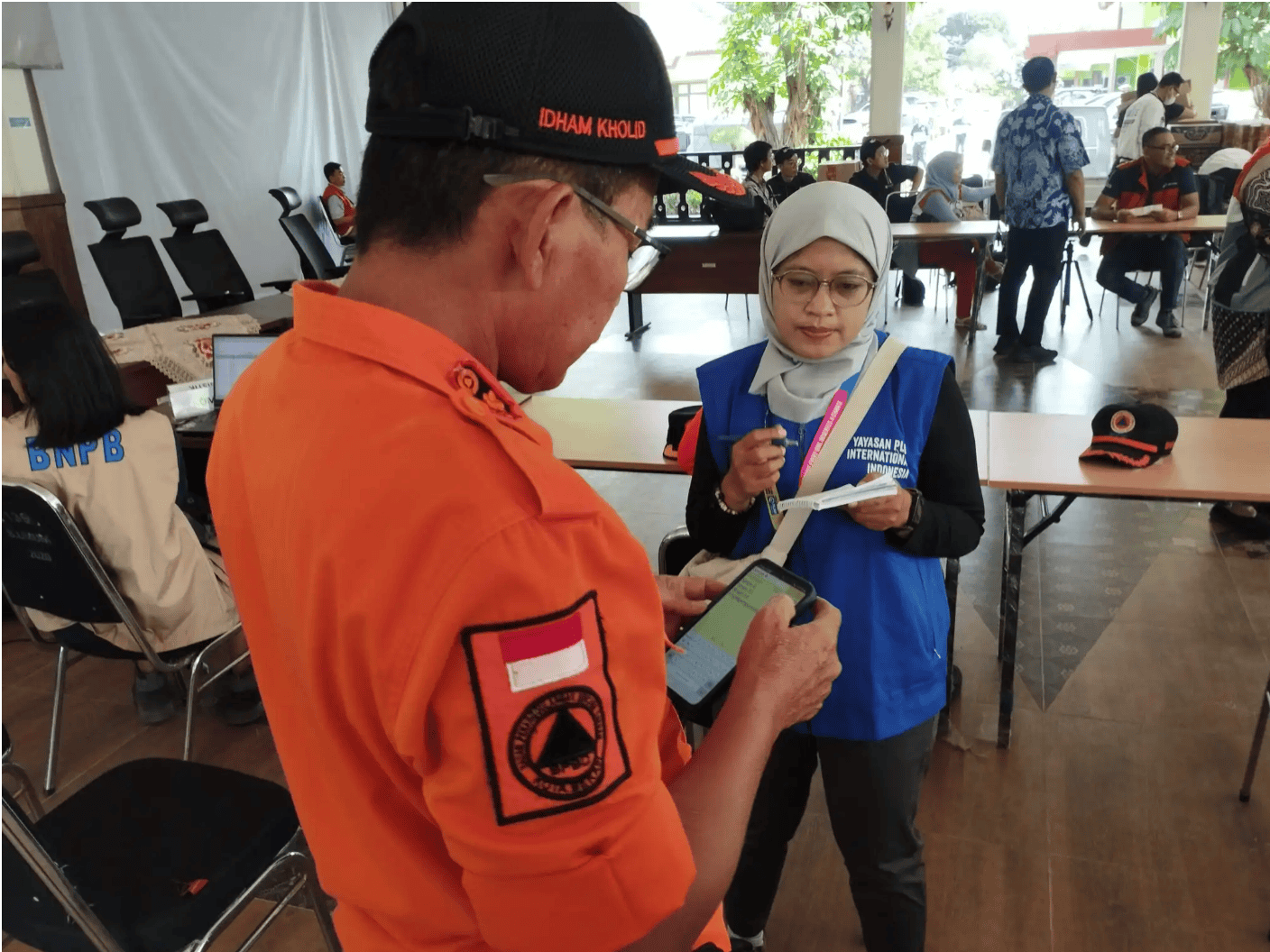
Maulinna coordinating the rapid needs assessment after the Bekasi flood.

Education can’t be overlooked

Still, there is much more to do. My biggest concern is that education continues to be overlooked in the early days of a disaster. Schools are often used as evacuation shelters, and the learning process is put on hold. But for children, school is more than just a classroom; it’s stability, safety and a space to recover emotionally.

If I could make one change, it would be to ensure that every school in Indonesia — not just on paper, but in practice — is prepared for disaster. That means drills, not just documents, and community participation, not just policies, and it means making sure that infrastructure is truly safe so schools can remain open even when everything else shuts down.

Maulinna meeting with the Education Ministry during the Bekasi flood, to assess the required educational response. Ā© Plan International

Invest in training

My message to donors and global partners is simple: invest in training. Support teachers, youth and education authorities across all regions so that when disaster strikes, the response is fast, inclusive, and appropriate. We can reach a future where no child is harmed at school, and no day of learning is lost.

What gives me hope is the belief that children deserve to feel safe, even in times of crisis. We are not doing this alone, either. Collaboration with government, schools, and local communities is precious and a work in progress. I believe that if we engage young people now, we’re not just helping in the moment; we’re building a more resilient, more prepared generation for the future.

Maulinna (right) distributing hygiene kits during the assessment of the eruption of Mount Semeru, East Java. Ā© Plan International

Stay updated on Plan International’s technical work by

signing up for ā€œFrom Plan to Action,ā€

our quarterly newsletter.

How school meals and safe spaces are helping Myanmar’s children rebuild after the earthquake

When the 7.7-magnitude earthquake struck Myanmar’s Mandalay region on March 28, 2025, it took only seconds for entire communities to be torn apart. Families lost loved ones. Homes collapsed. Schools crumbled. Then, just as the dust began to settle, a 6.9-magnitude aftershock hit causing even more destruction.

Three months later, the scars remain. More than 3,700 people have died. Over 200,000 were forced from their homes. In the hardest-hit areas of Mandalay and Sagaing, vital infrastructure — roads, bridges and classrooms — was destroyed.

For children — especially girls — the road to recovery is long. Schools were shut down. Families had to relocate. Routines that once provided safety and structure vanished overnight.

But even in the face of such loss, there is hope.

With support from organizations like The Rockefeller Foundation and by working closely with local communities and government, Plan International is helping children heal with food, education and care.

Children and facilitators gather in a child-friendly space in Myanmar after the earthquake

Education, safety and meals: A child-centered response

In partnership with local organizations and ministries, Plan International Myanmar quickly launched a response centered on children’s needs. With funding from The Rockefeller Foundation, we focused on creating stability through safe learning spaces, psychosocial support and nutritious meals.

Together, we are:

— Providing meals to 600 primary school students.

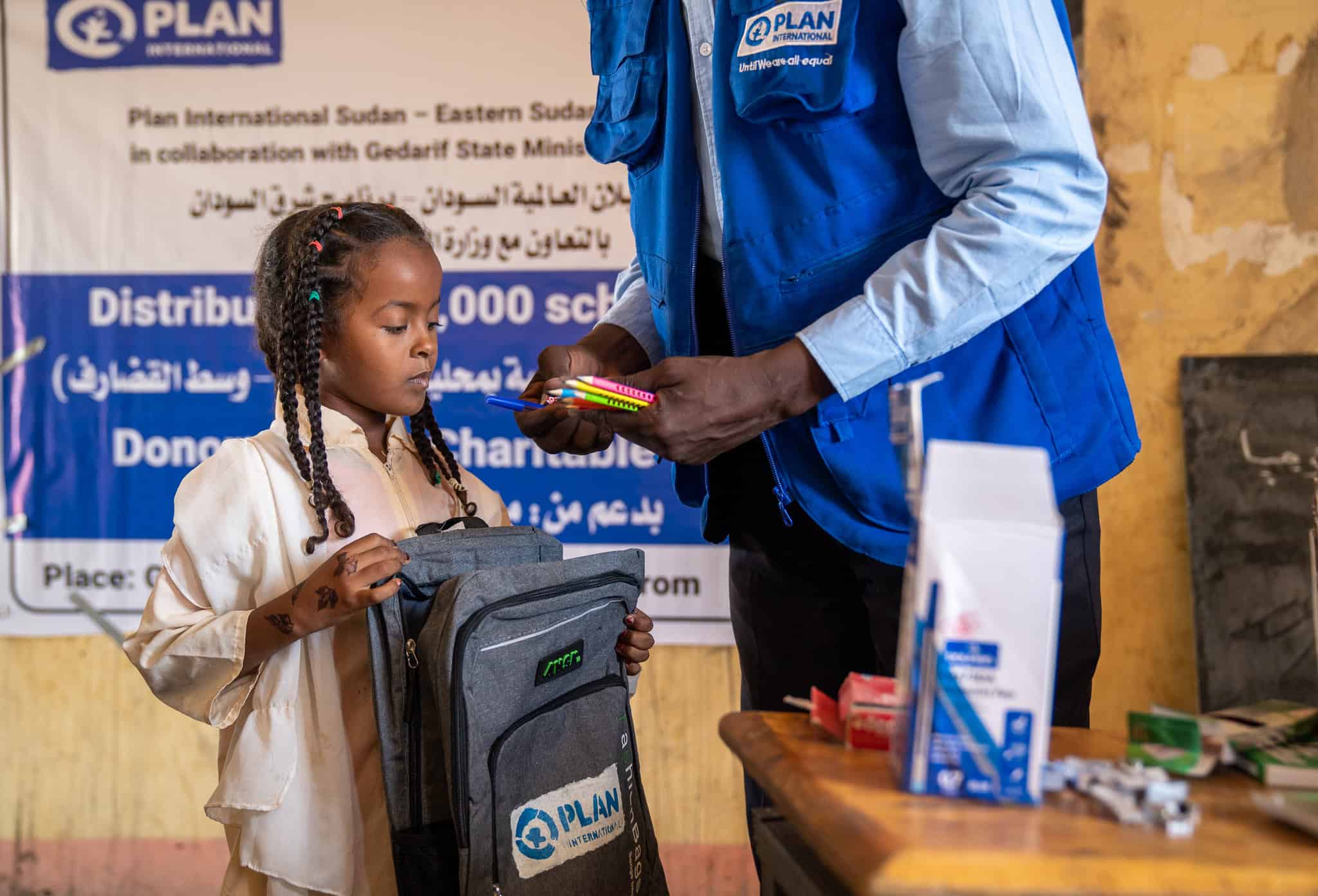
— Distributing ā€œback to schoolā€ kits with basic school supplies.

— Setting up six safe spaces where children can learn, play and get support for their well-being.

— Training 35 teachers on how to care for students’ emotional well-being.

— Repairing two primary schools and two early childhood centers.

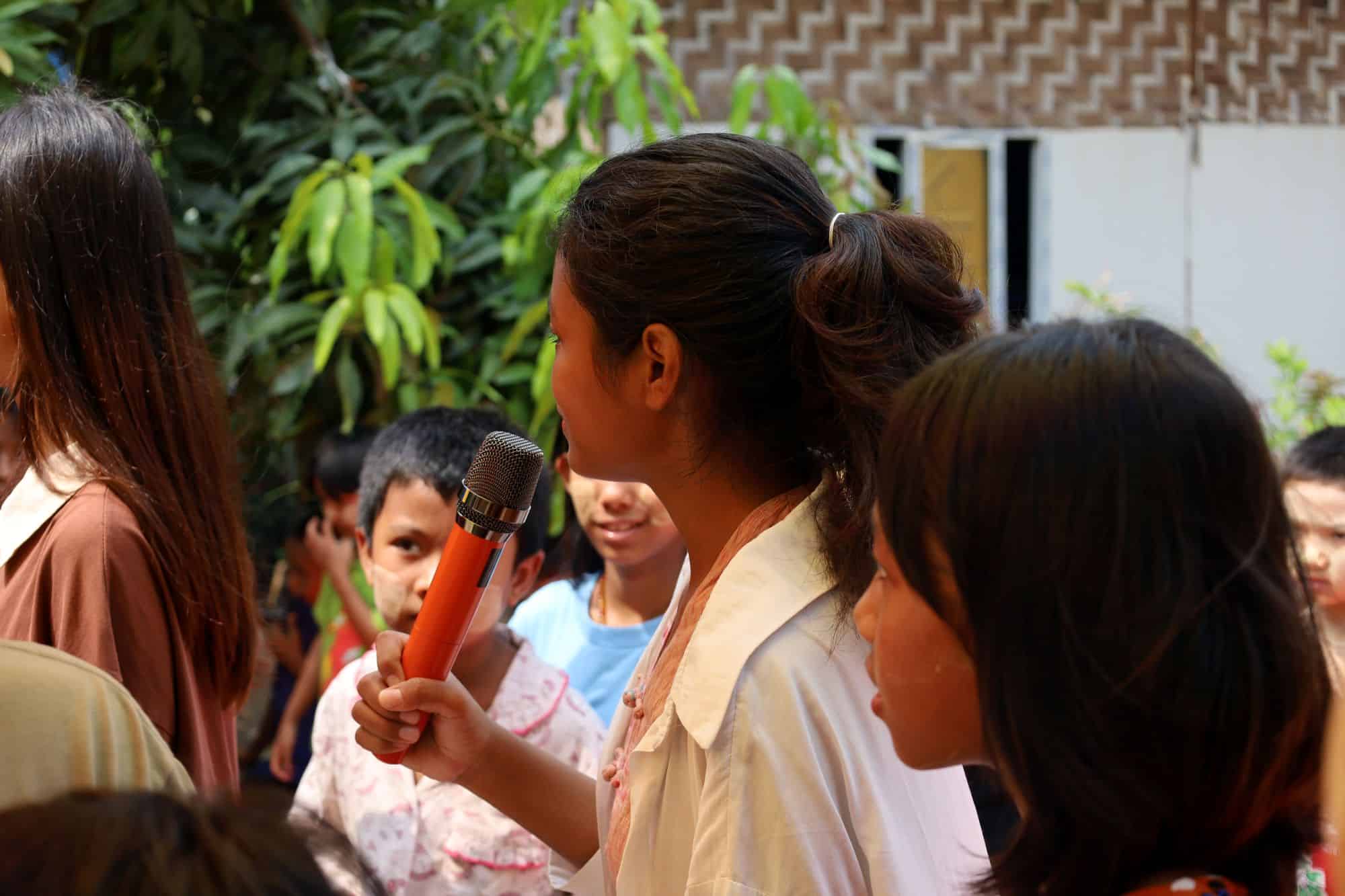
ā€œOver 9-year-olds are in the older group, and they play games for the older children. Then, the children under 9 years old play with playdough. They draw. They do coloring. And they assemble construction toys.ā€ — Nan, 23, a volunteer at a child-friendly space in Mandalay

Young woman holding a microphone while leading a group of children in outdoor activities at a child-friendly space in Mandalay, Myanmar.
Nan, a 23-year-old volunteer, leads group activities for children at a child-friendly space in Mandalay, Myanmar. The space is part of Plan International’s earthquake recovery response. | Ā© Plan International

These efforts are more than just short-term relief. They are investments in children’s futures — especially the youngest learners. They are also designed to be inclusive of girls, children with disabilities and others who are too often left behind in emergencies.

ā€œFor the older children, we let them play mostly the games that have to be played in groups. While in a group, one could help when the other is wrong. In this way, we teach the older children more about playing together in groups. Later most of the children learned to tolerate and work in teams.ā€ — Nan

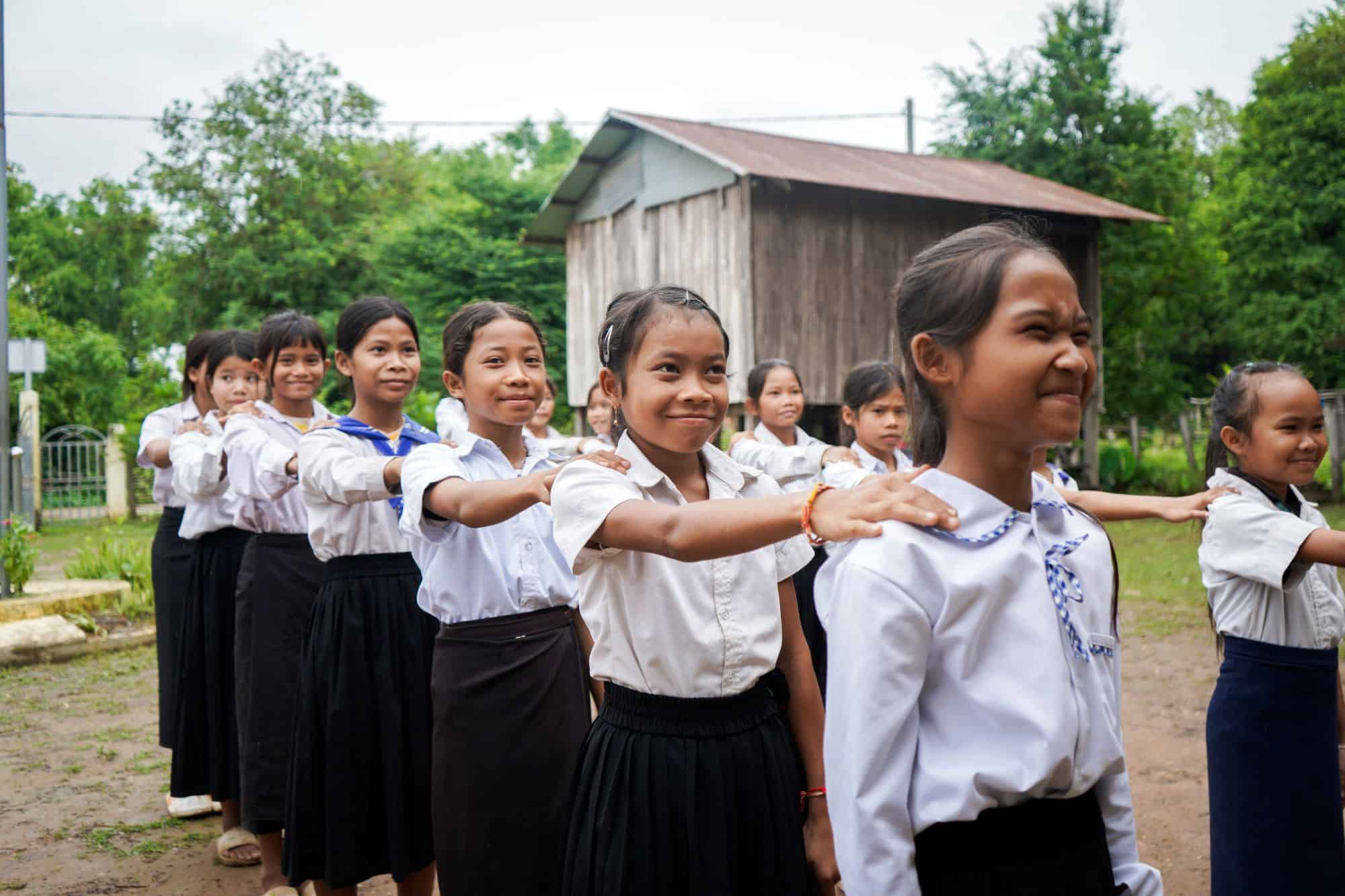
Children stand in rows inside an open shelter, raising their arms in a group activity at a child-friendly space in Mandalay, Myanmar.
Children participate in a group activity at a Plan International-supported child-friendly space in Myanmar’s Mandalay region. These spaces have helped nearly 3,800 children recover through play, learning and psychosocial support. | Nay Lin Tun, Ā© Plan International

ā€œIn the aftermath of Myanmar’s devastating earthquake, the resilience and compassion of young people like Nan have been nothing short of inspiring. Despite uncertainty, Nan chose to stand with her community — bringing comfort to children, restoring hope and helping rebuild lives through her service in child-friendly spaces.ā€ — Haider W. Yaqub, country director, Plan International Myanmar

Community-led and locally driven

Plan’s approach is grounded in community leadership. In Mandalay and Sagaing, we are working closely with the Mandalay City Development Committee, the Department of Social Welfare, national disaster coordination groups and local partners like FIN Myanmar, a social enterprise supporting women and youth through education and mental health services.

These partnerships ensure that support reaches the children who need it most — and that it can continue even after emergency funding ends. The six safe spaces are managed by trained local facilitators who receive regular coaching and stipends. School meals are prepared by community kitchens and school committees, creating ownership from the start.

Recovery, resilience and what’s next

Heavy monsoon rains are now rolling through the region, making the path to recovery even harder. Yet even under tarps or in temporary classrooms, children are showing up ready to learn, to belong and to dream again.

ā€œRebuilding lives in Myanmar means supporting both immediate relief and longer-term recovery, with locally driven efforts leading the way. The Rockefeller Foundation is proud to support the youth and communities of Myanmar, and to be part of the vital work being done by Plan International. Together, we can restore essential services for children, build resilience, and create lasting opportunities for future generations.ā€ — Deepali Khanna, Head of Asia, The Rockefeller Foundation

Still, the need is great. Plan is calling for continued support to close a $3 million funding gap for education recovery. Without more resources, many children could fall behind or leave school for good.

But this story isn’t just about what was lost. It’s about what’s being rebuilt. Thanks to supporters like The Rockefeller Foundation and the leadership of local communities, hundreds of girls and boys are returning to school. They’re making friends. They’re receiving warm meals. And slowly, they’re reclaiming their childhoods.

Every school bell that rings in Mandalay is a sign of progress. Every child who walks into a classroom with a backpack and a smile is proof that recovery is already underway.

When we put children at the center of our response, recovery doesn’t just happen. It lasts.

Children participate in a group activity at a Plan International-supported child-friendly space

PRESS RELEASE


Plan International and Paramount launch ā€œWorthyā€ campaign to support girls’ education worldwide

New PSA invites supporters to give back by giving backpacks to girls around the world

WASHINGTON, D.C., July 28, 2025 — Plan International and Paramount, in partnership with Nickelodeon, today launched the next chapter of their global campaign featuring beloved explorer Dora, to raise awareness about the importance of education. At the heart of this year’s movement is a joyful new public service announcement, ā€˜Worthy,’ set to the empowering anthem by Mavis Staples, celebrating the courage and promise of girls everywhere.

For generations, Dora has inspired young explorers to dream big. Now, her iconic purple backpack is helping girls around the world unlock futures filled with possibility. In the new PSA, girls from across the globe are seen dancing, singing and walking to school — their purple backpacks serving as both a tool and a symbol of confidence, dignity and hope.

The ā€˜Worthy’ PSA will air across Paramount’s Nickelodeon and MTV networks in more than 170 markets worldwide, as well as on social media channels.

Watch the ā€œWorthyā€ PSA and experience the campaign’s message atĀ www.planusa.org/backpacks

This year’s campaign is a reflection of Plan’s growing partnership with Paramount, which launched on International Day of the Girl last year. Since then, we have delivered backpacks filled with essential school supplies to girls in five countries, helping them show up prepared, proud and ready to learn. For many, this simple gift has made the difference between dropping out and stepping forward into a future full of promise.

Give a girl a backpack — make your $25 gift at www.planusa.org/backpacks.

This year’s campaign also powers The Dora Fund, a new initiative that invests in grassroots and youth-led organizations advancing girls’ education. By providing direct grants and resources, the fund helps community leaders address barriers to learning and unlock opportunities for girls worldwide.

ā€œIt’s not just about what’s inside the backpack. It’s about what’s inside the girl — her power, her voice, her potential,ā€ said Shanna Marzilli, president and CEO of Plan International USA. ā€œTogether with Paramount and Nickelodeon, we’re reminding every girl that she is worthy and making sure she has what she needs to lead — not just in school but in life.ā€

A gift of just $25 provides a backpack for a girl in need — and that’s just the beginning. When you give, you’re not only helping her carry books but also helping her carry her future.

Join the movement:

Ā  Ā  — Visit planusa.org/backpacks to watch the ā€˜Worthy’ PSA and give a backpack.

Ā  Ā  — Share the campaign on your social channels using #EveryChildIsWorthy and help spread the message that every girl deserves an education.

Ā  Ā  — Follow Plan on Instagram, X, Facebook and LinkedIn to see your impact in action and share your story.

Because every girl is worthy. And together, we rise.


Join leading companies and foundations making a difference for girls worldwide. Explore partnership opportunities: https://www.planusa.org/our-work/partnerships/corporate-and-foundation-partnerships/.


For more information or interviews, please contact:

Vannette Tolbert

Senior Manager, Communications

Email: [email protected]

Mobile: 240.778.9077

Ā 

About Plan International

Plan International is an international development and humanitarian nonprofit that advances children’s rights and equality for girls. Working together with children, young people, supporters and partners, we strive for a just world, tackling the root causes of challenges children face. We are there from birth until adulthood, and we support children to prepare for and respond to crises and adversity, while particularly focusing on the experiences of girls. With more than 85 years of experience, we work to transform lives in more than 80 countries. We won’t stop until we are all equal.

About Paramount

Paramount Global (NASDAQ: PARA, PARAA) is a leading global media, streaming and entertainment company that creates premium content and experiences for audiences worldwide. Driven by iconic consumer brands, Paramount’s portfolio includes CBS, Paramount Pictures, Nickelodeon, MTV, Comedy Central, BET, Paramount+ and Pluto TV. Paramount holds one of the industry’s most extensive libraries of TV and film titles. In addition to offering innovative streaming services and digital video products, the company provides powerful capabilities in production, distribution, and advertising solutions.

For more information about Paramount, please visit www.paramount.com and follow @ParamountCo on social platforms.


Katherine Williford, chief development officer at Plan International USA, was quoted in The Hollywood Reporter in an article exploring how U.S. foreign aid cuts are affecting the nonprofit and philanthropic sectors. She shared that Plan USA has lost $38 million in funding, impacting 1.5 million people across 12 countries. These cuts threaten critical programs that aim to prevent child marriage, trafficking and gender-based violence and support girls’ rights and community development.

Read the full article here: Can Philanthropy Make Up for Trump’s Foreign Aid Pullback?

The Hollywood Reporter

STATEMENT:As mass starvation spreads across Gaza, our colleagues and those we serve are wasting away

A joint statement from more than 100 organizations, sounding the alarm to allow life-saving aid into Gaza. Ā  As the Israeli government’s siege starves the people of Gaza, aid workers are now joining the same food lines, risking being shot just to feed their families. With supplies now totally depleted, humanitarian organisations are witnessing their own colleagues and partners waste away before their eyes. Exactly 2 months since the Israeli government-controlled scheme, the Gaza Humanitarian Foundation, began operating, more than 100 organisations are sounding the alarm, urging governments to act: open all land crossings; restore the full flow of food, clean water, medical supplies, shelter items, and fuel through a principled, UN-led mechanism; end the siege, and agree to a ceasefire now. Ā 

ā€œEach morning, the same question echoes across Gaza: will I eat today?ā€ said one agency representative.

Ā  Massacres at food distribution sites in Gaza are occurring near-daily. As of 13 July, the UNĀ confirmedĀ 875 Palestinians were killed while seeking food, 201 on aid routes and the rest at distribution points. Thousands more have been injured. Meanwhile, Israeli forces have forcibly displaced nearly 2 million exhausted Palestinians, with the most recent massĀ displacement order issued on JulyĀ 20, confining Palestinians to less than 12% of Gaza.Ā WFPĀ warns that current conditions make operations untenable. The starvation of civilians as a method of warfare is a war crime.

Devastating impact on children

Just outside Gaza, in warehouses — and even within Gaza itself — tons of food, clean water, medical supplies, shelter items and fuel sit untouched, with humanitarian organizations blocked from accessing or delivering them. The Government of Israel’s restrictions, delays, and fragmentation under its total siege have created chaos, starvation, and death. An aid worker providing psychosocial support spoke of the devastating impact on children: ā€œChildren tell their parents they want to go to heaven, because at least heaven has food.ā€ DoctorsĀ reportĀ record rates ofĀ acute malnutrition, especially among children and older people. Illnesses like acute watery diarrhea are spreading, markets are empty, waste is piling up, and adults are collapsing on the streets from hunger and dehydration. Distributions in Gaza average just 28 trucks a day, far from enough for over 2 million people, many of whom have gone weeks without assistance. The UN-led humanitarian system has not failed; it has been prevented from functioning. Humanitarian agencies have the capacity and supplies to respond at scale. But, with access denied, we are blocked from reaching those in need, including our own exhausted and starved teams. On 10 July, the EU and IsraelĀ announcedĀ steps to scale up aid. But these promises of ā€˜progress’ ring hollow when there is no real change on the ground. Every day without a sustained flow means more people dying of preventable illnesses. Children starve while waiting for promises that never arrive. Palestinians are trapped in a cycle of hope and heartbreak, waiting for assistance and ceasefires, only to wake up to worsening conditions. It is not just physical torment, but psychological. Survival is dangled like a mirage. The humanitarian system cannot run on false promises. Humanitarians cannot operate on shifting timelines or wait for political commitments that fail to deliver access. Ā 

Time for decisive action

Governments must stop waiting for permission to act. We cannot continue to hope that current arrangements will work. It is time to take decisive action: demand an immediate and permanent ceasefire; lift all bureaucratic and administrative restrictions; open all land crossings; ensure access to everyone in all of Gaza; reject military-controlled distribution models; restore a principled, UN-led humanitarian response and continue to fund principled and impartial humanitarian organizations. States must pursue concrete measures to end the siege, such as halting the transfer of weapons and ammunition. Piecemeal arrangements and symbolic gestures, like airdrops or flawed aid deals, serve as a smokescreen for inaction. They cannot replace states’ legal and moral obligations to protect Palestinian civilians and ensure meaningful access at scale. States can and must save lives before there are none left to save.

Signatories:

  1. American Friends Service Committee (AFSC)
  2. A.M. Qattan Foundation
  3. A New Policy
  4. ACT Alliance
  5. Action Against Hunger (ACF)
  6. Action for Humanity
  7. ActionAid International
  8. American Baptist Churches Palestine Justice Network
  9. Amnesty International
  10. Asamblea de Cooperación por la Paz
  11. Associazione Cooperazione e SolidarietĆ  (ACS)
  12. Bystanders No More
  13. Campain
  14. CARE
  15. Caritas Germany
  16. Caritas Internationalis
  17. Caritas Jerusalem
  18. Catholic Agency for Overseas Development (CAFOD)
  19. Center for Mind-Body Medicine (CMBM)
  20. CESVI Fondazione
  21. Children Not Numbers
  22. Christian Aid
  23. Churches for Middle East Peace (CMEP)
  24. CIDSE- International Family of Catholic Social Justice Organisations
  25. Cooperazione Internazionale Sud Sud (CISS)
  26. Council for Arab‑British Understanding (CAABU)
  27. DanChurchAid (DCA)
  28. Danish Refugee Council (DRC)
  29. Doctors against Genocide
  30. Episcopal Peace Fellowship
  31. EuroMed Rights
  32. Friends Committee on National Legislation (FCNL)
  33. Forum Ziviler Friedensdienst e.V.
  34. Gender Action for Peace and Security
  35. Global Legal Action Network (GLAN)
  36. Global Witness
  37. Health Workers 4 Palestine
  38. HelpAge International
  39. Humanity & Inclusion (HI)
  40. Humanity First UK
  41. Indiana Center for Middle East Peace
  42. Insecurity Insight
  43. International Media Support
  44. International NGO Safety Organisation
  45. Islamic Relief
  46. Jahalin Solidarity
  47. Japan International Volunteer Center (JVC)
  48. Kenya Association of Muslim Medical Professionals (KAMMP)
  49. Kvinna till Kvinna Foundation
  50. MedGlobal
  51. Medico International
  52. Medico International Switzerland (medico international schweiz)
  53. Medical Aid for Palestinians (MAP)
  54. Mennonite Central Committee (MCC)
  55. Médecins Sans Frontières (MSF)
  56. MƩdecins du Monde France
  57. MƩdecins du Monde Spain
  58. MƩdecins du Monde Switzerland
  59. Mercy Corps
  60. Middle East Children’s Alliance (MECA)
  61. Movement for Peace (MPDL)
  62. Muslim Aid
  63. National Justice and Peace Network in England and Wales
  64. Nonviolence International
  65. Norwegian Aid Committee (NORWAC)
  66. Norwegian Church Aid (NCA)
  67. Norwegian People’s Aid (NPA)
  68. Norwegian Refugee Council (NRC)
  69. Oxfam International
  70. Pax Christi England and Wales
  71. Pax Christi International
  72. Welthungerhilfe (WHH)
  73. Pax Christi Merseyside
  74. Pax Christi USA
  75. Pal Law Commission
  76. Palestinian American Medical Association
  77. Palestinian Children’s Relief Fund (PCRF)
  78. Palestinian Medical Relief Society (PMRS)
  79. Peace Direct
  80. Peace Winds
  81. Pediatricians for Palestine
  82. People in Need
  83. Plan International
  84. PremiĆØre Urgence Internationale (PUI)
  85. Progettomondo
  86. Project HOPE
  87. Quaker Palestine Israel Network
  88. Rebuilding Alliance
  89. Refugees International
  90. Saferworld
  91. Sabeel‑Kairos UK
  92. Save the Children (SCI)
  93. Scottish Catholic International Aid Fund
  94. SolidaritƩs International
  95. Støtteforeningen Det Danske Hus i Palæstina
  96. Swiss Church Aid (HEKS/EPER)
  97. Terre des Hommes Italia
  98. Terre des Hommes Lausanne
  99. Terre des Hommes Nederland
  100. The Borgen Project
  101. The Center for Mind-Body Medicine (CMBM)
  102. The Glia Project
  103. The Global Centre for the Responsibility to Protect (GCR2P)
  104. The International Development and Relief Foundation
  105. The Institute for the Understanding of Anti‑Palestinian Racism
  106. Un Ponte Per (UPP)
  107. United Against Inhumanity (UAI)
  108. War Child Alliance
  109. War Child UK
  110. War on Want
  111. Weltfriedensdienst e.V.


About Plan International Plan International is an international development and humanitarian nonprofit that advances children’s rights and equality for girls. Working together with children, young people, supporters and partners, we strive for a just world, tackling the root causes of challenges children face. We are there from birth until adulthood, and we support children to prepare for and respond to crises and adversity, while particularly focusing on the experiences of girls. With more than 85 years of experience, we work to transform lives in more than 80 countries. We won’t stop until we are all equal. For more information, please visitĀ www.PlanUSA.org.

Plan International logo

PRESS RELEASE


More than half of teenage girls believe that male violence is natural and it is their responsibility to protect themselves, a new study by girls’ rights organization Plan International reveals.

The findings come from a unique research project that has followed 142 girls across nine countries – Benin, Brazil, Cambodia, Dominican Republic, El Salvador, the Philippines, Togo, Uganda and Vietnam— from birth until they turned 18, interviewing them and their families annually about their attitudes to violence and gender roles.

What emerges is a picture of girls growing up in a world that blames them for the aggression and violence they face, restricts their freedoms, and teaches them to carry a burden that should be society’s responsibility.

The report, We Shouldn’t Have to Walk with Fear, exposes how deeply ingrained gender norms shape girls’ perceptions of violence, putting them at greater risk of experiencing abuse and limiting their freedom.

By the time they reach adolescence, many girls feel that male violence is ā€˜normal’ — or ā€™ā€˜just the way things are.’ When interviewed between the ages of 14 and 15, 68% of girls felt that male aggression was an inevitable part of life.

Worryingly, the belief that girls are responsible for their own safety deepens as they grow up. While 57% of 14- to 15-year-old girls said it was up to them to protect themselves from abuse, this number rose to 67% by the time they reached the ages of 17 to 18.

Violence against girls is widespread and far-reaching — more than one billion girls and women have experienced physical, sexual, or psychological abuse globally, according to the United Nations.

Within the study group, an alarming 91% of girls reported experiencing violence, starting for some from as young as 11 years old.

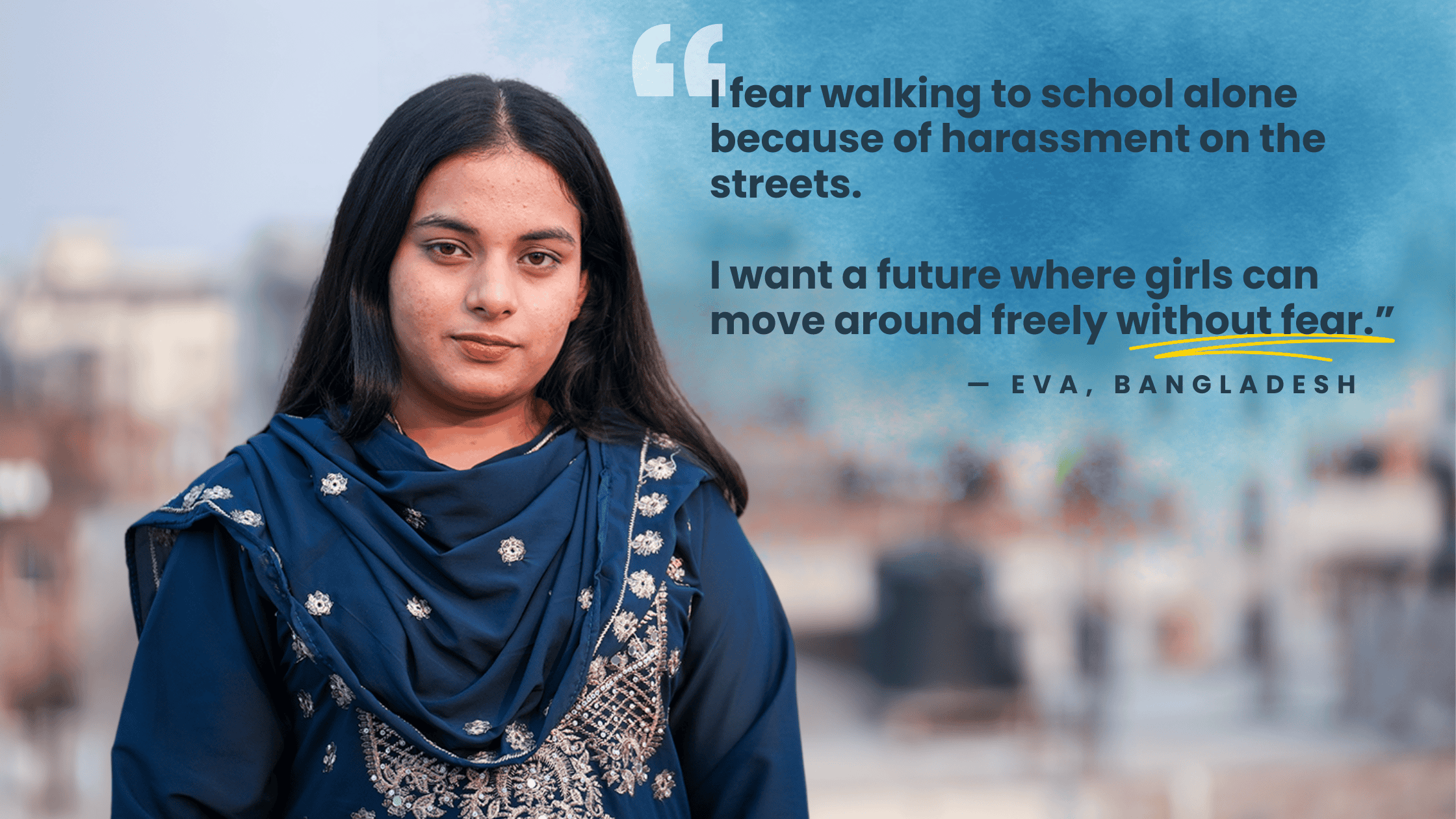
At the age of 15, study participant, Katerin* said, ā€œOf course she’s the one who has to protect herself, because if she doesn’t protect herself, nobody else will.ā€

ā€œAdolescence is a time when girls should be thinking about friends, school, and their future — not about how to walk down the street to stay safe from aggression,ā€ said Plan International’s CEO, Reena Ghelani.

ā€œBut for too many girls around the globe, this is a daily reality. They grow up policing the way they walk, talk, or dress, knowing that if they’re harassed, bullied, or attacked, they risk being told it was their fault — that they ā€˜asked for it.’ This violence is neither inevitable nor acceptable. This research confirms that adolescence is a critical time for action.ā€

Previous studies have shown that girls and women who accept ideas reinforcing male dominance and gender inequality, such as the belief that ā€˜a man should be the head of the family’ or that ā€˜a man should be allowed to beat his wife’ — are more likely to experience domestic violence later in life.

Internalized gender norms also restrict girls’ freedom, leading them to limit where they go, how they dress, and who they spend time with.

The research also shines a light on how girls and families often blame survivors when abuse occurs, especially if a girl acts or dresses in ways that deviate from traditional expectations. This stigma silences girls, discourages reporting, and allows abuse to continue unchecked.

ā€œThey say that when you wear very short clothes, it provokes the boys,ā€ explains Saidy*, aged 15, from the Dominican Republic.

Adolescence is a pivotal moment for reshaping these ideas and breaking the cycle of violence. The report additionally found that girls did believe that behavior can be influenced or learned. As they entered adulthood, 89% of young women firmly believed that parents could teach boys not to be violent or aggressive.

ā€œ[Boys] can be taught to stop being aggressive; it’s the duty of parents to educate their boys and put them on the right trackā€, said Catherine*, 17, from Benin.

By the ages of 17-18, girls are challenging these harmful ideas, calling for their right to equal freedoms — at home, in school and on the streets.

Ly*, a young woman from Vietnam, stated that ā€œ[freedom] is for both girls and boys. Everyone has that right.ā€

Plan International is calling on leaders, donors, and civil society to urgently invest in programs that challenge harmful gender norms, prevent gender-based violence and prioritize the empowerment of adolescent girls.

ā€œTo create a world where girls can live free from fear, we must start early — working with families, schools, and communities to challenge ideas that justify violence and limit girls’ freedoms,ā€ Ghelani continued.

ā€œWe must educate boys and men to respect girls and build healthy, equal relationships. We must invest in services that protect and support girls and survivors, making sure help is safe, accessible, and tailored to their needs. By challenging gender norms at this pivotal age, we can break these harmful cycles.ā€


*The names of research participants have been changed.

Read the full report here.

For more information or to organize media interviews, please contact:

MƩlina Froidure, Global Media Officer, Plan International

[email protected]

Ā 

NOTES TO EDITORS

Achieving gender equality and ending gender-based violence is vital for realizing the Sustainable Development Goals — especially Goal 5, which aims to achieve gender equality and empower all women and girls.

Ā 

About the research

This research draws on evidence from Plan International’s qualitative, longitudinal study, Real Choices, Real Lives, to understand adolescent girls’ beliefs and attitudes about violence and protection, and to explore the implications of internalized social norms on their lives.


Real Choices, Real Lives has followed 142 girls across nine countries from birth in 2006 to their 18th year in 2024. Through annual data collection with both the girls and their caregivers, the study offers unique insights into their lived experiences throughout childhood and adolescence.

The study is committed to uncovering the root causes of gender inequality by exploring questions about beliefs, values, and expectations. In doing so, it reveals how gendered social norms and behaviors are created, sustained, or reshaped over time. Its approach provides rare access to girls’ daily realities, capturing their aspirations and perspectives in their own words, ensuring that their voices are heard and their demands for change and gender equality are amplified.

The research draws on interviews conducted between 2017 and 2024, when the girls were between 11 and 18 years old, and explores topics and themes related to girls’ and caregivers’ experiences of and attitudes towards violence, protection, and girls’ freedom.

About Plan International

Plan International is an international development and humanitarian nonprofit that advances children’s rights and equality for girls. Working together with children, young people, supporters and partners, we strive for a just world, tackling the root causes of challenges children face. We are there from birth until adulthood, and we support children to prepare for and respond to crises and adversity, while particularly focusing on the experiences of girls. With more than 85 years of experience, we work to transform lives in more than 80 countries. We won’t stop until we are all equal.

Learn more at planusa.org.