Search Results

Search results for

0 result(s) found

Music has the extraordinary ability to transcend barriers and bring people together. Today, we’re sharing the story of a young woman who is harnessing that transformative power to inspire meaningful change for girls around the world.

Meet Sophia, a high school student in Massachusetts who is passionate about three things: singing, gender equality and giving back.

ā€œI don’t even know when I fell in love with singing,ā€ Sophia says. ā€œIt has always felt innate.ā€

The 16-year-old started taking classical voice lessons nearly 10 years ago. Over the past decade, she competed in — and won — local, national and even international competitions, performing in iconic venues, including Carnegie Hall in New York City.

Years of hard work and training culminated in her first solo recital this June.

ā€œIt was my most important milestone in my classical voice career,ā€ Sophia shares.


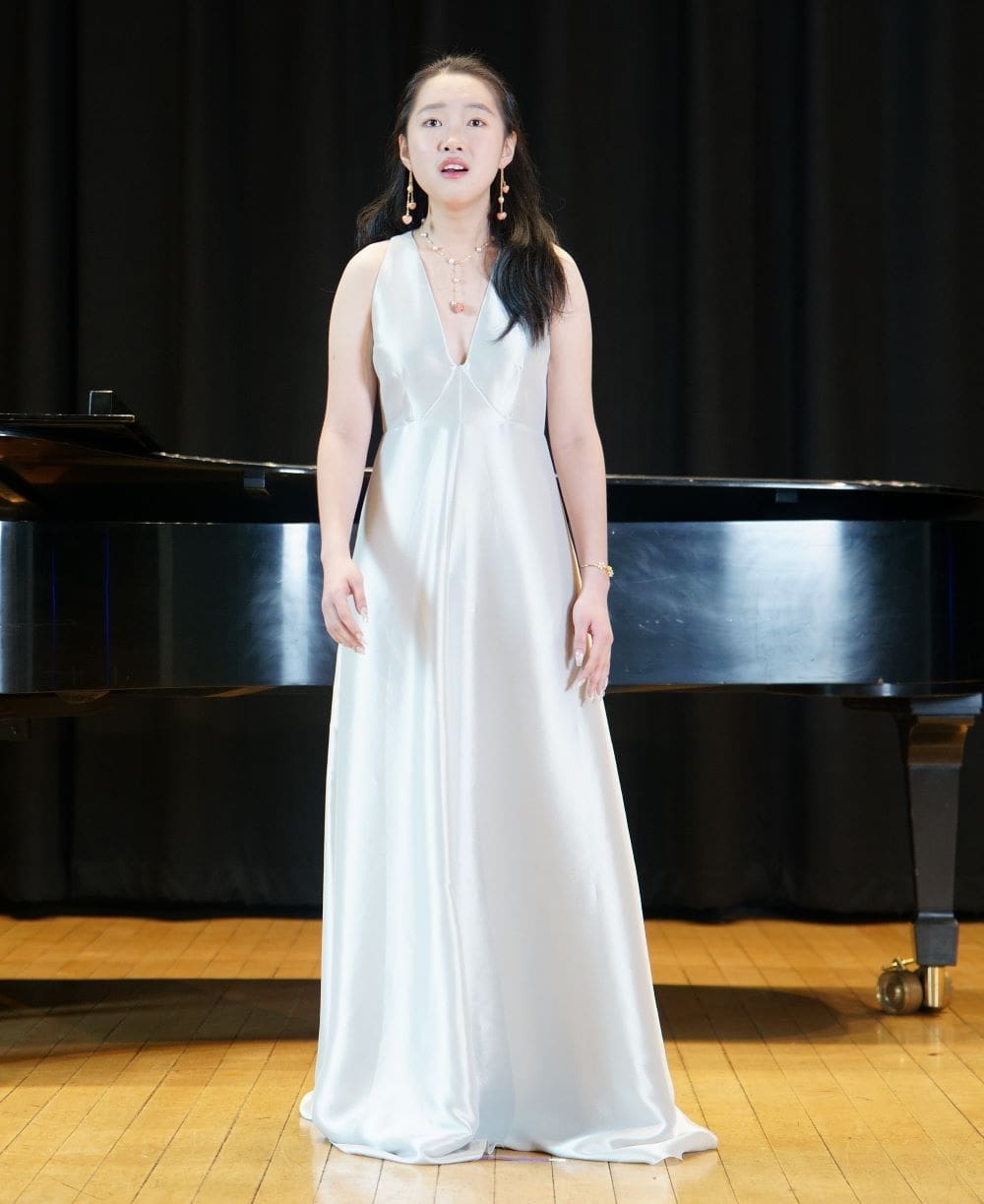
Sophia stands in front of the piano and sings at her recital.

Sophia takes center stage for her first solo recital in June.


As significant as this achievement was for her personally, Sophia recognized that it was an opportunity to showcase more than just her musical talents — it was a way to make a meaningful impact for girls around the world, shining a spotlight on a cause close to her heart.

Just like singing, giving back has been a part of Sophia’s life for as long as she can remember. She credits that to her family, and especially to her mother’s example.

ā€œEver since before I was born, my mother has consistently sponsored the education of children in the Yunnan province of China,ā€ she shares. ā€œWith this project, my mother and her partners would take yearly trips to the mountain town and meet with the children they were sponsoring and reconnect with the local teachers and school administrators. I accompanied her on these trips.

“The most recent visit was just last summer, where I got to visit the elementary school, and meet the principal, students my mom was currently sponsoring, as well as two of the first children my mom sponsored, who are now working as nurses after graduating universities in major cities.

“Being raised alongside these impactful experiences from childhood has definitely inspired me to continue the cycle of giving back and fighting for social justice around the world.ā€


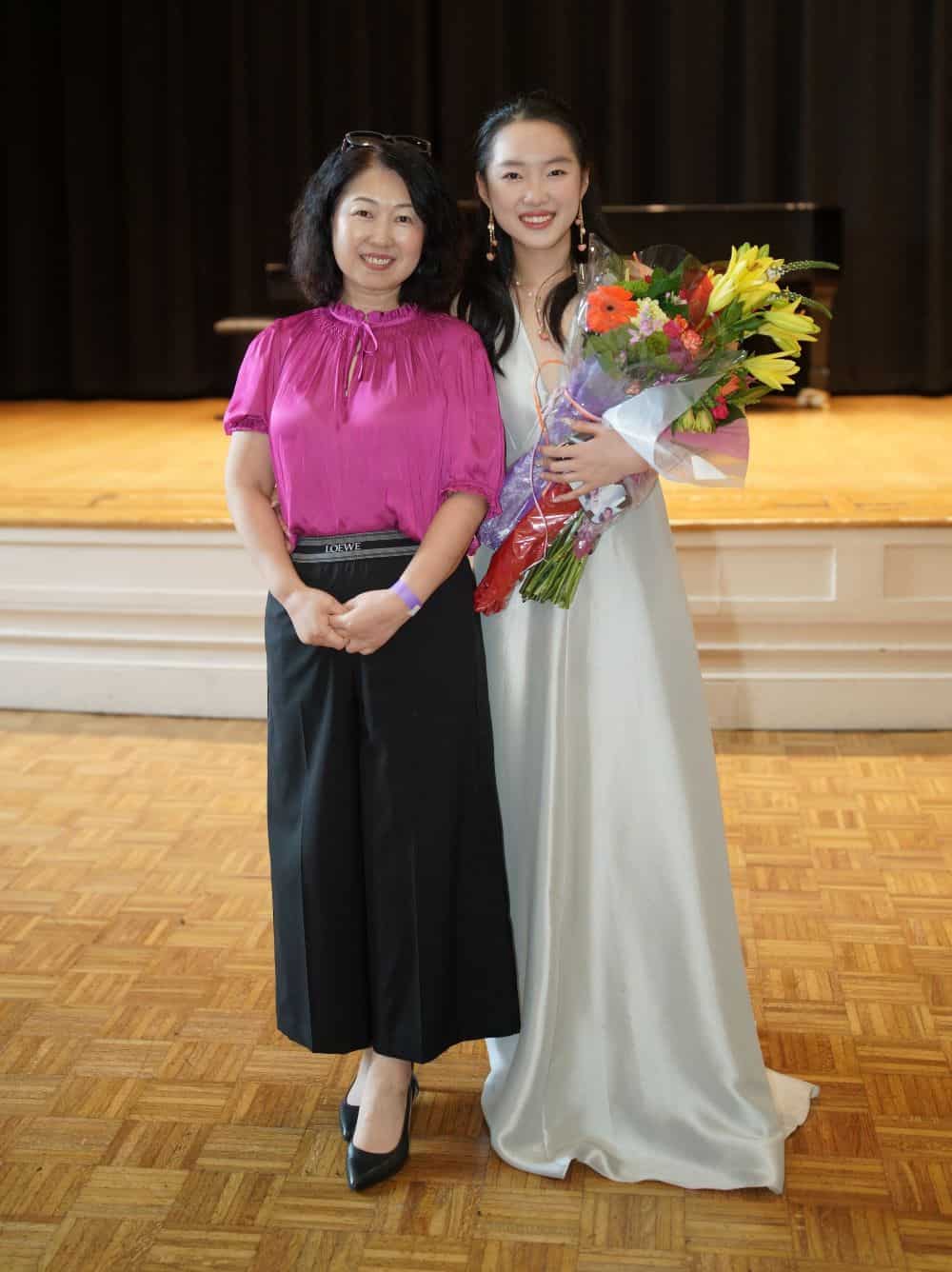
Sophia and her mother smile for the camera; Sophia holds flowers in her arms.

Sophia’s mother inspires her to give back and to fight for what she believes in.


The social justice issue that inspires Sophia the most is the fight for gender equality and girls’ rights.

ā€œBeing a girl means being subjected to discrimination and misogyny no matter where you are from,ā€ Sophia says. ā€œAnd ever since I could recognize injustice upon myself and my gender identity, I educated myself about gender inequality around the world and became fascinated with initiatives against gender injustice.ā€

As she prepared for her recital, she thought about the many girls who are denied the freedom and opportunities to pursue their dreams.

ā€œI acknowledge my massive privilege to be provided with resources and societal permission to hone my passions — many girls do not have these things,ā€ Sophia says. ā€œWhether it is being bound by gendered, sexist obligations, hygiene stigma and under-resource, or not being able to afford school, more than 120 million girls are forbidden from pursuing education, let alone the arts.ā€

Sophia decided to turn her recital into a fundraiser, asking friends and family to donate the cost of their recital ticket to support girls through Plan.

ā€œI first heard about Plan International as a part of all school council freshman year of high school when we discussed and voted from which nonprofit to donate our event proceeds to,ā€ Sophia says. ā€œI loved Plan’s mission.ā€

Initially, Sophia set a fundraising goal of $500, but she was blown away by the response.

ā€œTo my surprise, recital attendees and friends and family alike showed overwhelming support,ā€ she says. ā€œAs of right now, we have raised $2,000!ā€

When asked what advice she has for young fundraisers who aren’t sure where to begin, Sophia emphasized the importance of doing your homework and spreading the word about your fundraiser to your personal network — and beyond.

ā€œI truly believe that anyone deciding to hold a fundraiser should really do their due diligence into what purpose they are supporting and be passionate about helping the cause,ā€ Sophia says. ā€œI partnered the fundraiser with my solo voice recital, so I was able to spread the word about it to attendees. I also posted the fundraiser and my concert invitation to my school forum, social media, personal friends and family group chats!ā€


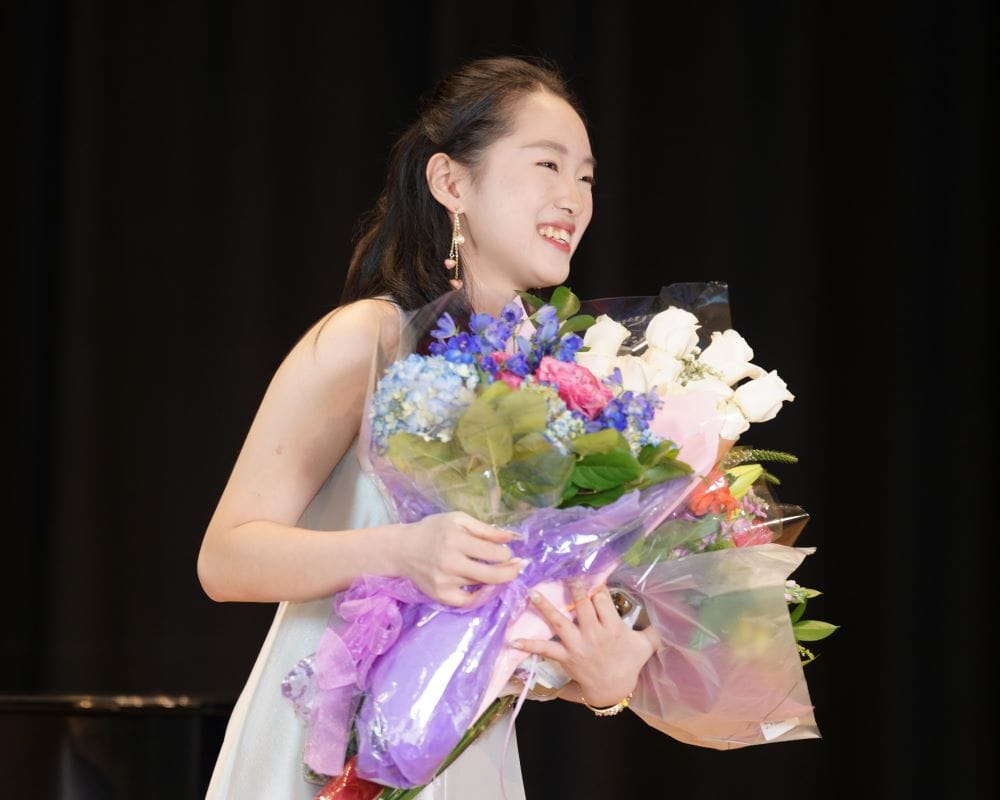
Sophia smiles with her arms full of flowers after her recital.

ā€œI am definitely looking forward to a career involving music and voice, and am hoping to minor in classical voice in college!ā€ Sophia says. One thing is for sure — she will continue to make her voice heard, advocating for a world where every girl is free to reach her full potential.


Young leaders like Sophia give us hope for the future. Their spirit and determination inspire the work we do every day. Together, we won’t stop until we are all equal.

Sophia holding flowers

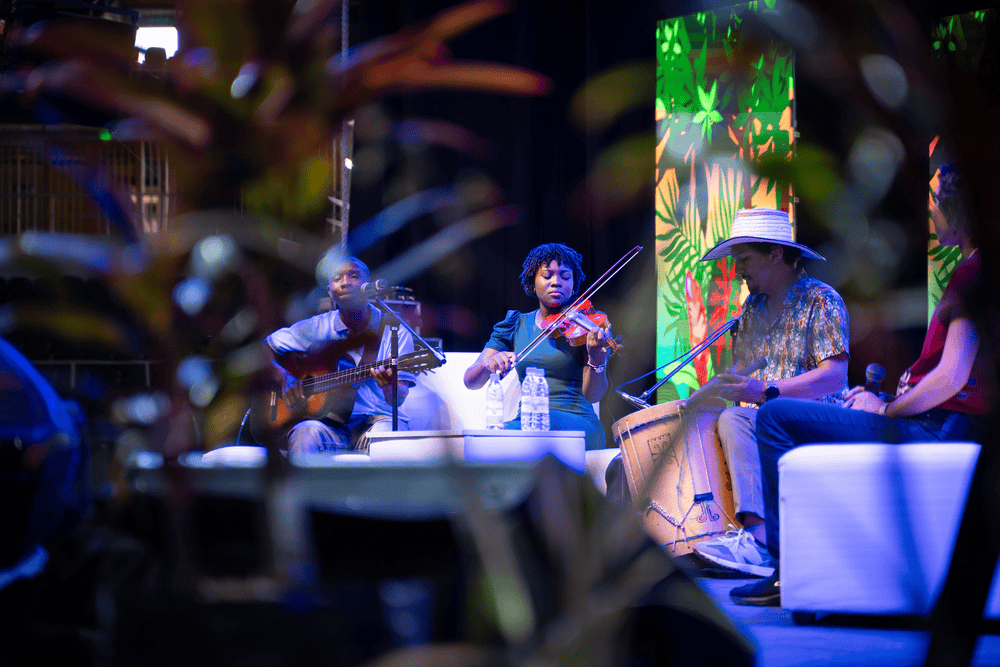
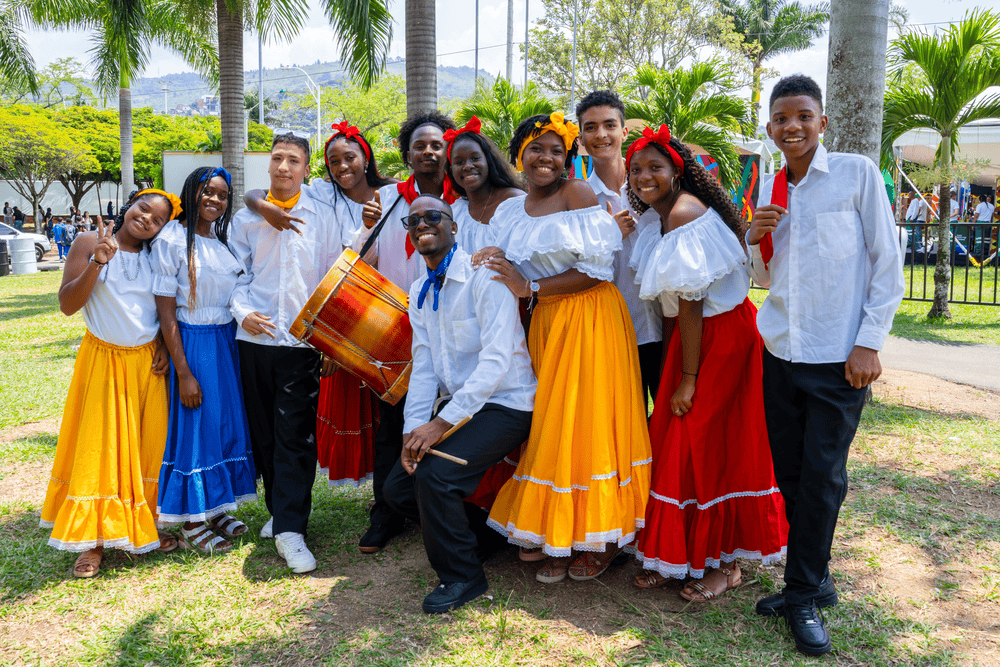
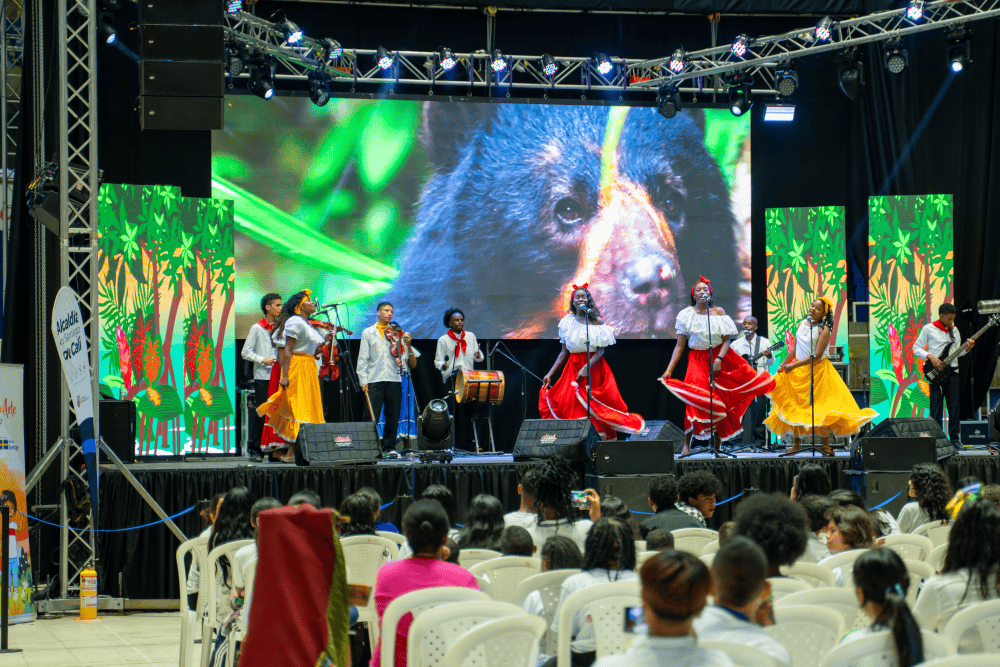
It’s August. Nerves are running high as stage lights beam and an audience rumbles with anticipation. It’s almost time for the next act to perform at the annual Petronio Ɓlvarez Pacific Music Festival. Thousands of people have arrived to eat, sing and dance their way through the streets of Cali, Colombia, and 16 young people are about to go on stage, drums and violins in hand, with a single message:

Put down your weapons and pick up an instrument, instead.


Annual Petronio Ɓlvarez Pacific Music Festival

Since 1997, the festival has welcomed locals and international travelers to celebrate Afro-Colombian food, art, fashion and dance. | Nelson Pacheco, Ā© Plan International


The group, named Renacer Bonaerense, is born from a project Plan International started in Colombia to promote peacebuilding through art in areas affected by ongoing armed conflict. Widespread instability has caused families to flee their homes and girls to face increased gender-based violence and exploitation throughout the country.

For children and young people, processing their experiences and learning self-expression skills through art has positive impacts on their wellbeing, and can unleash their potential to change their communities for the better.

Ada Luz and Valery, two members of Renacer Bonaerense, are using their talents to advocate for peace in Colombia and encourage others to explore art instead of participating in the violence.


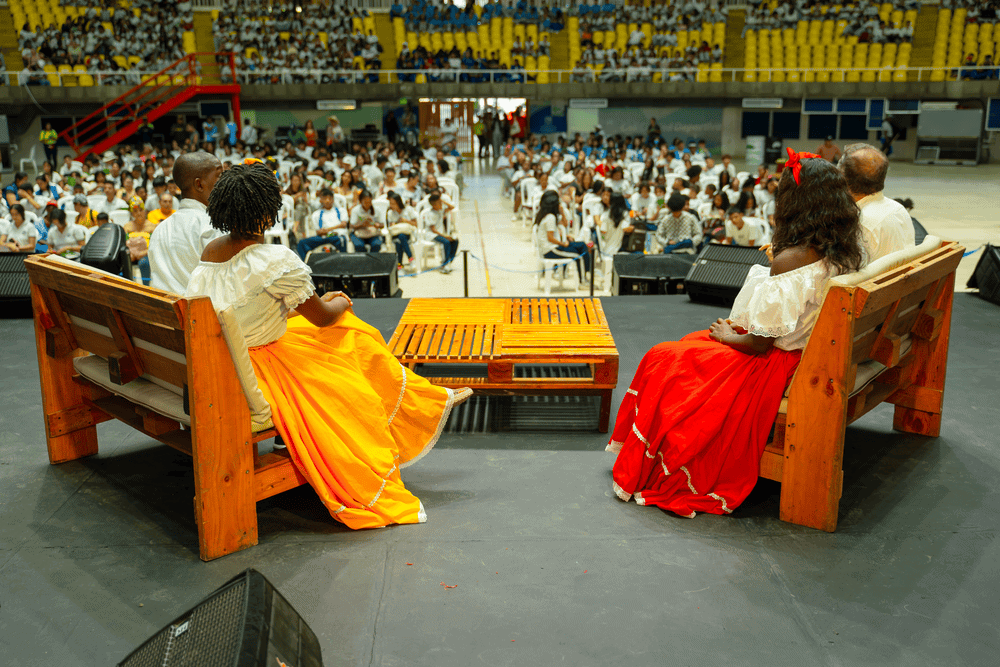
Valery (in yellow) and Ada Luz (in red) spoke about their passion for art and the importance of it in building peace in the country.

Valery (in yellow) and Ada Luz (in red) spoke about their passion for art and the importance of it in building peace in the country. | Nelson Pacheco, Ā© Plan International


ā€œI think the most important role we can play is to take action,ā€ 18-year-old Valery says. ā€œWe, as young people, are called to change the things our ancestors did that perhaps didn’t contribute to peacebuilding. Instead of picking up a gun, we can pick up an instrument, a book, or start making art or poetry. We need to move away from violence and explore other possibilities.ā€


Image of Valery

Valery is passionate about advocacy and has taken on a leadership role as a cultural advisor in her community, working tirelessly to advocate for the rights of girls and young women. | Nelson Pacheco, Ā© Plan International


A violinist and drummer, Valery also serves as the director of the music group and has been involved in art programs and initiatives with Plan since she was 10 years old. Her journey through music and leadership is an inspiration to her entire community.

ā€œFor me, music has been the lifeline I needed,ā€ she says. ā€œFrom the moment I started, I knew it was what I wanted to do. Many girls and boys are now seeing music as an alternative way to make the most of their free time and as a way to build peace.ā€


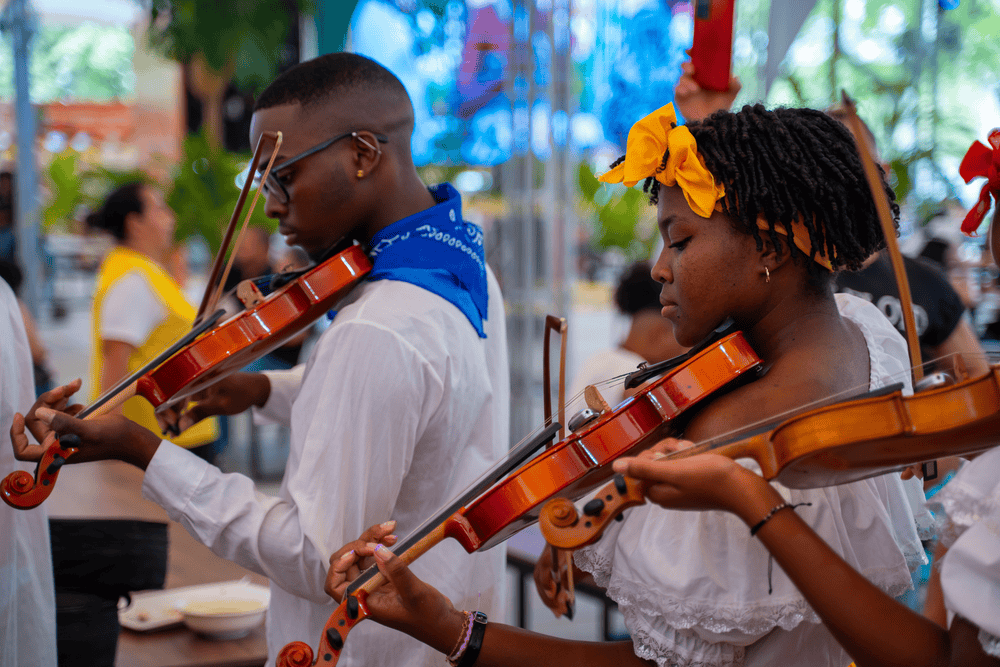
Image of Valery playing the violin

For years, Valery asked her father for one thing on her birthday: a violin. | Nelson Pacheco, Ā© Plan International


ā€œBeing a woman who plays traditional music wasn’t easy at first. The violin and drum are instruments mostly played by men, and in our community, there was a lot of machismo. It was strange for girls to be seen playing these instruments. There was a belief that we would loosen the drums, break the violin strings or somehow ruin the instruments. It hasn’t been easy, but we’ve been able to break down those false beliefs.ā€


Image of Valery playing the violin in a group

Valery has been the group’s director since she was just 14 and has no plans of leaving any time soon. | Nelson Pacheco, Ā© Plan International


Fifteen-year-old Ada Luz is both a violinist and singer in the group. Having grown up living through armed conflict, she sees art and music as powerful tools for children and young people to express themselves in a healthy way and to build social bonds.


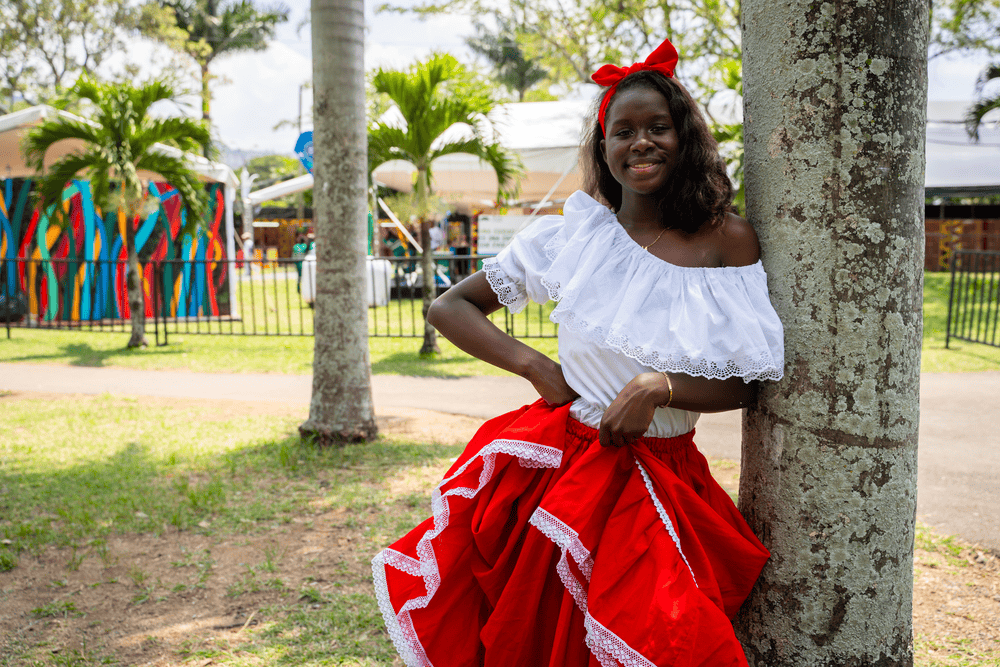
Image of Ada Luz standing near a tree

In addition to her music career, Ada Luz also loves theater and is a member of an experiential theater group in her community. | Nelson Pacheco, Ā© Plan International


ā€œWe want to turn the pain of the armed conflict into something lighter, into jokes and laughter, so that all this suffering becomes a thing of the past and is forgotten,ā€ Ada Luz says. ā€œAnd it’s the same with the music, it moves you so much. It can remove the pain or mixed feelings that you have. In other words, it helps you to let go. I like to sing, share with my friends, do theater and express myself in front of other people and tell them about everything I have experienced.ā€


Image of Ada Luz standing in a group

Ada Luz comes from a family of artists. Her aunt is the director of a local theater group, and her father is also a renowned artist. | Nelson Pacheco, Ā© Plan International


Ada Luz has represented her community in multiple forums, including being an ambassador for a day for Sweden and participating in the construction of a governance pact for children. She is determined to ensure that the voices and opinions of girls are heard and hopes to eventually create her own foundation to help people in need.

ā€œThere are songs that are made for peace,ā€ Ada Luz says. ā€œThey motivate people to leave armed conflict behind and focus more on the present and what lies ahead. To not just focus on all the bad things that have happened in my community but on what’s coming in the future, and everything that we can live for and what’s beautiful.ā€


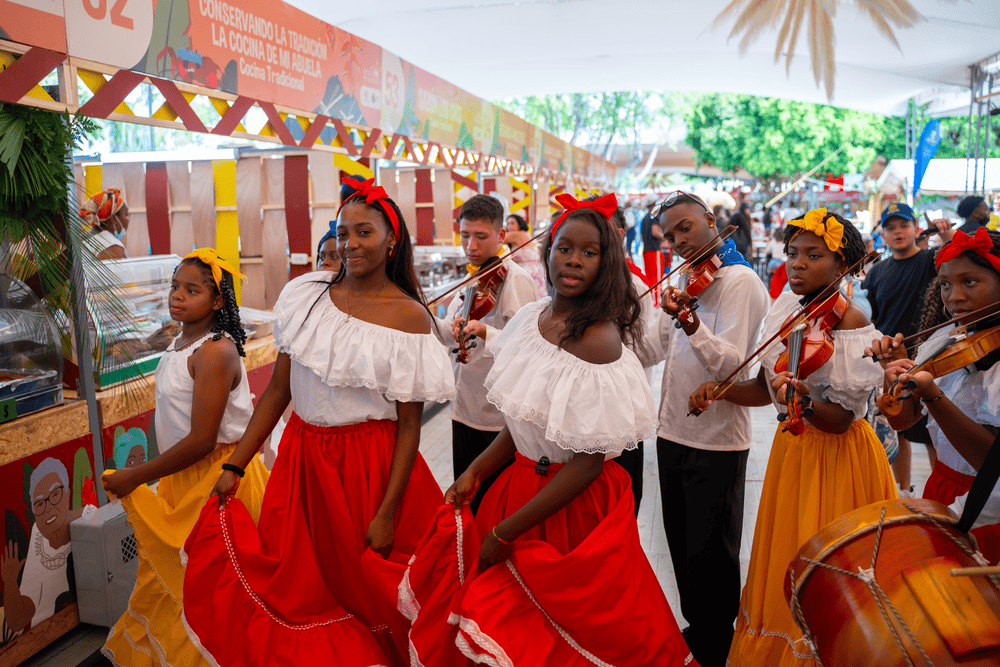
Image of Renacer Bonaerense

Renacer Bonaerense continues to advocate for children’s rights through their music, infusing messages of peace and equality in their songs. | Nelson Pacheco, Ā© Plan International


ā€œFor me, peace is a dream — a dream I hope will soon come true,ā€ Valery says. ā€œI hope that in the future, not only for myself but for the children younger than me, they will be able to live a peaceful life without fear.ā€

Inside the Cali music festival feature image

Back-to-school season is always bittersweet. It’s a fresh chapter for students around the world to continue their work toward a bright future, even if that also means the less-anticipated return of late-night study sessions and class presentations.

Anyone who has been through school knows that getting an education is one of the most important achievements in your life, and overcoming the not-so-fun parts of school is always worth it. Yet, many children around the world are unable to experience even these small stresses from school because they’re facing an even harsher reality: being unable to attend class altogether.

Plan International’s education programs are designed to help children experiencing poverty, conflict and other barriers go to school, stay in school and graduate so they can build the futures they really want.

Back to school against the odds

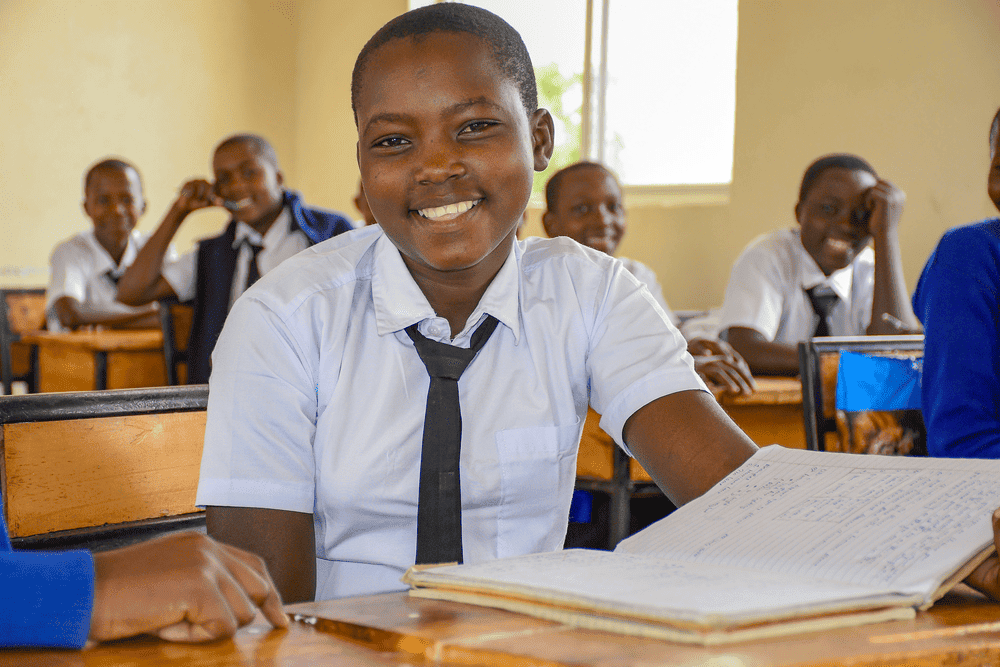
Christina, a 16-year-old girl from Tanzania, is one of those children. After being abandoned by their parents, Christina and her six siblings were taken in by their grandfather.

While still in primary school, Christina worked on farms to earn money for school supplies and food for her family. Despite these hardships, she completed her primary education. However, poverty and her family’s belief that marriage was the only way out of their financial difficulties eventually halted Christina’s education.

“Every day was a struggle to provide for my family and keep my dreams alive,ā€ Christina says. ā€œI saw my sister forced into marriage to pay for our grandfather’s medical bills, and I feared that would be my fate also.”

Christina’s story took a turn when staff from a Plan project to keep adolescent girls in school heard about her situation. She was immediately encouraged to join.


Close up shot of a smiling girl wearing a white button-up shirt and black tie.

Christina says that being able to return to school has changed her life for the better. | Lilian Mmbaga, ©Plan International Tanzania


“Christina’s determination is truly inspirational,ā€ one of the project facilitators says. ā€œDespite the obstacles she faced, she never gave up on her dreams. Giving her the opportunity to return to school and supporting her along the way was an easy decision.ā€

The project works with the government and community organizations in Tanzania to help girls exercise their right to education by engaging parents and community members in conversations about the value of girls’ education and providing tangible support, like school supplies, to reduce costs.

Although Christina started the program five months late, she was undeterred. She approached her studies with courage and resilience, and quickly became one of the top students in her class.

Now Christina hopes to become an advocate for girls’ education. Deeply aware of how the lack of education affected her family, she is determined to ensure that no other girl goes through the same struggles she has.Ā Ā Ā 

“Now I am full of hope,ā€ Christina says. ā€œGoing back to school has changed my life. I’m so happy to be here. I know that education is my way out of poverty and my chance to help other girls avoid the same fate. I’m not going to let anything stand in my way.ā€

From sponsored child to certified nurse

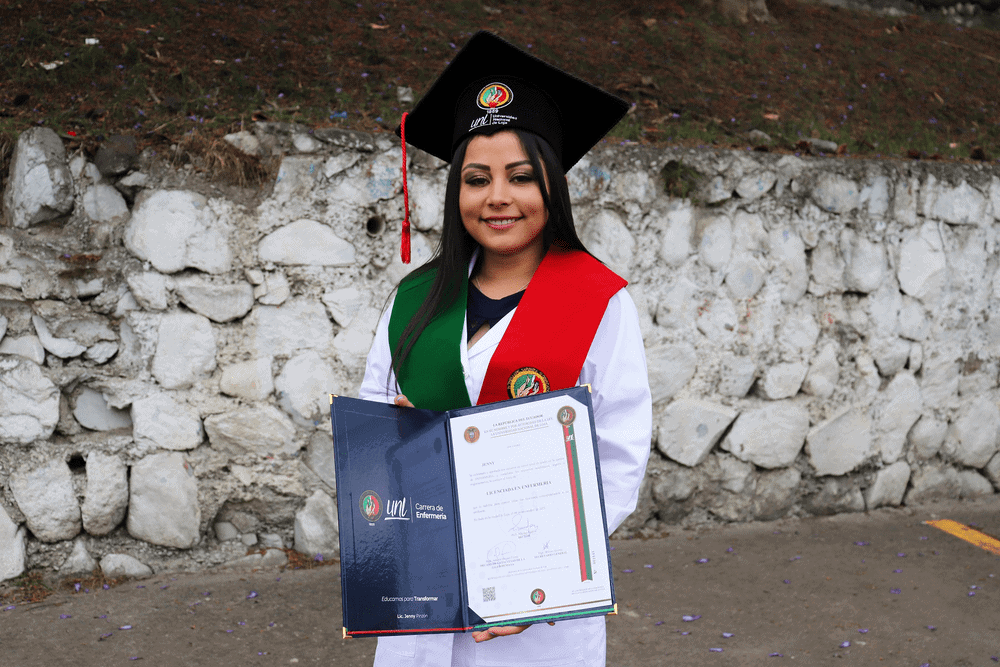
When Jenny was 10 years old, she joined Plan’s sponsorship program in Ecuador. Growing up in a remote village limited her parents’ financial prospects and made it difficult for Jenny to get an education. Once she entered secondary school, she had to travel an hour and a half just to get to the closest school. Through the sponsorship program, she was able to stay the course (pun intended).

“I am very grateful to all the people from Plan International,ā€ Jenny says. ā€œWith the support they gave me, I was able to buy the school supplies I needed.ā€

After graduating from high school and completing Plan’s sponsorship program, Jenny decided to go to university to study nursing, but the high costs involved in continuing her education made it seem impossible.

Although education in Ecuador is free, universities are in big cities, far from the rural communities where young people like Jenny live. Expenses like transportation, food, internet and books can be barriers to higher education.

Plan was there to help Jenny keep her dreams alive. Since 2016, Plan has been awarding students (especially young women) in Ecuador with university scholarships to help cover the extra costs, and when Jenny heard about this, she applied for this support.


Photo of a young woman wearing a white graduation gown with red and green sashes and a black cap holding open her university diploma.

Along the way, Jenny’s parents have been her rock. “I value every sacrifice they made for me and my siblings,” she says. | Ā©Plan International Ecuador


Now, after years of studying, Jenny is officially a nurse! Despite the challenges she had to overcome, with the support of Plan, her family and a lot of determination, she is the first person in her family to graduate from university.

“I want to be a role model for my siblings, so they know that they can achieve their goals and dreams,ā€ Jenny says. ā€œI want to tell all women to follow their dreams so that they can be great leaders and can continue sharing their knowledge. We are all capable.ā€

Plan believes that every child deserves a quality education, regardless of their circumstances. With the support of compassionate people who contribute to education programs for students like Christina and Jenny, we are breaking down barriers that prevent children from accessing school to ensure they can reach their full potential.

By investing in education, we are investing in the future of our world.

Back to school, back to building the future feature image
American Counseling Association: Rethinking Masculinity

Missing a few days of school here and there might not seem like a big deal to most students, but for millions of girls and young women around the world, it’s a monthly occurrence with dire consequences. Without the necessities to manage their periods at school, girls stay home, falling behind on nearly two months’ worth of lessons every year.

The lack of access to menstrual products, education and sanitation facilities (at home and in public spaces) is commonly referred to as period poverty. It disproportionately affects marginalized communities, including those living in poverty, rural areas and conflict zones.

Period poverty is a global crisis that forces countless individuals to make impossible choices between their education, health and dignity — and often leads to suffering in silence. It’s a major problem in the U.S., too. According to Harvard Public Health, one in four teens in the country miss class because they don’t have products to manage their periods effectively.

[Read more: It’s time to talk: Menstrual health in the U.S.]

Beyond the immediate physical discomfort, period poverty has far-reaching consequences. It can lead to health problems, educational disruptions and limited economic opportunities.

As a global humanitarian organization dedicated to advancing children’s rights and equality for girls, Plan believes that recognizing and addressing menstrual health needs as part of girls’ overall well-being is vital to realizing a more equal world. We’ve implemented programs around the world to address period poverty.

Menstrual health in Sierra Leone

In Sierra Leone, poor access to sanitary products means that thousands of girls are forced to miss school and stay home during their periods. When 15-year-old Isatu first started her period, she didn’t have menstrual pads, so she resorted to using a waist scarf to keep her school uniform clean.

“I used to struggle with feeling uncomfortable,” she says. “I often got infections and had to miss a lot of school during my periods. I even had to repeat a year because of it. Some of my friends dropped out of school because they had similar problems.ā€

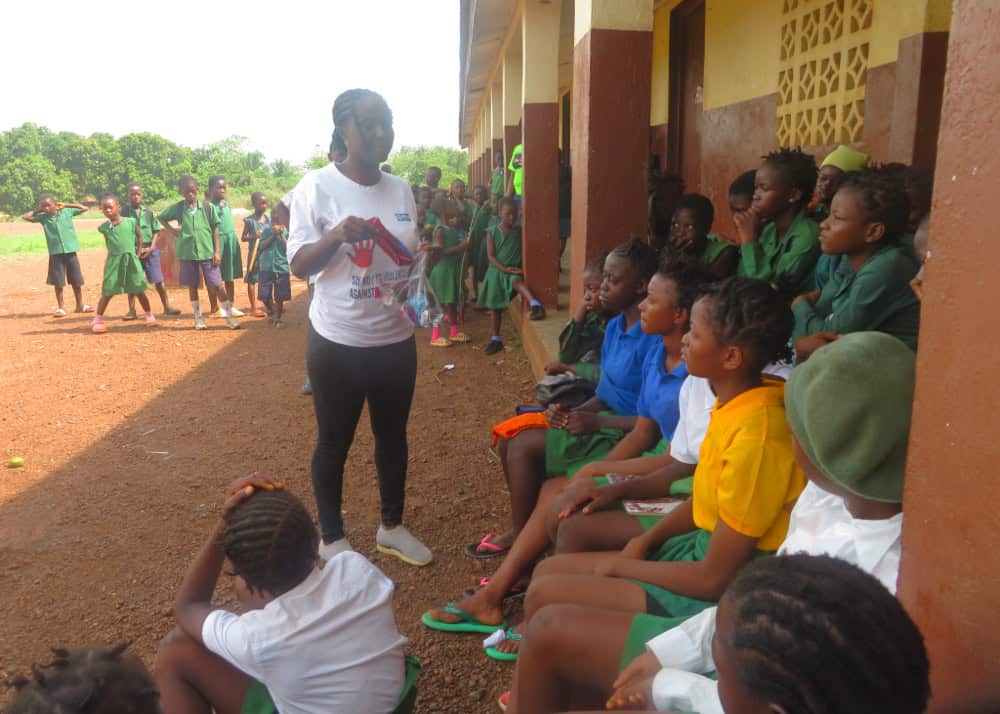
Through a menstrual health project that Plan implemented in Isatu’s community, she received menstrual health education, as well as reusable pads. Isatu told us that it has become much easier to talk openly about periods, too, and she even feels comfortable bringing the subject up with her grandmother and father.


A woman in a white t-shirt stands in front of a group of girls sitting along a wall as more children in green stand in the background.

In addition to providing reusable menstrual pads, project staff also taught girls in the project how to wear and wash them. | ©Plan International Sierra Leone


“I hope that more girls who can’t afford pads will be supported and that pads will be distributed regularly,ā€ Isatu says. ā€œIt’s important to educate everyone about periods so that there is less stigma. Pads help girls like me go to school and feel better about ourselves.ā€

Menstrual health in Brazil

Plan International has implemented a comprehensive menstrual health program in Brazil to address the challenges girls and women face in accessing essential products and education.

The program aims to break down stigma, provide menstrual products and promote positive attitudes toward menstruation. By partnering with local communities and organizations, we’re able to reach thousands of girls and women in need.

Through educational workshops and awareness campaigns (that also include boys and young men), the program has challenged cultural taboos and promoted a better understanding of menstrual health. Additionally, the program has provided access to menstrual products, enabling girls and women to stay in school and participate fully in their communities.

Menstrual health in South Sudan

For girls living in South Sudan, managing their periods is not easy. The lack of access to menstrual pads has grown due to conflict that has disrupted the local economy. Young women, like 19-year-old Awil, were using unsafe materials to try and manage their periods.


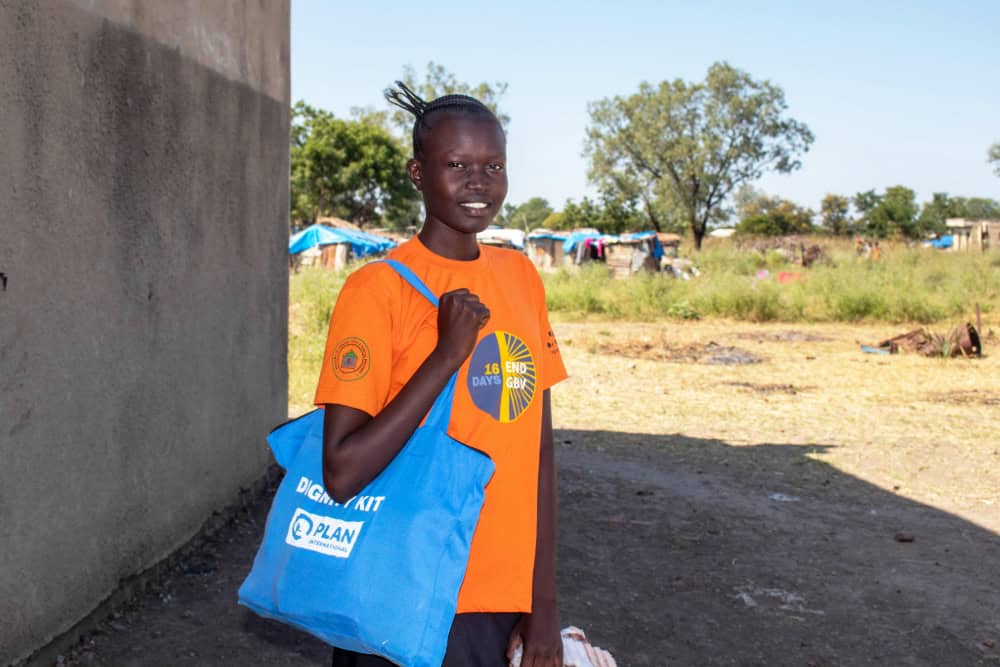
Young woman in South Sudan wearing a bright orange t-shirt holds a blue tote bag with the Plan International logo and smiles.

Awil says that her parents have always struggled to afford menstrual pads for her and her five sisters, but conflict in the region has made their financial situation worse. | Steven Kamponda, ©Plan International South Sudan


ā€œBesides not being able to pay our school fees, my sisters and I have skipped classes because we did not have sanitary pads during our periods,ā€ Awil says.

Part of Plan’s emergency response project in the country addressed this issue by providing these supplies. We distributed cash vouchers and health kits to Awil’s community that included items like pads, soap and underwear.

ā€œThis will relieve some of the pressure off my parents, who have always had to work extra hard to provide for the needs of us children,ā€ Awil says.

Girls in conflict and other emergency settings like Awil face especially chaotic conditions that prevent them from accessing the menstrual products they need.

Youth leaders fighting period poverty

Young people are at the forefront of the movement to end period poverty, especially during emergencies. Through community events, peer-to-peer fundraisers and educational campaigns, they are inspiring others to take action and challenge societal norms.

ā€œYoung leaders should have the ability to lead, solve and change things,ā€ Byronie, a Youth Advisory Board member and campaign leader, says. ā€œThese skills can’t be developed without the space and opportunity to be involved.ā€

Plan’s Youth Advisory Board is leading It’s Bloody Normal, a period campaign that’s destigmatizing menstruation and helping provide menstrual health products to girls in emergencies — like Awil. Backed by the organization and its network of supporters, these young leaders are raising awareness and funds for Plan’s programs, turning the tide on period poverty.Ā 

Young people led a webinar to discuss Plan’s menstrual health programming and periods in emergencies. Watch it here!Ā 

The fight against period poverty requires a collective effort from individuals, communities and organizations worldwide. Plan and its supporters are a part of the collective action that helps dismantle barriers children, especially girls, face to their futures.

ā€œThese are our problems, moreover our community,ā€ Byronie says. ā€œThe sense of shared community creates strength and a sense of motivation that is so inspirational and unique. In my experience, the most powerful movements are formed with the collaboration of young people — the more of this there are, the more good gets done.ā€

By making a matching gift, you amplify the work of young leaders like Byronie and create a lasting impact. Your donation will help reach even more girls and young women around the world with menstrual products, education and support to communities struggling with period poverty.

Join us in empowering young people to drive change and end period poverty.Ā 

Devex: Why is localization surging in some countries and stalling in others?

A Testimonial from the Technical Lead on Plan International’s Health Risk Management Project Supported by the Astellas Global Health Foundation

By Needa Malik, Disaster Risk Management Manager, Plan International USA

For 30 years, Plan International has been dedicated to working alongside Indigenous and mestizo populations in Peru, tackling the root causes of challenges and inequalities faced by children, in particular young girls. Frequent natural hazards, such as floods, have underscored the importance of advancing disaster risk reduction and community health infrastructure work.

In the Amazon region of Peru, particularly in the underserved rural and urban communities of Nauta and San Bautista districts in Loreto, our mission focuses on mitigating the negative impact of life-threatening water and insect-related diseases that arise from floods, torrential rains, and other water-related events. This region has been prioritized given the high incidence of water- and insect-borne diseases, frequent flooding, limited healthcare infrastructure, lack of access to clean water and proper sanitation facilities, and geographic isolation. These challenges complicate efforts to provide timely medical care and implement preventive measures amongst communities.

Thanks to the generous support of the Astellas Global Health Foundation, our Community Health Risk Management Project in Peru is designed to make a transformative change!


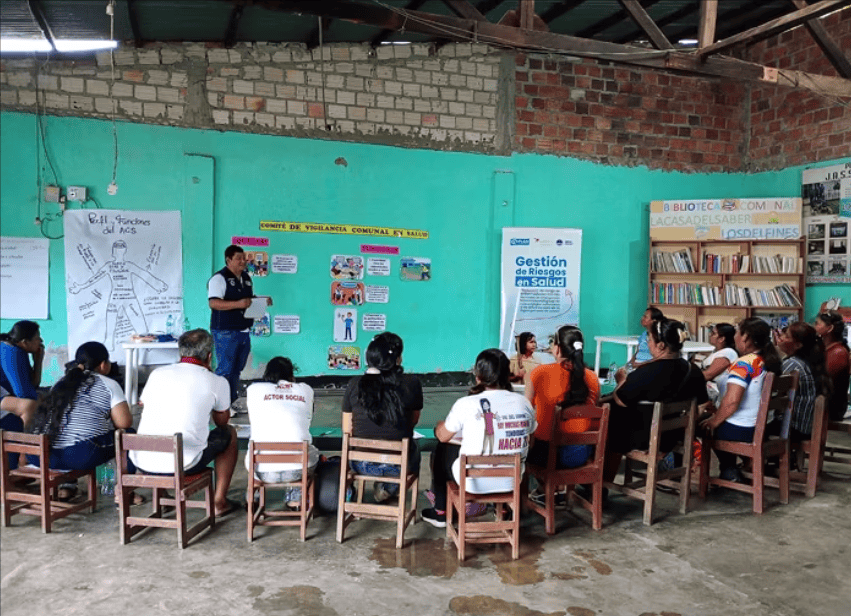
A community health worker leads a disaster preparedness and disease prevention session in Loreto, promoting community health resilience in Peru.

Community members in Loreto participate in a disaster preparedness and health resilience workshop. | Ā© Plan International


With this grant, we are increasing the capacity of existing healthcare systems, providers, community groups, and community members in responding to flood risk and consequent diseases by improving their knowledge and skills on disaster management; strengthening community response networks; and raising disease prevention awareness among vulnerable households. Our goal is to build capacity, foster local ownership, and drive sustainable development. By the end of the project, we plan to impact nearly 12,000 individuals, including families, community groups, healthcare workers, and government officials.

Plan International’s longstanding relationships within the chosen communities and strong collaborations with regional and local government authorities are instrumental in delivering sustainable change. A cross section of these communities and their leaders are engaged throughout the project’s design and implementation phases. By adopting a community-centric approach, we ensure the project speaks to the communities’ real-time challenges and needs and is respectful of the local culture. One such example is seed funding and technical support for 10 community-led initiatives to reduce the risk of water- and insect-related diseases in their respective communities. The proposal and implementation plans for these initiatives come directly from the community groups’ members. Given that disasters disproportionately impact the most vulnerable, we emphasize the involvement of women, youth, the elderly, and other marginalized groups in our disaster-planning efforts.

We are immensely proud of the progress we are making toward improving health outcomes and driving positive change in Loreto. Plan International looks forward to continued collaboration with the people of Peru, our supporters, and partners like the Astellas Global Health Foundation as we strive for a just world where equality is a reality for all.

About Needa Malik

Needa Malik has 10 years of experience as an international development and humanitarian professional. As a Disaster Risk Manager at Plan International, she leads initiatives focused on humanitarian response, disaster risk reduction, and girls’ rights. She is the technical lead on the Astellas Global Health Foundation-funded project and is responsible for steering the overall design of the project as well as ensuring program quality. Needa has worked with communities across regions experiencing conflict or disaster, promoting sustainable development and resilience. She holds a master’s degree in international development from George Washington University and is passionate about increasing resilience among all people and sectors.

About Plan International USA

Plan International USA is an independent development and humanitarian nonprofit that advances children’s rights and equality for girls. We believe in the power and potential of every child but know this is often suppressed by poverty, violence, exclusion, and discrimination — and it is girls who are most affected.

Working together with children, young people, supporters, and partners, we strive for a just world, tackling the root causes of challenges children face. We’re there from birth until adulthood and support children to prepare for and respond to crises and adversity, while focusing on the experiences of girls. We drive changes in practice and policy at the local, national, and global levels using our reach, experience, and knowledge.

With more than 85 years of experience, Plan is currently working to transform lives in over 80 countries. Plan has been operational in Peru since 1974. We won’t stop until we are all equal. For more information, and to learn about our commitment to safeguarding, please visit www.planusa.org.
A community health worker leads a disaster preparedness and disease prevention session in Loreto, promoting community health resilience in Peru.