Search Results

Search results for

0 result(s) found

This post is part of Plan’s blog series, ā€œPeriods through the ages,ā€ highlighting girls and the women in their families as they share period stories and break stigma in their communities.


Ā  In central Togo, 16-year-old Denise has had many conversations with her mother and grandmother about their period stories. For Denise’s grandmother, Inna, getting her period wasn’t something she could talk about openly.

ā€œOn the first day of our period, we had to hide and call our mother or one of our sisters to help in secret,ā€ Inna says. ā€œIt was forbidden to enter the house. The family had to find a room on the roadside where the menstruating girl had to spend her entire period.ā€


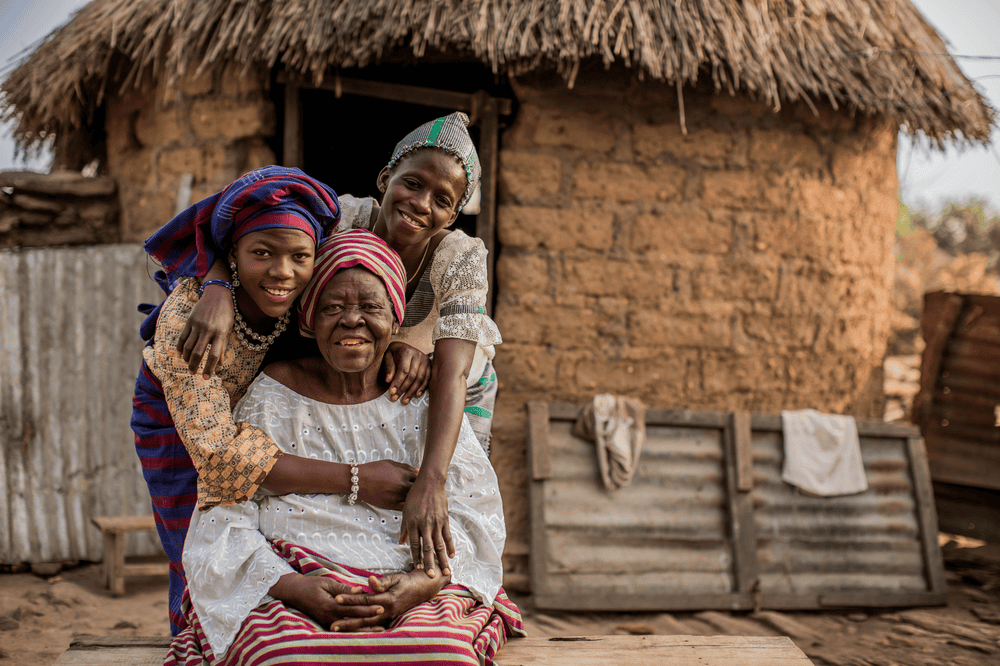
Denise wearing yellow, blue and red stands next to her mother Esther as they both lean over and hug grandmother Inna, who is wearing a white top and r striped skirt.

Denise (left) with her mother Esther (right) and grandmother Inna (center). Ā© Plan International | Izla Bethdavid


According to Inna, when a girl finished her period and returned from isolation, she would cover herself and her friends with white talcum powder to re-enter the village. Girls also had special clothes and beaded jewelry that they would wear to celebrate the end of their periods.
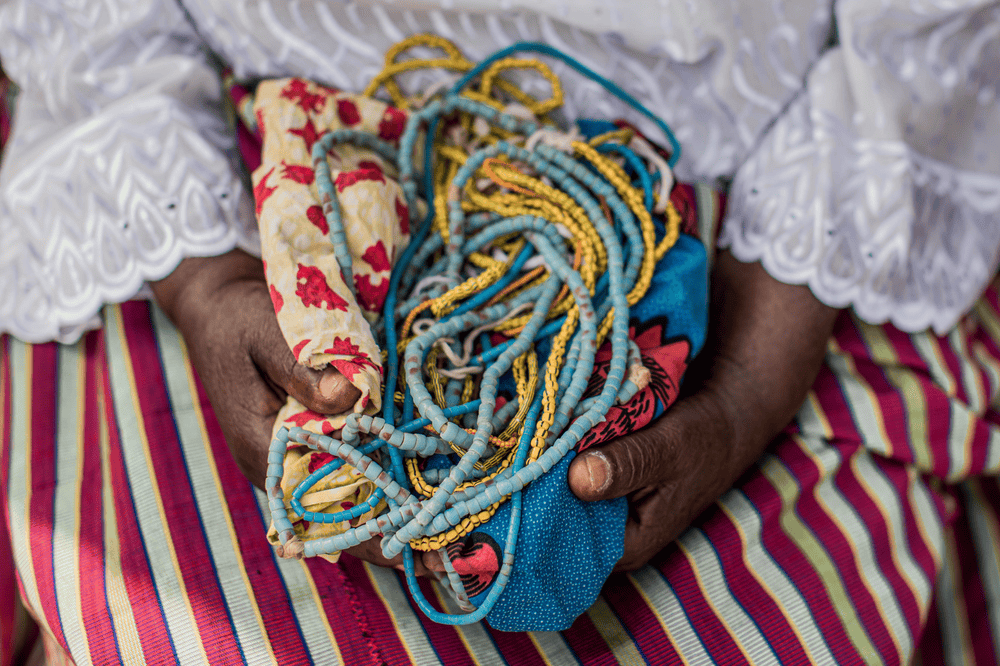
 

Inna holds several homemade cloth and bead pads in her lap.

In the past, girls would wear cloth hung on beads around their waist during their periods. Ā© Plan International | Izla Bethdavid


ā€œMen and boys, even if they were your brothers, were not supposed to see menstruation cloths,ā€ Inna says. ā€œIt was forbidden, and we carefully hid them. Really, it was a great burden. I pray that [my granddaughter’s] generation will no longer experience the suffering of our time.ā€

With the support of a Plan project in her community, Denise learned more about menstrual health and how to dispel myths about it. Now, she’s advocating for access to cheaper products so girls can manage their periods with confidence.
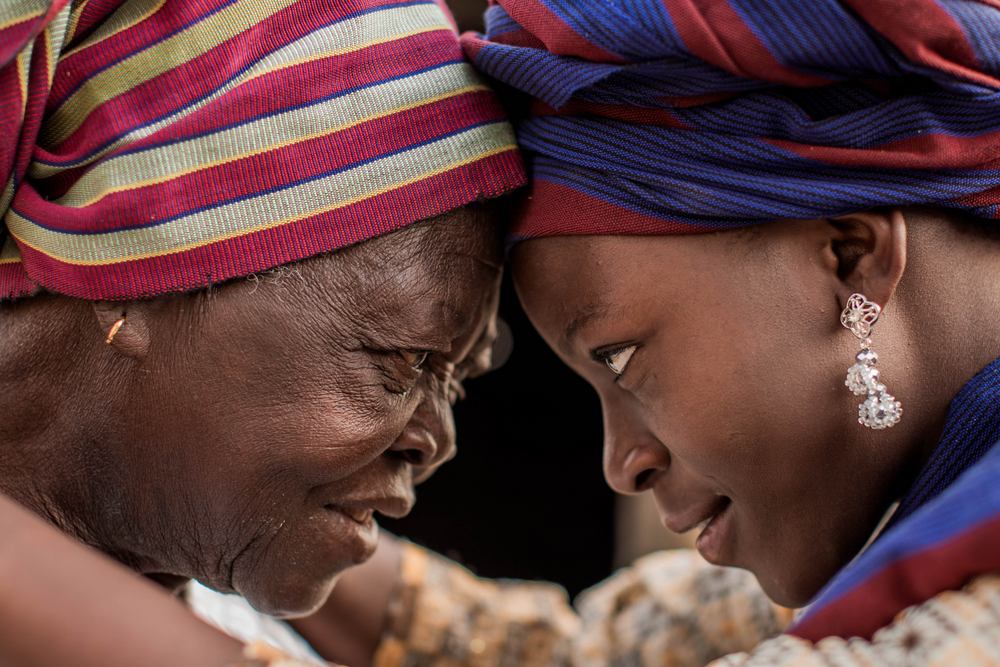
 

Denise and Inna embrace and press their foreheads together as they look into each other's eyes.

Inna and Denise both struggled to manage their periods in unique ways growing up, but Denise is determined to change things for future generations of girls. Ā© Plan International | Izla Bethdavid


ā€œI understand that my mother’s generation also suffered a lot,ā€ Denise says. ā€˜To my fellow girls all over the world, including those living in remote communities, I encourage you to stop being ashamed about menstruation. It’s a matter of rights!ā€


Periods through the ages: Togo feature image

This post is part of Plan’s blog series, ā€œPeriods through the ages,ā€ highlighting girls and the women in their families as they share period stories and break stigma in their communities.


Ā  Grandmother Tilki in Nepal has seen firsthand the change in attitudes and practices surrounding menstruation.

ā€œWhen I first started menstruating, the situation was different from what it is now,ā€ she says. ā€œI felt scared and embarrassed about telling my parents that I had started my period. These feelings of fear and shame kept me from discussing menstruation and understanding what should be done during that time. These days, managing menstruation is much easier. Access to nutritious food, sanitary pads and affordable clothing has improved significantly.ā€


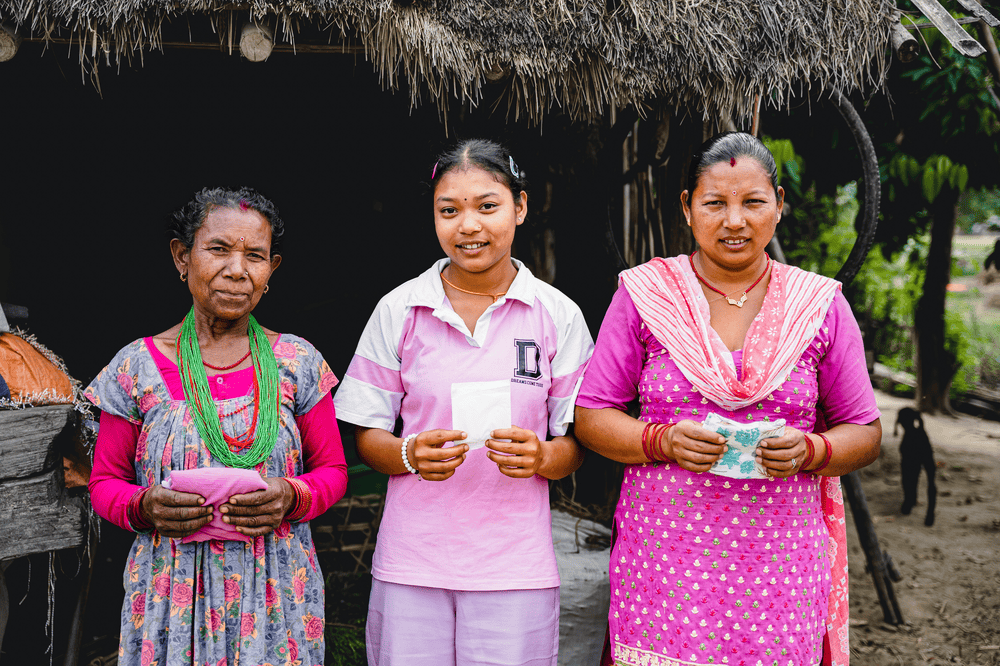
Tilki, Rita and Pushpa stand side by side and hold up menstrual pads.

Tilki (left) with her daughter Rita (right) and granddaughter Pushpa (center) show what they use for their periods. Ā© Plan International | Bita Creatives


Her daughter Rita also had difficulty managing her period growing up, sharing how they made their own pads at home.

ā€œIn the beginning, it was very challenging,ā€ Rita says. ā€œConcealing menstruation was nearly impossible, and we relied on makeshift pads made from old clothes. Cleaning these pads often left stains, adding to the difficulty of managing our periods.ā€


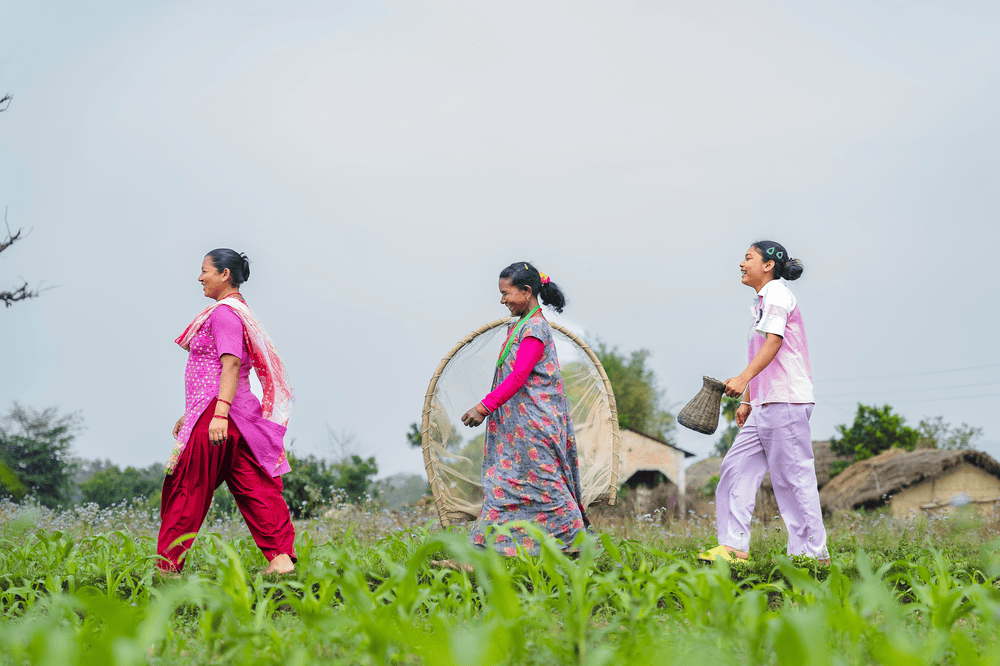
Pushpa, Rita and Tilki walk in a line behind one another across a crop field with short plants at their farm.

Pushpa, Rita and Tilki walk across a crop field at their farm. Ā© Plan International | Bita Creatives


When Rita’s daughter Pushpa first got her period, she was at her uncle’s house. She was scared at first because she didn’t know how to tell anyone what was happening.

ā€œInitially silent and anxious, eventually [I opened up] to my sister, who told my aunt,ā€ Pushpa says. ā€œNow, I’m knowledgeable about menstruation, as are my mother and sisters.ā€

In partnership with a local organization, Plan International recently constructed a restroom at Pushpa’s school, providing the students with clean facilities and free period products. Additionally, we helped establish a new health office at the school where girls can get assistance for cramps and receive free iron tablets.


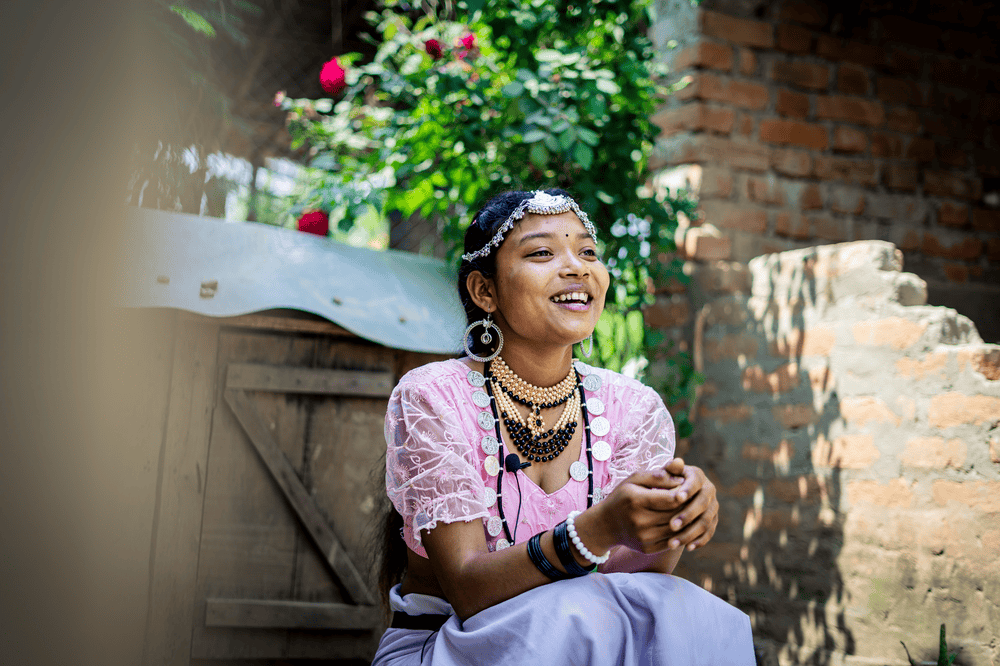
Pushpa sits on steps outside her family's home wearing a pink top and white pants and an assortment of beaded jewelry.

Pushpa credits Plan’s project with helping her gain confidence in speaking up about her menstrual health. Ā© Plan International | Bita Creatives


ā€œNowadays, things have changed,ā€ Pushpa says. ā€œI can openly acknowledge when I’m on my period and address any issues I may encounter using the toilet when I am menstruating,ā€ Pushpa says.


Periods through the ages: Nepal feature image

This post is part of Plan’s blog series, ā€œPeriods through the ages,ā€ highlighting girls and the women in their families as they share period stories and break stigma in their communities.


Ā  In El Salvador, 18-year-old Hazel is participating in another Plan project called The Power of Red Butterflies, which works to break taboos and stigma surrounding menstruation. In a conversation with her family, Hazel’s grandmother, Paz, recounts what she learned from her own mother about menstruation.Ā 

ā€œWell, my mother, she advised me, she told me, ā€˜No daughter, when you are like this, you have to take care of yourself so that you don’t suffer afterwards.’,ā€ Paz says. ā€œI couldn’t go to the river because the water would enter through the pores in my skin and that was bad.ā€


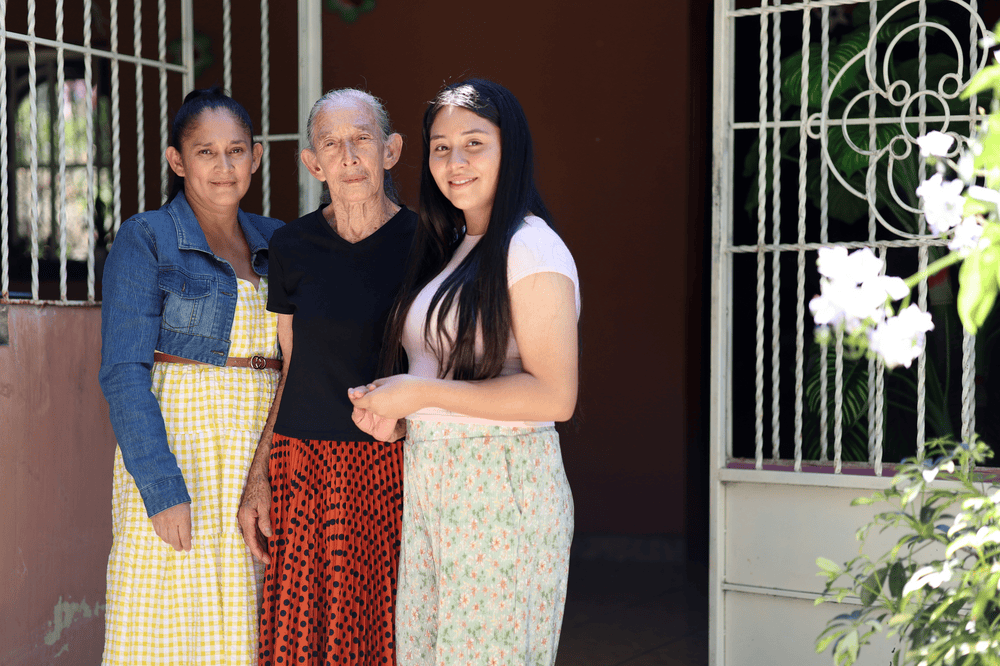
Hazel (right) stands in front her family’s home with her mother Ana (left) and grandmother Paz (center).

Hazel (right) stands in front her family’s home with her mother Ana (left) and grandmother Paz (center). Ā© Plan International | Esteban Martinez


Hazel’s mother, Ana, also had negative experiences with period education growing up, and says that there is still progress to be made for other girls who aren’t in projects like The Power of Red Butterflies.Ā 

ā€œMothers didn’t talk about it, because they themselves did not receive this important information,ā€ Ana says. ā€œSometimes you listen to what little you heard at school and that’s all. Here in this community, there are girls who don’t have enough courage to go to buy pads. Why? Because their mothers don’t talk to them about it, so they’re afraid to buy pads. They’re ashamed.ā€


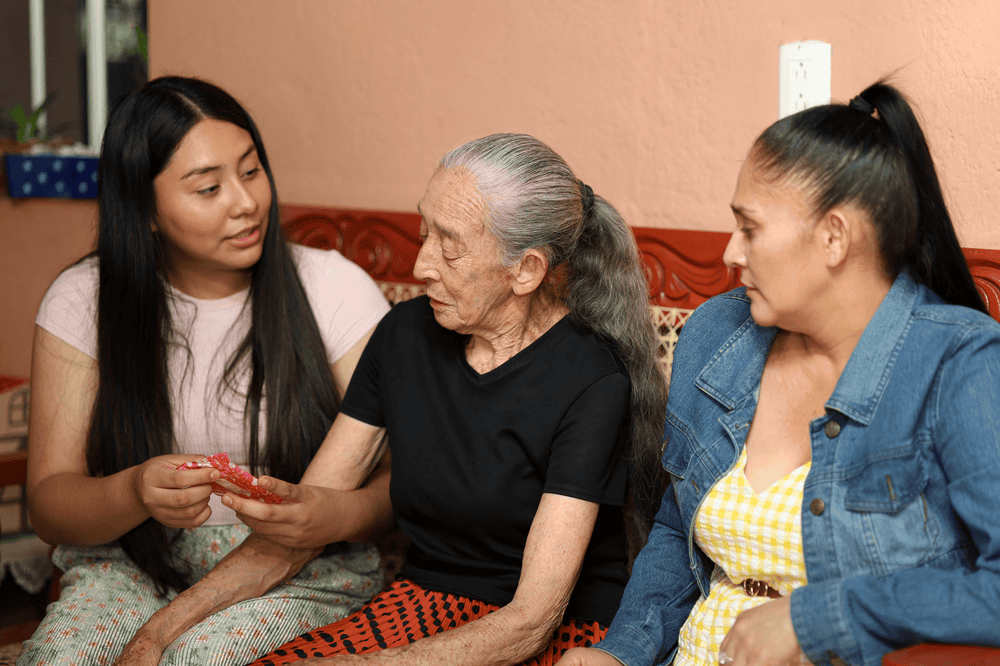
Hazel shows her grandmother how to use a pad.

Hazel shows her grandmother how to use a pad. Ā© Plan International | Esteban Martinez


After joining Plan’s project, Hazel says she feels more confident in talking about menstruation with others. She’s even discussed the topic with her grandfather.Ā 

ā€œI was talking to my grandfather about menstruation, which is something that could not be talked about in the past,ā€ Hazel says. ā€œIt was a taboo in society, this subject could not be mentioned. The Power of Red Butterflies project was something that had an impact on my life as a girl. I was taught about my body, and they started to explain to me about my first period, about my menstrual cycle, what methods I can use and how to be prepared for that moment.ā€


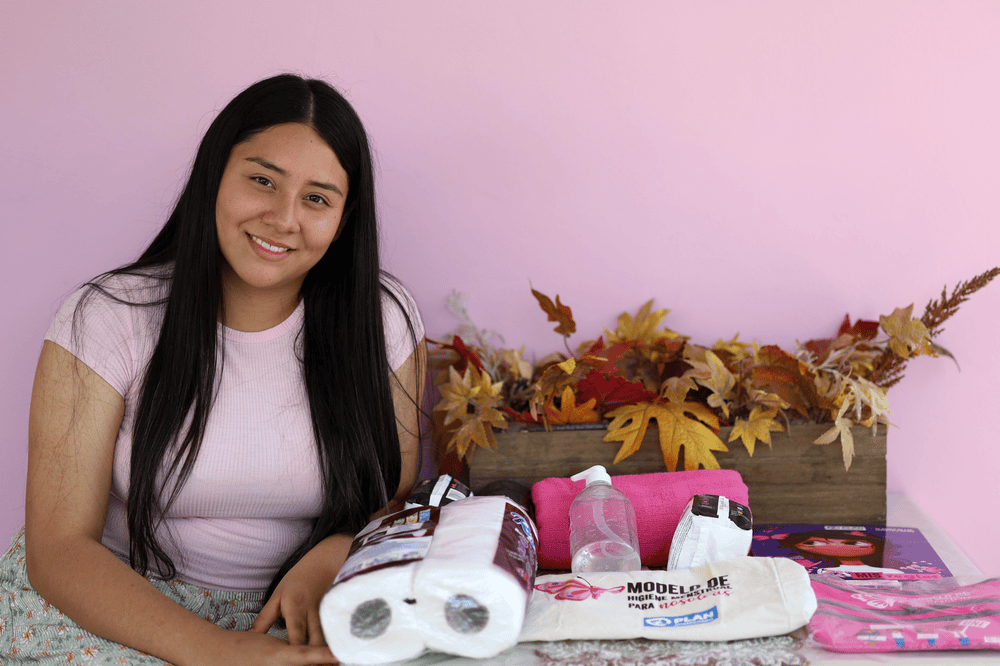
Hazel wears a pink t-shirt and green floral pants and sits beside a table with toilet paper, pads, a soap bottle and other items in her menstrual health kit.

Hazel shows the menstrual health kit received from joining Plan’s project, which includes items like pads and toilet paper. Ā© Plan International | Esteban Martinez

Ā 
Ā 
Periods through the ages: El Salvador feature image

This post is part of Plan’s blog series, ā€œPeriods through the ages,ā€ highlighting girls and the women in their families as they share period stories and break stigma in their communities.


Ā  The reluctance to talk about menstruation with boys and men affects girls and women around the world. In Nigeria, Grandmother Rahamatu says that parents wouldn’t even talk to each other about their daughter getting her period:Ā 

ā€œIn the past, mothers were often afraid to tell fathers when their daughters were menstruating because some fathers wouldn’t understand and might even blame the girls for doing something wrong — like we are following men and boys.ā€


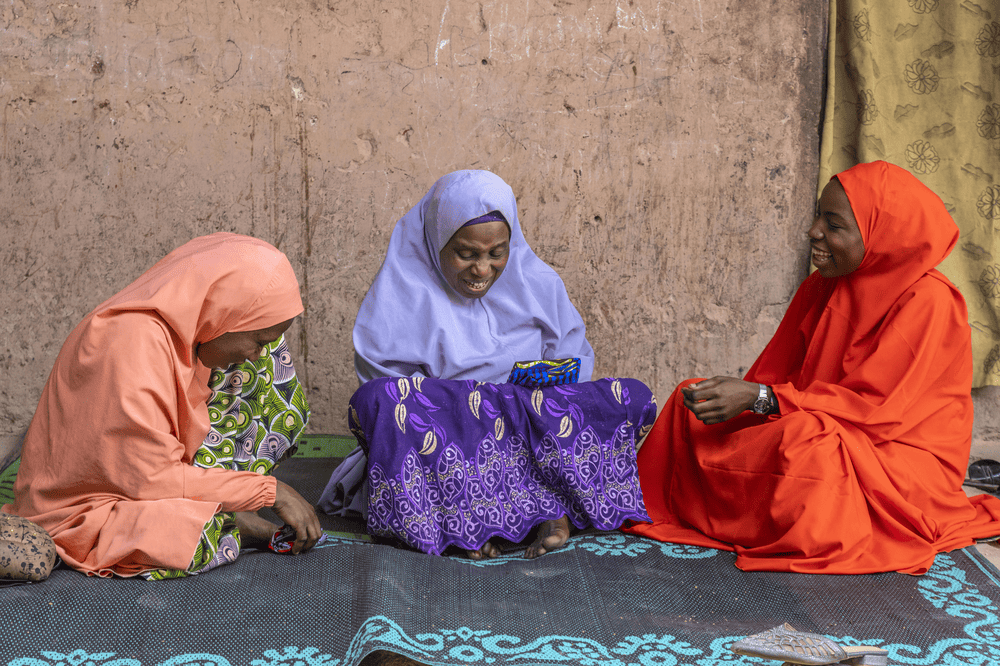
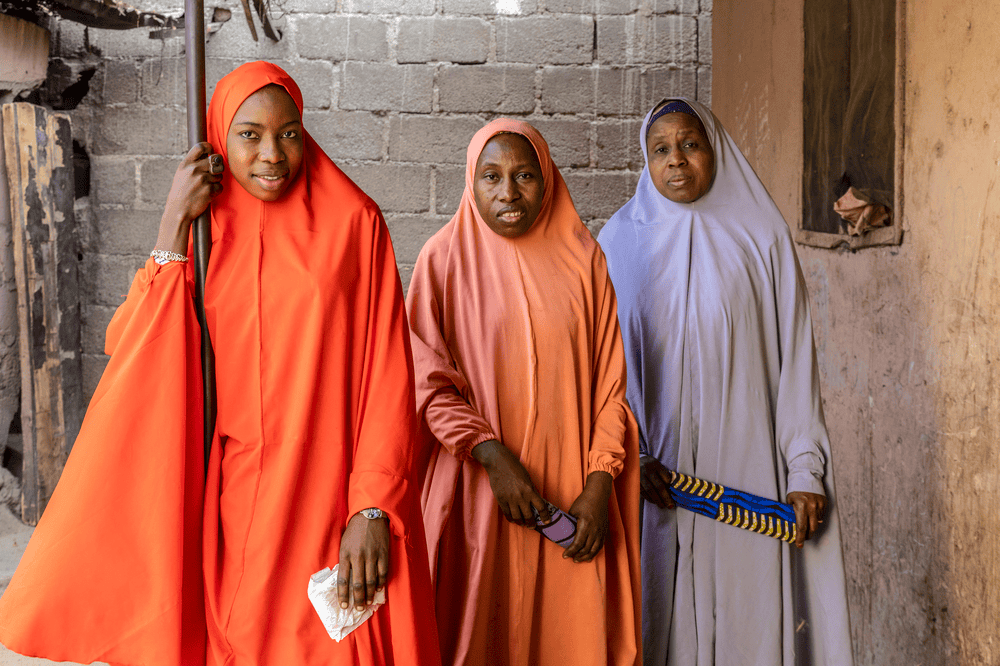
Teenage Rahamatu (right) sits with her mother Sakina (center) and grandmother Rahamatu (left).

Teenage Rahamatu (right) sits with her mother Sakina (center) and grandmother Rahamatu (left). Ā© Plan International | Andrew Esiebo


ā€œSome husbands might even avoid their wives when they’re menstruating,ā€ she says. ā€œSome do not eat their wives’ food, but nowadays, husbands are more understanding. There’s still room for more awareness and acceptance, especially for the younger generation.ā€

Her 19-year-old granddaughter, also Rahamatu, says she’s much more confident talking about menstruation since she became a peer educator for a menstrual health management project run by Plan International.


Teenage Rahamatu holds onto a post and stands to the left of her mother and grandmother, all three of them holding menstrual pads.

Teenage Rahamatu, along with her mother and grandmother, share examples of pads they use for their periods. ©Plan International | Andrew Esiebo


ā€œMy friends are excited too,ā€ Rahamatu says. ā€œEven their parents have thanked me for what I’ve done. When we got sanitary pads, everyone was happy. Having these conversations, especially with my mum, has greatly influenced my comfort level in discussing menstruation. It’s made me realize the importance of open communication and education about this topic.ā€Ā 

Periods through the ages: Nigeria feature image

This post is part of Plan’s blog series, ā€œPeriods through the ages,ā€ highlighting girls and the women in their families as they share period stories and break stigma in their communities.


Ā  ā€œMy grandmother was the first person I talked to about my period,ā€ 13-year-old Seila says. ā€œShe was very supportive and helped me understand what to do. She recommended using a good brand of sanitary pad that was comfortable and affordable.ā€Ā 


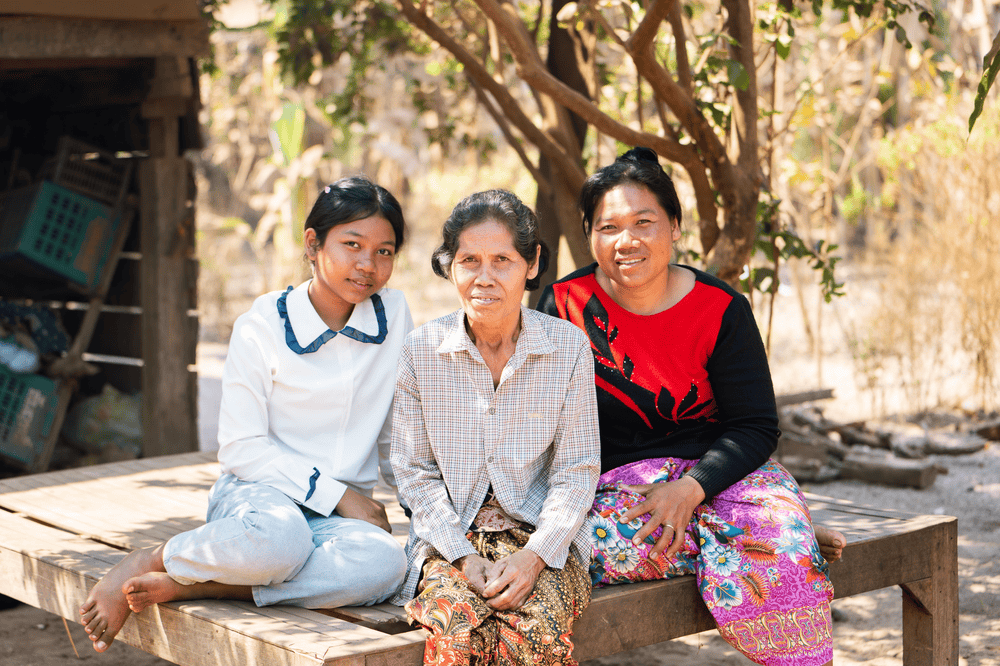
Teenage Seila (left) sits with her grandmother Bui Non (center) and mother Sokna (right).

Seila (left) sits with her grandmother Bui Non (center) and mother Sokna (right). Ā© Plan International | Bunchhai Chhun


Bui Non, Seila’s grandmother, tells us of a very different reality when she was younger.Ā 

ā€œIn my generation, we didn’t have sanitary pads,ā€ Bui Non, says. ā€œI cut fabric from a sarong into pieces. I washed them to reuse for only a week. After a week, I buried or burnt those fabrics — unlike now, where you can easily buy and use sanitary pads.ā€

Bui Non told Plan that even when her daughter Sokna, Seila’s mother, had her period as a young girl, they still didn’t have the types of products that are available now.

ā€œWhen my daughter had her period, I kept telling her to clean herself and use the fabric as a pad,ā€ Bui Non says. ā€œIf she felt sick, I would help do skin coining once per period. For this, we rub balm into the chest, back and shoulders until red is seen. This could relieve the pain.ā€Ā 


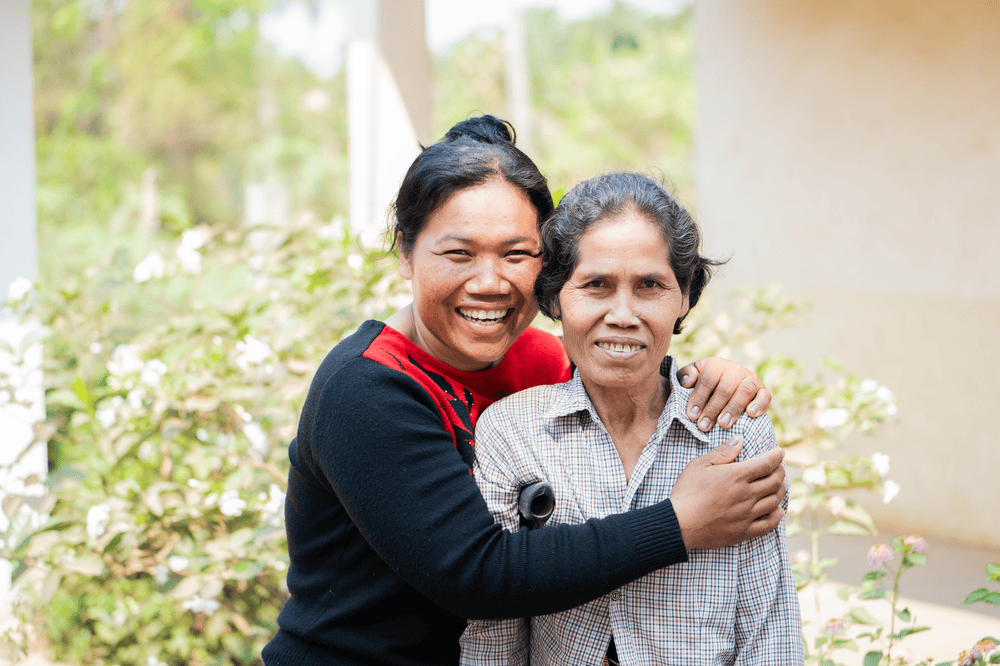
Sokna wearing a blue and red sweater hugs her mother Bui Non as both smile and face the camera.

Sokna and Bui Non stand together for a photo. Ā© Plan International | Bunchhai Chhun


Despite Seila’s confidence and access to period products, one area still needs work: talking about periods with boys and men.


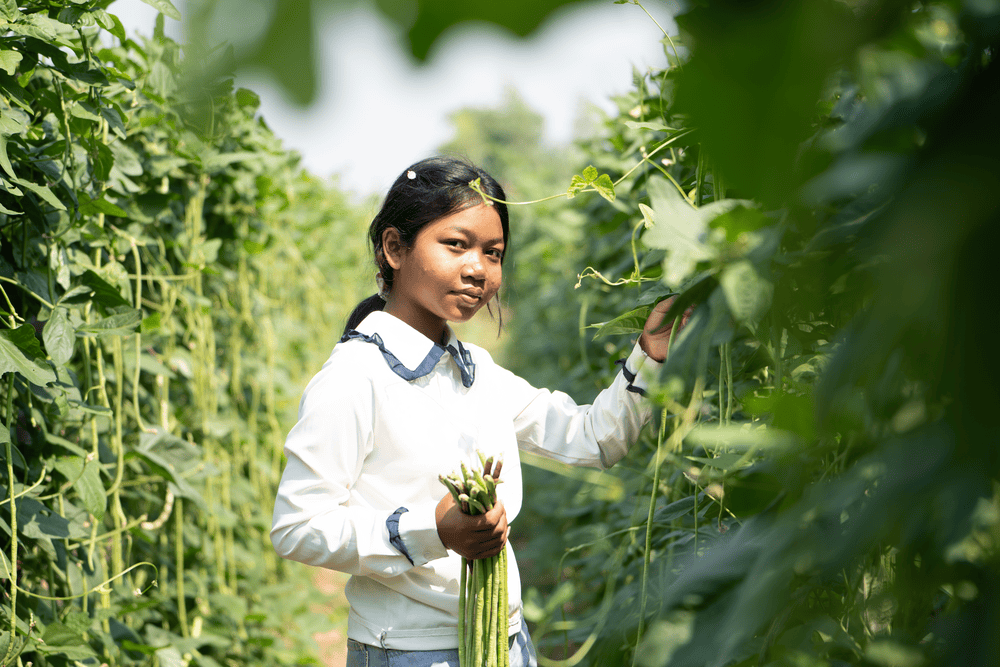
Teenage girl Seila wearing a white shirt stands in a green bean field holding a bundle of beans in her hand.

Seila picks green beans from her family’s farm. Ā© Plan International | Bunchhai Chhun

Periods through the ages: Cambodia feature image
Sustainable Brands: Want to Improve Your Company’s Bottom Line? Talk About Periods

One month after Israel’s seven commitments on humanitarian access: the realities on the ground as Rafah military offensive unfolds.

Following on the killing of seven aid workers from the World Central Kitchen, the Government of Israel madeĀ seven commitments in a reported effort to increase humanitarian access into Gaza on April 6.

In this public briefing note, humanitarian actors operating in the Gaza Strip clarify what are the realities on the ground in Gaza: Israeli authorities have not implemented the pledged commitments they made to facilitate increased humanitarian access.

The NGOs see no significant improvement from Israeli authorities in alleviating dire challenges to provide life-saving aid for a population of 2.3 million on the verge of famine.

In this detailed paper describing the challenges for humanitarian access in Gaza, NGOs highlight that the current situation is only expected to deteriorate even further with the Israeli military invasion of Rafah, voicing concerns towards the potential closure of the Rafah crossing and the evacuation of aid actors from the governorate.

Third States must urgently put the looming Israeli military invasion of Rafah on top of their political agenda and create monumental diplomatic pressure to deter the Government of Israel from moving forward with its plan immediately.

Joint INGO Public Briefing Note_Realities on the ground

Plan International logo

ANNOUNCEMENT

The U.S. Agency for International Development, USAID, has awarded Plan International the USAID Equity and Inclusion in Education activity in Nepal. The award, which is up-to $20 million, began in September 2023 and will last for five years in the provinces of Karnali and Madhesh.

The activity will focus on improving equitable educational outcomes for marginalized young people in grades 6 – 10 through three objectives: Reducing barriers to access and retention; improving quality of education; and strengthening the government of Nepal systems to improve equity and inclusion at the local level.

ā€œThe USAID Equity and Inclusion in Education activity will listen directly to marginalized learners to understand the barriers they face in obtaining a quality education,ā€ Country Director for Plan International in Nepal Ram Kishan said. ā€œYouth-driven solutions will be supported by local partners and by the government at the provincial and local levels.ā€

Diversity, equity, inclusion and accessibility principles are written into project design. This includes recruiting a team that reflects the diversity of the community, and intentionally supports the most marginalized children and youth in Nepal.

In close collaboration with Ministry of Education Science and Technology, the activity will be co-led by Plan International and two Nepali nonprofits, Karnali Integrated Rural Development and Research Center in Karnali Province and Aasaman Nepal in Madhesh Province. In addition, OLE Nepal will provide digital educational solutions and Inclusive Development Partners will lead on designing inclusive learning tools and assessments for the project.

ā€œAs we work to further the core tenets of localization, I am excited to partner with leading NGOs and organizations in Nepal,ā€ Plan International USA CEO & President Shanna Marzilli said. ā€œThe activity leadership will be shared among our key partners so that expertise can truly be inclusive.ā€

The project will target 1,927 schools from Karnali and Madhesh Provinces to carry out the MoEST’s School Education Sector plan toward a more equitable and inclusive society. For more information, please visit: www.planusa.org/projects/nepal-usaid-equity-inclusion-education/.


For more information or interviews, please contact:

Maria Holsopple

Director, Communications & Creative Services

Email: [email protected]

Mobile: 540.383.3628

Ā 

About Plan International USA

Powered by supporters, Plan International USA partners with adolescent girls, young women and children around the world to overcome oppression and gender inequality. We provide the support and resources that are unique to their needs and the needs of their communities, ensuring they achieve their full potential with dignity, opportunity and safety. Founded in 1937, Plan is an independent development and humanitarian organization that is active in more than 80 countries.

For more information, and to learn about our commitment to safeguarding, please visit www.PlanUSA.org.