Search Results

Search results for

0 result(s) found

PRESS RELEASE


PLANO, TX, August 12, 2024 — In celebration of International Youth Day, KFC today announces a partnership withĀ Plan International to support youth in their pursuit of skills and work of their choosing — at KFC restaurants and beyond.

Plan International is working toward a world where all are equal. They partner with young people and their communities to provide resources and support to help youth overcome barriers and achieve their full potential. With a presence in 80+ countries, Plan International is one of the oldest and widest-reaching organizations that advances children’s rights and equality for girls.

Nearly 75 percent of young people aged 15 to 24 in 92 countries lack the basic skills needed for employment, according to the Education Commission andĀ UNICEF. KFC’s partnership with Plan International will empower young people, especially girls and persons with disabilities, to pursue their professional dreams and goals through tailored training and resources. The partnership has four key objectives:

  • Providing pathways for young people to pursue decent work of their choosing
  • Supporting young people to develop market-driven, relevant skills
  • Fostering a work environment where youth can be authentically themselves
  • Promoting positive social norms about young people as economic actors and valuable contributors

ā€œWe are so proud to link arms with Plan International to help feed the potential of youth around the world,ā€ said Meredith Krones, Integrated Communications and Social Purpose Lead at KFC Global. ā€œWorking to address inequities and support individuals is one way KFC can make lasting impact in the communities we serve. Whether you choose to work at KFC or pursue a different passion, we know this work is building a brighter future for everyone involved.ā€

To achieve its partnership objectives, KFC will contribute to Plan International’sĀ Skills & Work Fund, co-develop best practice guides on youth-friendly recruitment, training and retention, and welcome young people to its corporate offices to experience a day in the life of a KFC executive.

“Our partnership with KFC Global will create real opportunities for young people, especially young women and those with disabilities,ā€ said Shanna Marzilli, President and CEO at Plan International USA. ā€œThis is about more than just jobs; it’s about helping young people who seem to have the odds stacked against them to build the skills and confidence they need to shape their own futures.”

This work builds on KFC’s existing efforts to support youth employability, including initiatives in Thailand and the UK.Ā KFC Thailand’s Bucket Search programĀ unlocks opportunities for drop-out students through confidence-building and vocational exploration. These work and study opportunities are aimed at socially re-integrating youth in support of Thailand’s zero dropout vision. Since 2023, Bucket Search has helped 130 school dropouts reintegrate into the education system.

KFC United Kingdom and Ireland’s HatchĀ employability program focuses on opening doors to young people and unlocking the life-changing power of a first job.Ā Through Hatch, 825 young people have increased access to growing skills and opportunities to promote confidence, resilience and aspiration while providing a viable pathway to sustainable employment.

About KFC

KFCĀ is a global chicken restaurant brand with a rich, decades-long history of success and innovation. It all started with one cook, Colonel Harland Sanders, who created the Original Recipe more than 90 years ago, a list of 11 secret herbs and spices scratched out on the back of the door to his kitchen. Today, while honoring our heritage, we remain committed to modernizing the colonel’s vision, by serving feel-good food, at scale, through inclusive, equitable and sustainable business practices.Ā  We continue to follow his formula for success, with real cooks breading and freshly preparing our delicious chicken by hand in more than 30,000 restaurants in 150 countries and territories around the world. KFC is a subsidiary of Yum! Brands, Inc. (NYSE: YUM.)​


About Plan International

Plan International is an international development and humanitarian nonprofit that advances children’s rights and equality for girls. Working together with children, young people, supporters and partners, we strive for a just world, tackling the root causes of challenges children face. We are there from birth until adulthood, and we support children to prepare for and respond to crises and adversity, while particularly focusing on the experiences of girls.

With more than 85 years of experience, we work to transform lives in more than 80 countries.

We won’t stop until we are all equal.Ā 


For more information or interviews, please contact:

Maria Holsopple

Director, Corporate Communications

Email:Ā [email protected]

Mobile:Ā 540.383.3628

Plan International logo

Every year on August 12, the world celebrates International Youth Day. It’s a time for all of us to amplify the voices of young people and recognize their power to build a better world. This year, we’re spotlighting two amazing young leaders who are making waves in their communities and beyond.Ā 

Aanya and Himangini are passionate about supporting girls and young women to lead their lives with confidence and fulfill their potential. As Plan International Youth Leadership Academy alum, they’ve accelerated their advocacy and founded their own organizations, one to support girls’ menstrual health and the other to encourage girls to pursue STEM. Their stories are a testament to the power of youth to drive positive change.Ā 

Fighting period poverty

Aanya is a passionate advocate for menstrual health who transformed her personal experience into a powerful movement that is supporting girls around the world. During the summer of freshman year in high school, Aanya learned about period poverty through a menstrual health activist in India.Ā Ā 

ā€œWith no access to period products, thousands of Indian girls frequently missed days of class, and even dropped out of school, all because they didn’t have a basic hygiene necessity!ā€ she says. ā€œTaught to be ashamed of this natural process, these girls were embarrassed to reach out for help.ā€Ā 

This realization led her to researching period poverty in the U.S., including the school system in her home state of Florida.Ā 

According to Plan’s research with Always in 2021, about 10% of girls miss school because they don’t have period products.

ā€œIt was the beginning of the school year [when] I reached out to my school nurse about the situation,ā€ Aanya says. ā€œShe said the school lacked a budget for period products, and that dozens of students were turned away each week. … I wanted to make a change, so I took action.ā€

That’s when she launched the Periods During the Pandemic initiative, which collected 5,000 period products for her school. After being featured on a news channel, she received 50,000 donated period products, distributing them to 37 low-income middle and high schools in the area.


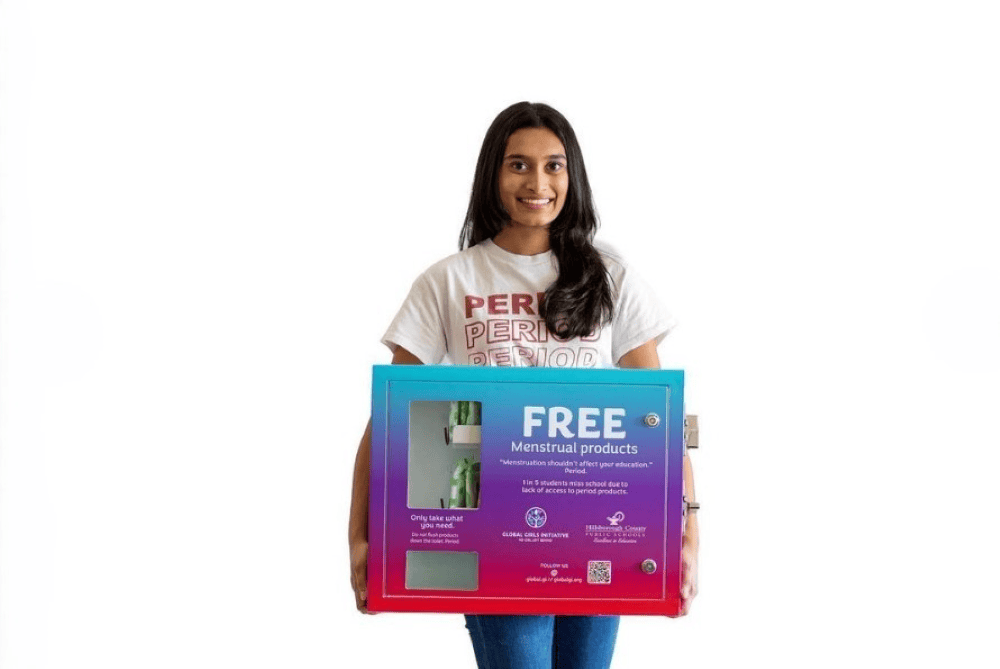
Aanya in a white t-shirt and jeans holds a large product dispenser box with a light blue to red gradient and a clear window showing menstrual pads inside.

Through her work, Aanya developed a new menstrual product dispenser to install in public buildings like schools and provide free access for all people who menstruate. | ©Global Girls Initiative


Aanya knew she could go even further. After joining the Youth Leadership Academy, she founded the Global Girls Initiative for her leadership project. The organization is focused on three main programs:Ā 

  • Kindness Matters, which provides period products to underserved communities, like Title I schools, refugee centers and homeless shelters.Ā 
  • Period Awareness with Dignity & Self-Esteem, which offers menstrual health education to young people.Ā 
  • Period Care Menstrual Dispenser, which installs dispensers in schools to provide free menstrual products.Ā 

ā€œPeriod poverty is one of the biggest obstacles in front of girls’ education, yet very few people know about it,ā€ she says. ā€œMy goal is to change that by spreading awareness and providing a solution to end period poverty through the Global Girls Initiative programs. We cannot achieve gender equality without ending period poverty.ā€Ā 

To date, Aanya has donated over 500,000 period products and reached more than 35,000 people. Her commitment to period equity is empowering girls and young women to break the silence on periods and advocate for access to menstrual health care around the world.Ā 

[Read more: YLA leadership project spotlight: Aanya]Ā 

Creating gender equality in STEMĀ 

By the time she was 16, Himangini was already transforming STEM education in her Baton Rouge community. Her organization, Geaux Girls STEM, is on a mission to empower and educate girls in science, technology, engineering and mathematics. With the barriers girls face when pursuing these subjects, it’s not surprising that Himangini faced her own challenges.Ā 

ā€œIn the beginning, it was challenging to jump-start the program because adults wouldn’t take me seriously because of my age,ā€ she says.Ā 

Still, she persisted.Ā 

Through hands-on workshops, mentorship opportunities and an open door to all, Himangini is growing a community of young STEM enthusiasts through her work. As a mechanical engineering student at LSU, a lab assistant and founder of Geaux Girls STEM, she’s showing other girls and young women around her that they can achieve so much through their hard work.


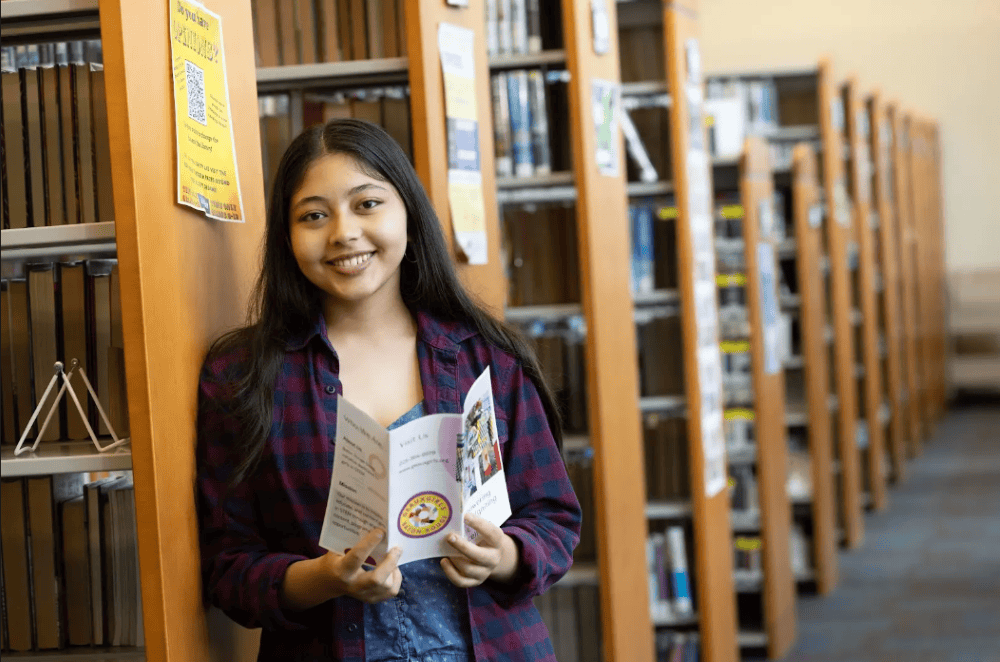
Himangini stands in a library at the end of a bookcase holding a Geaux Girls STEM brochure and smiles at the camera.

Although much of her initial outreach asking for support for Geaux Girls STEM was met with silence and rejection, Himangini learned to hold out for that one person who would (and did) say “yes!”


ā€œI want to encourage everyone to pursue education, especially if you’re a minority, to break these barriers,ā€ she says.Ā 

Over the years, Himangini has grown her organization into a nonprofit through her participation in Plan’s Youth Leadership Academy, alongside Aanya. Now, Geaux Girls STEM hosts two free workshops for children every month, where some as young as five get hands-on guidance with science subjects.Ā Ā 

Himangini herself has hosted more than 30 of these workshops and does activities like making ice cream, gardening and, to the children’s excitement, making slime.Ā Ā 

After she finishes college, Himangini plans to continue her work with Geaux Girls STEM and grow the organization to reach even more girls.Ā 

Aanya and Himangini are extraordinary young leaders that the world needs. As we celebrate International Youth Day, let’s recognize their contributions and support young people like them in their efforts to create a better future for us all.Ā 

Give a gift in honor of young changemakers everywhere.

These young changemakers will inspire you feature image

Since the conflict between Israel and Hamas began on October 7, we’ve seen heartbreaking images of families struggling to survive and children suffering the worst effects of war, poverty and trauma.Ā  Quick facts on Gaza [s]:Ā 

  • More than 38,000 people in Gaza have been killed.Ā 
  • Over 88,000 people in Gaza have been injured.Ā 
  • About 1.9 million people across the Gaza Strip have been displaced.Ā 

Children are always innocent victims of war. Here are a few of the ways we are seeing this devastating situation affect them, especially girls.Ā 

Children in Gaza are unsafe:Ā Ā 

It’s estimated that about 90% of Gaza’s 2.2 million people have been displaced – many multiple times [s]. No child is attending school, either. The education and health care systems have been destroyed, with many schools turning into makeshift hospitals and refugee centers for people in need of shelter.

The violence has also led to at least a thousand children needing amputations of one or more of their limbs, but this number is likely higher [s]. Most hospitals have become nonfunctional as well, so children are not able to have their injuries treated.


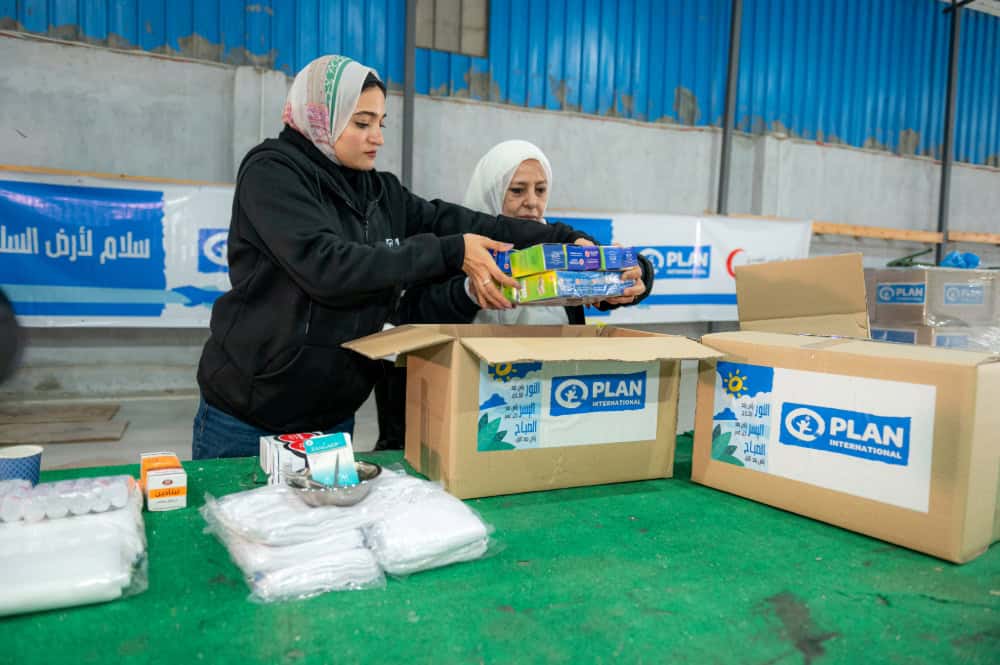
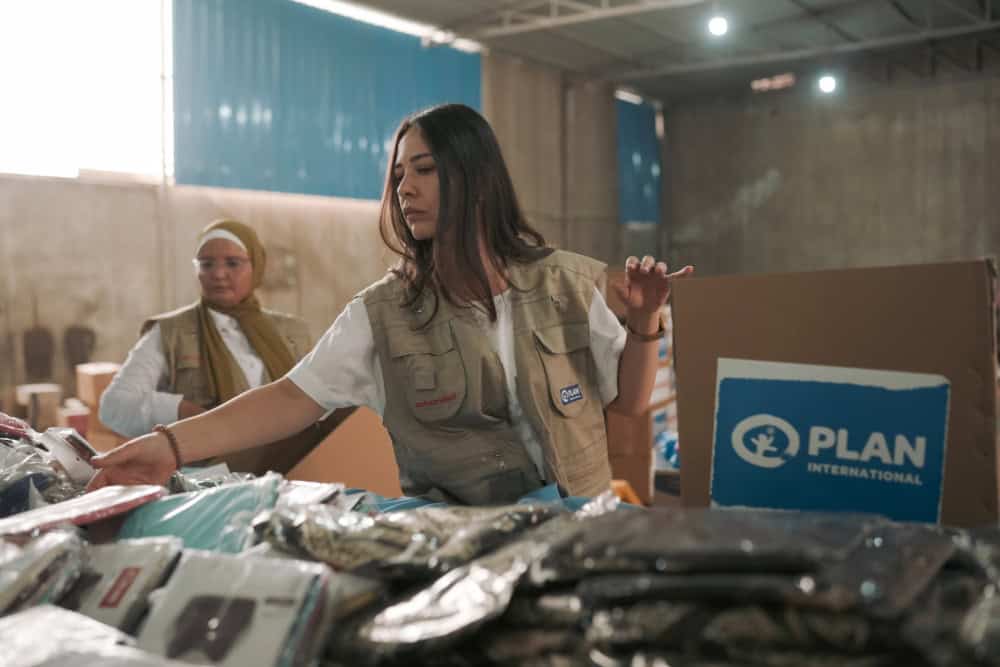
Women pack small colorful boxes into larger cardboard boxes with the Plan International logo on the outside.

Plan staff pack boxes of first aid kits to deliver to children and families in Gaza. | Omar Jihad, Ā© Plan International Egypt


In response to the humanitarian disaster in Gaza, Plan International is supporting the Egyptian Red Crescent to deliver much-needed first aid kits to families in Gaza. These kits include items like bandages, antiseptics and pain relief medication.Ā 

Hunger in Gaza

The IPC has designated 95% of the Gaza Strip under the highest levels of food insecurity and warned of imminent famine [s]. Nine out of 10 children don’t have enough food to keep growing, and so far, estimates show that at least 8,000 children have already been diagnosed with acute malnutrition [s].

What headlines make clear is that there just isn’t enough food in Gaza. It has been extremely difficult to get food and other relief into the area, and experts fear widespread famine could occur soon — and that more children will die.

Ā 

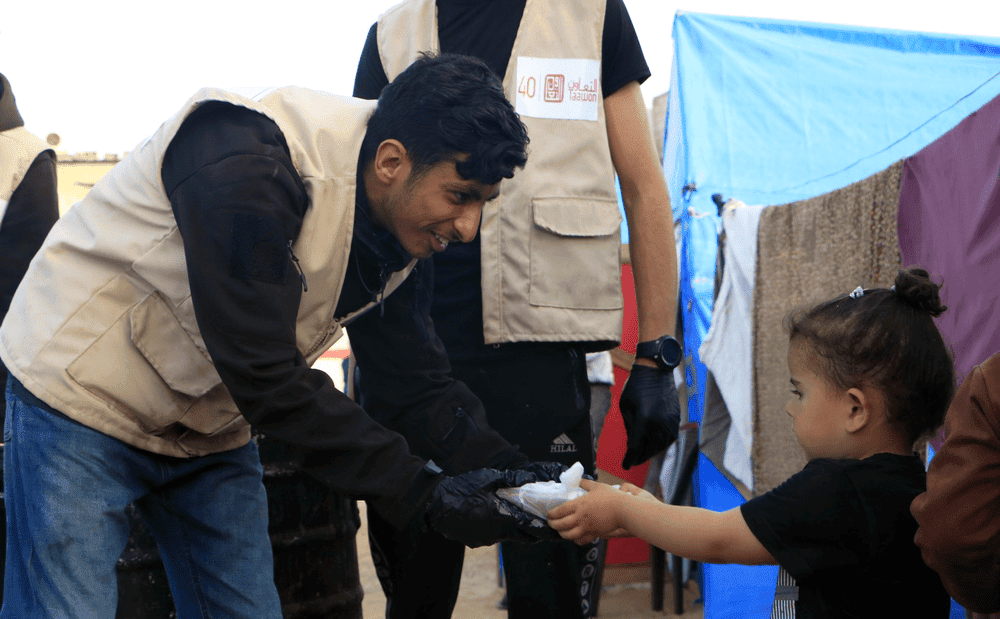
Man wearing a tan vest and black long-sleeved shirt hands a plastic wrapped plate to a small child.

Children in Gaza receive hot meals from Plan and its partner Taawon. | Ā© Taawon Welfare Association


Plan is working in partnership with Gaza’s welfare association, Taawon, to provide hot meals to children and their families in Gaza. So far, we’ve delivered over 11,000 meals and are working to provide even more.Ā Ā 

Girls’ menstrual health is sufferingĀ 

As families are displaced from one location to the next, reliable access to safe water is diminished.

Reporting shows that there’s only one toilet for every 341 people, and only one shower for every 1,292 people [s]. When girls and women get their period, they don’t have the water, supplies or privacy to manage their health. Without a health care system in place, routine and preventative care stops.Ā  Put together, these conditions can lead to dangerous infections that threaten girls’ lives.


Woman wearing a tan vest and white t-shirt grabs items wrapped in plastic while holding a large cardboard box open.

Workers fill boxes with menstrual health kits for girls and women in Gaza. | Peter Amgad, Ā© Plan International Egypt


For girls in Gaza, routine menstrual health care is vital to their ability to survive and recover from humanitarian crises. In collaboration with Plan’s partner ActionAid in Egypt, we’re packaging and distributing menstrual health kits to girls and young women in Gaza. These kits include items like pads, underwear and clean dresses so girls have one less thing to worry about as they live through this humanitarian crisis in Gaza.Ā 

How you can help children in GazaĀ 

With partners in the Middle East, Plan is responding to mass displacement and providing relief like safe spaces for children, mental health support, education for children and menstrual health kits for girls. We’re also working with local and national partners within Gaza to scale up emergency relief efforts that provide children with food, first aid and health care.

Your gift today supports this critical work, protecting children in Gaza and providing life-saving support.


Live blog: Children in Gaza affected by conflict feature image

Monday, July 22, 2024 was a record-breaking day for Earth. Do you know what for?

It was literally the hottest day we’ve ever had. At least, it was the hottest day we’ve been able to measure since data collection began in 1940. That doesn’t mean everywhere experienced high temperatures, but the average came out to about 62.87°F. This is .11 degrees higher than the last record-breaking number — which was set the day prior.

For regions around the world that are living through scorching temperatures and decreasing rainfall, this tracks with what they already know. Climate change is heating up the planet and making it harder for millions of people to survive.

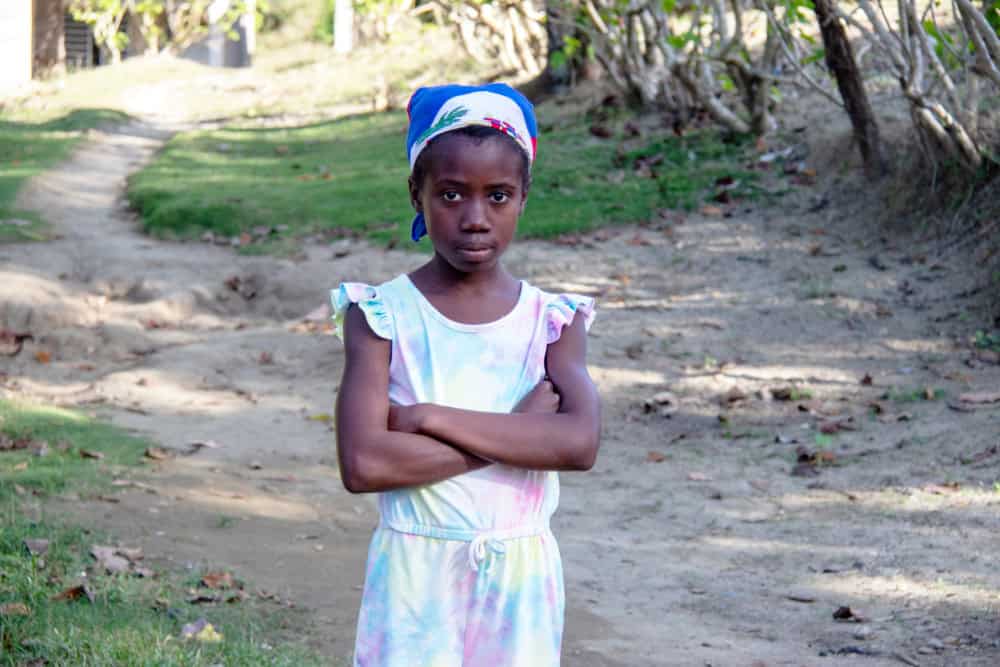
Droughts are especially devastating because we rely on water for everything. Drinking, cooking, sanitation and plumbing are just a few daily uses for water. As sources diminish, people must walk further to collect what remains. And by people, we mean girls — like 10-year-old Kathiana from Haiti.


Semi-wide shot of a girl in Haiti standing with her arms crossed as she looks into the camera with a serious facial expression.

Kathiana used to go straight to the nearby river after school to collect water for her family. Ā© Plan International Haiti


Luckily, the river she goes to isn’t too far away from home, but fetching water still takes an hour out of her day. That hour could be spent studying or playing with friends.

ā€œI usually collect water the day before and store it for the next day, so I don’t have to do it before school, although sometimes it keeps me from doing my homework,” she says.

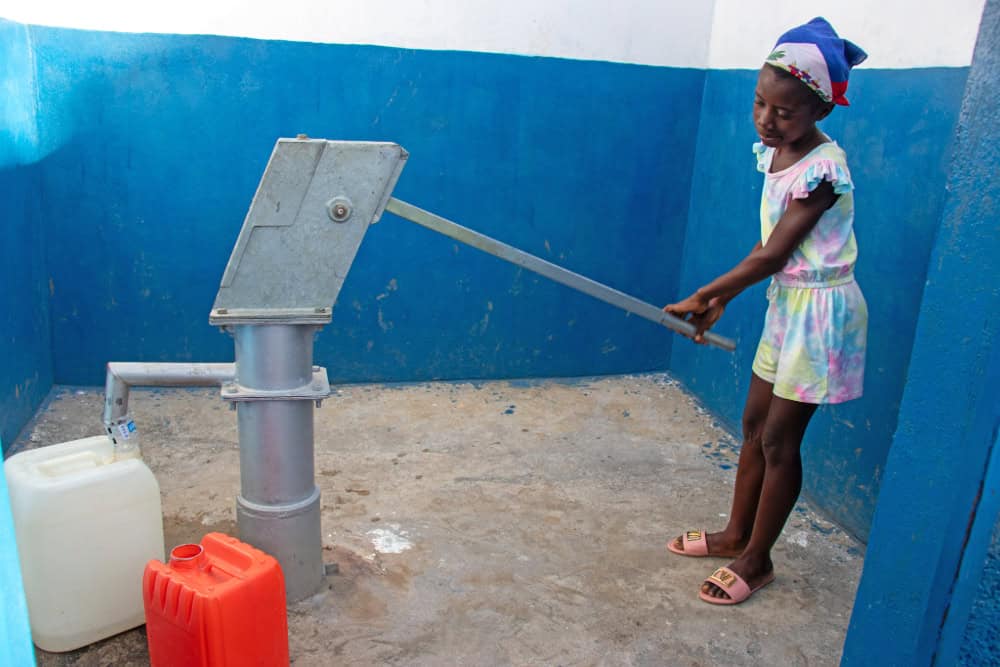
That’s why Kathiana was excited when Plan International came to her village to install a water pump. The new pump means a safer and shorter journey, reducing the risk of violence that girls like her experience when travelling long distances to fetch water. And with dreams of being a doctor someday, Kathiana now has more time for her studies.


Girl in Haiti holds the handle of a water pump as water fills a white plastic jug.

Kathiana collects water from the pump in her village instead of walking to the nearby river. Ā© Plan International Haiti


So far, Plan has installed and repaired 16 manual water pumps throughout the north-east region of Haiti where Kathiana lives and is working toward solar pumps.

Unfortunately, there are girls and young women who walk for hours and come back home with less water each time. They’re missing entire school days, trekking along unsafe pathways and risking their health by drinking from potentially contaminated sources.

Their stories are a stark reminder of the urgent need to address the water crisis fueled by climate change. While global efforts are necessary, we can all make a difference.

As you think of the individual steps you can take to mitigate the negative effects of climate change for the future, here’s something that will make a huge impact right now: helping people on the frontlines of water scarcity. Here are three ways you can act:Ā 

1. Give a Water Gift of Hope

Gifts of Hope are real gifts for children and their families around the world, and giving a gift from the water section of our catalog means you’ll provide resources to people who don’t have clean water at home.


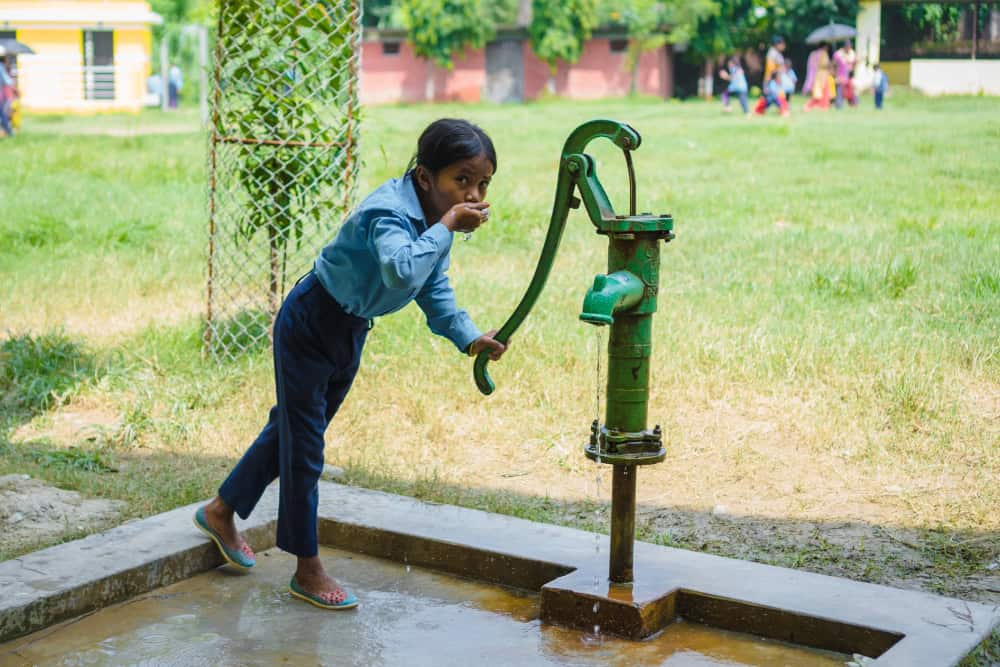
Girl in Nepal wearing a light blue shirt and dark blue pants holds the handle of a water pump as she drinks from her other hand.

Clean water at school is also vital for girls so they can manage their periods safely. Tilak Gaha Magar, Ā© Plan International Nepal


Gifts like Form a Water Committee fund community groups that develop and implement clean water strategies while gifting a Smart Pump Device for a Community will help those committees keep track of clean water supplies.

You can also join other climate-conscious and compassionate individuals and gift a Share of Clean Water for 1 School to help build a clean water system for children in Cambodia.Ā 

2. Give to Plan

A simple donation to Plan goes a long way to support projects that provide clean water to families around the world (like the one that installed a water pump for Kathiana’s community).

For example, in Zambia, El NiƱo exacerbated a drought that is negatively impacting agriculture, food and water supplies, and energy production for half of the country.

[Read more: What is El NiƱo, and why are we worried about it?]

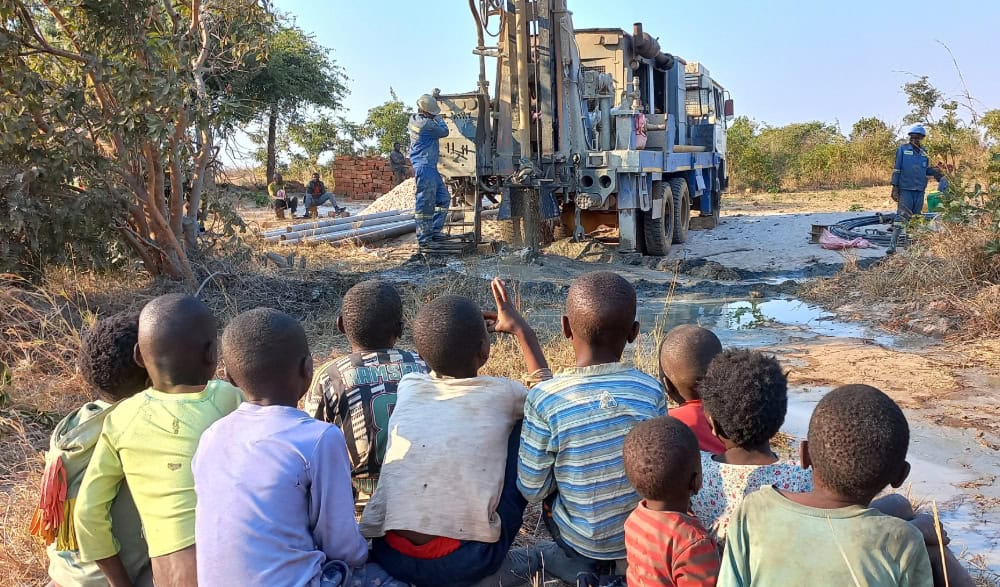
In addition to providing emergency relief, Plan is also implementing long-term solutions. This includes drilling wells to ensure families have water for home use and to irrigate their land so they can restart their farms.


Ten young children in Zambia watch diggers drill a well in their community.

Plan implements projects to dig water wells in regions like Zambia where climate change has depleted many sources of this life essential. Ā© Plan International Zambia


Projects like this need your support, especially as more and more places around the world experience drought and water shortages.Ā Ā 

3. Sponsor a child

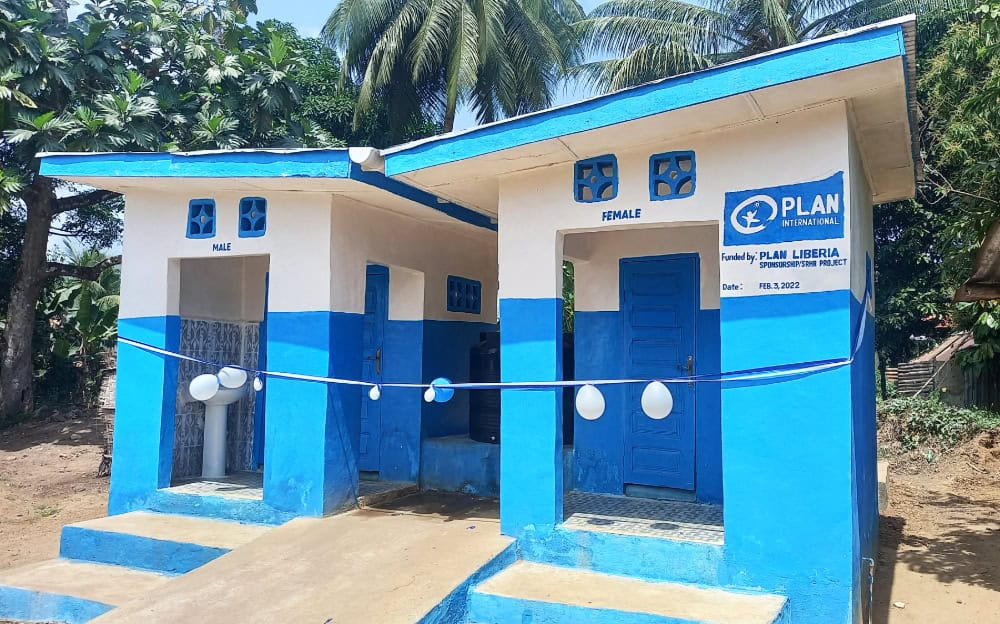
Sponsoring a child through Plan is a direct way to combat the water crises for children, particularly in regions impacted by climate change. Your monthly gift empowers not only your sponsored child but also their entire community, providing access to clean water, sanitation and hygiene resources essential for combating the effects of climate change.


Blue and white concrete bathroom stalls with the designations

In Liberia, Plan build two new public bathroom stalls and clean water towers in a sponsorship community for children and their families. Ā© Plan International Liberia


By investing in child sponsorship, you’re not only improving the lives of individual children but also building resilient communities equipped to withstand the challenges posed by climate change.


3 ways you can fight climate change for girls feature image
Medium: The Normalization of Violence Against Women on Social Media
Devex: USAID going backward on localization funding, agency report shows

There are nearly 2.3 billion children around the world — or just under one-third of the global population. They’re our future: future doctors, teachers, leaders, you name it.Ā Ā 

But every day, this endless potential dims for millions of children. Challenges due to poverty, hunger, conflict and more keep the youngest people in our world from prosperity and success. Here, we’re exploring six major barriers to children’s rights and wellbeing.Ā 

  1. Poverty
  2. Conflict
  3. Education loss
  4. Hunger
  5. Climate change
  6. Child marriage

Poverty

Perhaps the root of many of the other challenges we’ll discuss below, poverty around the world has devastating ripple effects on children’s livelihoods everywhere. UNICEF estimates that around 333 million children live in extreme poverty.Ā 

Note: The World Bank designates extreme poverty as living on less than $2.15 per day. Other poverty levels include living under $3.65 and $6.85 per day in lower-middle- and upper-middle-income countries, respectively.

Children living in poverty often don’t have access to necessities like food, and families struggle to afford other expenses like school fees or medical care. Desperate to stay afloat, children and their families might fall victim to harms like trafficking or child marriage that only compound a dire situation.Ā 

The fewer opportunities a child has to grow, finish school, get a good job and achieve financial stability, the more likely they are to get stuck in poverty. Without help, this struggle will persist throughout their life, and unless the cycle of poverty is broken, it will repeat for their children — and likely even their grandchildren.
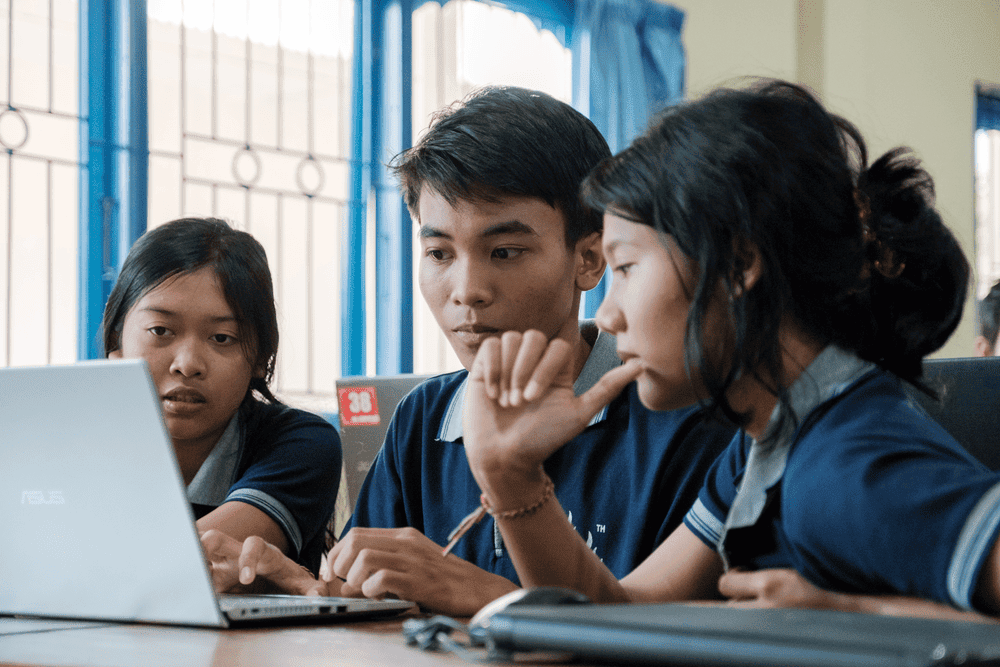
 

Two girls and one boy wearing blue polo shirts sit in front of a laptop screen.

As part of a digital skills training program with Plan, 250 young people in Bali took part in training sessions to learn how to start green businesses, including waste management and coconut oil and coffee production. Ā© Plan International


Plan works with adolescents and marginalized young adults to build peer networks and strengthen both their soft skills and career skills to equip them for the careers they want. From entrepreneurship training to finance 101 to vocational training, we know young people’s potential can only be fulfilled when they have the means to build a future for themselves.Ā 

Getting an education and a well-paying job or starting their own business (which you can even help with) are the building blocks of that success, and they are vital for every single child in poverty currently afraid that they’re never going to achieve their dreams.Ā 

Conflict

Gaza, Ukraine, Sudan, Yemen. These are just a few places where conflict has decimated families’ livelihoods and killed thousands of children. It is estimated that some 400 million children are currently living in war zones or places experiencing violent conflict.Ā Ā 

For children in conflict who survive, they are often displaced — sometimes without their families beside them — and escape to areas where the need for basics, like food, water and medical care, outweighs available resources. For instance, the outbreak of war in Sudan in 2023 pushed millions of people into South Sudan and Chad, accelerating food insecurity and increasing hunger and malnutrition by the millions.Ā 

For girls, managing their periods during conflict is nearly impossible without clean water and menstrual products, as we’ve seen in Gaza.Ā 

Help a girl living through crisis by giving her a Hygiene Kit, which has basics like soap and menstrual pads, so she can focus less on survival and more on healing.Ā 

Children’s education is also disrupted during conflict, meaning they fall behind on their learning and emotional development (the trauma they experience only makes this worse, too). Even more, without the ability to go to school, coupled with economic instability, children become vulnerable to trafficking and child marriage in high-conflict areas.Ā 

Without direct and immediate intervention, children and young people are robbed of their futures, and entire communities are thrust into the cycle of poverty. Plan works directly with those who are most affected by conflict to meet their needs and help them recover for the long term.
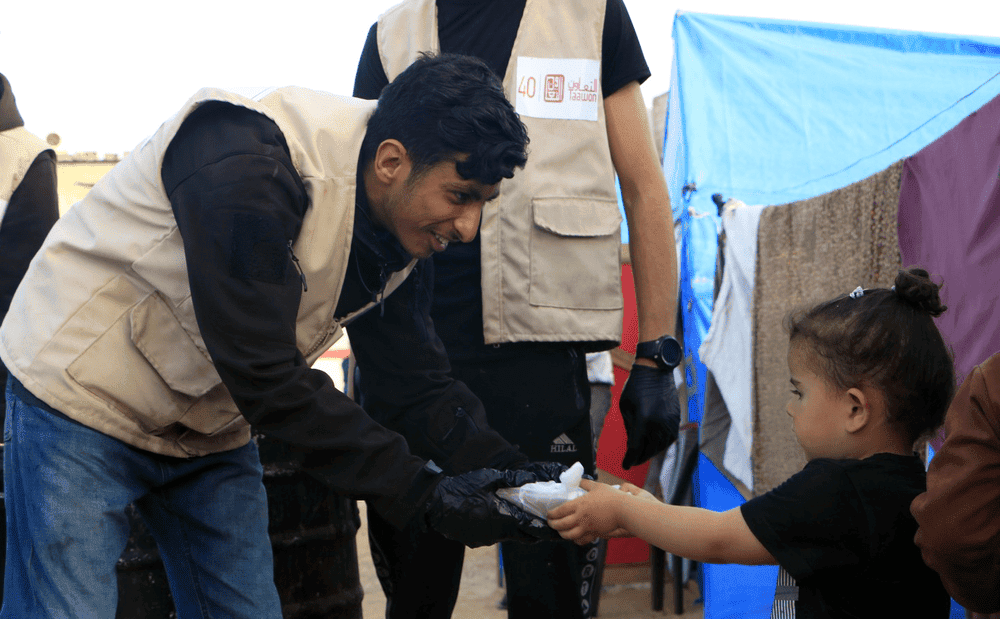
 

Palestinian aid worker hands young girl a plate of food.

Plan is partnering with Palestinian organization Taawon to respond to the catastrophic and dire humanitarian crisis in Gaza, including delivering more than 6,000 meals. Ā© Plan International

Education loss

Current estimates put the number of children missing school at around 250 million, an increase of 6 million since 2021. The UN also reports that globally, only 62% of children complete their final years of secondary education. The COVID-19 pandemic halted school for most students around the world, but other barriers like conflict, natural disasters and laws like the Taliban’s ban on girls’ education have kept millions from exercising their right to an education.Ā 

Because education and poverty are inextricably linked, you already know what we’re going to say here: without access to an education, children are more likely to fall into or stay in poverty. Their social-emotional development is also hindered, meaning they can’t form vital relationships that help them grow into well-adjusted adults.Ā 

Aside from this, without access to school, girls become especially vulnerable to forced marriage and early pregnancy – which can be life-threatening. But studies, including one by Plan in partnership with Citi’s Global Insights team, have shown that when more girls are educated, individual and community economic conditions improve.
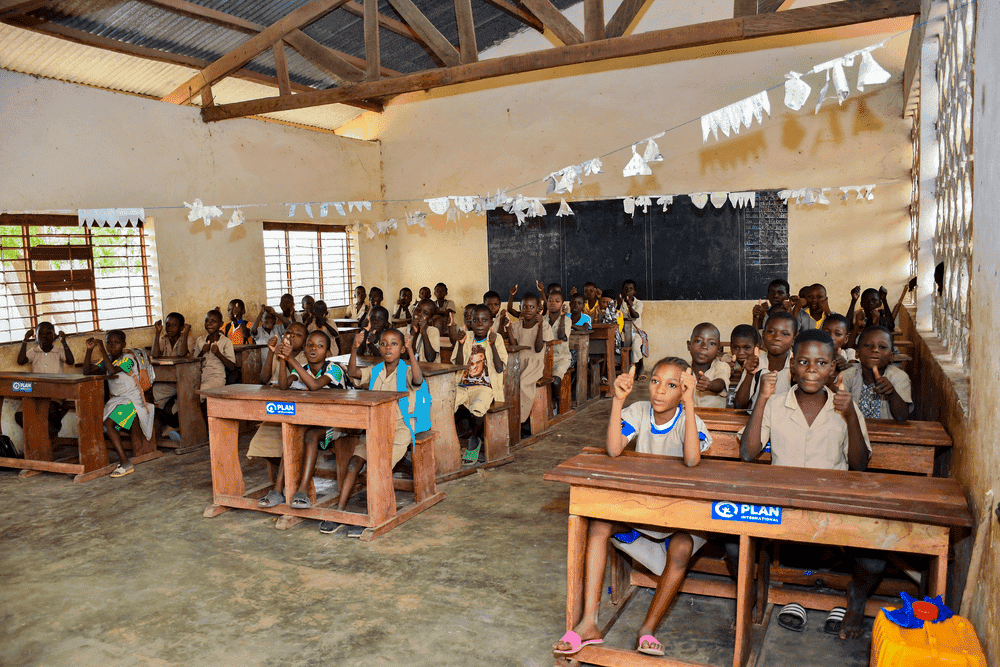
 

Dozens of children in Benin sit in rows of school desks with Plan International logos attached to the front faces of each desk.

Plan is working in northern Benin to improve the learning conditions for children and their teachers in the face of increasing security risks due to conflict. So far, Plan has constructed two new classroom buildings, fully equipped with desks and chairs, and donated furniture to another 44 schools. Ā© Plan International


In 2023, Plan reached 10.5 million learners with quality education programs and ensured over 4.3 million girls have better access to education. Supporters like you who gift School Fees for a Girl lessen the financial strain on already struggling parents who can’t afford to pay for their daughter’s secondary education and fuel programs like The Graduation Project, which is keeping girls safe and in school.Ā 

Climate change

Climate change isn’t just about rising temperatures and melting glaciers; it’s about hurricanes, floods, drought and, ironically, deep freezes, among other natural disasters. It’s a complex issue that disproportionately impacts the most vulnerable members of society, including children.Ā Ā 

Displacement from climate-related events has pushed at least 43 million children from their homes, and UNICEF predicts this number will grow to more than 113 million children over the next 30 years, mainly due to cyclones, storm surges and flooding.Ā Ā 

Like displacement due to conflict (which can also occur alongside climate disasters as the two may coincide), climate refugee children lack access to education, health care and basic means of survival. And since climate change is also leading to massive droughts, hunger and malnutrition are increasing in places like the Horn of Africa and Central America.Ā Ā 

Help 1 Family Cope with Climate Change by providing them with training to protect livestock and mitigate climate-related risks on their farms.
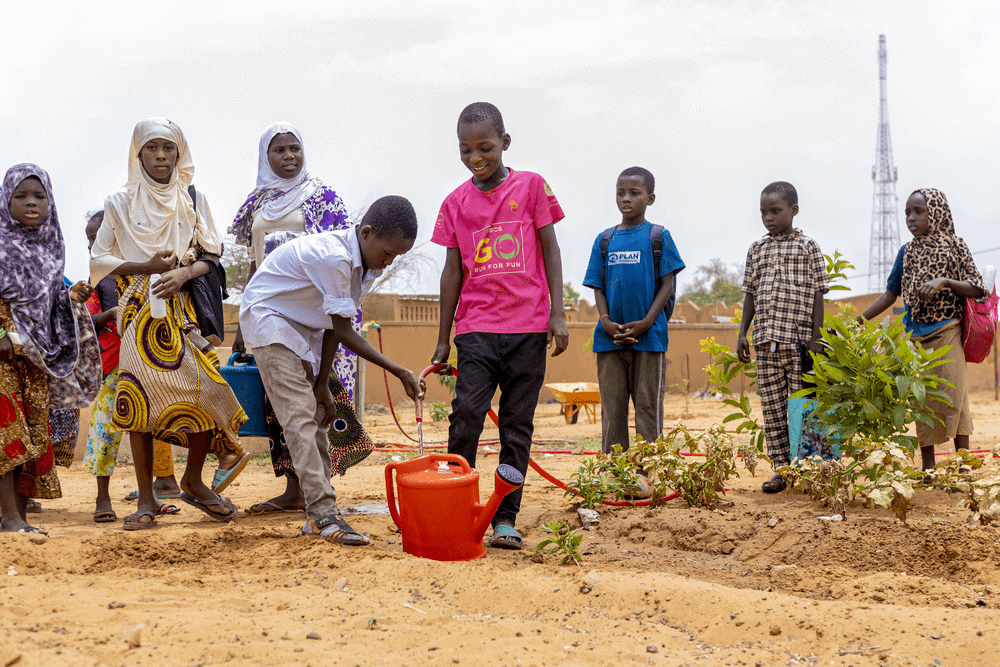
 

Young children in Niger gather while two boys fill a red watering can in the middle of a sandy school garden.

As part of Plan International’s response to climate and conflict-induced hunger in Niger, and to encourage children to stay in school, seven gardens have been planted at schools in four villages in TillabĆ©ri. Children at the schools learn gardening best practices and are even starting gardens at their homes. Ā© Plan International

Hunger

Since we’ve mentioned the intersection of climate change and hunger, let’s take a moment to focus on hunger a little more.Ā 

In 2022, 691 million to 783 million people faced hunger around the world, and it has been on the rise in places like the Caribbean and across all regions of Africa. For children, hunger is fatal. Nearly half of all deaths of children under five are related to undernutrition.

Note: The World Health Organization uses the term ā€œmalnutritionā€ to address 3 categories of conditions: undernutrition (not eating enough), micronutrient-related malnutrition (think vitamin deficiencies) and obesity and diet-related noncommunicable diseases (like heart disease, diabetes and some cancers).

The physical and psychological effects of hunger on children are significant. Without enough nutritious food, children can’t physically grow, and they face conditions like wasting and stunting. They also don’t have the ability to concentrate on things like school, and a lack of nutrients for the brain impairs its development – further hindering a child’s cognitive and intellectual growth.
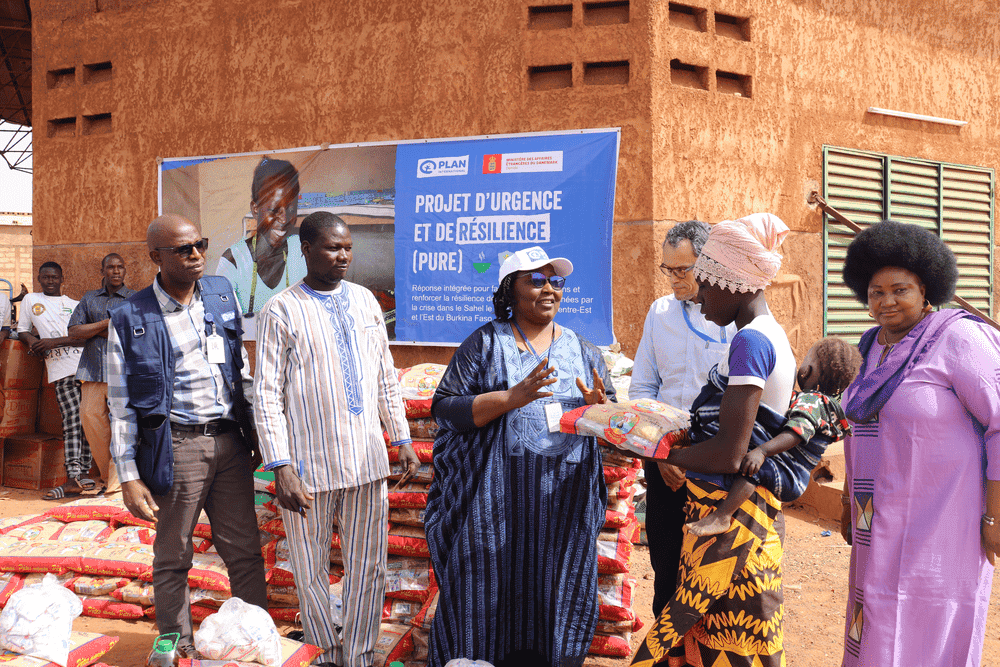
 

Plan International staff hand a bag of food supplements to a young woman with her child strapped to her back.

Through a Plan project, 200 households, including displaced families, in the center-north region of Burkina Faso received emergency food items including rice, pasta, tomato paste, oil and salt. Ā© Plan International


Girls facing hunger are also more likely to be out of school, either because their parents can’t afford to pay for school fees or because they become responsible for finding food for their siblings. And when girls are out of school, they’re at risk of premature marriage and pregnancy.Ā Ā 

By gifting a Food Kit for a Family, you’ll help provide immediate relief for children struggling to eat enough food and reduce the burden on girls to search for food.

Child marriage

Child marriage primarily impacts girls, tearing them away from school and ending their childhood prematurely. Nearly 634 million young women today were married before the age of 18. In sub-Saharan Africa, where child marriage is the most prevalent, almost one in three girls under 18 are married before adulthood.Ā Ā 

Often thought of as a way out of poverty, child marriage actually keeps girls trapped in the cycle. Since many girls drop out of school either because of or prior to marriage, they can’t get jobs to support themselves and must rely on their husbands for survival, a power imbalance that often leads to abuse and violence.Ā Ā 

Child marriage also leads to early pregnancy in girls. But because their bodies are not fully developed, the risks of disease, injury and death during and after pregnancy skyrocket. Pregnancy-related conditions are the second leading cause of death in girls ages 15-19, only eclipsed by tuberculosis.
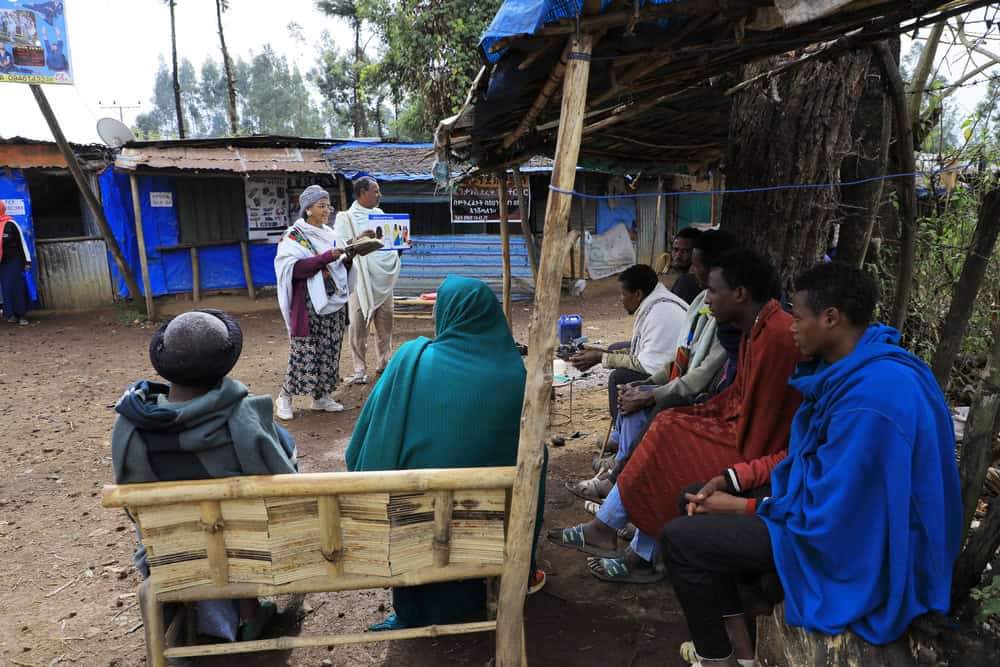
 

A woman speaks to a group of young men sitting under a wooden overhang in Ethiopia.

In Ethiopia, a Plan project is working with girls in two regions to help them access sexual and reproductive health services and make their own decisions about when and who to marry. The project also works with boys and men to become partners of change. Ā© Plan International


Without knowledge about the risks of child marriage, girls and young women don’t know how to identify abuse and protect themselves — or even resist a marriage. Parents are also often in the dark about the negative effects on their daughters, so creating spaces for intergenerational dialogue in communities is a vital step in ending the practice entirely.Ā 

Gift Child Marriage Prevention Training for Boys to help end the practice and protect girls.
These 6 challenges are stealing childhoods feature image

As you are reading this, around 300 million women and girlsĀ are on their periods. Maybe you’re one of them; maybe you know one of them.Ā Ā 

Or, maybe periods are a foreign concept to you and they kind of gross you out. Plenty of people don’t talk about periods openly because of the ā€œick-factorā€ associated with menstruation. But what if this reluctance to talk about it prevents girls from caring for their menstrual health?Ā 

Well, it kind of does.Ā 

Nearly a fourth of the world’s girls and women (that’s 500 million people) face some kind of barrier to managing their periods, like lack of access to period products and clean bathrooms. Some of the girls on their periods right now are missing school because, on top of these challenges, they also get harassed and shamed by classmates who perpetuate period stigma.Ā 

[Read more: Why we say ā€œmenstrual healthā€ instead of ā€œmenstrual hygieneā€]

But something is changing; more and more, girls around the world are speaking up about their experiences, to end the stigma and achieve global period equity. Plan International met with some of these girls and their mothers and grandmothers, who didn’t have the chance to use their voice, until now.Ā Ā 

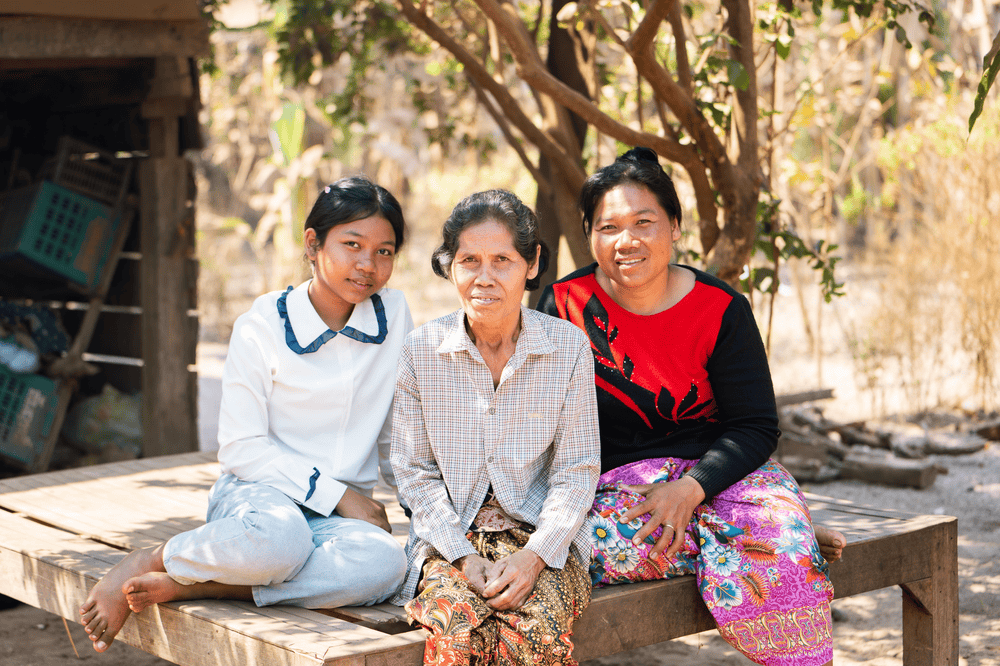
Seila, Sokna and Bui Non in Cambodia

Teenage girls Seila sits next to her grandmother Bui Non and mother Sokna on a wooden table outside their home in Cambodia.

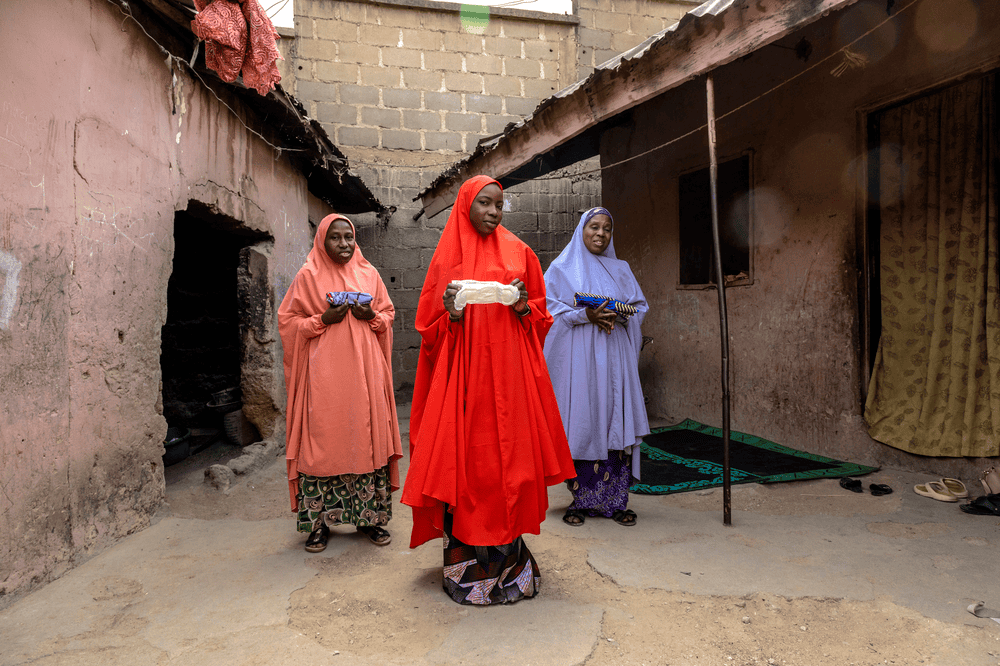
Rahamatu, Sakina and Rahamatu in Nigeria

Teenager Rahamatu stands in front of her mother Sakina and grandmother Rahamatu, who all hold examples of menstrual pads their unique generations use in Nigeria.

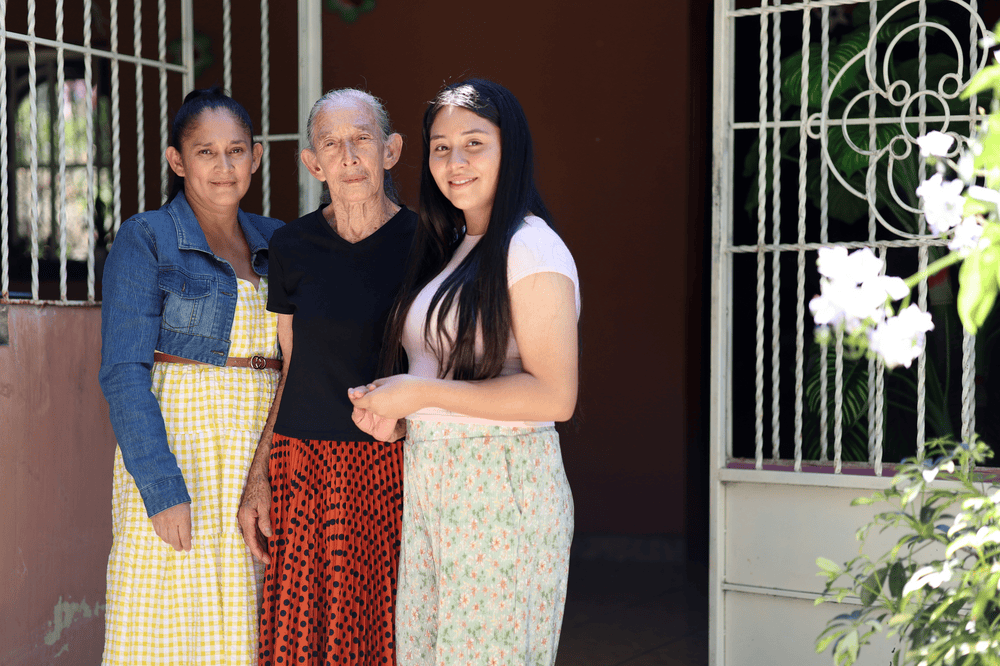
Hazel, Ana and Paz in El Salvador

Teenage Hazel stands with her grandmother Paz and mother Ana outside their home in El Salvador.

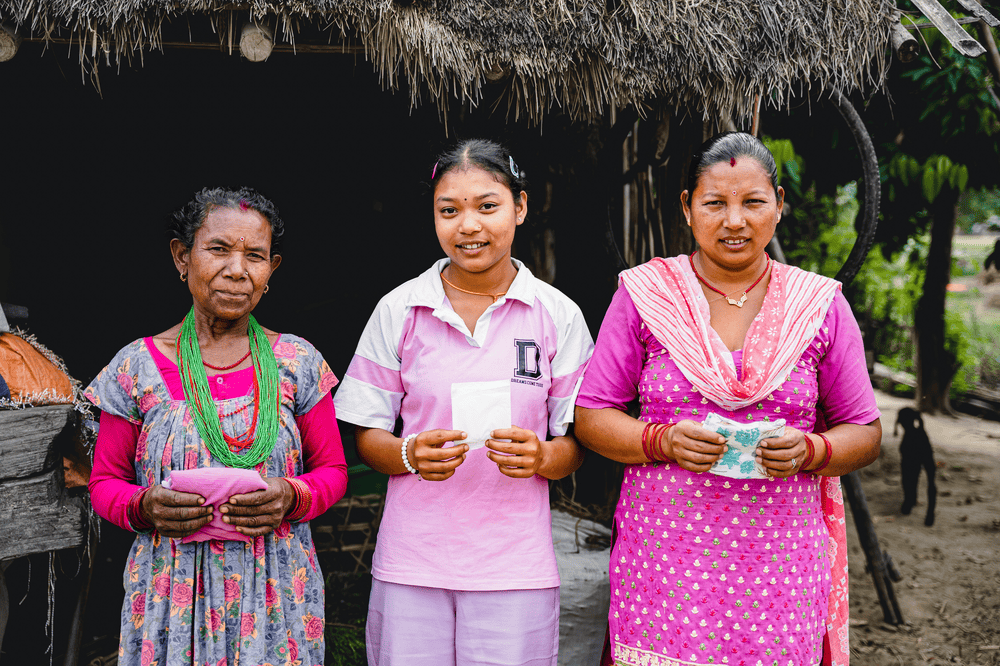
Pushpa, Rita and Tilki in Nepal

Teenager Pushpa stands between her grandmother Tilki and mother Rita as they hold up examples of menstrual pads they use in Nepal.

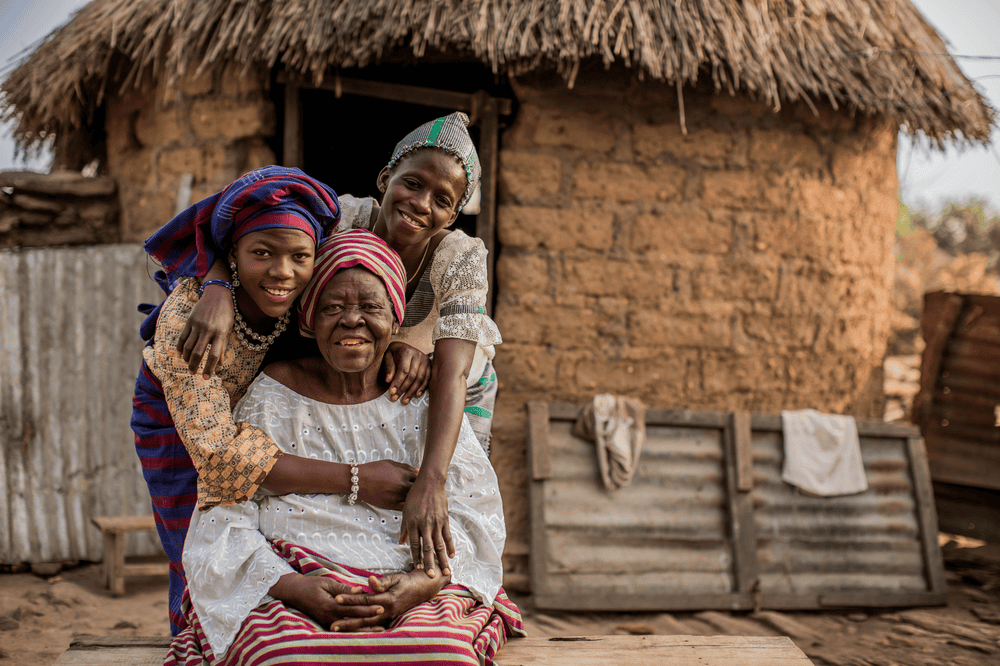
Denise, Esther and Inna in Togo

Teenage Denise next to her mother Esther as the lean over and hug grandmother Inna outside their home in Togo.