Search Results
Search results for
- Blog
There are nearly 2.3 billion children around the world ā or just under one-third of the global population. Theyāre our future: future doctors, teachers, leaders, you name it.Ā Ā
But every day, this endless potential dims for millions of children. Challenges due to poverty, hunger, conflict and more keep the youngest people in our world from prosperity and success. Here, weāre exploring six major barriers to childrenās rights and wellbeing.Ā
Poverty
Perhaps the root of many of the other challenges weāll discuss below, poverty around the world has devastating ripple effects on childrenās livelihoods everywhere. UNICEF estimates that around 333 million children live in extreme poverty.Ā
Note: The World Bank designates extreme poverty as living on less than $2.15 per day. Other poverty levels include living under $3.65 and $6.85 per day in lower-middle- and upper-middle-income countries, respectively.
Children living in poverty often donāt have access to necessities like food, and families struggle to afford other expenses like school fees or medical care. Desperate to stay afloat, children and their families might fall victim to harms like trafficking or child marriage that only compound a dire situation.Ā
The fewer opportunities a child has to grow, finish school, get a good job and achieve financial stability, the more likely they are to get stuck in poverty. Without help, this struggle will persist throughout their life, and unless the cycle of poverty is broken, it will repeat for their children ā and likely even their grandchildren.

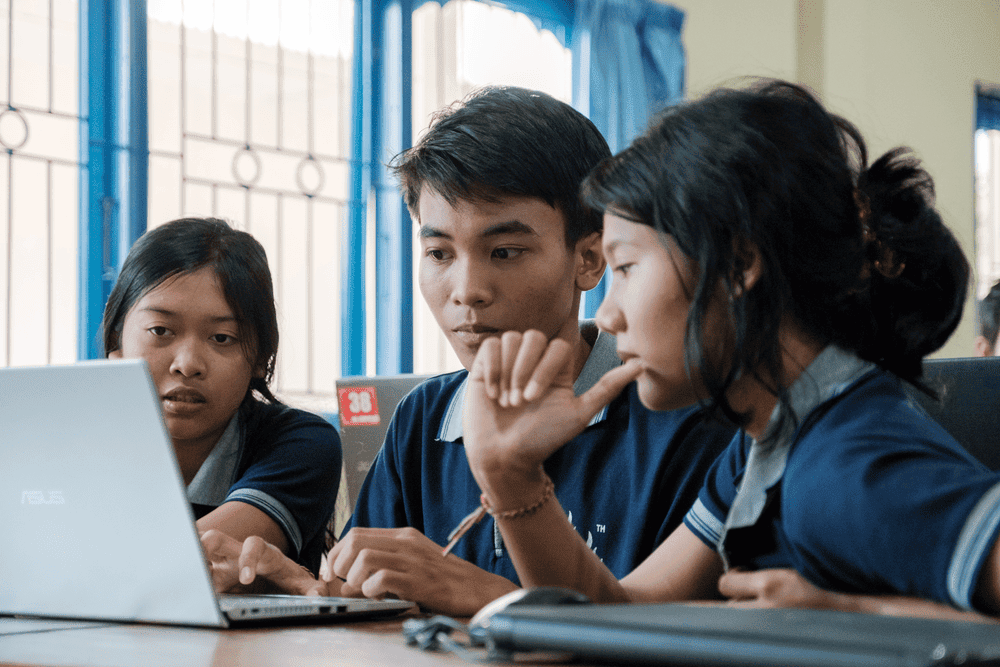
As part of a digital skills training program with Plan, 250 young people in Bali took part in training sessions to learn how to start green businesses, including waste management and coconut oil and coffee production. Ā© Plan International
Plan works with adolescents and marginalized young adults to build peer networks and strengthen both their soft skills and career skills to equip them for the careers they want. From entrepreneurship training to finance 101 to vocational training, we know young peopleās potential can only be fulfilled when they have the means to build a future for themselves.Ā
Getting an education and a well-paying job or starting their own business (which you can even help with) are the building blocks of that success, and they are vital for every single child in poverty currently afraid that theyāre never going to achieve their dreams.Ā
Conflict
Gaza, Ukraine, Sudan, Yemen. These are just a few places where conflict has decimated familiesā livelihoods and killed thousands of children. It is estimated that some 400 million children are currently living in war zones or places experiencing violent conflict.Ā Ā
For children in conflict who survive, they are often displaced ā sometimes without their families beside them ā and escape to areas where the need for basics, like food, water and medical care, outweighs available resources. For instance, the outbreak of war in Sudan in 2023 pushed millions of people into South Sudan and Chad, accelerating food insecurity and increasing hunger and malnutrition by the millions.Ā
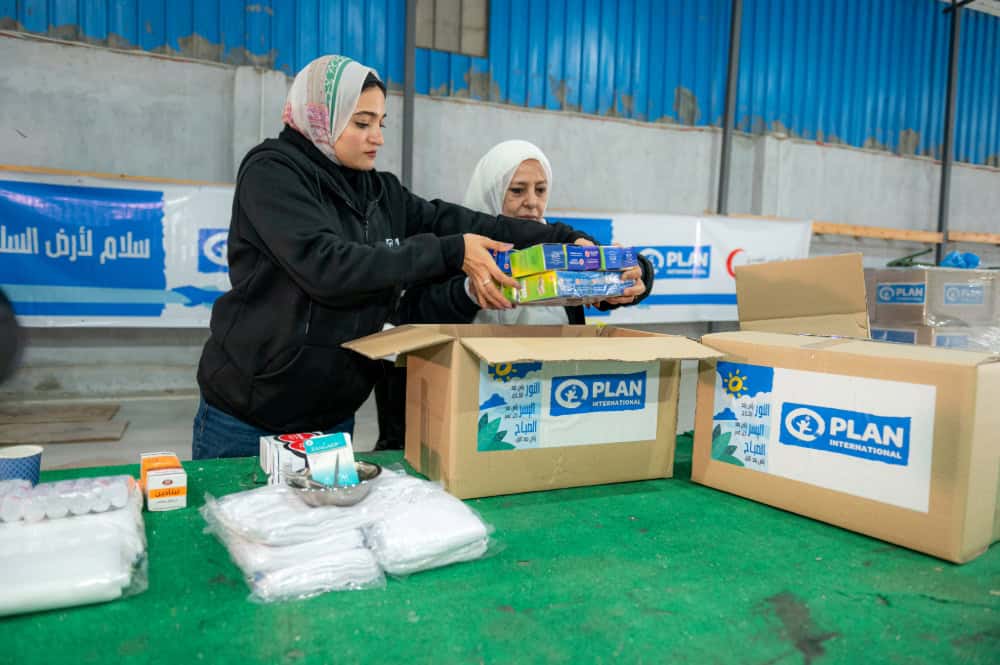
For girls, managing their periods during conflict is nearly impossible without clean water and menstrual products, as weāve seen in Gaza.Ā
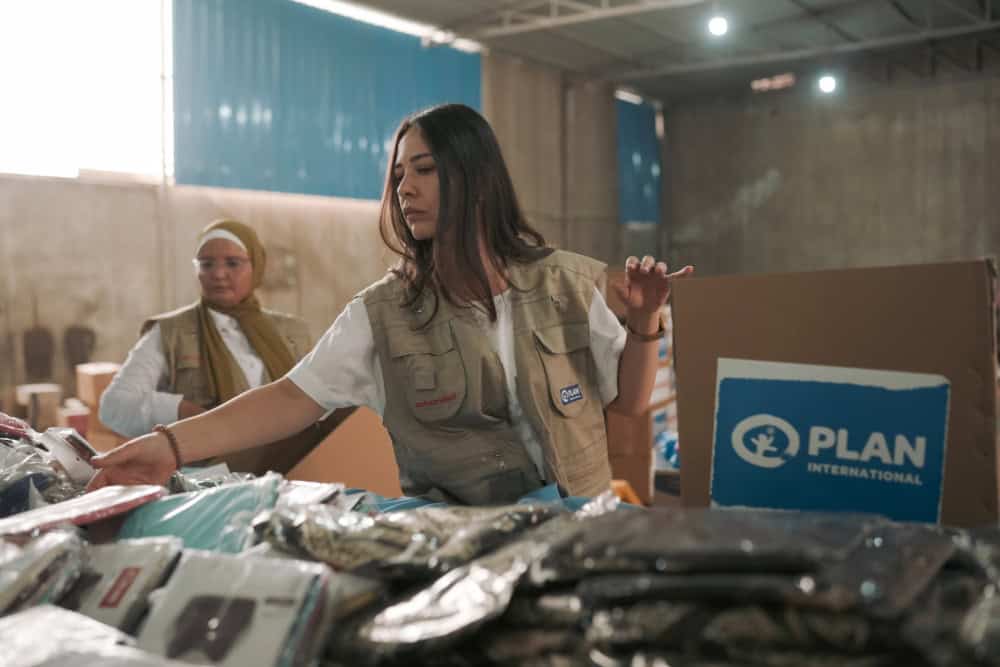
Help a girl living through crisis by giving her a Hygiene Kit, which has basics like soap and menstrual pads, so she can focus less on survival and more on healing.Ā
Childrenās education is also disrupted during conflict, meaning they fall behind on their learning and emotional development (the trauma they experience only makes this worse, too). Even more, without the ability to go to school, coupled with economic instability, children become vulnerable to trafficking and child marriage in high-conflict areas.Ā
Without direct and immediate intervention, children and young people are robbed of their futures, and entire communities are thrust into the cycle of poverty. Plan works directly with those who are most affected by conflict to meet their needs and help them recover for the long term.
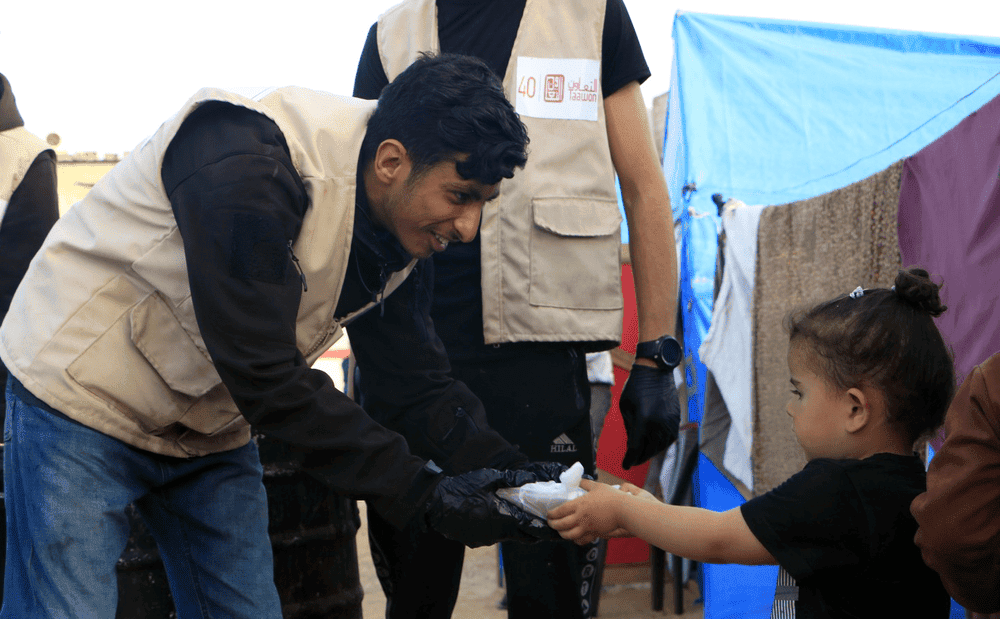
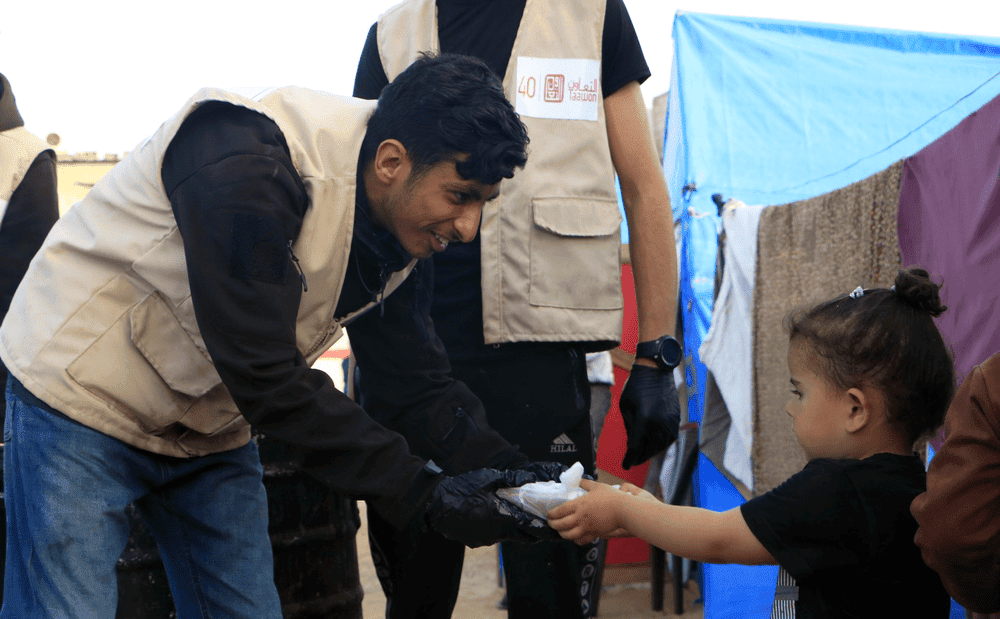
Plan is partnering with Palestinian organization Taawon to respond to the catastrophic and dire humanitarian crisis in Gaza, including delivering more than 6,000 meals. Ā© Plan International
Education loss
Current estimates put the number of children missing school at around 250 million, an increase of 6 million since 2021. The UN also reports that globally, only 62% of children complete their final years of secondary education. The COVID-19 pandemic halted school for most students around the world, but other barriers like conflict, natural disasters and laws like the Talibanās ban on girlsā education have kept millions from exercising their right to an education.Ā
Because education and poverty are inextricably linked, you already know what weāre going to say here: without access to an education, children are more likely to fall into or stay in poverty. Their social-emotional development is also hindered, meaning they canāt form vital relationships that help them grow into well-adjusted adults.Ā
Aside from this, without access to school, girls become especially vulnerable to forced marriage and early pregnancy ā which can be life-threatening. But studies, including one by Plan in partnership with Citiās Global Insights team, have shown that when more girls are educated, individual and community economic conditions improve.
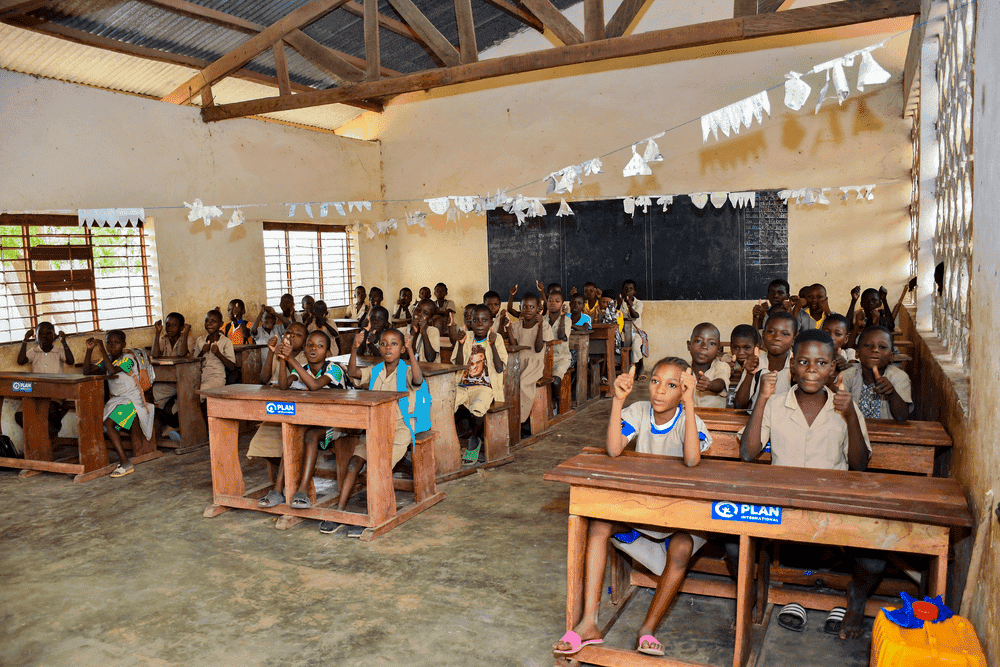
Plan is working in northern Benin to improve the learning conditions for children and their teachers in the face of increasing security risks due to conflict. So far, Plan has constructed two new classroom buildings, fully equipped with desks and chairs, and donated furniture to another 44 schools. Ā© Plan International
In 2023, Plan reached 10.5 million learners with quality education programs and ensured over 4.3 million girls have better access to education. Supporters like you who gift School Fees for a Girl lessen the financial strain on already struggling parents who canāt afford to pay for their daughterās secondary education and fuel programs like The Graduation Project, which is keeping girls safe and in school.Ā
Climate change
Climate change isn’t just about rising temperatures and melting glaciers; itās about hurricanes, floods, drought and, ironically, deep freezes, among other natural disasters. It’s a complex issue that disproportionately impacts the most vulnerable members of society, including children.Ā Ā
Displacement from climate-related events has pushed at least 43 million children from their homes, and UNICEF predicts this number will grow to more than 113 million children over the next 30 years, mainly due to cyclones, storm surges and flooding.Ā Ā
Like displacement due to conflict (which can also occur alongside climate disasters as the two may coincide), climate refugee children lack access to education, health care and basic means of survival. And since climate change is also leading to massive droughts, hunger and malnutrition are increasing in places like the Horn of Africa and Central America.Ā Ā
Help 1 Family Cope with Climate Change by providing them with training to protect livestock and mitigate climate-related risks on their farms.
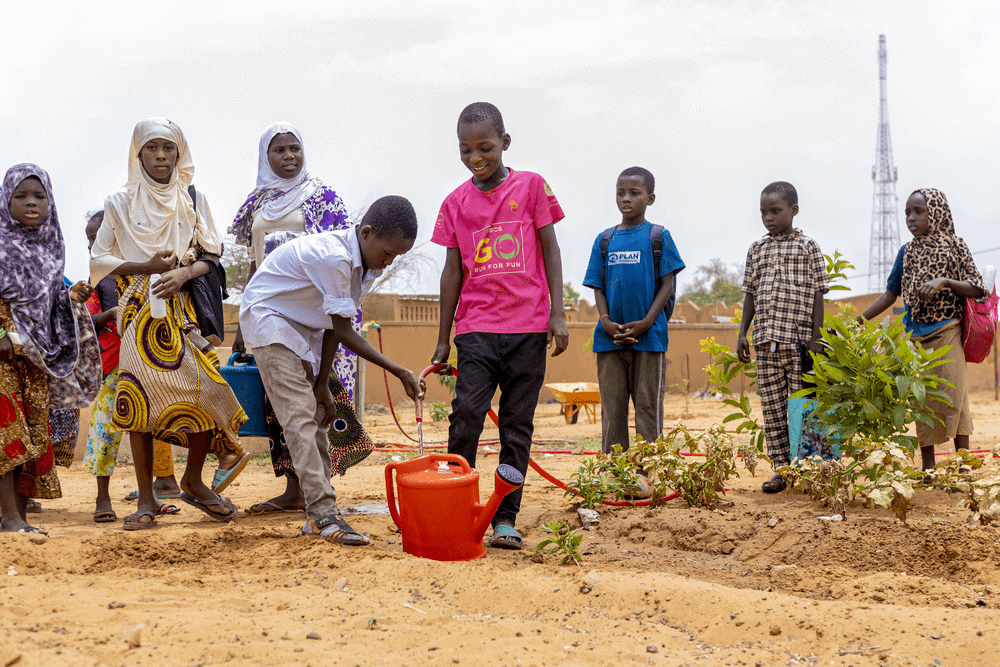
As part of Plan Internationalās response to climate and conflict-induced hunger in Niger, and to encourage children to stay in school, seven gardens have been planted at schools in four villages in TillabĆ©ri. Children at the schools learn gardening best practices and are even starting gardens at their homes. Ā© Plan International
Hunger
Since weāve mentioned the intersection of climate change and hunger, letās take a moment to focus on hunger a little more.Ā
In 2022, 691 million to 783 million people faced hunger around the world, and it has been on the rise in places like the Caribbean and across all regions of Africa. For children, hunger is fatal. Nearly half of all deaths of children under five are related to undernutrition.
Note: The World Health Organization uses the term āmalnutritionā to address 3 categories of conditions: undernutrition (not eating enough), micronutrient-related malnutrition (think vitamin deficiencies) and obesity and diet-related noncommunicable diseases (like heart disease, diabetes and some cancers).
The physical and psychological effects of hunger on children are significant. Without enough nutritious food, children canāt physically grow, and they face conditions like wasting and stunting. They also donāt have the ability to concentrate on things like school, and a lack of nutrients for the brain impairs its development ā further hindering a childās cognitive and intellectual growth.

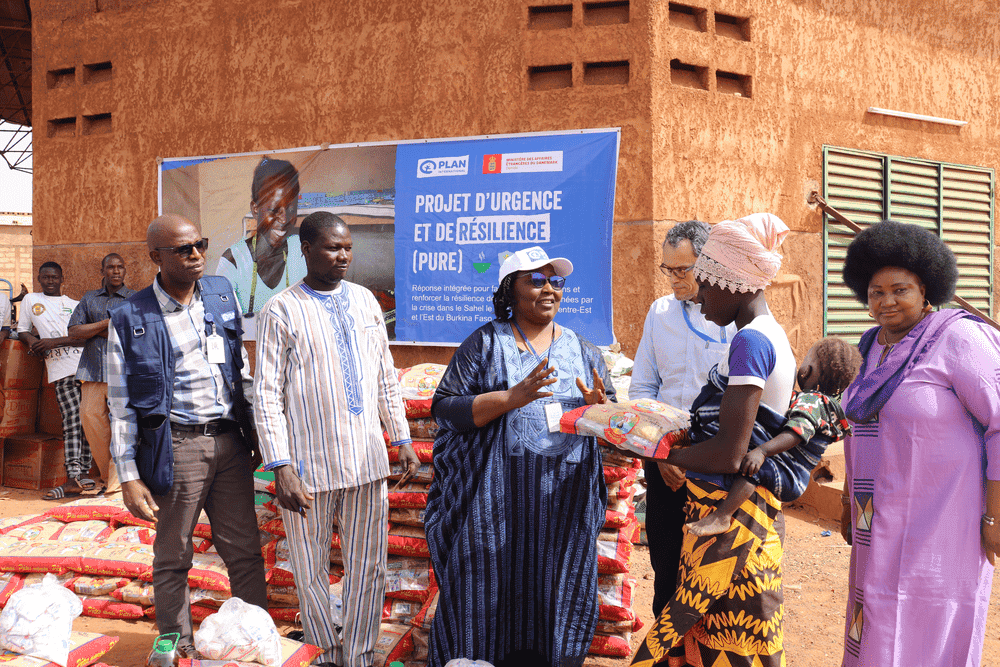
Through a Plan project, 200 households, including displaced families, in the center-north region of Burkina Faso received emergency food items including rice, pasta, tomato paste, oil and salt. Ā© Plan International
Girls facing hunger are also more likely to be out of school, either because their parents canāt afford to pay for school fees or because they become responsible for finding food for their siblings. And when girls are out of school, theyāre at risk of premature marriage and pregnancy.Ā Ā
By gifting a Food Kit for a Family, youāll help provide immediate relief for children struggling to eat enough food and reduce the burden on girls to search for food.
Child marriage
Child marriage primarily impacts girls, tearing them away from school and ending their childhood prematurely. Nearly 634 million young women today were married before the age of 18. In sub-Saharan Africa, where child marriage is the most prevalent, almost one in three girls under 18 are married before adulthood.Ā Ā
Often thought of as a way out of poverty, child marriage actually keeps girls trapped in the cycle. Since many girls drop out of school either because of or prior to marriage, they canāt get jobs to support themselves and must rely on their husbands for survival, a power imbalance that often leads to abuse and violence.Ā Ā
Child marriage also leads to early pregnancy in girls. But because their bodies are not fully developed, the risks of disease, injury and death during and after pregnancy skyrocket. Pregnancy-related conditions are the second leading cause of death in girls ages 15-19, only eclipsed by tuberculosis.
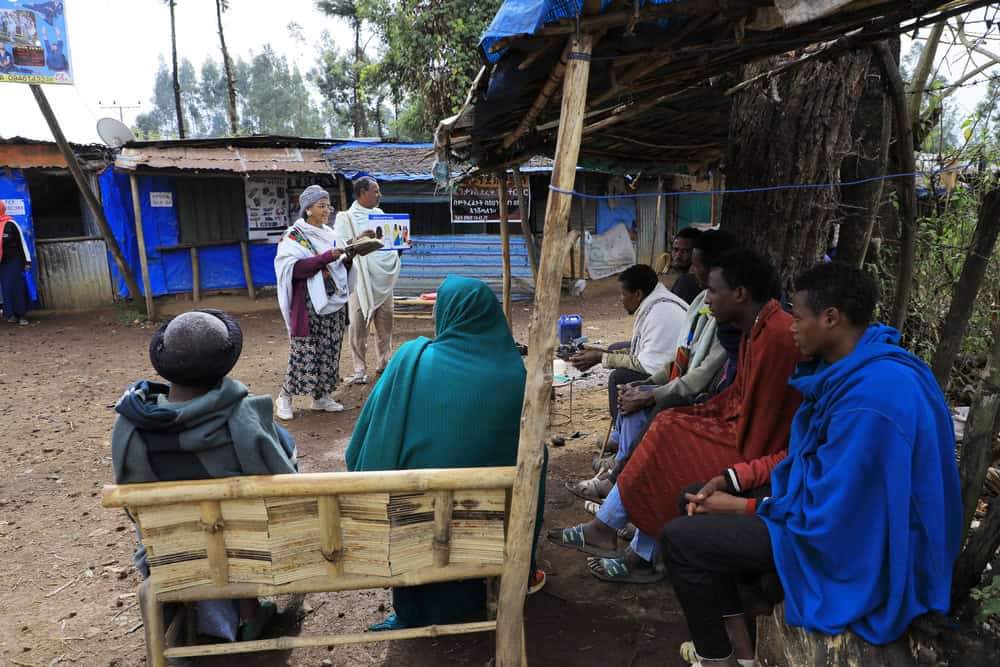
In Ethiopia, a Plan project is working with girls in two regions to help them access sexual and reproductive health services and make their own decisions about when and who to marry. The project also works with boys and men to become partners of change. Ā© Plan International
Without knowledge about the risks of child marriage, girls and young women donāt know how to identify abuse and protect themselves ā or even resist a marriage. Parents are also often in the dark about the negative effects on their daughters, so creating spaces for intergenerational dialogue in communities is a vital step in ending the practice entirely.Ā
Gift Child Marriage Prevention Training for Boys to help end the practice and protect girls.
- Blog
As you are reading this, around 300 million women and girlsĀ are on their periods. Maybe youāre one of them; maybe you know one of them.Ā Ā
Or, maybe periods are a foreign concept to you and they kind of gross you out. Plenty of people donāt talk about periods openly because of the āick-factorā associated with menstruation. But what if this reluctance to talk about it prevents girls from caring for their menstrual health?Ā
Well, it kind of does.Ā
Nearly a fourth of the worldās girls and women (thatās 500 million people) face some kind of barrier to managing their periods, like lack of access to period products and clean bathrooms. Some of the girls on their periods right now are missing school because, on top of these challenges, they also get harassed and shamed by classmates who perpetuate period stigma.Ā
[Read more: Why we say āmenstrual healthā instead of āmenstrual hygieneā]
But something is changing; more and more, girls around the world are speaking up about their experiences, to end the stigma and achieve global period equity. Plan International met with some of these girls and their mothers and grandmothers, who didnāt have the chance to use their voice, until now.Ā Ā
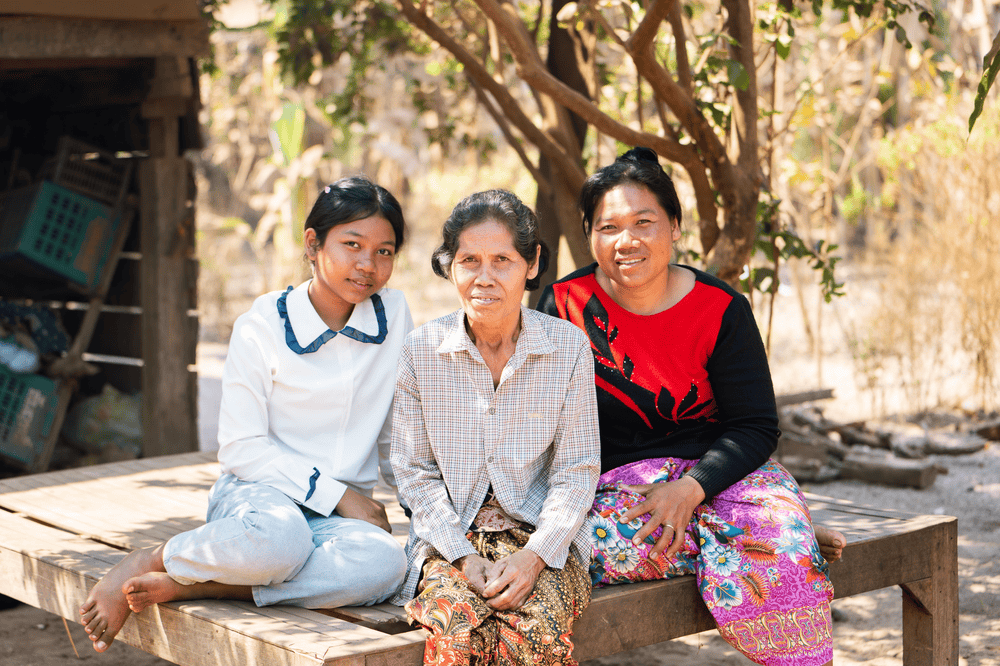
Seila, Sokna and Bui Non in Cambodia
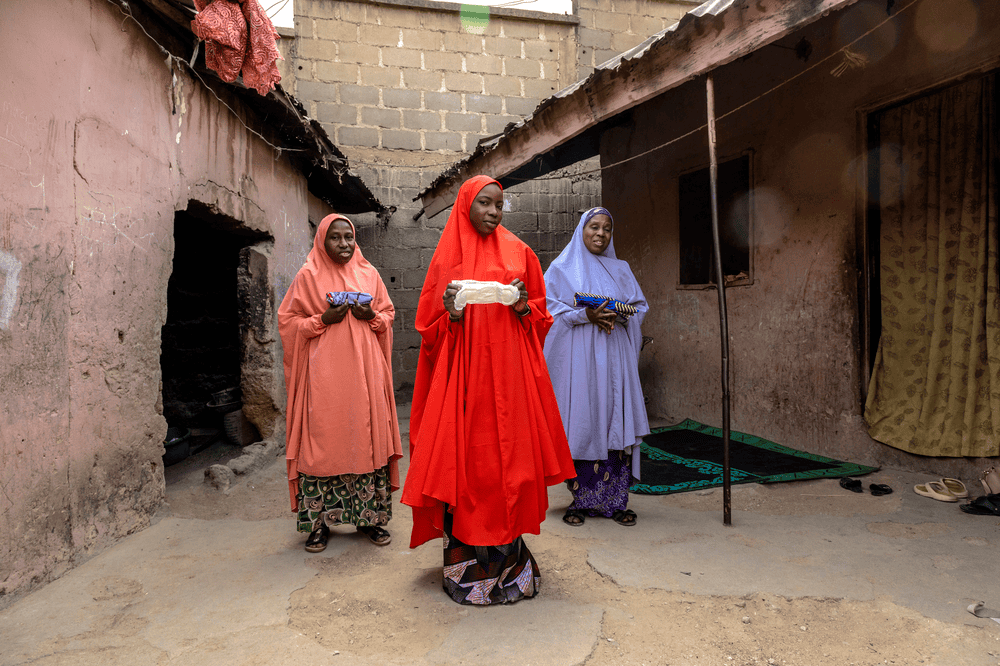
Rahamatu, Sakina and Rahamatu in Nigeria
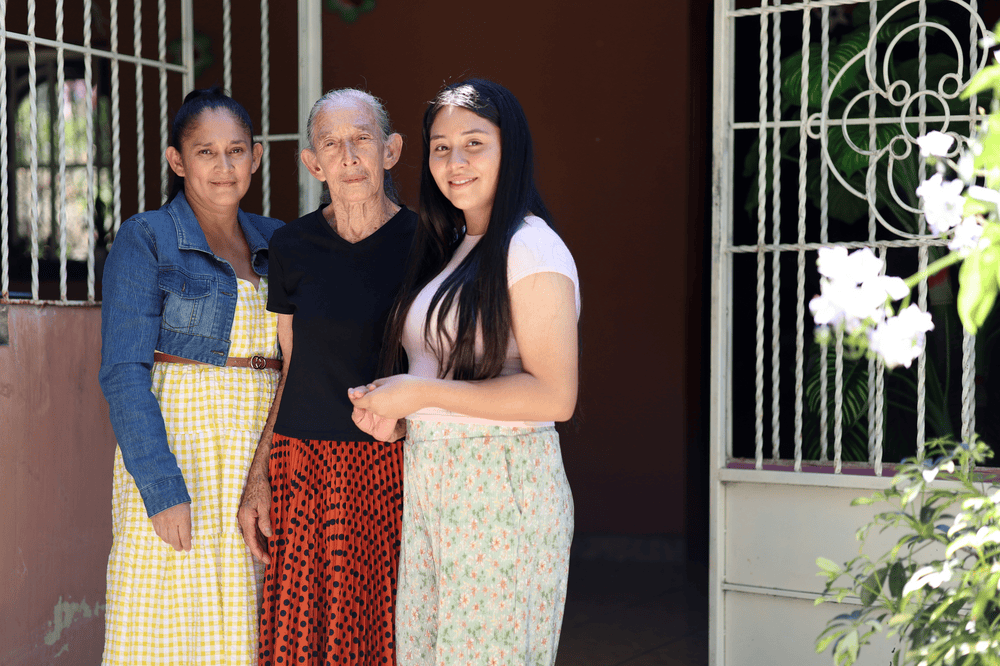
Hazel, Ana and Paz in El Salvador
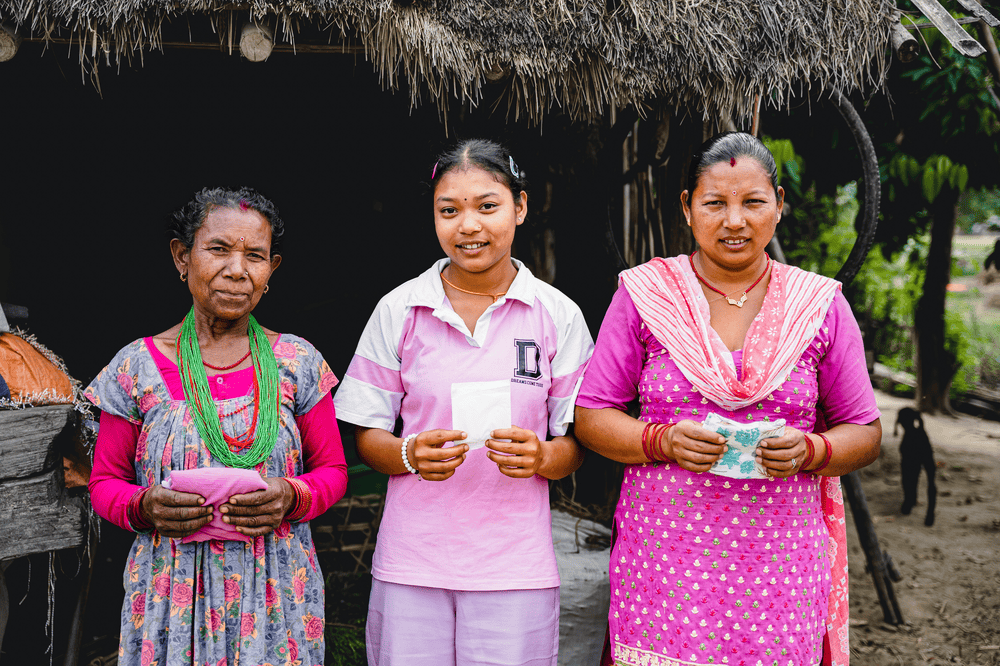
Pushpa, Rita and Tilki in Nepal
- Blog
This post is part of Plan’s blog series, āPeriods through the ages,ā highlighting girls and the women in their families as they share period stories and break stigma in their communities.
Ā In central Togo, 16-year-old Denise has had many conversations with her mother and grandmother about their period stories. For Deniseās grandmother, Inna, getting her period wasnāt something she could talk about openly.
āOn the first day of our period, we had to hide and call our mother or one of our sisters to help in secret,ā Inna says. āIt was forbidden to enter the house. The family had to find a room on the roadside where the menstruating girl had to spend her entire period.ā

Denise (left) with her mother Esther (right) and grandmother Inna (center). Ā© Plan International | Izla Bethdavid
According to Inna, when a girl finished her period and returned from isolation, she would cover herself and her friends with white talcum powder to re-enter the village. Girls also had special clothes and beaded jewelry that they would wear to celebrate the end of their periods.

In the past, girls would wear cloth hung on beads around their waist during their periods. Ā© Plan International | Izla Bethdavid
āMen and boys, even if they were your brothers, were not supposed to see menstruation cloths,ā Inna says. āIt was forbidden, and we carefully hid them. Really, it was a great burden. I pray that [my granddaughterās] generation will no longer experience the suffering of our time.ā
With the support of a Plan project in her community, Denise learned more about menstrual health and how to dispel myths about it. Now, sheās advocating for access to cheaper products so girls can manage their periods with confidence.

Inna and Denise both struggled to manage their periods in unique ways growing up, but Denise is determined to change things for future generations of girls. Ā© Plan International | Izla Bethdavid
āI understand that my motherās generation also suffered a lot,ā Denise says. āTo my fellow girls all over the world, including those living in remote communities, I encourage you to stop being ashamed about menstruation. Itās a matter of rights!ā
- Blog
This post is part of Plan’s blog series, āPeriods through the ages,ā highlighting girls and the women in their families as they share period stories and break stigma in their communities.
Ā Grandmother Tilki in Nepal has seen firsthand the change in attitudes and practices surrounding menstruation.
āWhen I first started menstruating, the situation was different from what it is now,ā she says. āI felt scared and embarrassed about telling my parents that I had started my period. These feelings of fear and shame kept me from discussing menstruation and understanding what should be done during that time. These days, managing menstruation is much easier. Access to nutritious food, sanitary pads and affordable clothing has improved significantly.ā

Tilki (left) with her daughter Rita (right) and granddaughter Pushpa (center) show what they use for their periods. Ā© Plan International | Bita Creatives
Her daughter Rita also had difficulty managing her period growing up, sharing how they made their own pads at home.
āIn the beginning, it was very challenging,ā Rita says. āConcealing menstruation was nearly impossible, and we relied on makeshift pads made from old clothes. Cleaning these pads often left stains, adding to the difficulty of managing our periods.ā

Pushpa, Rita and Tilki walk across a crop field at their farm. Ā© Plan International | Bita Creatives
When Ritaās daughter Pushpa first got her period, she was at her uncleās house. She was scared at first because she didnāt know how to tell anyone what was happening.
āInitially silent and anxious, eventually [I opened up] to my sister, who told my aunt,ā Pushpa says. āNow, I’m knowledgeable about menstruation, as are my mother and sisters.ā
In partnership with a local organization, Plan International recently constructed a restroom at Pushpaās school, providing the students with clean facilities and free period products. Additionally, we helped establish a new health office at the school where girls can get assistance for cramps and receive free iron tablets.

Pushpa credits Planās project with helping her gain confidence in speaking up about her menstrual health. Ā© Plan International | Bita Creatives
āNowadays, things have changed,ā Pushpa says. āI can openly acknowledge when I’m on my period and address any issues I may encounter using the toilet when I am menstruating,ā Pushpa says.
- Blog
This post is part of Plan’s blog series, āPeriods through the ages,ā highlighting girls and the women in their families as they share period stories and break stigma in their communities.
Ā In El Salvador, 18-year-old Hazel is participating in another Plan project called The Power of Red Butterflies, which works to break taboos and stigma surrounding menstruation. In a conversation with her family, Hazelās grandmother, Paz, recounts what she learned from her own mother about menstruation.Ā
āWell, my mother, she advised me, she told me, āNo daughter, when you are like this, you have to take care of yourself so that you donāt suffer afterwards.ā,ā Paz says. āI couldnāt go to the river because the water would enter through the pores in my skin and that was bad.ā

Hazel (right) stands in front her familyās home with her mother Ana (left) and grandmother Paz (center). Ā© Plan International | Esteban Martinez
Hazelās mother, Ana, also had negative experiences with period education growing up, and says that there is still progress to be made for other girls who arenāt in projects like The Power of Red Butterflies.Ā
āMothers didnāt talk about it, because they themselves did not receive this important information,ā Ana says. āSometimes you listen to what little you heard at school and thatās all. Here in this community, there are girls who donāt have enough courage to go to buy pads. Why? Because their mothers donāt talk to them about it, so theyāre afraid to buy pads. Theyāre ashamed.ā

Hazel shows her grandmother how to use a pad. Ā© Plan International | Esteban Martinez
After joining Planās project, Hazel says she feels more confident in talking about menstruation with others. Sheās even discussed the topic with her grandfather.Ā
āI was talking to my grandfather about menstruation, which is something that could not be talked about in the past,ā Hazel says. āIt was a taboo in society, this subject could not be mentioned. The Power of Red Butterflies project was something that had an impact on my life as a girl. I was taught about my body, and they started to explain to me about my first period, about my menstrual cycle, what methods I can use and how to be prepared for that moment.ā

Hazel shows the menstrual health kit received from joining Planās project, which includes items like pads and toilet paper. Ā© Plan International | Esteban Martinez
- Blog
This post is part of Plan’s blog series, āPeriods through the ages,ā highlighting girls and the women in their families as they share period stories and break stigma in their communities.
Ā The reluctance to talk about menstruation with boys and men affects girls and women around the world. In Nigeria, Grandmother Rahamatu says that parents wouldnāt even talk to each other about their daughter getting her period:Ā
āIn the past, mothers were often afraid to tell fathers when their daughters were menstruating because some fathers wouldnāt understand and might even blame the girls for doing something wrong ā like we are following men and boys.ā

Teenage Rahamatu (right) sits with her mother Sakina (center) and grandmother Rahamatu (left). Ā© Plan International | Andrew Esiebo
āSome husbands might even avoid their wives when theyāre menstruating,ā she says. āSome do not eat their wivesā food, but nowadays, husbands are more understanding. Thereās still room for more awareness and acceptance, especially for the younger generation.ā
Her 19-year-old granddaughter, also Rahamatu, says sheās much more confident talking about menstruation since she became a peer educator for a menstrual health management project run by Plan International.

Teenage Rahamatu, along with her mother and grandmother, share examples of pads they use for their periods. ©Plan International | Andrew Esiebo
āMy friends are excited too,ā Rahamatu says. āEven their parents have thanked me for what Iāve done. When we got sanitary pads, everyone was happy. Having these conversations, especially with my mum, has greatly influenced my comfort level in discussing menstruation. Itās made me realize the importance of open communication and education about this topic.āĀ
- Blog
This post is part of Plan’s blog series, āPeriods through the ages,ā highlighting girls and the women in their families as they share period stories and break stigma in their communities.
Ā āMy grandmother was the first person I talked to about my period,ā 13-year-old Seila says. āShe was very supportive and helped me understand what to do. She recommended using a good brand of sanitary pad that was comfortable and affordable.āĀ

Seila (left) sits with her grandmother Bui Non (center) and mother Sokna (right). Ā© Plan International | Bunchhai Chhun
Bui Non, Seilaās grandmother, tells us of a very different reality when she was younger.Ā
āIn my generation, we didnāt have sanitary pads,ā Bui Non, says. āI cut fabric from a sarong into pieces. I washed them to reuse for only a week. After a week, I buried or burnt those fabrics ā unlike now, where you can easily buy and use sanitary pads.ā
Bui Non told Plan that even when her daughter Sokna, Seilaās mother, had her period as a young girl, they still didnāt have the types of products that are available now.
āWhen my daughter had her period, I kept telling her to clean herself and use the fabric as a pad,ā Bui Non says. āIf she felt sick, I would help do skin coining once per period. For this, we rub balm into the chest, back and shoulders until red is seen. This could relieve the pain.āĀ

Sokna and Bui Non stand together for a photo. Ā© Plan International | Bunchhai Chhun
Despite Seilaās confidence and access to period products, one area still needs work: talking about periods with boys and men.

Seila picks green beans from her familyās farm. Ā© Plan International | Bunchhai Chhun