Search Results

Search results for

0 result(s) found

The future of USAID remains uncertain as policymakers, advocates and former officials propose major reforms to how the U.S. delivers foreign assistance. In a recent article by Devex, ideas range from separating development from humanitarian aid to relocating USAID and overhauling its leadership structure. Among the voices featured is Justin Fugle, director of policy at Plan International USA, who emphasizes the need to retain USAID’s institutional knowledge and global leadership role as conversations about restructuring continue.

Fugle notes that while reform can be constructive, it must not come at the cost of U.S. credibility or its ability to deliver results in communities around the world. The article captures a pivotal moment in global development as the aid sector responds to the Trump administration’s efforts to dismantle USAID and considers how to rebuild a more effective and responsive foreign assistance model.

Click here to read the full article: What the sector would like to see to replace USAID

Devex: What the sector would like to see to replace USAID

As we continue to celebrate International Women’s Day, we are inspired by powerful women, like Ruth, who overcome all odds to follow their dreams and rise above their difficult circumstances.

Ruth could have easily given up.

She and her family were forced to flee their home in South Sudan and settle with 15,000 other refugees in a camp in Uganda.Sharing camp with so many fellow refugees is difficult. Tensions arise among host communities and competition over limited resources can make daily life a struggle.

If fleeing home and living in tough conditions wasn’t enough, Ruth was forced to drop out of school because her family could no longer afford the fees.

ā€œAfter I left school … life became very hard,ā€ Ruth says.


A girl with dark skin and braids sits in front of a door. She wears a white shirt and is smiling.

Ruth was determined to make a better future for herself.


When you support girls like Ruth, you transform lives … for good.

Your gift can be the help a girl needs to break through the barriers and achieve her dreams.

And, if anyone knows the perils of barriers, it’s Ruth. Yet, despite her dire circumstances, she did not give up — she dug deep and persevered.

Achieving her dreams

Thanks to the support of friends like you, Ruth joined one of Plan’s business training programs where she learned critical business skills, including record keeping, branding market assessment and business planning.

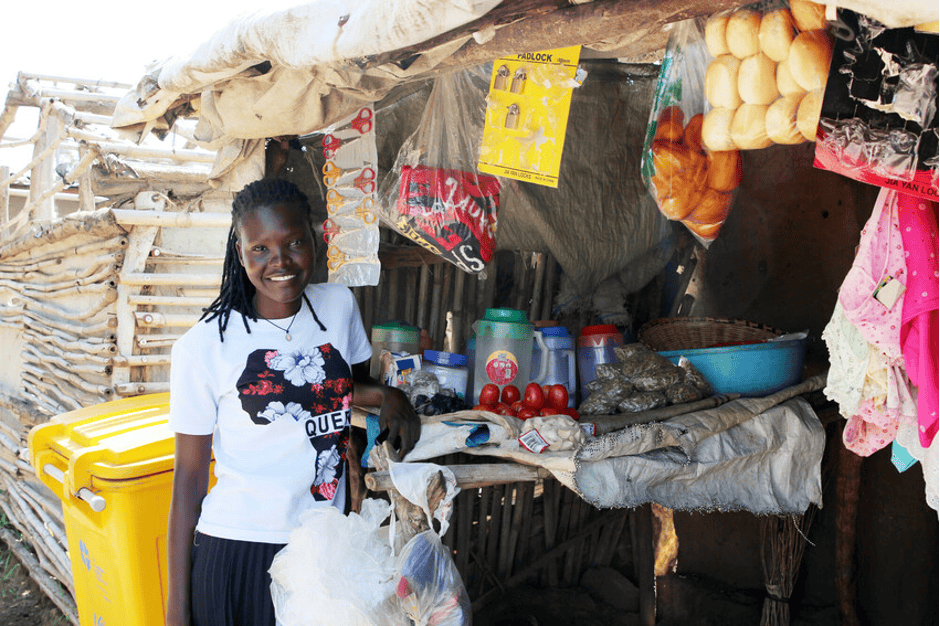
An empowered Ruth is now a proud business owner of a thriving corner store where she sells a variety of everyday essentials, including charcoal, dried fish, tomatoes, scissors, padlocks and dresses.

Ruth was determined to create her own future in which she could help her family — and thanks to the generous gifts of friends like you, she succeeded!

Business was going so well that Ruth took out a loan to expand.

ā€œI thought to myself: I am capable; I am strong,ā€ she says.


Ruth stands in front of her small storefront. There are bags hanging from the roof with fruit, fabric and clothes, and a table she is leaning on with other goods for sale.

Ruth is now the proud owner of her own successful small business.


Ruth has since repaid the loan and is ā€œhappy and excitedā€ is now able to support her parents, buy food to feed her family and pay the school fees for her younger siblings.

ā€œI am now living happily,ā€ Ruth says. ā€œI’m shining and proud.ā€

Ruth’s journey from being on the run to running a store is a testament to the power of perseverance and the impact of community support. There are other girls like Ruth who have the potential to shine brightly with a little help from someone who cares.

Please consider a gift today to help more girls achieve the future of their dreams. Ā 

Ā 
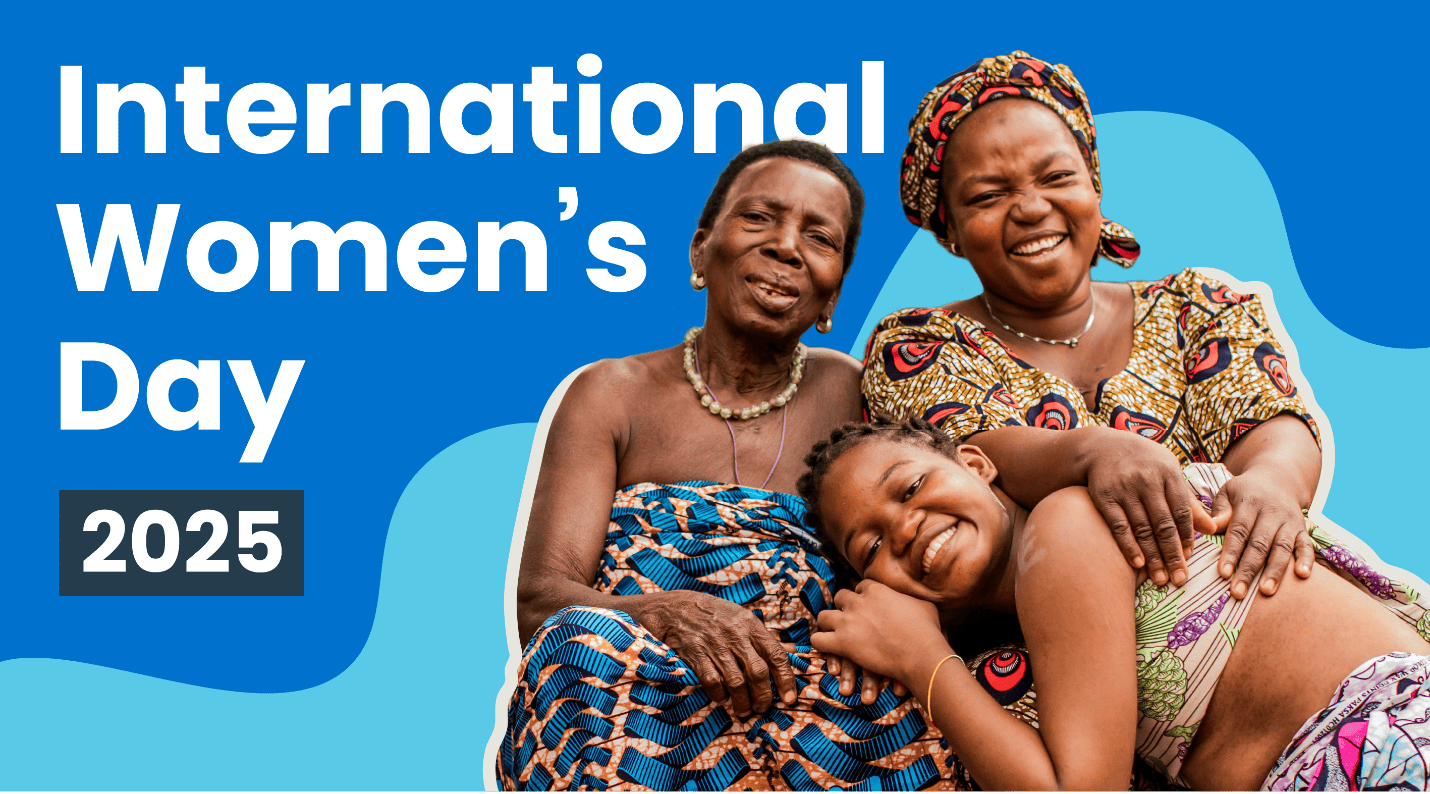
Three women lean on each other wearing brightly colored clothes. Text to the right of them reads
Three women lean on each other wearing brightly colored clothes. Text to the right of them reads “International Women’s Day 2025”

Honor women all year long with your support of Plan

As a supporter and advocate for girls all over the world, you can honor women in many ways! In addition to giving a gift from your heart today, you can also:

  • THANK a woman in your life who has inspired you by mailing a handwritten note, grabbing a meal together, hosting a video call or sending a text.
  • EXPLORE our International Women’s Day webpage at planusa.org/IWD2025 and learn about even more ways you can get involved.
  • SMILE, knowing you are making a difference by supporting girls and helping them reach their wildest dreams!

Thank you for your support.


Image of Ruth

As the United States scales back foreign aid and enacts more restrictive migration policies, thousands of people seeking safety and opportunity are now stranded in Mexico in what humanitarian organizations describe as a preventable crisis. In a recent feature by The New Humanitarian, experts warn that political decisions under the Trump administration have led to worsening conditions and a sharp decline in services for those on the move.

Michelle Van Akin, associate director for humanitarian programs at Plan International USA, is among those raising concern. She explains that organizations like Plan have been forced to scale back operations, leaving critical needs unmet. ā€œThe needs are staggering,ā€ she says, pointing to urgent gaps in food, protection, and shelter. The article sheds light on the human impact of abrupt funding cuts and policy rollbacks, and how they strain already overburdened humanitarian systems.


Click here to read the full article: Stranded: The Trump-induced migration crisis in Mexico


The New Humanitarian: Stranded: The Trump-induced migration crisis in Mexico

Apriana is a 12-year-old sponsored child with a passion for science.

Growing up in a remote community in Indonesia, she imagines exploring the wonders of the natural world and making groundbreaking discoveries. But there’s one major barrier blocking her path: access to clean water.

The lack of reliable access to clean water has far-reaching consequences, affecting people’s health and keeping children from attending school regularly. For girls like Apriana, it means countless hours collecting water — time that could be spent in the classroom.

Access to clean water isn’t just a convenience — it’s a basic human right that millions of people around the world still struggle to obtain. To address these critical barriers to children’s health and education, Plan distributed large water tanks to households, including Apriana’s.

Without long walks to collect water every day, Apriana can focus more on her studies, especially her favorite subject, science.

Apriana is one of more than a million sponsored children whose communities are being transformed through long-term sustainable development.


Apriana smiles as she collects water from her family's new water tank.

Apriana, 12, no longer walks long distances to collect water — instead, she can focus on her education. | Ā©Plan International


“Thank you so much to Plan International for always supporting us,” Apriana says. “My family and I were so happy to receive this water tank because it’s really helping us to collect clean water.”

When basic needs are met, possibilities flow freely. As we celebrate World Water Day (March 22), your water Gift of Hope can help transform the lives of 450 million children in need of clean water. By providing wells in their communities, water for school gardens and safe water access in girls’ bathrooms, you can help to ensure that every child has time to learn and grow.


Turning the tide feature image

Too often, communications is an afterthought in development programs — reducing impact, visibility and funding potential. Here’s why it needs to be part of the plan from the start.

This article was written byĀ Vannette Tolbert, Senior Manager, Communications at Plan International USA. For more information on Plan’s work, please reach out to Vannette atĀ [email protected].

IfĀ you work in development communications, you’ve likely experienced this: A program team or proposal lead rushes in as a project is ending with an urgent request:Ā 

  • ā€œCan weĀ  post something about this on LinkedIn?ā€Ā 
  • ā€œCan we get this published in local news?ā€Ā 
  • ā€œCan you format this report and make it look polished for donors?ā€Ā 

By then, it’s too late. The program is ending, impact stories weren’t collected, the media strategy wasn’t planned and no budget remains for content creation or dissemination.Ā 

The irony? Communications teams are there from day one — we’re just not looped in early enough.Ā 

AsĀ Paolo Mefalopulos, a development communication expert and former World Bank specialist, explains:Ā 

ā€œCommunication succeeds when it is an integral part, from the very beginning, of a development programme, playing a full role during the identification of the problems and priorities, as well as during the detailed planning, implementation, and evaluation.ā€Ā Ā 

The quote, fromĀ Communicating for Development: Human Change for SurvivalĀ by Colin Fraser and Sonia Restrepo-Estrada (Tauris, 1998), reinforces a critical point: communications must be integrated from the start to effectively capture and showcase impact. Without a strategy in place, programs miss opportunities to document real change.Ā 

This is especially true for before-and-after storytelling, one of the most compelling ways to illustrate impact. When we track progress over time — showing where a person, community or initiative started, how the program helped and what changed — we createĀ powerful narratives that resonate with funders and stakeholders. Without early documentation, these stories are lost, along with the ability to inspire action and investment.Ā 

But too often, this opportunity slips away because communications is brought in too late. This reactive approach doesn’t just make our jobs harder — it costs funding, credibility and influence.Ā 

The problem: Why communications gets left behind

Too often, communications is seen as a ā€œnice-to-haveā€ rather than a core part of impact and sustainability. The focus is on execution, but without visibility, even the best programs struggle to gain recognition — and future funding.Ā 

The result?Ā 

  • Last-minute scrambling for media coverage, often with poor results.Ā 
  • Storytelling that feels inauthentic — more about checking donor reporting boxes than showcasing real impact.Ā 
  • Missed funding and partnership opportunities because success stories weren’t shared effectively.Ā 

When communications isn’t built in from the start, organizations lose the chance to engage stakeholders, funders and communities in real time — weakening long-term impact and funding.Ā 

Lessons from the field: The cost of leaving comms out

When I worked in the humanitarian sector in Liberia, I made a point of tagging along with program staff, executives and even drivers whenever I could. I wanted to see the fieldwork firsthand and capture the full story — not just isolated snapshots.Ā 

I saw women launch businesses, children thrive with school meals and entire communities transform.Ā 

But too often, these powerful stories weren’t documented until donors asked for them. By then, it was too late to capture the most meaningful moments.Ā 

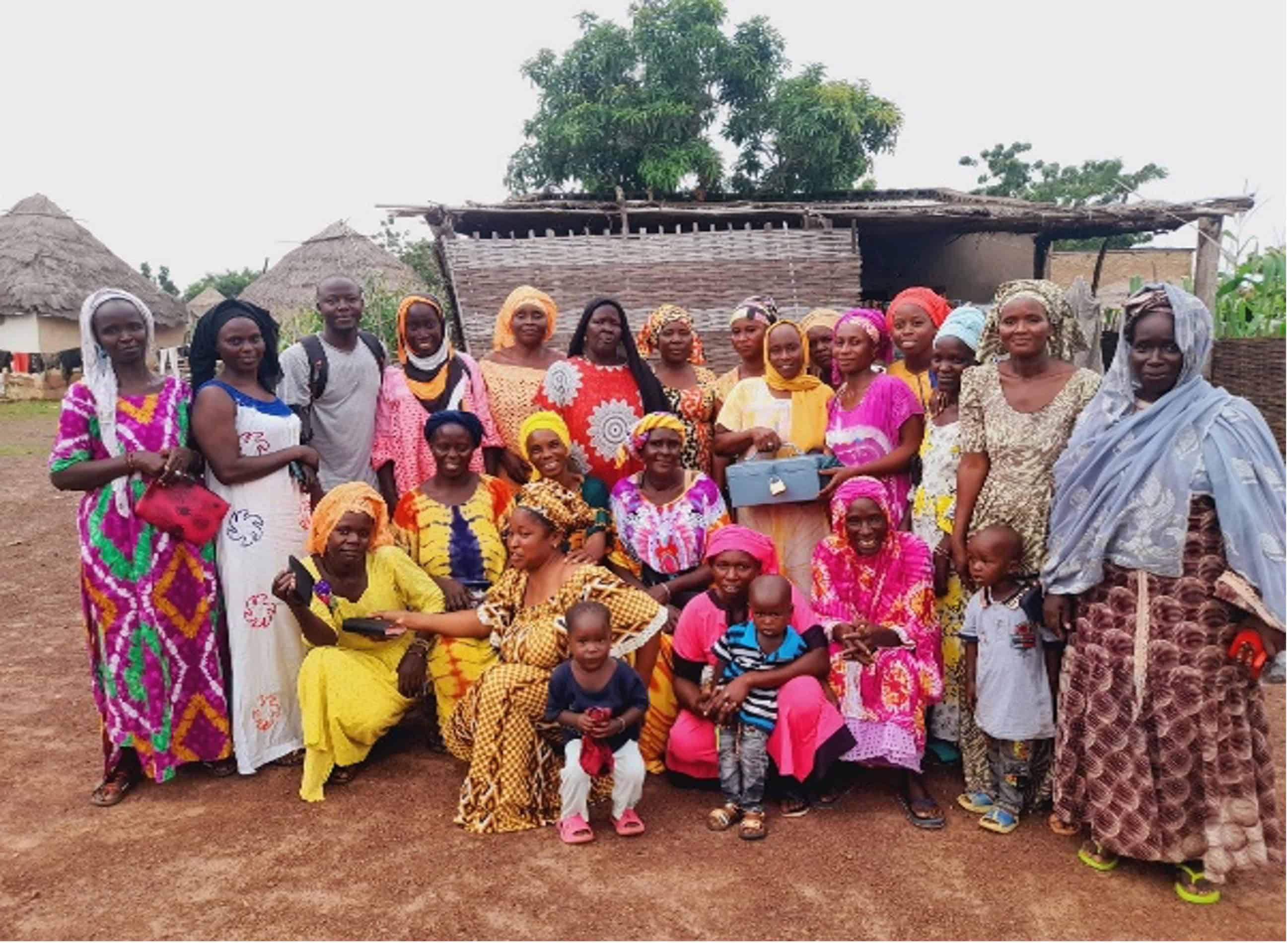
One example stands out: A women’s savings group in a rural village grew from eight to nearly 100 members, helping women start businesses and send their children to school. But because no one had collected photos, interviews or qualitative data over time, we had no way to showcase the program’s impact when donors requested an update.Ā 

After COVID-19 hit, we faced a funding crisis. I pushed to be involved earlier in program planning and proposal writing. That way, we weren’t scrambling for stories at the end — we had a strategy from the start. Not only did it work, but donors were thrilled to have so much visibility across multiple channels. Once the creative momentum built, they even suggested additional outlets within their networks, helping us amplify the reach even furtherĀ 

That’s why communications should be part of program design from the beginning.

The missed opportunity: Storytelling as a driver of impact and investment

Storytelling isn’t just about visibility — it’s about impact. It connects programs with the people who can support and sustain them. And it doesn’t have to be expensive. A thoughtful, low-cost strategy can make all the difference.Ā 

Research backs it up:Ā 

The takeaway? Stories don’t just inform — they inspire action.Ā 

The fix: A smarter approach to communications strategy

To make the most of communications, we need toĀ integrate it into program designĀ from the start. Here’s how:Ā 

1. Embed communications in the budget and proposals:Ā 

  • Communications isn’t just ā€œmarketingā€ — it’s part of program impact.Ā 
  • Donors want to see results, and visibility helps attract more funding.Ā 
  • Ā Include line items for content creation, media engagement and dissemination in proposals.Ā 

Example:Ā Instead of scrambling at the end of a project to compile a polished impact report, imagine if a small portion of the budget had been allocated from the start for storytelling. That means dedicated time for gathering stories, taking photos and sharing updates throughout implementation — not just when the final report is due.Ā 

2. Plan content and media strategy early:Ā 

  • Authentic storytelling takes time. Last minute efforts fall flat.Ā 
  • Plan media outreach alongside program milestones to capture impact as it happens.Ā 
  • Use a mix of formats — video, photography, social media and traditional media — to ensure reach.Ā 

Example:Ā  Imagine you’re running a youth employment program. If storytelling is built in from the start, you can follow a few participants over time — documenting their challenges, wins and progress. By the time you report to donors or pitch to media, you have a full, before-and-after story that paints a vivid picture of real impact — not just scattered data points.Ā 

3. Use professional creatives:Ā 

  • Development organizations already have skilled content creators — engage them from the start.Ā 
  • Maintain consistency in storytelling across channels and materials.Ā 
  • Invest in high-quality visuals and writing that reflect the program’s impact.Ā 

Example:Ā Think about the last time you saw a rushed slideshow with hazy photos and dense text. Now picture a short, well-shot video of a farmer explaining how a climate resilience program changed their livelihood. Which one sticks with you?Ā 

4. Think both local and globalĀ 

  • Strong storytelling builds local trust and global investment.Ā 
  • Ā Center local voices — not just donor-driven narratives.Ā 
  • Ā Partner with community-based media to expand reach and engagement.Ā 

Example:Ā A maternal health program might share real-life birth stories on community radio, making the project feel real and relevant locally. At the same time, digital stories featuring midwives and mothers can be packaged for international donors and policymakers — ensuring visibility at multiple levels.Ā 

Bottom line: Make communications an asset, not an afterthought

We can’t just talk about programs — we need to design them with communications in mind.Ā 

Investing in storytelling and media strategy amplifies impact, attracts funding and builds long-term success.Ā 

It’s time to rethink how we integrate communications into development — starting now.Ā 

How is your organization approaching communications in development programs? Let’s continue the conversation.Ā 

Stay updated on Plan International’s technical work byĀ signing up for ā€œFrom Plan to Action,ā€ our quarterly newsletter.Ā 

ukrainian-refugee-girl-moldova-plan-international image

Meet Ana Victoria, a young leader proving that when girls are empowered, they transform their futures and their communities.

What does leadership look like for girls in Guatemala? Many face obstacles like early marriage, limited education and gender discrimination, making leadership seem out of reach. But young women like 19-year-old Ana Victoria are proving that, when given the chance, girls can lead change in their communities.

Watch Ana Victoria’s story here.


Ana Victoria grew up in rural Guatemala, where girls’ voices often go unheard. Many struggle to stay in school, are pressured into early marriage and have little opportunity to participate in decision-making.Ā 

For years, Ana Victoria felt she had to stay silent.

“I was always afraid of being in public,ā€ she says. ā€œI couldn’t speak in front of others.”

That changed when she joined Plan International’s leadership school, where girls build confidence, learn advocacy skills and challenge gender discrimination together.Ā 

“When people started listening, I realized I had a talent for public speaking,ā€ Ana Victoria shares. ā€œLeadership empowered me.” Ā 

Today, Ana Victoria fights for girls’ rights across Guatemala. She and other young women in the program are speaking out against gender-based violence, advocating for policies that protect girls and proving that young people have the power to lead.

How leadership schools are making a difference

Ana Victoria’s story is just one example of how leadership schools are helping girls step into their power. Across Guatemala, young women who once felt unheard are now standing up for their rights, challenging gender norms and shaping the future.

These schools are not just about education — they are about giving girls the space and support to lead.

1. Developing leadership and advocacy skills.
2. Helping girls build confidence to speak out.
3. Challenging expectations and showing what young women can achieve.

How you can help

These programs thrive because people like you believe in the power of girls. Through our Gifts of Hope catalog, you can help young women gain the education and leadership skills they need to change their futures.

Give a girl the tools to lead her own future:

 — Scholarships for girls: Help young women stay in school and develop leadership skills.
— School essentials: Provide books and supplies so girls can focus on learning.
— Menstrual health kits: Help ensure periods don’t stop girls from going to school.

Your support can help more emerging leaders to raise their voices and step into their power. Explore the Gifts of Hope catalog today.

guatemala-leadership-school-ana-victoria image

Shanna Marzilli was in her office in Providence’s Foundry building when she received worrisome news — the federal government was pausing USAID programs immediately. As president of Plan International USA, a global humanitarian group headquartered in Rhode Island, she knew the impact would be massive. As reported by the Providence Journal, Plan, a $1 billion nonprofit operating in over 50 countries, now faces urgent funding challenges that threaten critical programs supporting vulnerable communities worldwide.

Click here to read the full article: RI-based nonprofit keeps fighting amid USAID cuts.

Providence Journal: RI-based nonprofit keeps fighting amid USAID cuts

The Congress budget bill has been passed, but uncertainty over foreign aid remains. Lawmakers approved a continuing resolution that keeps USAID funding at 2024 levels until September, but discussions are already underway about a potential rescission package that could cut billions in global aid. Plan International USA’s Justin Fugle, Director of Policy, noted that Congress has yet to assert its role in shaping the future of development assistance, despite the administration’s ongoing foreign aid review and the dismantling of USAID programs.

If Congress does not intervene, unspent funds could be reallocated or left to expire, effectively enacting a de facto rescission. Meanwhile, agencies must now submit detailed spending reports, which may reveal the administration’s next steps for USAID funding. While Congress has historically rejected deep foreign aid cuts, shifting political dynamics make the future unpredictable. Experts argue that a continuing resolution is not an adequate substitute for a dedicated budget, leaving critical humanitarian programs in limbo.

Click here to read the full article: US Congress passes budget bill, but questions remain on foreign aid


Devex: US Congress passes budget bill, but questions remain on foreign aid