Search Results

Search results for

0 result(s) found

PRESS RELEASE


WASHINGTON, D.C. March 5, 2024 — Plan International USA is investing in the women of tomorrow by supporting the girls of today on International Women’s Day. To celebrate the UN’s International Women’s Day theme of #InvestinWomen, Plan is equipping girls with the skills they need through partnering, funding and elevating their voices.

Adolescence is a critical time of opportunity for girls, often shaping the adults they will later become. A study by Plan and the Citi Foundation found that achieving 100% upper secondary school graduation rates, known as high school in the U.S., for girls could lift national GDPs an average of 10% in many countries. However, our experience also tells us that education by itself isn’t enough. Gender stereotypes and lack of job training limit what girls think they can be and thus their economic potential. By providing girls with the skills they need to successfully enter the workforce, they become agents of change toward securing more prosperous and just economies.

ā€œGender inequality and stereotypes tell girls that certain industries are off limits,ā€ Laura Willis, sr. director of corporate and foundation partnership, said. ā€œAnd that limits her potential. We are celebrating investing in girls today because we know they hold the power for economic growth for themselves, their families and their communities.ā€

Year-round, Plan’s skill and work programs equip girls for the careers they choose rather than the life path that society dictates, striving for a world where every girl’s potential is realized. In 2022, Plan improved skills and work opportunities for more than 1,200,000 girls and young women globally. A key way we achieve this is through partnerships that support economic justice and rights for young people, such as our partnerships with Google.org, J.P Morgan, The Children’s Place the and the Western Union Foundation.

Other ways we are celebrating International Women’s Day are with brands Marikmekko and UNIQLO. Marikmekko, a design house focused on fashion and home collections, is donating 20% off purchases sitewide and in its Marimekko NY store on March 8. These funds will be used to support Plan’s work with girls and young women around the world.

In partnership with UNIQLO, young people had the opportunity to share about the world they want to live in and are having their voices elevated. This took place through a multi-generational roundtable between members of Plan’s Youth Advisory Board and executives at UNIQLO. The conversation explored the question ā€œwhat is the future working world we want for girls and young women?ā€ and discussed how investing in girls today can help achieve this future.

ā€œYoung people have hopes and dreams and see the world in a different way,ā€ Lily, a youth advisory board member, said. ā€œI am excited to use my voice on behalf of all girls and women, so we have a world with better representation, a world with people succeeding and supporting each other.ā€

This International Women’s Day, Plan is celebrating actions that encourage the girl leaders of today and their dreams for tomorrow so they can challenge traditional barriers and think big about their futures. Join us in investing in the girls of today through donating to Plan and learning more about our skills and work programming.


For more information or interviews, please contact:

Maria Holsopple

Director, Communications & Creative Services

Email: [email protected]

Mobile: 540.383.3628

Ā 

About Plan International USA

Powered by supporters, Plan International USA partners with adolescent girls, young women and children around the world to overcome oppression and gender inequality. We provide the support and resources that are unique to their needs and the needs of their communities, ensuring they achieve their full potential with dignity, opportunity and safety. Founded in 1937, Plan is an independent development and humanitarian organization that is active in more than 80 countries.

For more information, and to learn about our commitment to safeguarding, please visit www.PlanUSA.org.

Plan International logo
World Economic Forum: How countries can save millions by prioritizing young people’s sexual and reproductive health

This story was originally posted on the Department of Labor’s website.


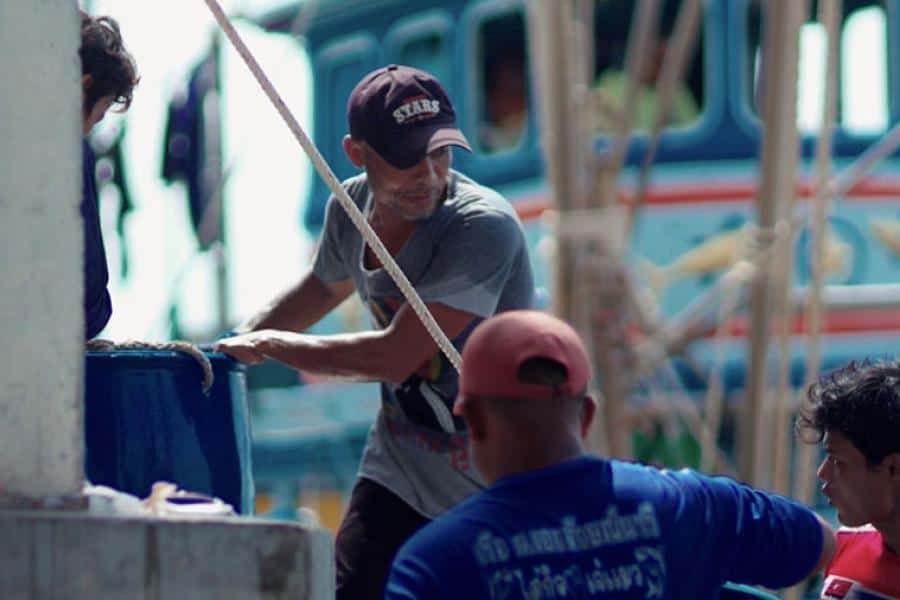
A man in a gray t-shirt pulls on a blue plastic tub. In the background is a blue and red boat.

Workers unloading catch at Mahachai pier in Samut Sakhon, Thailand.


“The good part is that it helps us adjust our thinking about how to work.”

An innovative project is creating a culture of responsible recruitment in the Thai seafood sector and empowering migrant laborers with access to critical information about their rights.

It was around midday when the two large trawlers docked at Mahachai pier in Samut Sakhon, Thailand. The din of the fishermen could be heard from a distance. Vibrations at the dock were an eclectic mix: Burmese and Thai voices shouting instructions, the clanking of large baskets of freshly caught fish tossed across wet makeshift conveyor belts. Baskets were rushed from the vessels down towards a group of migrant laborers waiting to separate the various fish into piles.

“We have to make sure we organize the fish properly,” said Thaet Thaet, a Burmese migrant worker who had been hired that day to offload the boats. “The fish are sorted by species and size, some to be sold at markets, others to go to factories,” he said.

“The job can be tedious, but at least it’s not dangerous,” Thaet said. About 16 years ago, he was a fisherman aboard a trawler. While onboard, Ā he was forced to work brutally long shifts for low pay. His employer verbally and physically threatened the laborers – Ā one time, he recalls, with a handgun.

“We would work for 24 hours a day, and the work was very hard,” notes Thaet. “I was unlucky and got a bad employer. The captain would always berate me every day.”

Thaet Thaet’s experience is far from an isolated case. Migrant workers like him have long faced a range of risks in the fishing trade, including human trafficking, forced labor, and other forms of exploitation.

Research from the International Labor Organization shows that forced labor and human trafficking in the fisheries sector remain a severe global problem. The U.S. Department of Labor and numerous human rights groups haveĀ documented forced labor and widespread abuse in the Thai fishing industry. While significant challenges remain, local labor and anti-trafficking organizations say that reforms, research, and enforcement are helping to alleviate the longstanding crisis.

The FAIR Fish: Fostering Accountability in Recruitment for Fishery WorkersĀ project, funded by The U.S. Department of Labor’s Bureau of International Labor Affairs and implemented by Plan International, is engaging those historically at the root of the trafficking problem.

The project is educating employers, recruiters, and workers about responsible employment and human rights through advocacy, training programs, and a mobile application on workers’ rights. The goal is to create a culture of responsible recruitment in the seafood sector and empower migrant laborers with access to critical information about their rights.

“Workers in the seafood processing industry are migrant workers from neighboring countries, mostly Myanmar and Cambodia, and… [that] makes them more vulnerable to exploitation,” said Sujintana Hemtasilpa, the project director for FAIR Fish. “So, we are helping employers and recruiters… Ā to protect them from forced labor and human trafficking.”


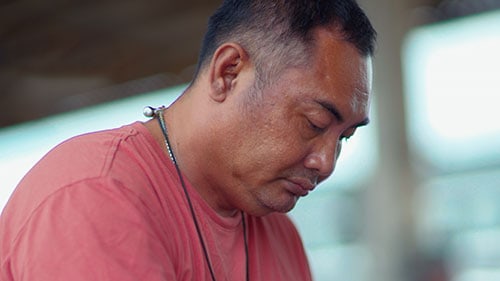
A man wearing a red shirt leans forward while looking down.

Thaet Thaet at work in Mahachai, Thailand.


Sujintana added that because most migrant workers are not well informed about Thai labor laws and regulations, they are more vulnerable to exploitative work than Thai workers. As many migrant workers don’t read or speak Thai, accessing crucial information about their rights can compound this problem.

“Through our community outreach, we hope that this engagement process and our efforts to change the behaviors of stakeholders, particularly among employers … will create a more sustainable impact,” said Sujintana. And their efforts to clean up the recruitment process are making a difference.

FAIR Fish found that the companies and recruitment agencies working with the project had developed a deeper understanding of responsible recruitment after completing the coaching sessions over two years.

“The good part is that it helps us adjust our thinking about how to work,” said Sirikorn Worrapanya, the director of the Central Unity Group Service, one of Thailand’s leading foreign worker employment agencies. “It’s not just about business and profits alone anymore.

” Major seafood industry companies said in five separate interviews that they are taking steps to protect the migrant workers they hire.

“Trainings like this remind you that in order to work together, you must be mindful of human rights, and you must respect the law,” said Thida Songnangrong, a human resource officer at Southeast Asian Packaging and Canning.

Back in Mahachai, Thaet Thaet begins another day at work. He recently started volunteering part-time as an interpreter for the local group, Proud Association, an organization that works closely with FAIR Fish to educate fishers about their rights. Today, his mind is free from the once-constant stress of working in exploitative conditions.

“The more training we have, I feel these problems have decreased,” Thaet Thaet said. “Employers and employees understand each other better now.”

It will still take time and further collaboration to ensure migrant laborers are fully protected, but the FAIR Fish program has helped the industry take essential steps forward so that fishers like Thaet Thaet can thrive.

FAIR Fish feature image
What would you do to protect your family?Ā  This is the question thousands of people across Central and South America ask themselves every year. Under the threat of extreme gang violence, natural disasters that destroy families’ neighborhoods and unstable economies that offer little to no opportunity for young people to succeed, many believe there is only one answer.Ā  Leave.Ā  It’s estimated that there are more than 16.2 million Central American migrants living outside their countries of origin. Neighboring countries and the United States are common destinations. But there are thousands of people stuck in limbo, waiting to hear about their asylum claims, or at checkpoints or in shelters, unsure of the next step on their journey.Ā Ā  The path to a new life for migrating families, especially girls, is checkered with additional threats to their lives.Ā Ā 

Adolescent and young girls make up nearly 20% of the female population migrating through the region.

Some are alone — others travel while pregnant or accompanied by other young children.Ā Ā  Mainstream headlines would have you believe that the only problem is an overrun Texas border, but the migration crisis begins well before immigrants and asylum seekers come face-to-face with Customs and Border Patrol agents.Ā  Vulnerable to false promises of a quick and easy ride to the U.S.-Mexico border by smugglers, girls and women face extortion and gender-based violence like trafficking and sexual assault along their entire route.Ā  For 14-year-old Miriam from Honduras, who left home with her mother and younger brother, nothing about her migration journey has been easy. Miriam’s family decided to leave after being threatened several times, abandoning everything they had. They traveled by bus and raft with other families through Honduras and Guatemala to Mexico.Ā  When Miriam’s family reached the Mexico border, an armed man threatened them and demanded money for their passage. After paying him off, they ran into another man who demanded more money.Ā  ā€œOne person told us that they were kidnappers, so we started to run and went down a rocky hillside,ā€ Miriam says. ā€œWe took refuge in a lady’s garden from five in the morning until nine o’clock in order to lose them.”Ā  After crossing into Mexico, a group of men on motorbikes surrounded them and offered transportation, but Miriam’s mom refused out of concern for her children’s safety. One of the men warned them that there were others up ahead who were waiting for them, so Miriam and her family had to jump down a sewer to escape.Ā Ā  Eventually, they met someone who offered them bread and water, and found a van that took them to a safe shelter where they are currently staying until their next move.Ā Ā  At the shelter, Miriam joined Plan’s Protected Passage project, which is being implemented in Mexico, Honduras, El Salvador and Guatemala.Ā Ā  For Plan, the migration crisis isn’t a political issue; it’s a humanitarian crisis, and we’re focused on providing what girls and their families need to survive and choose their own futures. This includes emergency resources like shelter, food and clothing, as well as child protection training, legal services and supplementary education for out-of-school children.Ā Ā  We’re also working with host communities to destigmatize migration and raise awareness about gender equality to strengthen girls’ and women’s safety, and acceptance for everyone.Ā 
The most dangerous crossing in Central America
People crossing into Central America from countries like Venezuela face one of the most dangerous passages in the world: The DariĆ©n Gap. This 66-mile stretch of mountainous jungle between Panama and Colombia can take more than a week to pass through (which migrants and refugees often do without smartphones).Ā Ā  Dozens of people die every year trying to traverse this landscape, but because not all migrant deaths get reported, and recovering remains is impossible, the actual toll is likely much higher.Ā  Many don’t know until they get there how unsafe it is. When not preoccupied with avoiding deadly animals living in this area, migrants must also watch out for bandits and armed groups committing robbery and sexual violence against girls and their families.Ā Ā  Carmen, a 16-year-old girl from Venezuela, shared some of her experience traveling through the gap.Ā  “In the jungle, if you couldn’t pay, [the bandits] would kill you,” Carmen says. “We all got sick and faced many dangers.ā€Ā  Carmen left Venezuela with her parents and 11-year-old sister to escape violence and economic turmoil that left the family unable to afford basic necessities like food and medicine. They took only their most important possessions with them — for Carmen, these were books, notebooks and her shoes.Ā Ā  But as the days went on and Carmen and her family made their way through the wilderness in the DariĆ©n Gap, their belongings got wet from rain and crossing rivers, and they had to abandon everything except one change of clothes.Ā  The family eventually made it to a shelter in Mexico, but Carmen says she struggled to settle in. She misses having privacy, and her journey has left her anxious.Ā  ā€œI think that Mexico is dangerous,ā€ Carmen says. ā€œI don’t feel well protected here, but I know that this is going to be for the best.”Ā  Outside the shelters, Mexico can be particularly hostile to women and girls migrating north. Gender-based violence is rampant — perpetrated by both authorities and civilians — and parents struggle to access resources that keep their children safe and educated, out of fear of deportation or because they don’t know they’re available.Ā  [Read: Adolescent girls in crisis: Experiences of migration in Central America and Mexico]Ā  Another part of Plan’s Protected Passage project is providing mental health support and protection services to children and their families as they migrate, seek asylum or return home. We also strengthen other local organizations so that they can help migrants exercise their rights to education, shelter, health and protection.Ā  At the shelter, Carmen participates in other project activities like life skills trainings, which has helped keep her spirits up.Ā  “We were asked to write about the things we wanted to do in our lives in the future,ā€ Carmen says. ā€œIt was something I had wanted to express for a long time, but I didn’t know how. I learned that we need to take more care of ourselves because of all the dangers we have been exposed to.ā€Ā  For 17-year-old Francisca, who is also from Venezuela, nothing is more important than making sure her son has the future he deserves. She left Venezuela with her child, her mother and three younger sisters because of the lack of economic opportunity in the country.Ā  ā€œWe did not have enough money to buy food or pay for our studies,ā€ she explains.Ā 

ā€œTo get to Mexico, we had to cross the DariĆ©n for five days, and then we took a bus to Guatemala,ā€ Francisca says. ā€œIn the jungle, I fell with my son. Then a friend took him to help me. I didn't see [my son] for six days. I didn't know if he was dead or alive.ā€

On top of that, her family was attacked by armed bandits who took most of their money and belongings. The violence and insecurity did not stop when they finally reached Mexico. Someone posing as an immigration worker offered to help the family legalize their documents in exchange for money. After receiving payment, the person threatened them and fled.Ā  “In Mexico, I really don’t feel safe,ā€ Francisca says, echoing Carmen’s experience. ā€œIn the shelter, yes, but outside the door, no.”Ā  At the shelter, Francisca participates in awareness-raising sessions on violence prevention and gender equality as part of Plan’s programming. She also receives mental health support and access to sexual and reproductive health services.Ā Ā  Right now, all three girls are living in a state of uncertainty. Their lives are on hold as they wait with their families inside shelters, unsure if or when they’ll be able to finish their journey. But one thing is certain: They aren’t giving up on their dreams. We asked the girls what those dreams are.Ā  ā€œTo be a doctor, to help sick people,” Miriam says.Ā  ā€œMy dream is to become a forensic scientist because I love investigating things,ā€ Carmen says.Ā  ā€œGiven the circumstances, I now only have one objective: to get to the United States and give my baby a better future,ā€ Francisca says.Ā  Projects like the one Plan is implementing are vital, not because they lean either way on a political scale, but because they focus on providing all people (especially girls) with what they need to survive and lead the lives they choose for themselves. By supporting our humanitarian work, you ensure girls and young women can exercise their rights and strengthen their well-being and resilience during all kinds of crises.Ā  Names have been changed to protect privacy.

Valentine keeps her three adult goats in a small pen in her family’s yard. She hopes to buy two more so that she can expand her business, but her plans are currently on hold.Ā 

Running a small farm like this can be a successful endeavor in Burkina Faso — the sale of each goat can bring Valentine as much as 8,967 West African CFA Francs ($16 USD).Ā Ā 

But despite Valentine’s progress so far, Burkina Faso, and many countries across Africa, are grappling with the worst hunger crisis seen in decades. Drought has led to a significant loss of crops and livestock. And as a result, inflation is jeopardizing the business that Valentine has worked so hard to establish.Ā Ā 

Read: What the war in Ukraine means for AfricaĀ 

Valentine says that animal feed and medicines for her goats have become too expensive to access.Ā Ā 

ā€œI really notice that prices are increasing,ā€ she says. ā€œFor example, a dish of corn bran used to cost 500 Francs [$0.84 USD], but now it’s 1,000 Francs [$1.68 USD]. And you can’t even buy in bulk anymore. Sometimes, when you want one or two bags, the seller says that people have already reserved the bags, and he won’t sell them to you.ā€Ā 

There’s also a big gender gap when it comes to inflation. And in low-income countries like Burkina Faso, the evidence of it is even more palpable. Global inflation hit 9% in 2022, but in some emerging economies, rates went up over 25%. In these countries in particular, women like Valentine play a significant role in agriculture and supporting food systems, but they have less access to land and are paid less than men.Ā 

And with rising health care costs, this situation for women like Valentine is only more challenging. When she was just 3 years old, she became paralyzed, which affected the left side of her brain. Her disability makes it difficult to walk and use her right arm, and she needs regular physical therapy to prevent muscle weakness.Ā 

ā€œI have to work very hard,ā€ she says. ā€œHarder than others. Some people encourage me, but others remind me of my condition.ā€Ā 

Because of her disability, Valentine had to drop out of school early and didn’t have much hope for her future. She’d always wanted to become a livestock farmer, but wasn’t sure she’d ever have the opportunity. That was, until the beginning of 2022, when she was invited to participate in a series of entrepreneurship trainings from Plan International.Ā Ā 

Through the trainings, participants created business plans, and Valentine’s was selected to receive financial support from Plan. Above all, she remembers the encouragement she received from the Plan team, and how they helped her gain the confidence she needed to start a business selling goats.Ā Ā 

ā€œThey encouraged me to go forward, because life is not always easy,ā€ Valentine says. ā€œYou have to fight to provide for yourself.ā€Ā 

Alimata Sawadogo is Plan’s supervisor for the entrepreneurship project that Valentine participates in. She says that Valentine will need more support to see this business thrive.Ā Ā Ā 

ā€œGiven her situation, I would like the support to go beyond what she has already received,ā€ Alimata says. ā€œWe should continue to help her with her livestock activity, so that she can have more animals and also with cash so that she can buy feed, as everything has become expensive on the market. This affects her monthly income. It’s really hard to get by.ā€Ā 

But Alimata also adds that Valentine’s perseverance gives her hope for her future. ā€œWhen I talk about Valentine, I immediately see a very courageous woman, a fighter,ā€ she says. ā€œI’ve never seen a woman in this condition who fights so hard.ā€Ā 

Though Valentine is struggling more than ever to get by because of inflation, she’s keeping her head high.Ā Ā 

ā€œIt’s true that I didn’t have the chance to go to school, but I can still do something to support myself,ā€ she says. ā€œEven if I don’t succeed today, I know that in the future I will be able to succeed.ā€Ā Ā 

Plan International USA’s 2023 Annual Review highlights how evidence, accountability and girls’ leadership shaped our work in a complex global landscape.

2023 Annual Report Cover

Every girl deserves to grow up in a world where her potential is realized, her voice is heard and her equality is not just a dream, but a reality. For International Women’s Day this year, Plan International USA is joining the U.N., other nonprofit organizations and businesses around the world to invest in women and accelerate progress toward gender equality. We’re asking: ā€œWhat is the future we want for girls and young women?ā€ And we’re investing in the women of tomorrow by supporting the girls of today. Achieving gender equality and women’s well-being in all aspects of life is more crucial than ever if we want to create prosperous economies and a healthy planet.Ā  Research shows that investing in the education and well-being of adolescent girls is not only a moral imperative, but is also economically critical, and leads to positive outcomes for society at large. Today, we’re highlighting five times that investing in girls and women has paid off — and sharing some inspiring stories from our partnerships along the way!

1. Creating a more inclusive IT industry in Indonesia and Vietnam

Gender inequality and stereotypes tell girls that certain industries, such as technology and mechanics, are off limits to women. For example, only 28% of board directors in the IT industry worldwide are female. When asked why they don’t pursue careers in science, technology, engineering or math, studies have shown that girls point to the lack of representation and female role models. In fact, 60% of girls told researchers they would feel more confident pursuing a career in STEM fields if they knew men and women were equally employed in those professions. Information technology is one of the key sectors of growth that will continue to shape this century and beyond. But while the digital economy is steadily growing in countries like Indonesia and Vietnam, the benefits are often unequal. The lack of training opportunities for young people, particularly women, means that job opportunities in the tech industry are often limited to men living in urban areas. To address this inequality, with support from Google.org, Google’s philanthropic arm, Plan worked with ASEAN Foundation to launch a vocational and job-matching program in Indonesia and Vietnam called Bridges to the Future. From 2020 to 2022, Bridges to the Future helped 10,000 young people take their first steps toward rewarding careers. Participants were equipped with technical and soft skills to prepare for employment and entrepreneurship, and accessed career fairs to connect to the job market. The program had a strong employee volunteering component, with Google employees hosting sessions on career counseling and mentoring program participants.
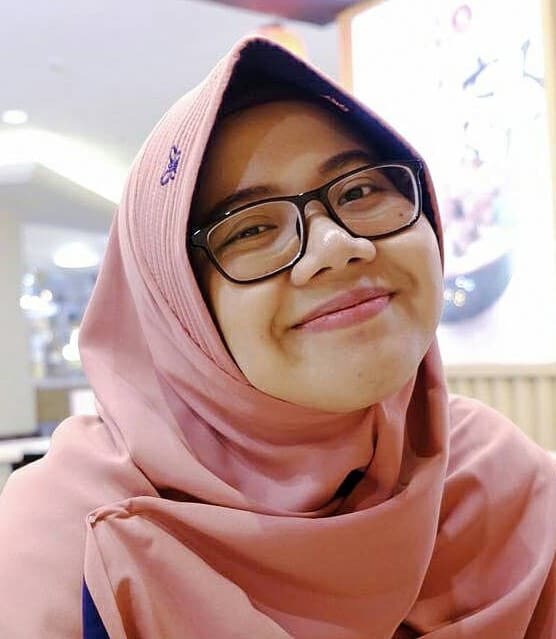
A young woman in Indonesia wearing a pink head scarf and glasses smiles for the camera.

ā€œIf we are in a positive environment and use our time for productive activities, we will become better individuals,ā€ Diana, a participant in Plan’s Bridges to the Future project in Indonesia, says. ā€œThis belief has propelled me toward finding and succeeding in my current job.ā€ Ā© Plan International


ā€œUpon joining the program, I was consistently encouraged by the program staff to participate in career-building initiatives and also undertake self-development growth opportunities,ā€ Diana, a participant in Indonesia, says. ā€œThrough these activities, I have gained extensive knowledge of soft skills and how to apply for jobs.ā€

From 2020 to 2022, Bridges to the Future helped 10,000 young people take their first steps toward rewarding careers.

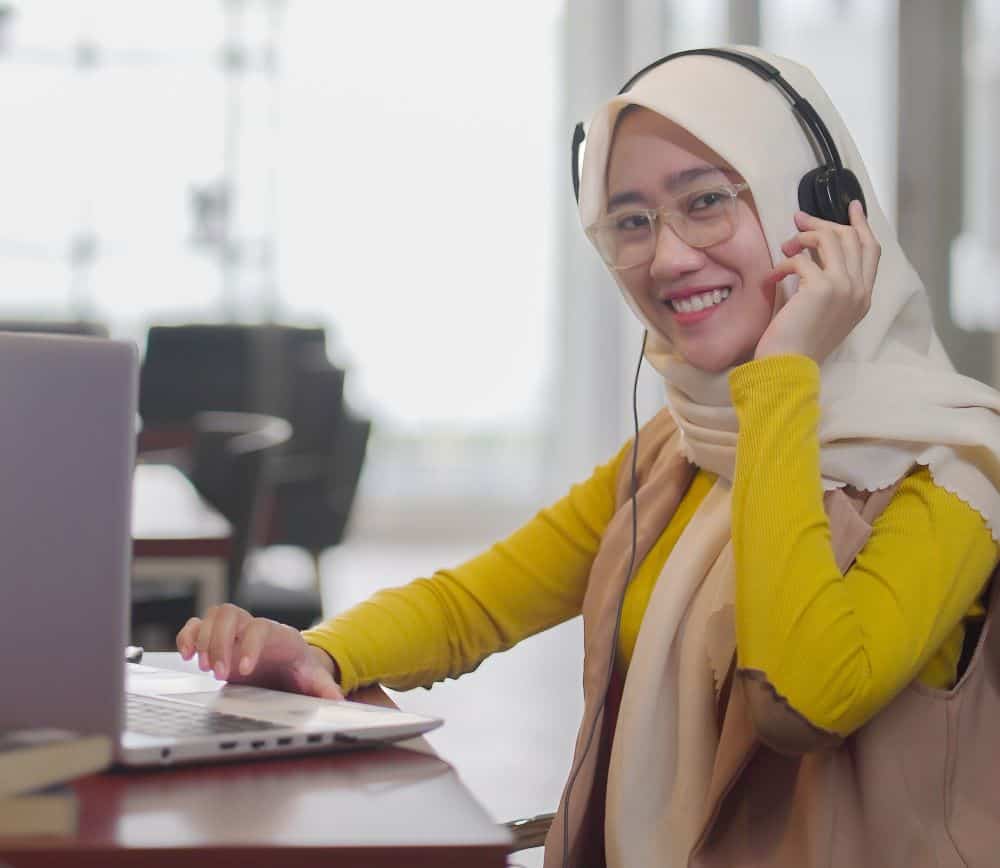
In addition to Bridges to the Future, with support from Google.org, we partnered with INCO Academy in 2021 to launch an 18-month pilot program in Indonesia called Work in Tech. The project provided fully funded access to Google Career Certificates in IT, as well as tailored resources and soft-skills support to maximize professional success. Work in Tech graduates come from traditionally underrepresented backgrounds in the IT sector, including women and ethnic minorities. The program reached a total of 10,000 young learners, of which 7,868 young people attained the Career Certificate for completing the training, and 4,061 participated in job placement programs. Since completing the program, Onny now works as a web developer. ā€œIn the next 5 to 10 years, my dream is to open a coding academy specifically for children,ā€ she says. ā€œCurrently, there are none in Cirebo.ā€


A young woman in Indonesia sits at a table in front of a laptop, wearing a tan headscarf and a yellow shirt with a brown vest. She has a black headset on and is smiling at the camera.

“I was the first person to attend university in my extended family,ā€ Onny, a participant in Plan’s Work in Tech project in Indonesia, says. ā€œSo, I hope it can be a gateway for my cousins to enjoy higher education.ā€ Ā© Plan International / Ubaidillah Achmad


We’re also working with J.P. Morgan to support young women in Indonesia, through a project called Tech Muda II. The project builds on the success of Tech Muda I, which aimed to support marginalized young people, especially young women, in their out-of-school transition to employability in the information technology sector. Through the program, Plan trained 150 young people, 80% young women, in IT-related skills, such as graphic design and web development, and helped 139 young people find internships and employment in the greater Jakarta area. The program also notably helped to improve the self-efficacy of program participants as a result of increased soft skills. Program participants reported they felt more prepared and confident to apply to job vacancies following their participation in Tech Muda. ā€œThis program has helped me in shaping the skills in me that I didn’t know existed,ā€ Inces, a program participant, says. ā€œAfter joining the boot camp, I was taught to create a CV and portfolio, which I did not know how to do before. Thanks to this boot camp, I made my CV and portfolio to obtain my current position in digital marketing.ā€ Based on the successes of this pilot program, we jointly embarked on a second phase, which began in 2022 and will end in August. Tech Muda II aims to provide 400 young women with training, mentorship and work-based learning to secure jobs in Indonesia’s growing IT sector. It will also provide post-completion job seeking assistance and job placement support for youth in careers such as data analysis, content development and digital marketing.
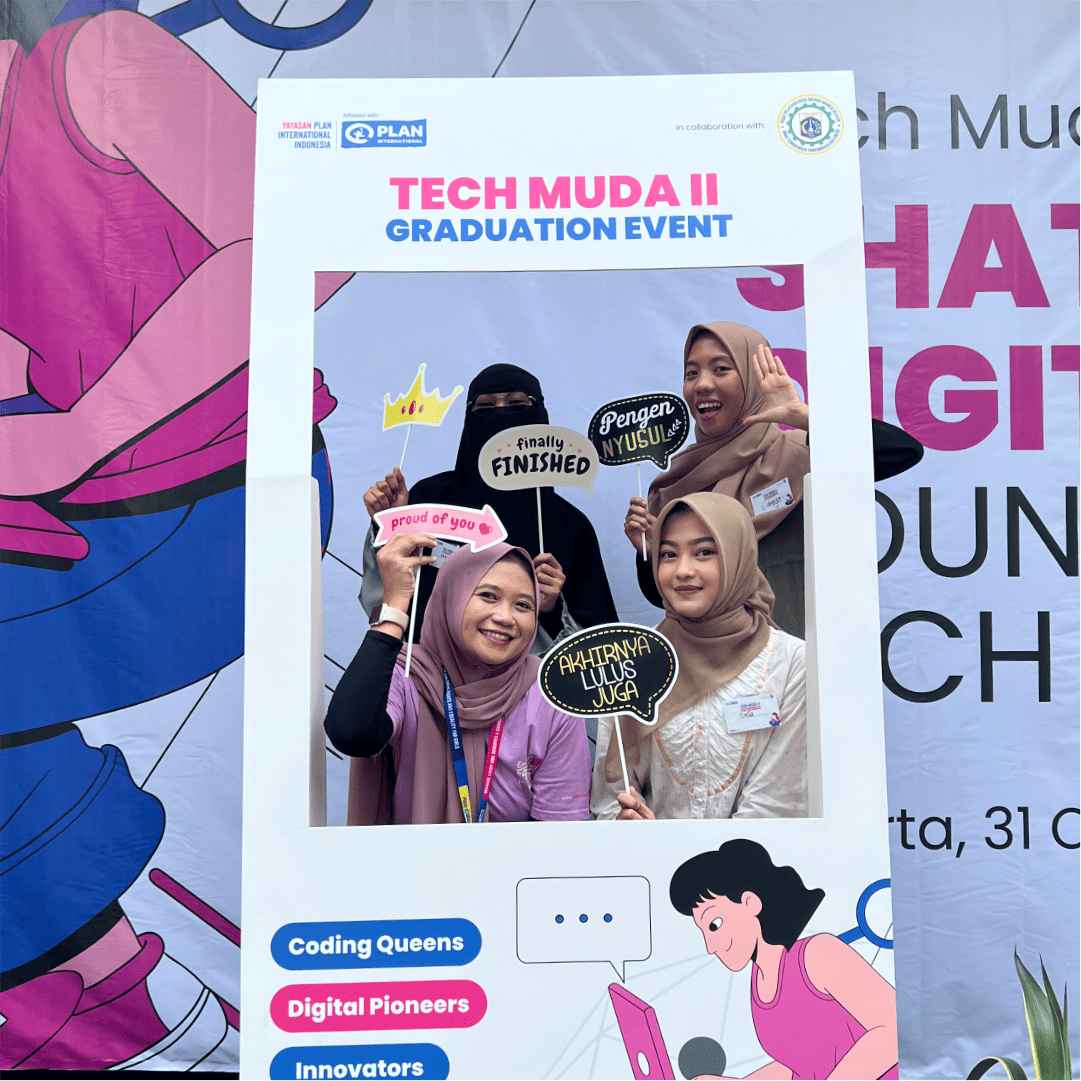
 

Four women wearing head scarfs pose for a photo behind a cardboard cutout that says ā€œTech Muda II Graduation Eventā€ at the top and the words: Coding queens, digital pioneers and innovators at the bottom.

Program participants attend a graduation event for Tech Muda II in South Jakarta, Indonesia. Ā© Plan International

2. Providing quality childcare in Ethiopia

In Ethiopia, Plan is helping to ensure that young women can benefit from the economic growth opportunity that industrial parks provide — and that the same innovations are good for the region’s local businesses and community. To help the Hawassa Industrial Park improve worker performance and productivity and reduce attrition, Plan and USAID have created a worker wellness program to connect potential employees with local services. As most employees relocate to be near the plant, they benefit from connections with fair housing, an understanding of the community they are joining and how to access essential needs. For the largely young and female workforce at Hawassa, this includes child care services and early childhood development programs. With no support or access to quality child care, many young mothers in Ethiopia are forced to either end their careers to care for their children, or to leave them unattended. That’s why Plan partnered with The Children’s Place to build two child care centers for employees working in the Hawassa Industrial Park. The child care centers offer safe, inclusive, age-appropriate early learning opportunities to children ages 0 to 3, reaching nearly 200 children per year.
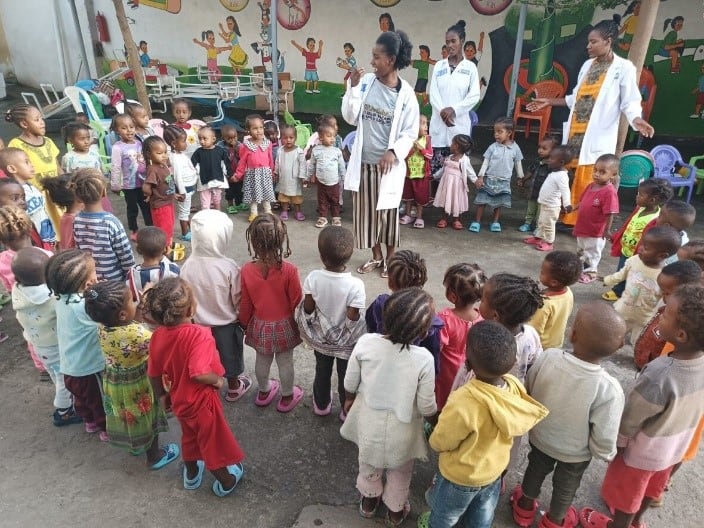
 

A group of young children stand in a circle in front of a brightly decorated building, gathering around a woman wearing a white coat.

A group of children gather at one of the child care centers established by Plan and The Children’s Place in Ethiopia. Ā© Plan International


The centers also provide nutritious meals and safe indoor and outdoor play time, with the staff closely monitoring the children’s growth and development. Many of the workers who send their children to these child care centers have reported lower absenteeism from work, improved productivity and increased participation due to reduced stress about their children, in some cases even leading to increases in their pay. As industrial parks continue to expand across Africa, there is an opportunity to replicate this child care service model for improved outcomes for women, children and private sector partners.

ā€œSending my child to the Plan-run childcare center in Cheffe is the single most important decision I have made in my life,ā€ Debretu, a 24-year-old operator at a garment manufacturing company, says. ā€œThe center has made it possible for me to work and at the same time, for my child to be in a safe and caring environment. As you can imagine, I can now work free of any stress and give my best to my job.ā€

3. Connecting young women to success in Guatemala

In Guatemala, Indigenous young women often don’t finish school, and end up working informal jobs that are both demanding and low paying. In many rural areas, it is particularly difficult for young people to find waged employment opportunities. Plan’s Connection to Success project is improving young women’s economic prospects, so that they have the power to take their careers into their own hands through self-employment. Young entrepreneurs learn the skills they need to spot business opportunities, develop their business ideas, set-up and manage the risks of running a business, and face challenges with flexibility and creativity. They build their resilience with financial, business, entrepreneurial, digital and life skills. Throughout the first phase of the project, which began in 2019 and ended in 2023, 2,085 young people (1,356 women and 729 men) completed virtual and face-to-face training in entrepreneurship to design their business plans. Now, the project has facilitated the creation of 455 individual and associative business units, mainly in the agricultural, livestock, trade and services sectors, which are supplying local and regional markets with competitive, high-quality products. These activities have helped to strengthen the local economy and business ecosystem. By the end of the first phase of the project, hundreds of thousands of dollars of seed capital had been dispersed, supporting 568 young entrepreneurs as they started new businesses. In addition, 140 young people who completed the employment track got reliable, good-paying jobs in sales and customer service. Young women entrepreneurs are more likely to succeed if they have trusted mentors, which is why Plan also facilitates business mentoring and links them to affordable and gender-inclusive financial services and professional networking opportunities.

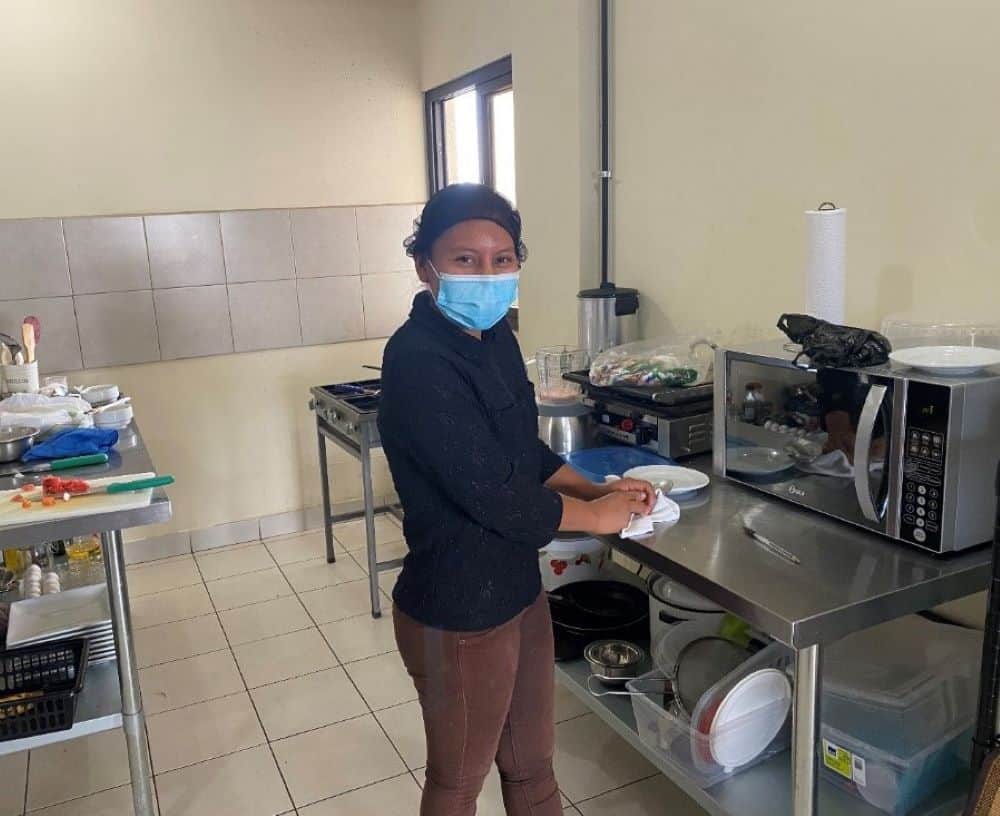
ā€œI feel happy for the space I have been given in the Connection to Success project,ā€ Eliza, a 23-year-old participant, says. ā€œMy mom says she sees changes in my life. I tell her what I learned in the employment sessions. She tells me not to stop, to put everything into practice, and to keep growing.ā€


Eliza, a young Guatemalan woman, poses for a picture in a hotel kitchen, standing next to a microwave on a stainless-steel table while wearing a blue surgical mask and black hair net.

Eliza, 23, got a job in a hotel kitchen after participating in Plan’s Connection to Success project in Guatemala. Ā© Plan International


The final evaluation of the project’s first phase showed that the percentage of young people who have strengthened their entrepreneurial skills increased to 94%, compared to 13% at the beginning of the project. Now, we’re getting ready for a second phase of the project. When designing additional programming, Plan staff incorporated the ideas of GirlEngage by organizing a consultation workshop with young people who participated in the first phase. Their feedback is informing plans for phase two.

4. Breaking new ground in Ghana

In Tamale, the capital of northern Ghana, passersby often stop to marvel at a crew of 10 tile layers trading quips at a local construction site. It’s not something they see every day. Why? Because six of the crew members are women. This scene was made possible by Ayisha. Ayisha, now 27, was in an arranged marriage and struggling to make ends meet when she heard a radio announcement about a job training program. After being interviewed at the program office the next morning, she decided to register on the spot to learn tile laying — a trade she knew nothing about.

ā€œAt first, I thought it was for males, females cannot do it,ā€ Ayisha recalls. ā€œLifting tiles from here to there seemed like a huge thing. I was a bit afraid to learn it. I had never seen a female tiler before. My mother said how? I say, to try. If you don’t try, how will you know?ā€

In Ghana, young people often struggle to access education and training that aligns with job opportunities. To help young women build their own futures, Plan’s three-year project Pathways for Sustainable Employment for Women and Youth (PASEWAY) is reaching young people across northern Ghana with job training and business skills. Through PASEWAY, more than 4,200 young people like Ayisha have received technical and skills training in the construction and hospitality sectors. After completing the training program, Ayisha now runs her own successful construction business. She has taught six young women and three young men how to lay tiles through her company. Ayisha says that passing on her skills and employing other young women is the most rewarding part of her job.
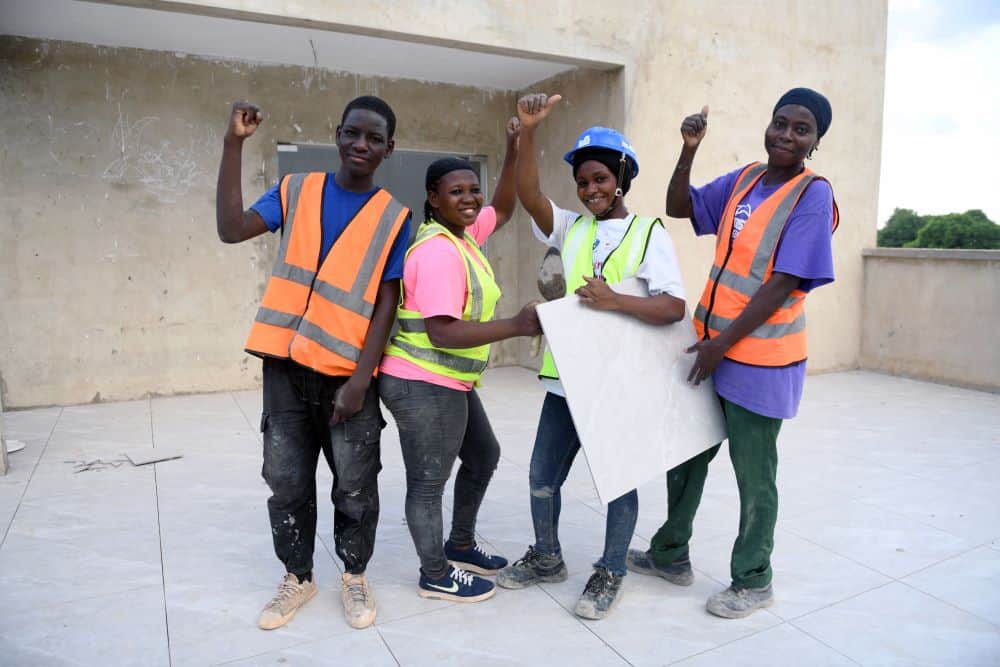
 

Three women and a man in Ghana stand on an outdoor patio, wearing neon construction vests and smiling as they give the camera a thumbs up.

Ayisha (second from the right) with her tile-laying crew in Tamale, Ghana. Ā© Plan International/Geoffrey Buta


ā€œI want people to know that as women, we can do something,ā€ Ayisha says proudly.

5. Supporting young entrepreneurs in the Philippines

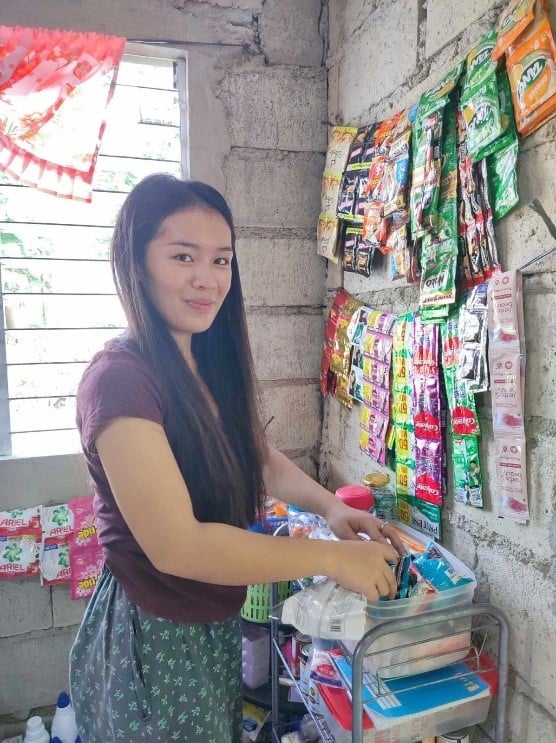
In the Philippines, Plan has partnered with the Western Union Foundation to support young women as they pursue decent work opportunities through a project called Youth Connect 2.0. The project builds on the success of Youth Connect 1.0, which reached 431 young people (233 women and 198 men) with technical and life skills trainings from 2020 to 2022. Beginning in 2023 and ending this April, the project addresses gaps in training and decreased access to economic opportunities that were exacerbated by the COVID-19 pandemic. It aligns with the Western Union Foundation’s mission of creating economic opportunities for young people who migrate in pursuit of more prosperous futures. The project works in Cebu, Maguindanao and Western Samar, supporting training opportunities and providing access to community-based enterprises and employment in these areas. With training and financial support from the project, Iris, 20, opened her own neighborhood grocery store. ā€œEver since it opened and I started earning, I was able to help my parents with our daily expenses,ā€ she says.


A young woman in the Philippines smiles at the camera as she unpacks inventory in her store.

ā€œI was lucky to be part of the Youth Connect 2.0 project of Plan International supported by the Western Union Foundation,ā€ Iris says. ā€œI was given an opportunity to start my own business which truly helped me and my family.ā€ Ā© Plan International


Interested in partnering with Plan? Get in touch!

5 times that investing in girls paid off feature image