Search Results

Search results for

0 result(s) found

Search Results for:

When disaster or conflict strikes, the most vulnerable people pay the highest price; and among them, girls and young women face the greatest risks. They are more likely to be pulled out of school, more vulnerable to violence and exploitation and less likely to receive the support they need. We work to change that, responding to crises around the world with girls at the center of everything we do.

In 2025...

people received humanitarian assistance
0 M
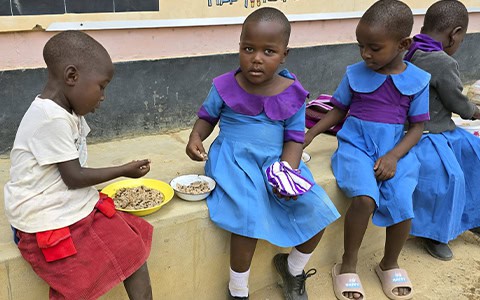
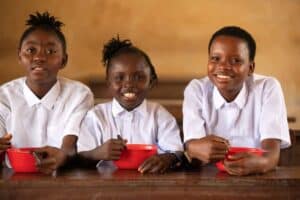
children received school meals
0 K
children accessed alternative learning
0 K

The challenges

Humanitarian crises including conflict, displacement or natural disaster don’t just cause immediate harm. They disrupt education, destroy livelihoods, overwhelm health systems and strip communities of the safety nets that protect the most vulnerable. For girls, the consequences can be devastating and long-lasting: increased risk of gender-based violence, early marriage, unwanted pregnancy and permanent school dropout. And as climate change drives more frequent and severe disasters, these risks are growing, disproportionately affecting communities that are already the least equipped to cope.

What we do

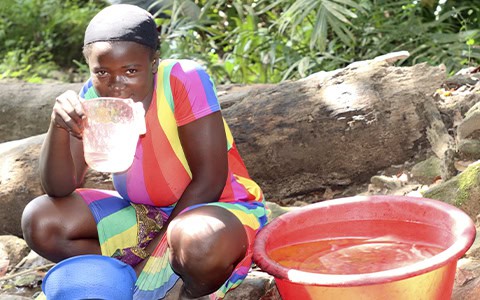
We respond where the need is greatest, delivering life-saving support across five core areas. We work to keep children learning in the middle of a crisis through emergency education programs and early childhood support. We create safe spaces for children and provide mental health and psychosocial support to help them process trauma and rebuild resilience. We deliver maternal and child health services, tackle malnutrition and ensure communities have access to clean water and safe sanitation. When families lose everything, we provide emergency food assistance and help communities rebuild their livelihoods through cash support, skills training and enterprise recovery. And because the best response to a disaster is to be prepared before it strikes, we also invest in disaster preparedness; working with communities, schools and local partners to build the knowledge and systems that reduce risk and save lives.

Putting girls and young people at the center

We recognize that humanitarian crises affect girls and young people in distinct ways, therefore we deliver principled, needs-based responses while ensuring an inclusive approach that leaves no one behind. In every humanitarian response, girls are not just recipients of support — they are leaders, advocates and decision-makers. From designing programs to leading community preparedness efforts, we actively engage girls, young women and other vulnerable groups as agents of change in their own communities. Because truly effective humanitarian response doesn’t just meet immediate needs — it builds the resilience, skills and confidence that helps girls and communities recover, adapt and thrive long after the crisis has passed.

How you can help

Give to Plan

Our global programs are made possible by donors who believe in building a world where we are all equal. Explore ways to join our mission as a donor.

Work with us

We work with partners around the world, from local community groups to global organizations. If you share our belief that every girl deserves the chance to fulfill her potential — we’d love to hear from you.

Read more

Four years into the war in Ukraine: What do children need now?

Four years into the war in Ukraine, children continue to face trauma, disrupted education, and displacement across Ukraine and Eastern Europe. As the crisis shifts from emergency response to long-term recovery, sustained investment in mental health, protection, and education is critical to prevent irreversible harm.

Read more
Frank Manfredi headshot

Search Results for:

Every young person has the right to make free and informed decisions about their own body, their health and their future. For millions of girls and young women around the world, that right is denied — by harmful social norms, by health systems that fail them and by laws and attitudes that limit their choices.

In 2025...​

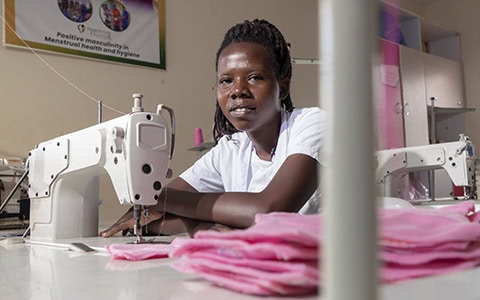
girls received menstrual health supplies
0 K
people reached with awareness raising activities
0 M
young people accessed healthcare
0 K

The challenges

Girls and young women face barriers to sexual and reproductive health and rights that are deeply rooted and wide-ranging. Many have never received accurate, age-appropriate information about their bodies or their health. Others live in communities where talking openly about sexuality is taboo, where girls have little or no say over decisions about marriage or pregnancy or where health workers hold biases that prevent girls from accessing the care and information they need. Harmful practices like child marriage and female genital mutilation continue to affect millions of girls every year — stripping away their choices and causing lasting physical and emotional harm. And for girls living with or at risk of HIV, stigma and discrimination create additional barriers to testing, treatment and support.

What we do

We work with young people, communities, health systems and governments to make sure girls and young women can access the information, services and support they need to make informed decisions about their own health and lives. That includes comprehensive sexuality education that is honest, age-appropriate and empowering; strengthening health services so they are genuinely accessible and responsive to young people’s needs; and tackling the harmful practices and social norms that limit girls’ choices and endanger their health.

We also prioritize menstrual health, support for pregnant and parenting young women, HIV prevention and treatment and mental health and psychosocial support — recognizing that sexual and reproductive health is not separate from overall wellbeing.

Putting girls and young people at the center

Girls and young women are not passive recipients of this work — they are experts on their own lives, and their voices shape everything we do. We invest in young people as advocates and leaders, making sure they have the knowledge, confidence and platforms to demand their rights and drive change in their own communities. Because when girls can make free and informed decisions about their own bodies and futures, the benefits reach far beyond the individual — they ripple through families, communities and generations.

How you can help

Give to Plan

Our global programs are made possible by donors who believe in building a world where we are all equal. Explore ways to join our mission as a donor.

Work with us

We work with partners around the world, from local community groups to global organizations. If you share our belief that every girl deserves the chance to fulfill her potential — we’d love to hear from you.

Read more

Choices that create change: Saying no to FGM

In Ethiopia’s Afar region, some families are quietly choosing courage over conformity by saying no to FGM. This powerful photo story reveals the voices of parents and girls taking a stand against generations of harm, one decision at a time.

Read more
Frank Manfredi headshot

Search Results for:

In 2025…

countries
0 +
communities served
0 K
girls reached
1 M

Plan International works in more than 80 countries to tackle the root causes of poverty and inequalities that girls and their communities face. By working together, we can transform lives and create a world where we are all equal. Everything we do is shaped by a set of core principles that guide our work — not as add-ons, but as the foundation of who we are and how we operate.

Gender equality and inclusion sit at the heart of our mission: we don’t just work to improve girls’ daily lives, we work to change the systems, norms and power structures that hold them back in the first place, and we engage boys and men as essential allies in that effort. A youth-driven approach complements this, ensuring that girls and young people are not just the focus of our work but active leaders and co-creators of change in their own communities.

We also recognize that the climate crisis is one of the defining challenges of our time — and one that disproportionately impacts girls and young women. That’s why we embed climate resilience, adaptation, and green skills and opportunities across every focus area, treating climate action not as a separate agenda but as inseparable from our commitment to gender equality. Together, these principles make our work not just effective, but transformative for girls and young people everywhere.

Our-Focus-Areas-Prom-1

Education & early childhood development

Every child deserves the chance to learn, grow and thrive — from the earliest years of life through to young adulthood. Education and early childhood development sit at the heart of Plan International’s work, and we believe that getting both right is essential to building a fairer world for children, especially girls.

Health, nutrition & WASH

Every girl deserves to grow up healthy — but for millions, that basic expectation remains a struggle. We work to change that, making sure girls and young women can access the health services, nutrition and basic support they need to survive, develop and thrive at every stage of their lives.
Our Focus Areas Promo3

Economic empowerment

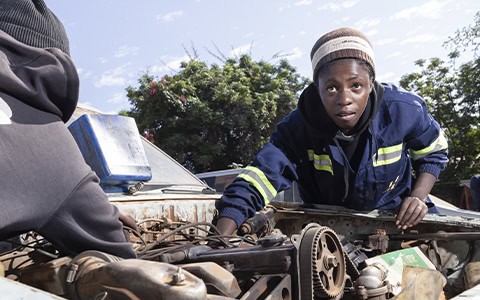
Economic independence is essential for girls to live safely, freely and on their own terms — but for millions of young women around the world, it remains out of reach. We work to change that, making sure young women have the skills, opportunities and financial tools they need to earn a living and build the futures they deserve.
Our Focus Areas Promo4

Sexual & reproductive health & rights

Sexual and reproductive health and rights are fundamental to every girl’s well-being, yet millions of young women around the world still cannot access them. We work to change that, making sure girls and young women can access appropriate health care and make free and informed decisions about their own bodies, their health and their futures.
Our Focus Areas Promo5

Protection

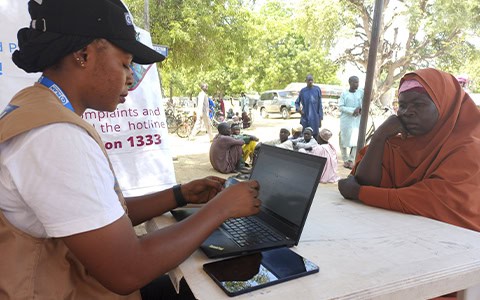
Every child has the right to grow up safe from violence, exploitation and harm. Yet for millions of girls and young people around the world, that right is violated every day — at home, in school, in their communities and increasingly online. We work to protect girls and young people from violence in all its forms, and to provide support to families, communities and systems that keep them safe.
Our Focus Areas Promo6

Humanitarian assistance

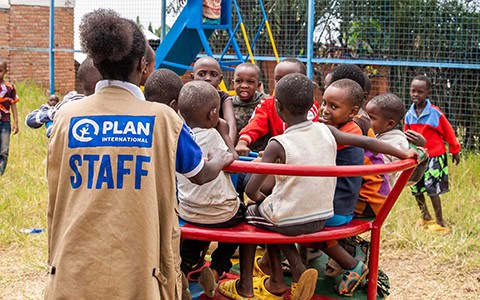
When conflict, displacement or natural disaster strikes, girls and young women are among the hardest hit and the last to receive support. We respond where the need is greatest, delivering life-saving assistance while making sure that girls’ specific needs and rights are never overlooked in an emergency. We also support communities through recovery and help build the long-term resilience that protects girls when the next crisis comes.
Our focus areas
What we do Hero

What we do

We partner with children, families and communities to advance children’s rights and equality for girls, today and for the long term.

Focused on girls. Driven by impact.

We work around the world to tackle the root causes of inequality that hold children back, especially girls. Our programs are shaped by evidence, guided by communities and led by girls themselves. Together, this work creates lasting change that reaches far beyond a single project or place.

How our work comes together

Our work with girls

Our work with girls

Girls are leaders, partners and decision-makers in our work. Through GirlEngage, our girl-centered approach, we listen to girls, support their leadership and work alongside them to remove the barriers standing in their way.

What we focus on

From education and protection to health and economic opportunity, our focus areas address the challenges that shape girls’ lived experiences. Together, they create the conditions girls need to learn, lead, decide and thrive.

What we focus on
Initiatives

Initiatives

We mobilize around key global moments to elevate voices, shift systems and push for progress on issues that affect girls and women worldwide.

Youth advocacy programs

Young people have the power to shape the decisions that affect their lives. Through our youth advocacy programs in the United States and globally, we support young leaders to speak out, influence policy, and drive change on issues that matter to them and their communities

Youth advocacy program hero

Stories from our work

What we do media image
Frank Manfredi headshot

Search Results for:

Every child has the right to grow up safe from violence, exploitation and harm. Yet for millions of girls and young people around the world, that right is violated every day — at home, in school, in their communities and increasingly online. We work to protect girls and young people from violence in all its forms, and to provide support to families, communities and systems that keep them safe.

In 2025 ...​

people reached with protection programming
1 M
survivors of GBV supported
1 K
child protection mechanisms strengthened
0 K

The challenges

Girls face distinct and serious risks throughout their lives — and those risks are shaped by more than just gender. Age, disability, ethnicity, and displacement all affect how vulnerable a girl is and what kind of support she can access. Too many girls experience violence at the hands of people they know and trust. Too many are forced into marriage before they are ready or subjected to harmful practices that damage their health and strip away their choices. And as climate change drives displacement and economic stress, the risks facing girls and women are growing.

What we do

Our protection work focuses on preventing violence before it happens and supporting survivors when it does. We work with families, communities, service providers and governments to challenge the harmful norms and attitudes that allow violence to persist — and to make sure that girls who have experienced violence can access the support and care they need.

This includes work to end child marriage and female genital mutilation, prevent gender-based violence and intimate partner violence, tackle human trafficking and keep children safe online as well as offline. We don’t treat protection as a separate program — it runs through everything we do. Safe schools, access to mental health support, economic independence, and the ability to participate in community life are all part of what it means for a girl to truly be protected.

Putting girls and young people at the center

Young people are not just the people we work to protect — they are also agents of change in their own communities. Through programs that engage young men and boys as allies, empower girls as advocates and build community-led solutions, we work to create environments where girls are not just safe today, but where safety becomes the norm for future generations. Because protecting girls means changing the world they grow up in — not just responding to the harm they experience.

Read more

Frank Manfredi headshot

Search Results for:

Every child deserves the chance to learn, grow and thrive — from the earliest years of life through to young adulthood. Education and early childhood development sit at the heart of Plan International’s work, and we believe that getting both right is essential to building a fairer world for all children, especially girls.

In 2025...

people received ECD programming
1 M
girls had improved access to education
1 M
teachers trained
1 K

The challenges

Around the world, millions of children — especially girls — are struggling to access education. Too many girls are pulled out of school early, forced into early marriage, or simply unable to access education at all because of poverty, conflict or discrimination. And the challenges start from birth. Millions of children under five are missing out on the care and attention they need in their earliest years, setting them back before they ever reach a classroom. Without urgent action, the learning crisis will only deepen, and girls will continue to pay the highest price.

What we do

The first years of a child’s life are critical. From birth to age 8, children need nurturing care, stimulation and safe environments to develop well. We work with parents, caregivers, communities, and institutions to make sure that even the youngest and most vulnerable children — especially those aged 0 to 3 — get the care, attention and early learning opportunities they need to thrive.

As children grow, we focus on making sure they can access a quality education, stay in school and actually learn. We work across both formal and informal education settings, tackling the barriers that prevent girls and marginalized children from getting the education they deserve. That means making schools safer and more inclusive, supporting teachers, improving learning materials, strengthening how schools are run, and advocating for laws and policies that benefit all learners.

Putting girls and young people at the center

Across our education work, gender equality is not an add-on — it is built in from the start. We design our programs to challenge the norms and systems that hold girls back, and we actively involve young people as leaders and advocates, not just as learners. Because girls and young people shouldn’t just benefit from better education systems — they should help build them.

How you can help

Give to Plan
Our global programs are made possible by donors who believe in building a world where we are all equal. Explore ways to join our mission as a donor.
Work with us
We work with partners around the world, from local community groups to global organizations. If you share our belief that every girl deserves the chance to fulfill her potential — we’d love to hear from you.

Read more

Frank Manfredi headshot

Featured image Education systems that work for girls: Lessons from Tanzania

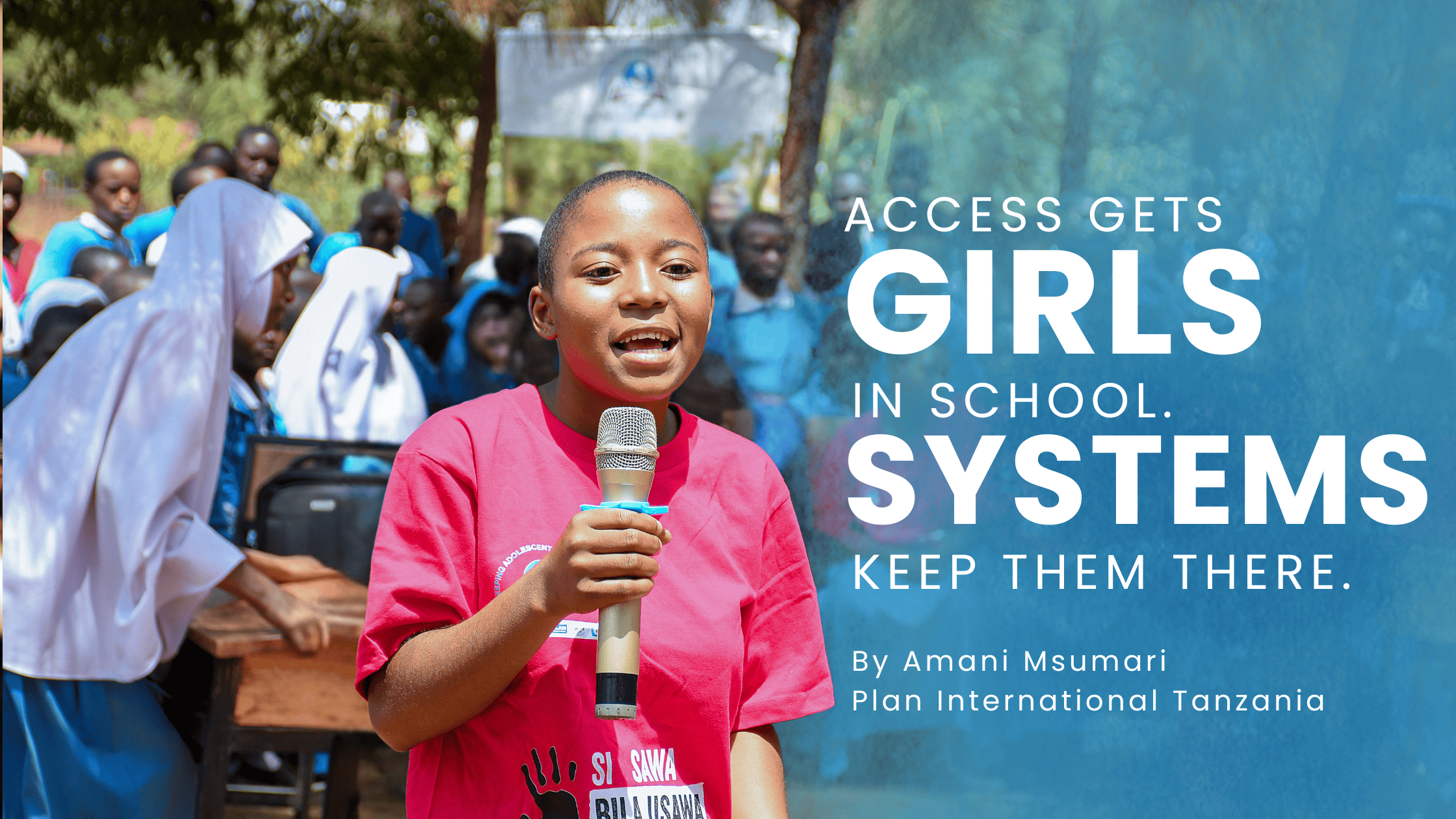
A girl leads a community dialogue session in Tanzania, speaking to peers and community members on gender equality and girls’ education. | Lilian Mmbaga, Ā© Plan International


A teacher at a rural primary school in Geita Region of Tanzania described what she recently observed in her classroom.

ā€œWhat has changed most is not only attendance, but confidence,ā€ she said. ā€œI now see girls raising their hands more often, speaking without hesitation and engaging in ways that were not as visible before. It is a clear shift in how they see themselves in the classroom.ā€

The shift did not happen overnight. It was the result of several changes working together: teachers adopting more inclusive classroom practices, stronger safeguarding measures within the school and deeper engagement with parents and community leaders on the importance of girls’ education.

Across Tanzania, more girls are entering school than ever before. Globally, enrollment gains since 2015 have been historic. Yet according to a 2025 report by UNICEF, Plan International and UN Women, 122 million girls remain out of school globally — and for millions more who are enrolled, access has not translated into learning, safety or completion. The question Tanzania has been working to answer is not how to get girls into school — but what has to change for them to stay, learn and thrive.

The lesson from Tanzania is that four things have to work together: how teachers teach, how schools are structured, how communities think about girls’ futures and how government embeds change so it lasts. None of these works in isolation.

What does an education system that works for girls look like?

Most education interventions are designed sequentially — get girls enrolled, then worry about quality, then address safety, then engage communities. Tanzania’s experience suggests that sequence is the problem. Structural, economic and social barriers do not present themselves one at a time, and girls do not experience them that way either.

A system that works for girls is one where different parts reinforce one another simultaneously. Teachers apply inclusive, gender-responsive approaches in their classrooms. Schools provide environments where girls feel respected, protected and able to participate fully in learning. Communities recognize the value of educating girls and support their continued participation. Government institutions provide policy direction and oversight that sustain these improvements over time.

The critical shift is from isolated project activities to longer-term institutional change. Strengthening classroom practice becomes more sustainable when teacher professional development is embedded within national frameworks and supported through school-based learning structures. That distinction — between an intervention and a system — is what Tanzania’s experience is really about.

What does it take to change how teachers teach?

Teachers play a central role in shaping girls’ learning experiences. Efforts in Tanzania have therefore focused on strengthening teachers’ ability to apply gender-responsive and inclusive teaching methods — and on building the structures that make those changes stick.

Through the Keeping Adolescent Girls in School project (KAGIS) in Geita and Kigoma, 607 teachers were trained on gender-responsive pedagogy and positive discipline. By the end of the project, the proportion demonstrating gender-responsive teaching practices had risen from 81% to 91%. In Sumbawanga District, a capacity-building initiative under the Girls Get Equal 2.0 project trained 285 school board members, ward education officers and school leaders on governance and internal quality assurance. Knowledge assessment scores rose from 43.47% before the training to 91.3% after, with nearly 88% of participants scoring in the excellent range.

ā€œThe training helped us understand that quality assurance is not about fault finding. It is about supporting teachers, improving classroom practices and making sure no learner is left behind.ā€

— Ward education officer, Sumbawanga District

A teacher works with students

A teacher works with students during a group activity in a primary school in Tanzania. Improving how teachers teach — and building the structures that sustain those changes — is central to improving learning outcomes for girls. | Lilian Mmbaga, Ā© Plan International


The lesson here is not simply that training works. It is that training works when it is continuous, school-based and connected to accountability structures that outlast the training itself. One school administrator put it plainly: ā€œI saw how motivated the teachers were, following up with children, especially girls, when they were absent from school.ā€ Motivation, accountability and practice reinforce one another — and that cycle is what changes classrooms.


School leaders and education officials participate in a governance training session in Sumbawanga District, Tanzania.

School board members, ward education officers and district officials participate in a school governance and quality assurance training in Sumbawanga District, Tanzania, under the Girls Get Equal 2.0 project. | Lilian Mmbaga, Ā© Plan International


Why do girls need more than a seat in the classroom?

Girls’ education is shaped not only by schools but also by the conditions within them. For girls to thrive in education, schools must be safe and supportive spaces. Addressing issues such as school-related gender-based violence, harassment and discrimination is fundamental to improving girls’ learning outcomes — and it cannot be treated as secondary to academic progress.

Under KAGIS, the proportion of schools meeting safety and inclusiveness standards rose from 37% to 67%. By the end of the project, 100% of targeted schools had inclusive facilities. That progress included 27 gender-responsive latrine blocks, 9 menstrual health labs and 17 dedicated helpdesks where students can access confidential support in secondary schools.

ā€œNow there is water at school and the toilets are clean. The private room helps us when we are on our period, and we don’t feel embarrassed anymore. We can wash, change and return to class quickly.ā€

— Leminatha, 15, student at a KAGIS-supported school

These efforts demonstrate that school safety is not only about infrastructure but also about building a culture of respect and accountability within the school community. What Leminatha describes is not a small comfort. It is the difference between staying and leaving.

How do you change what a community believes about girls’ education?

Girls’ education is shaped not only by schools but also by the expectations within families and communities. In some areas, social norms related to gender roles or household responsibilities influence whether girls remain in school — and those norms cannot be addressed through school-level interventions alone.

Through KAGIS, 15 ward-level intergenerational dialogue sessions across Geita and Kigoma brought together 1,580 participants, including 846 adolescents aged 9–18, alongside parents, caregivers, teachers and local leaders. The sessions created structured space for communities to examine their own assumptions.


A student speaks during an intergenerational dialogue session in Tanzania

A student speaks during an intergenerational dialogue session in Tanzania. Sessions brought together adolescents, parents, teachers and community leaders to discuss gender equality and girls’ education. | Ā© Plan International


ā€œI used to think controlling a girl showed love. Now I understand that respect means listening and not using violence.ā€

— Adolescent boy, intergenerational dialogue participant

For women in the room, the conversations carried different weight. ā€œI was forced into marriage when I was 14,ā€ one participant shared. ā€œI will never allow my daughter to go through the same experience.ā€

What these dialogues demonstrate is that norm change is not passive. It requires deliberate, intergenerational conversation — and it requires involving young people as participants in that conversation, not just as its subject. Over time, stronger community support reinforces the progress taking place within schools.


Ester, 18, addresses community members during a girls-led event in Kibondo District, Tanzania.

Ester, 18, addresses community members during a girls-led event in Kibondo District, Tanzania. Across Geita and Kigoma, girls reached more than 32,000 community members through 198 events. | Lilian Mmbaga, Ā© Plan International


How did Tanzania make these changes stick?

Sustainable improvements in girls’ education depend on strong government leadership. In Tanzania, collaboration with national and local education authorities has been essential in ensuring that successful approaches align with national priorities — and in ensuring they continue beyond individual programs.

The PlayMatters project, implemented across Kigoma Region over five years, reached 119,907 children in 101 schools by embedding Learning through Play into everyday classroom practice. At the national closeout, Dr. Aneth Komba, Director General of the Tanzania Institute of Education, confirmed that Learning through Play has been formally integrated into Tanzania’s national curriculum. The project ended. The approach did not.


Students practise cooperation and problem-solving through a block-building activity

Students practise cooperation and problem-solving through a block-building activity in Kibondo District, Kigoma Region, Tanzania. Learning through play is now part of Tanzania’s national curriculum. | Ā© Plan International


KAGIS tells a similar story. By working alongside district and ward education officials on gender-responsive planning and budgeting — and contributing to the development of Tanzania’s National Gender-Responsive Budgeting guideline — the project helped shift not just school-level practice but the institutional frameworks that govern how education resources are allocated and monitored.

Working alongside government partners from the outset strengthens institutional ownership and increases the likelihood that innovations continue beyond project cycles. Sustainability is not an outcome of good programming. It is a design choice made at the beginning.

What’s still standing in the way?

Despite encouraging progress, challenges remain. Overall dropout rates declined from 6.4% to 4.9% under KAGIS, with girls’ dropout rates at lower secondary falling from 7% to 4.4%. But the work is far from finished.

Teachers often manage large classes with limited resources, making it difficult to sustain new teaching practices without continued support. Infrastructure and services that support girls’ wellbeing still vary across schools. Economic pressures and expectations surrounding girls’ roles in the household can still interrupt educational pathways. These are not implementation failures. They are structural realities that require sustained, cross-sectoral investment.

A systems approach is not a guarantee of success. It is a framework for addressing complexity honestly — and for staying in the work long enough to see it through.

The lesson Tanzania offers

The shift that a teacher in Geita described — girls speaking without hesitation, seeing themselves differently in the classroom — happened because teachers, schools, communities and government moved in the same direction at the same time. That is harder to design than a single intervention. It is also the only thing that lasts.

Globally, 122 million girls remain out of school. The question is not whether education systems can work for girls. Tanzania shows they can. The question is whether the commitment exists to build them that way.


This Insights blog was written by Amani Msumari, Inclusive Quality Education Advisor, Plan International Tanzania. To learn more, get in touch at [email protected].

Stay updated on Plan’s technical work by signing up for From Plan to Action, our quarterly newsletter.

Lessons from Tanzania feature image

Search Results for:

Sparking real change, one conversation at a time.
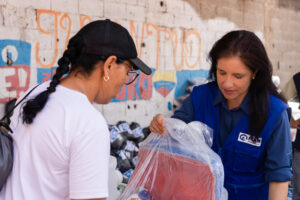
Have you met our fundraisers? You may have seen them outside of a store or even passing through your neighborhood. Plan International partners with trusted face-to-face fundraising agencies to engage with our supporters across the U.S. They’re in communities like yours, sharing how your support can help children, especially girls, grow up safe, healthy and educated.

Meeting you where you are to change lives

How do I spot a Plan fundraiser?

Plan International fundraisers:

  • Wear blue uniforms, with the Plan logo on the front, and ID badges.
  • Use electronic tablets to safely record your payment information, complying with financial data security regulations.
  • Focus on how your monthly support makes long-term change possible for children, especially girls, and their communities. They will never ask for cash donations.

Have a question about a Plan International fundraiser you met?Ā Please contact us at 800.556.7918, Monday through Friday from 8:30 a.m. to 6 p.m. ET, or email us at [email protected].

Face to face fundraising table
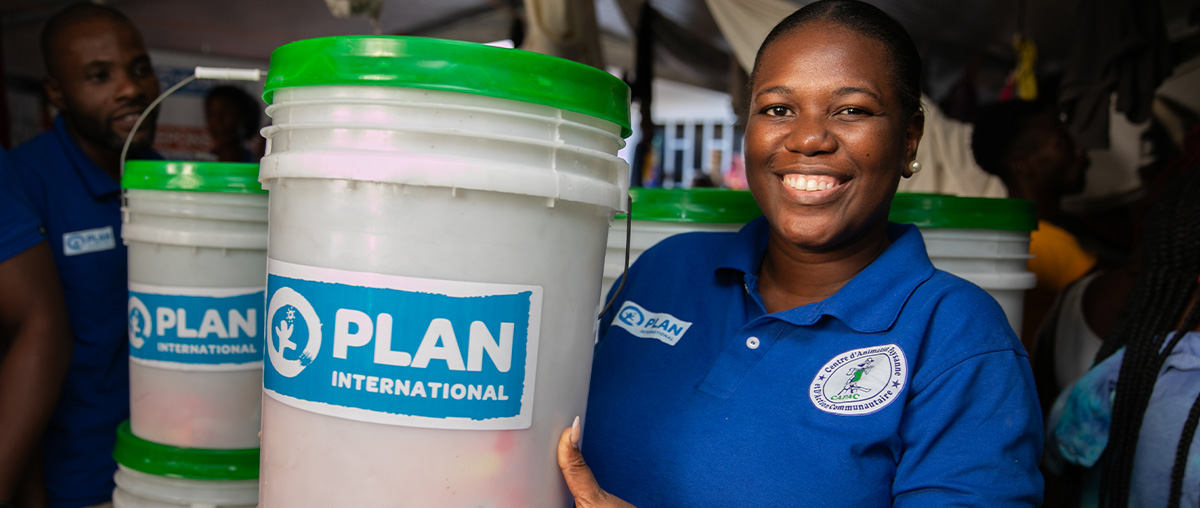
Plan International fundraisers wear blue uniforms, with the Plan logo on the front, and ID badges.

Why should I give to Plan International?

  • Plan International has over 85 years of experience supporting children and communities in more than 80 countries around the world.
  • Our projects are community-led, helping families to build sustainable futures.
  • With your help, we create opportunities for children, especially girls, to learn, lead, decide and thrive. Together, we won’t stop until we are all equal.

How will my monthly gift make a difference?

When you give monthly, you create steady support that makes real, lasting change possible.

Your recurring gift:

  • Provides resources every day: This means that more children have what they need to stay healthy, safe and educated all year long.
  • Creates sustainable change: Your ongoing support helps us address the root causes of poverty and inequality, not just provide temporary fixes.
  • Builds trust with communities: Communities can count on us to stay committed to their long-term goals.

Help girls drive the change they want to see

Every day, girls face barriers that hold them back from reaching their full potential. But these challenges have solutions, and your support can help put them within reach. When you give to Plan International, you help create opportunities for girls to learn, lead, decide and thrive in communities around the world. Explore the many ways you can make a meaningful impact today.

Fundraising HERO