Meghan Mattern, senior technical advisor at Plan International USA, wrote this article. To learn more about Plan’s work, get in touch:
When young people have skills, confidence and supportive environments, they thrive. They graduate. They start businesses. They drive innovation and contribute to healthier, more prosperous communities.
But what happens when girls grow up believing that public spaces aren’t meant for them? When they internalize fear, limit their movements and step back from opportunity?
Plan International’s Real Choices, Real Lives study reveals how deeply rooted gender norms around violence and protection shape girls’ behavior — and how those behaviors have a lifelong effect on their access to education, skills and decent work.
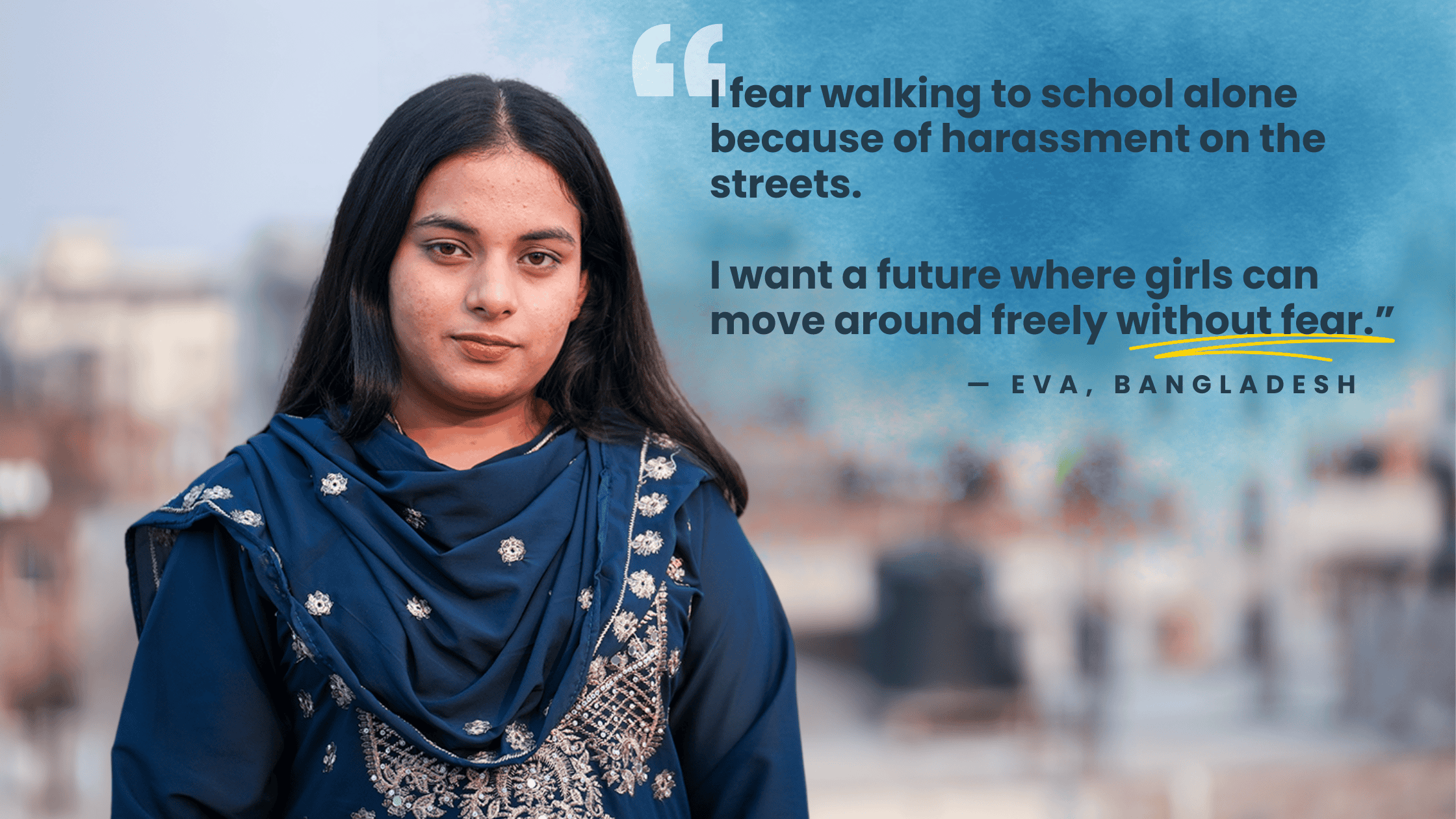
How social norms limit girls’ access to education and work
Too often, youth employment challenges are framed in technical terms — skills gaps, lack of opportunity or underemployment. But adolescent girls face significant barriers before they even enter secondary or vocational school, with lifelong impacts.
Plan’s longitudinal study, which followed 142 girls across nine countries from birth to age 18, revealed how harmful social norms are internalized during adolescence. The findings are sobering:
- 91% of girls reported experiencing violence, starting as early as age 11.
- By ages 14–15, 68% believed male violence was “just the way things are.”
- By 18, 67% believed it was their personal responsibility to protect themselves — even if that meant limiting their movement, dress or activities.
These beliefs shape behavior. When girls feel unsafe or solely responsible for their protection, they often withdraw by skipping school, avoiding training opportunities or disengaging from everyday spaces. In losing access to these spaces, girls lose critical opportunities to develop the life and employment skills they need for the future.
“We are told to be careful, to protect ourselves, but no one is telling boys not to hurt us.” — Girl, 17, Brazil
The connection between girls’ safety and skills-building
Skills-building doesn’t happen in a vacuum. If girls don’t feel safe, they miss out on training programs, apprenticeships and other economic opportunities.
And the issue isn’t limited to physical safety.
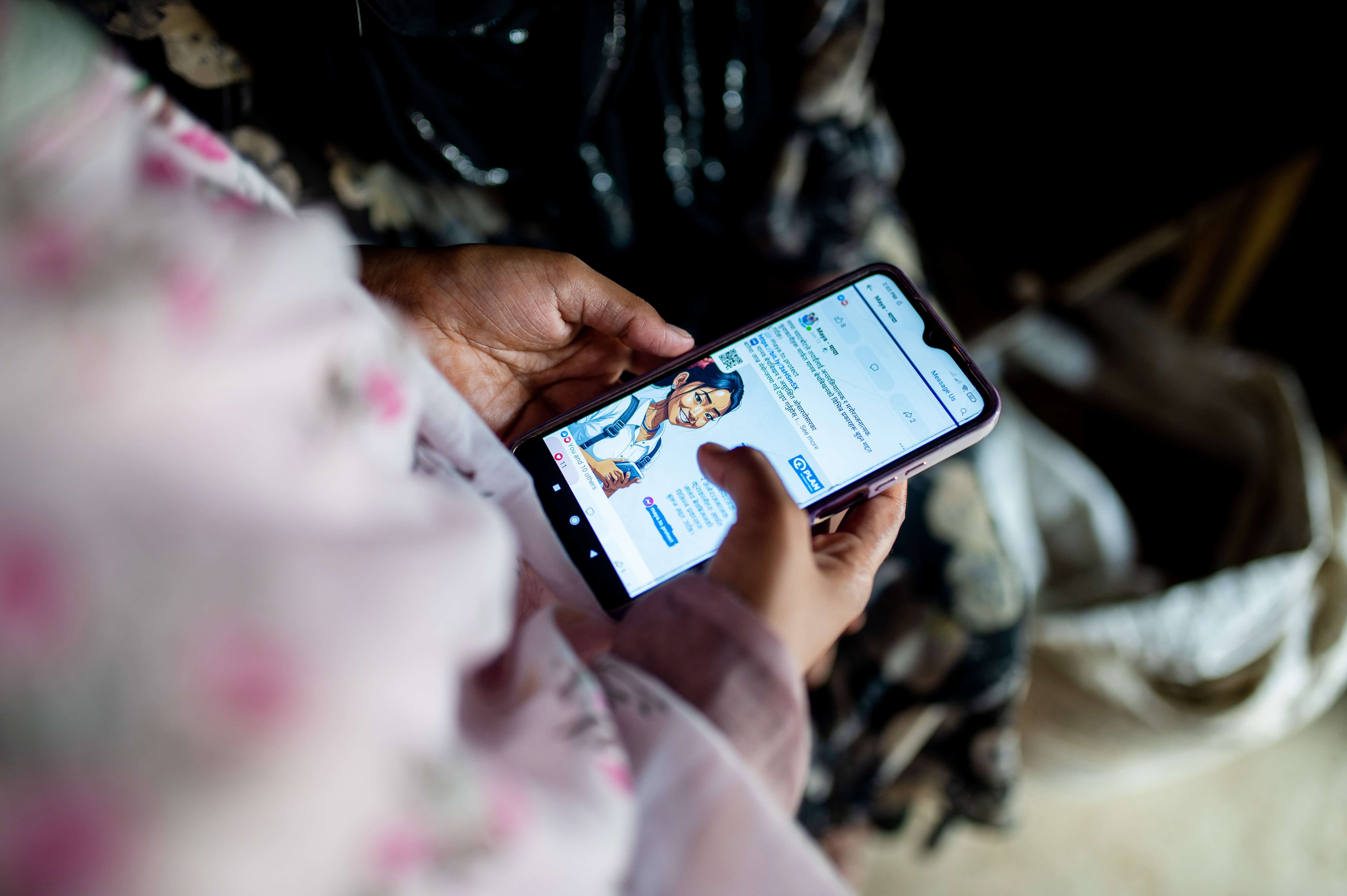
As digital platforms become essential for education, employment and connection, online environments must also be safe. Plan’s Building Digital Resilience report — developed in partnership with CNN’s As Equals series — found that fear of harassment and gender-based abuse online is pushing girls offline. Many avoid sharing opinions, joining forums or using learning platforms due to threats, stalking or trolling.
This exclusion from digital spaces directly affects their ability to build skills, networks and confidence in a digital economy.
This personal exclusion has societal costs as well. According to the World Bank, violence against women can result in economic losses of up to 3.7% of a country’s GDP.
Tackling these barriers requires more than training — it demands a shift in how programs are designed and delivered.
What program implementers can do to shift norms and boost economic outcomes
The data is clear: Adolescence is a critical window to act. When we address social norms during this formative time, we can positively shape girls’ safety, agency and long-term economic participation.
Recommendations for technical practitioners and donors:
- Pair skills and livelihoods programming with gender norms transformation. Combine financial literacy or vocational training with sessions that unpack social expectations and beliefs.
- Engage caregivers and communities. Girls’ mobility and access to opportunities are often shaped by parents or extended family. Norm change must extend beyond the classroom.
- Design for safe access. Consider transit, location and public space safety in every program — in urban, rural or conflict-prone areas.
- Follow girls’ lead. Young people know what they need to be successful. Support mentorship groups, youth clubs or collectives where leadership and technical skills grow together.
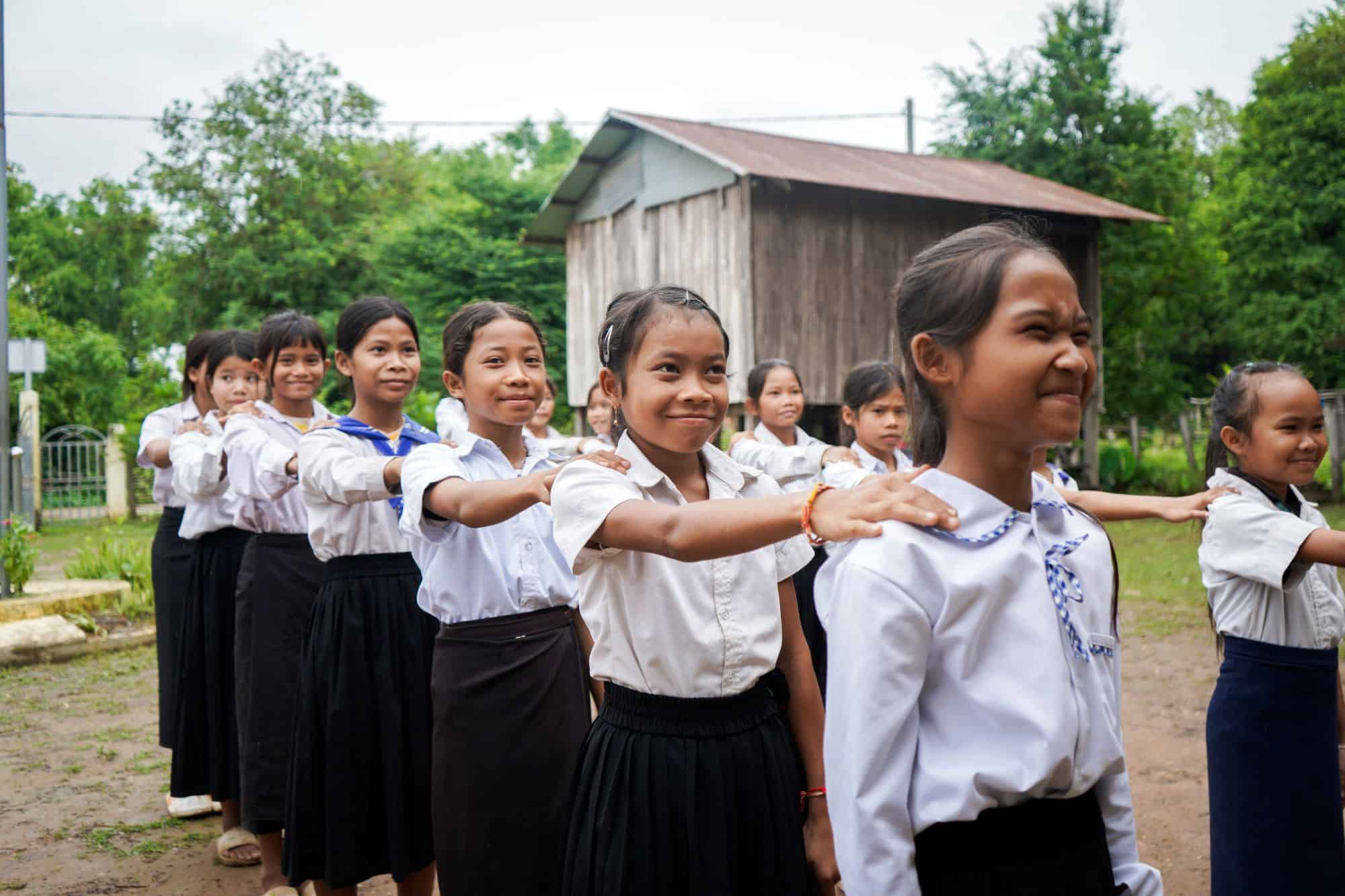
Safety is the foundation of learning. In Cambodia, girls take part in a disaster preparedness drill through Plan International’s Safe Schools programme — one way we help close the safety gap that limits girls’ education and opportunities. © Plan International
Program case studies: skills, safety and success
Across multiple countries, programs that integrate psychosocial safety, self-belief and work readiness are showing real impact.
In 20 cities globally, Plan’s Safer Cities for Girls program has worked to build safer, more inclusive urban environments for adolescent girls (ages 13–18). The program focuses on three goals:
- Increasing safety and access to public spaces.
- Expanding meaningful participation in urban governance.
- Enabling autonomous mobility for girls.
A midline evaluation in Kenya, Ethiopia, Uganda and Zimbabwe found 53% of participants were engaged in decent work, an 18% increase from baseline.
In Guatemala, the Connection to Success project supports young women’s economic futures by combining:
- Entrepreneurship and vocational training
- Access to internships and startup funding
- Shifting community attitudes and expectations around gender
Among the program’s second cohort, 54% of participants improved their well-being through increased earned income (defined as the percentage of youth who can fully cover a minimum set of basic necessities).
“Boys can be taught to stop being aggressive.” — Girl, Real Choices, Real Lives study
Why safety must come first in youth economic empowerment
Too many girls grow up believing that their lives must be small to be safe. This belief, formed early, undermines their ability to develop skills, join the workforce and achieve economic independence.
But the Real Choices, Real Lives study also shows hope: By age 18, most girls involved in the study were vocal in their belief that they deserve the same freedoms as boys. They’re calling on adults to listen to their voices and include them in decisions that affect their safety and protection. Girls are questioning the norms they inherited. They’re demanding safer, more equitable futures.
It’s time for the systems around them to catch up.
Economic empowerment begins with belief.
Belief that girls are capable, that the world can be safe and that adolescence isn’t the end of possibility — but the beginning.