This article was written by Maya Rao, a Plan International monitoring, risk, evaluation and learning advisor. For more information on Plan’s work, please reach out to [email protected].
Background
In Senegal, nearly a third of girls marry before age 18, with a significant proportion marrying before they turn 15. Child marriage can start a domino effect, endangering girls’ health, safety and education. In the Kédougou region, these challenges are even more pronounced, and child marriage remains a major reason for girls dropping out of school.
Through Plan International’s Girls Learn & Thrive project, girls in southeastern Senegal are given the opportunity to put their education first and are protected from early marriage. With life skills training that builds their confidence in decision-making, girls can pursue secondary education without fear of being pressured into marriage.
Using Plan’s GirlEngage model, girls actively drive change in every phase of the project, acquiring skills and confidence to create the transformations they want to see in their community. Now in its second phase, the project is working with its third cohort of 378 girls from rural areas in the Kédougou Region.
Plan conducted an evaluation mid-way through its second phase to measure progress toward strengthening girls’ self-esteem, confidence in making life decisions, communication and leadership skills. The evaluation also measured community support for girls’ rights to education and reproductive health. By comparing midline data collected in May–June 2024 with baseline data from May 2022, the evaluation revealed substantial progress.
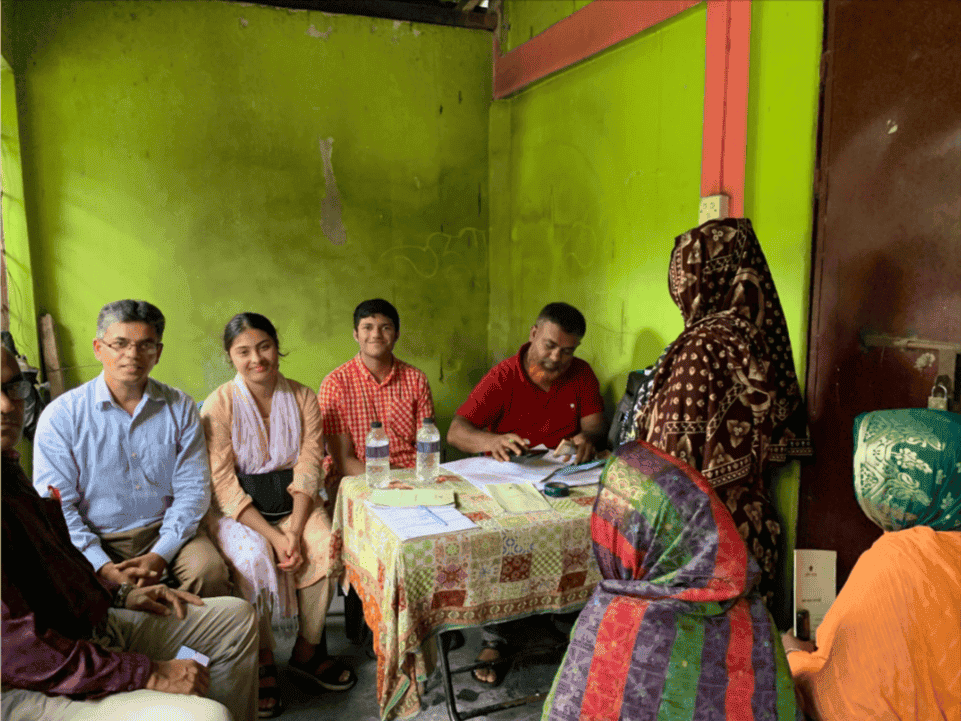
The evaluation surveyed 103 girls from the program’s third group of participants (Cohort 3), ages 13 to 21. Data collectors also interviewed community leaders, teachers and health facility staff and held focus groups with mothers and male peers. These discussions provided diverse, in-depth perspectives on how the project is challenging gender norms and reshaping attitudes toward girls’ education and early marriage in Kédougou. Through increased community support and girls’ confidence to make life decisions, the project aims to boost girls’ retention and graduation from secondary school.
Key results
Nearly all survey results showed improvements from baseline to midline.
— Girls who are better able to make choices about their future, like staying in school
— Baseline 31%
— Midline 63%
— Girls who feel confident in making decisions about whom and when to marry
— Baseline 29%
— Midline 62%
— Girls who report feeling supported by family members, teachers, peers and community to pursue their educational aspirations
— Baseline 49%
— Midline 90%
— Parents who support and allow girls to pursue their educational goals
— Baseline 49%
— Midline 91%
In focus groups, girls highlighted positive changes in themselves, including increased self-confidence, stronger public speaking skills and greater awareness of their rights. One girl shared, “I feel able to lead projects and mobilize other young people for important causes.” Another shared, “Now our parents are starting to understand the importance of letting young girls study.”
The community feedback also reflected this shift. A mother in Salemata village noted, “We are ready to support [our daughters], encourage them to go far in their studies and succeed in their lives.”
In a context where parents commonly marry girls off at an early age, the midline assessment results revealed an important shift in girls’ agency to prioritize education over marriage.
Sustainability and next steps
To ensure progress continues beyond the project, community stakeholders suggested further intensifying awareness-raising efforts on reproductive health and rights and increasing involvement of health workers, teachers and community leaders in the process. These efforts could also include actively involving boys and men to promote gender equality, advocating for local authorities to improve community infrastructure — such as street lighting — and supporting parents and girls with small business initiatives to help cover education costs.
Along these lines, Plan has developed a sustainability plan that prioritizes community leadership in promoting girls’ rights. This includes an alumni organization with an action plan that features peer mentoring, participation in International Day of the Girl, representation at national youth federations and collaboration with Guinea on cross-border initiatives for girls’ rights. The alumni organization will enable graduates to continue advocating for their communities while building valuable leadership experience.
A final evaluation in May 2025 will measure the effectiveness of these sustainability efforts, assessing whether local stakeholders are equipped to sustain these initiatives independently.
This evaluation underscores a critical lesson: when girls are active participants in shaping solutions, programs become more impactful, sustainable and transformative — not just for them, but for their entire communities. With sustained community engagement, these initiatives pave the way for lasting change in Kédougou and set a powerful precedent for similar programs across Senegal.
For more articles of this nature, sign-up to receive From Plan to Action, a quarterly newsletter highlighting Plan International USA’s technical work.