Search Results

Search results for

0 result(s) found

Frank Manfredi (he/him) is the vice president for humanitarian programs at Plan International USA,Ā an international humanitarian and development organization that that advances children’s right and equality for girls. With more than 85 years of experience, Plan works to transform lives in over 80 countries.

In his role at Plan, Frank oversees a team that works with Plan staff and communities around the world to respond to humanitarian crises and to help those communities build resilience against future potential disasters. He has supported disaster responses across Africa, Asia, the Pacific and the Americas, including multiple field deployments. Prior to inaugurating Plan’s disaster risk management team in 2009, Frank served as Plan USA’s program officer for Asia. He began his work with Plan as a sponsor relations representative.

Prior to joining Plan more than two decades ago, Frank served with the International Rescue Committee’s Joint Voluntary Agency in Thailand, where he worked in refugee processing. As aĀ Franklin Fellow, he also worked as the humanitarian assistance coordinator in the Office of the Director of U.S. Foreign Assistance from 2008-2009.

Frank holds a bachelor’s degree in government from Harvard College and a master’s degree in political science (international relations and comparative politics), with a concentration in Southeast Asia studies, from Northern Illinois University.


 

Frank Manfredi headshot

Malika DiaĀ is an Associate Strategy Officer at the Gates Foundation, where she works on foundation strategy development and revision. She began her career at BCG, spending nearly three years in the DC and NYC offices focused on social impact work with multilateral organizations, government agencies and foundations. She then moved to London, where she spent a year and a half as Humanitarian Strategic Operations Manager at Plan International, helping build out the organization’s humanitarian portfolio and advancing strategic and operational process improvements.

Malika holds a BA/MA in International Studies from Johns Hopkins SAIS. Born in DC, she has also lived in Tunisia, Burkina Faso, the Democratic Republic of Congo and Massachusetts — an upbringing that shaped her lifelong curiosity about the world and commitment to international development. Her time with Plan International began while she lived in Burkina Faso, where she fundraised for the Because I am a Girl campaign; and she has been a Plan supporter ever since.

Outside of work, Malika is an enthusiastic traveler, a fan of poetry, pottery and soccer. She’s thrilled to bring her experience full circle by re-joining Plan International’s board.

Malika Dia headshot

How to Help Nepal Flood Victims

By Jonathan Wolfe

More than 1,000 people have been killed in a Himalayan landslide and flooding, and thousands of others are unaccounted for. In this New York Times article by Jonathan Wolfe, humanitarian organizations taking action in Nepal, including Plan International, are highlighted.

The New York Times logo
Plan International staff member distributing resources.
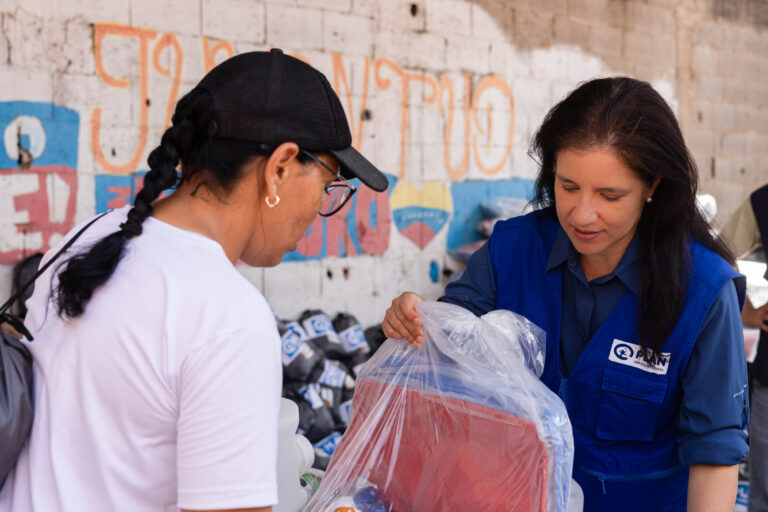
Plan staff distribute hygiene kits to families who lost their homes from an earthquake in Venezuela.

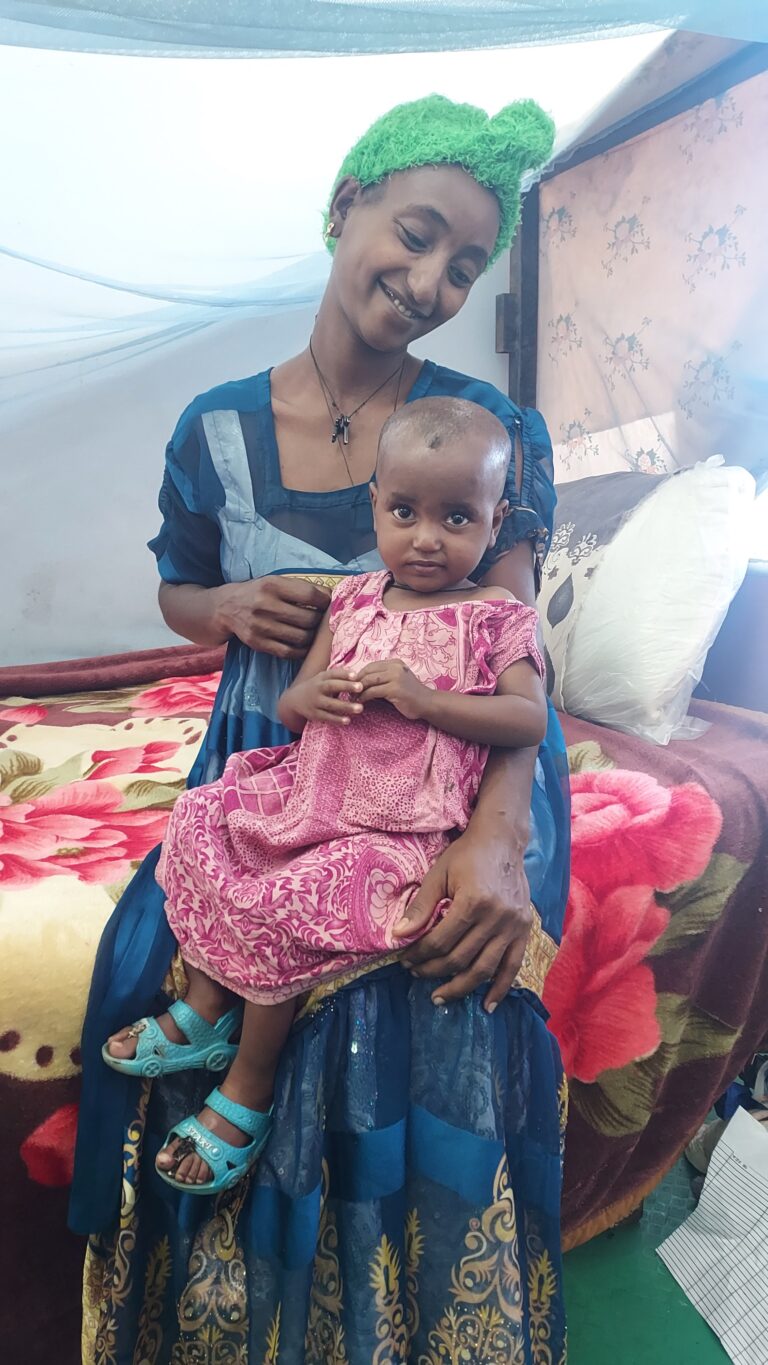
On a hot day in Amhara, Ethiopia, Tihtina, a two-and-a-half-year old girl, arrived at a health center with her mother. Tihtina weighed barely 15 pounds and was critically ill.

ā€œI was giving up about my daughter’s life,ā€ her mother said. ā€œShe was on the way to dying.ā€

For families like hers, accessing food and healthcare has been challenging since armed conflict started in 2021. This conflict has displaced whole communities, interrupted the ability to grow food and made it difficult to find jobs, as many businesses were forced to close. Before the conflict started in the region, health services were already limited and this has further strained them, making it even harder for families to get the care they need.

When Tihtina’s condition worsened, her mother sought help at the nearest health center.

There, newly trained health workers quickly recognized that Tihtina was suffering from severe malnutrition and other health conditions. They rushed into action, providing the lifesaving treatment that Tihtina needed to survive.

This commitment to helping children and families in crisis — often under dangerous conditions — is exactly why World Humanitarian Day exists.

What is World Humanitarian Day?

Every year on Aug. 19, we honor the aid workers, health professionals, community volunteers and other frontline responders who help people survive floods, earthquakes and wars, and begin to rebuild their lives. Whether they are treating malnutrition, providing clean water, protecting children or helping families recover from crises, their work brings hope when people need it most.

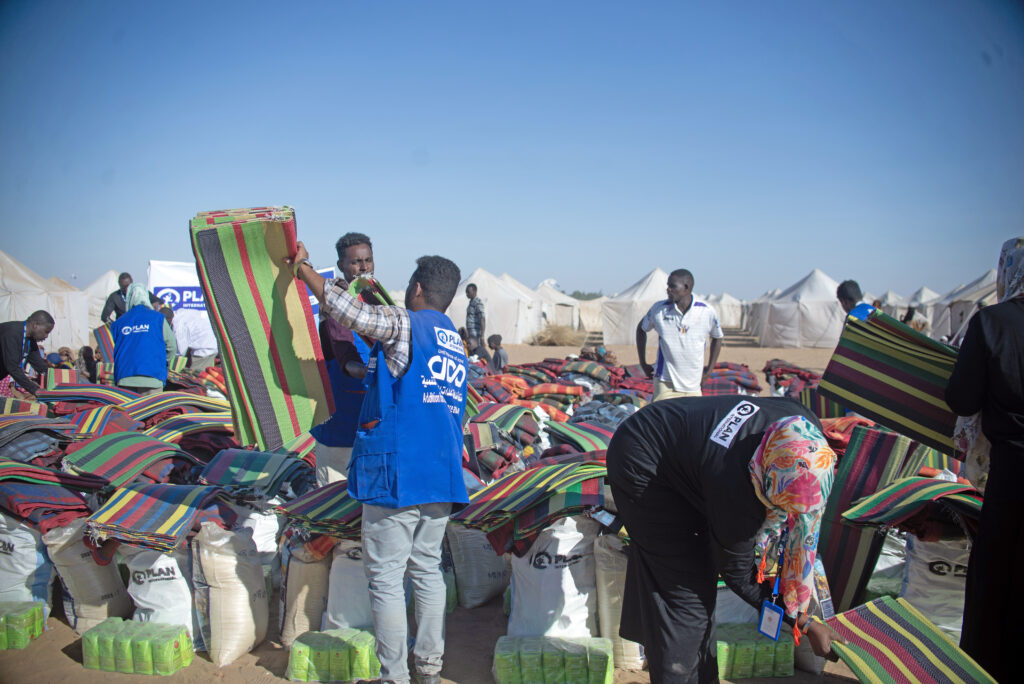
Plan humanitarian workers prepare food, blankets and sleeping mats for families in displacements camps in Sudan.

Plan International humanitarian workers are among those first responders. In the past year alone, they supported communities affected by more than 70 conflicts and natural disasters around the world. Plan staff wear blue vests, making them easily recognizable to community members in times of crisis.

On a recent trip to Guatemala, Shanna Marzilli, CEO at Plan International USA, met with local community members. They told her that seeing the blue Plan vest brings a sense of reassurance in uncertain times. To them, it represents the knowledge that they are not facing challenges alone.

For families facing crisis, that hope can change the course of a child’s life, as it did for Tihtina.

Why it matters

During the two weeks that Tihtina stayed at the health center, she received therapeutic feeding, and her health complications received treatment. Her mother was provided with accommodation, meals, counseling and nutrition education to help care for her children at home.

ā€œNow, she is healthy, well-nourished and happy,ā€ her mother said. ā€œPlan International played a significant role by providing free treatment and support for our community.ā€

Tihtina’s story is one of many, but for her family, it means everything. Ā Ā 

Behind stories like hers are humanitarian workers who show up every day in some of the world’s most challenging places. On World Humanitarian Day, we celebrate their dedication and courage, and we recognize the difference they make for girls and families facing crises.

In Amhara, Plan has restaffed and equipped medical centers so girls like Tihtina can receive care. In addition, food is given to families, and job training is offered to help families return to normal as the conflict starts to wind down. Plan is there to support families through crisis and as they rebuild their lives.

Because of their work, more children like Tihtina have the chance to not just survive, but to thrive.

Right now, children around the world are facing conflict, hunger and disaster. Your gift helps Plan International respond quickly, supporting trained local health workers and delivering critical services where they’re needed most. Donate today in honor of World Humanitarian Day to help more children like Tihtina access lifesaving care and build a healthier future.

Plan International staff member distributing resources.

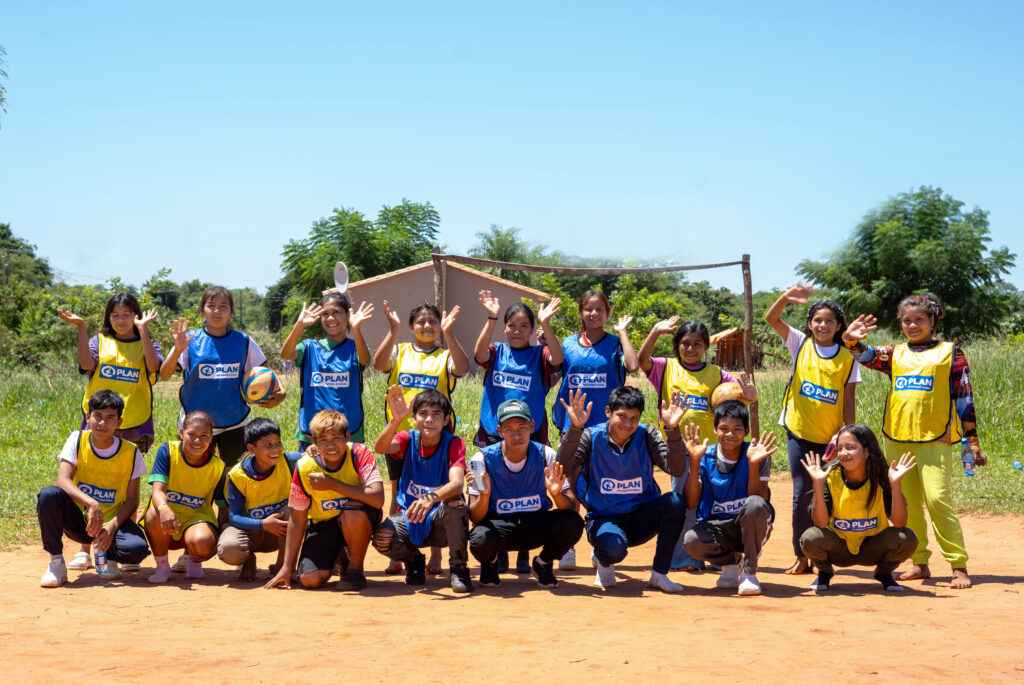
Girls in Paraguay are using soccer to challenge gender stereotypes. Through the Joaju League, they're building confidence, skills and new opportunities.

As Dana and Lisa step onto the soccer field, they no longer hear the voices that once told them that the game was only “for boys.” Instead, they hear their teammates — girls and boys — cheering them on from the sidelines.

In Paraguay’s indigenous communities, girls like Dana and Lisa are challenging long-held beliefs about who belongs on the soccer field. Through the Joaju League, they are building confidence, developing new skills and creating more equal opportunities for girls through sports.

Joaju meansĀ “to be united with a common purpose”Ā in GuaranĆ­, a fitting name for a program that brings together 90Ā girls and boysĀ to playĀ soccer, strengthen their wellbeing and learn new ways to support themselves and one another.Ā 

Girls in the Joaju League on the soccer field.
Through teamwork and shared experiences, participants of the Joaju League are helping to create more inclusive communities, on and off the soccer field.

More than a game

For many girls, the Joaju League is the first opportunity they ever had to play a sport. But the impact reaches far beyond the field. Alongside every training session, participants take part in workshops on emotional wellbeing, self-care,Ā safetyĀ and children’s rights. The program helps young people buildĀ the confidenceĀ toĀ participateĀ in decisions that affect their lives while fostering safer, more supportive communities.

"Football is my passion, It makes me happy, helps me make new friends and makes me feel good. My dream is to become a professional footballer."

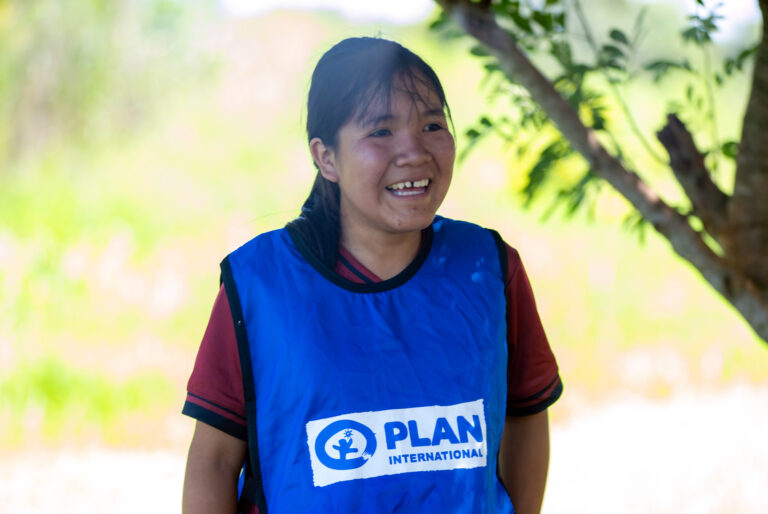
Girl wearing soccer jersey with Plan International logo
With support from the Joaju League, Dana is challenging gender stereotypes and pursuing her dream of becoming a professional soccer player.

Changing attitudes, creating opportunities

For Lisa, one of the most meaningful changes has been seeing attitudes shift among her peers. She says:

"The boys have now accepted me playing with them. When we come to the pitch, we feel free. We all have the same rights and opportunities to play football."

Lisa’s experience reflects a broader transformation taking place through the program. By creating opportunities for girls and boys to learn and play together, Joaju is helping challenge harmful gender norms and fostering a culture of equality and respect.

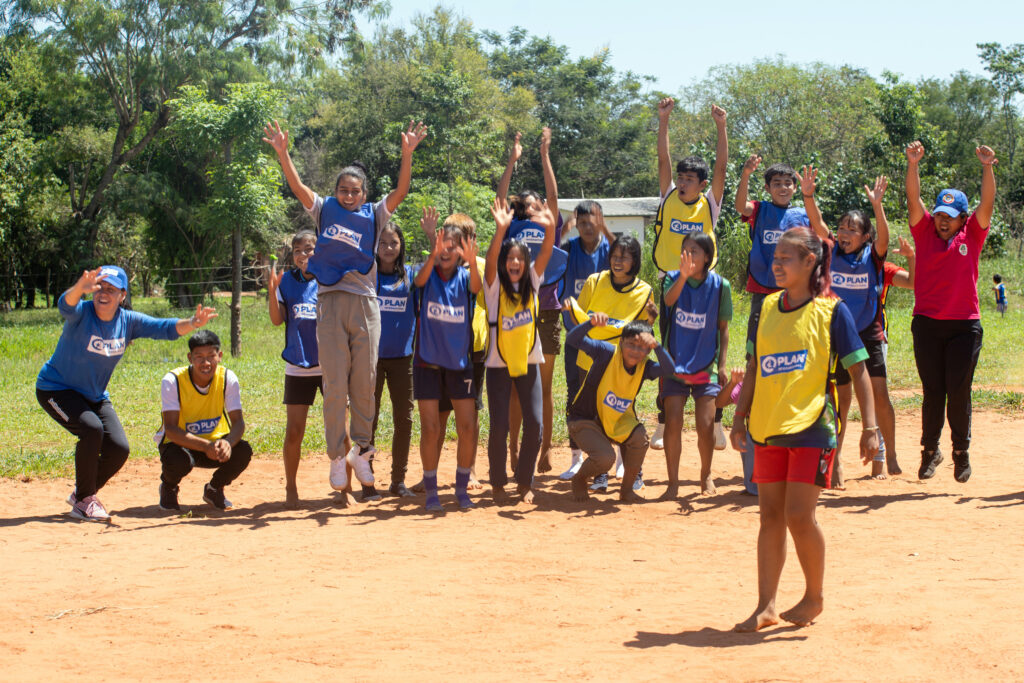
People cheering during a soccer game.
Every goal scored is a reminder that when girls are given the chance to shine, they will achieve extraordinary things.

Supporting a more equal future for girls

Young people like Dana and Lisa are showing that when girls have the opportunity to play, lead and be heard, they can redefine what’s possible for themselves and their communities. Through teamwork and determination, they are building a more equal future — on and off the field.Ā 

You can give this opportunity to more girls. With your support, girls can access safe spaces to play, learn valuable life skills and build the confidence to shape their own futures.

Girls in the Joaju League on the soccer field.

Alex Russu is the interim Chief Financial Officer at Plan International USA, an international humanitarian and development organization that advances children’s rights and equality for girls. With more than 85 years of experience, Plan works to transform lives in over 80 countries.

In his current role, Alex oversees the budget, financial filings, audits, 401k investments and monthly reporting. Through these responsibilities Alex manages a team of financial experts to ensure all reporting, tracking and filing processes run smoothly and according to required regulations and GAAP standards.

Since joining Plan in 2011 as the Finance Controller, Alex has also been the Director of Finance and the Senior Director of Finance. During this time, he received a USAID Management certification from Inside NGO. Prior to his time at Plan, Alex was an auditor at PriceWaterHouseCoopers where he worked with large multinational clients.

Alex holds a bachelor’s and master’s degree from Bryant University. He received his Certified Public Accountant license in 2010 and is a member of the American Institute of Certified Public Accountants.

Alex resides in Providence, Rhode Island and is on the board of his church where he serves as the treasurer.

Alex Russu headshot
Plan International Peru logo

The Nuevas Reglas (New Rules) project, developed by Plan International in collaboration with Kotex, strengthens menstrual hygiene in schools across Lima and Piura.

As part of its commitment to the right to dignified menstrual health, Plan International Peru, in partnership with Kimberly-Clark and its Kotex brand, distributed menstrual hygiene kits to schools in Lima and Piura through the Nuevas Reglas project. The initiative benefited more than 8,000 girls and adolescent students, from fourth grade through twelve grade.

The donated kits included sanitary pads, liquid soap, and toilet paper– essential supplies for ensuring proper hygiene and well-being in the school environment. According to members of the educational community, the initiative has had a significant impact.

ā€œThanks to this donation, students know they can turn to their teachers in case of any emergency This helps prevent school absenteeism and gives them greater peace of mind and confidence — "

said the principal of an educational institution in Villa El Salvador, a district where two out of every ten students miss school due to menstruation. She also emphasized that this intervention helps reduce the economic barriers some families face in obtaining menstrual hygiene products on a regular basis, a challenge that in some cases has led to school absences.

Stephania Lozano, the project’s coordinator, highlighted that the distribution of kits is part of a broader education and awareness-raising strategy:

"Ensuring access to menstrual hygiene products is a key measure for the well-being, health, and school retention of girls and adolescents. Through Nuevas Reglas, this initiative is complemented by educational processes aimed at breaking myths and promoting informed and dignified menstrual health."

Milovan Bojovic, Kotex Brand Manager for the Andean Region, noted that:

ā€œPeriods are a natural part of life and should not become an obstacle for adolescent girls. At Kotex, we strive to support them with information and resources that enable them to manage their menstrual cycle with greater confidence and security.ā€

Through this initiative, Plan International Peru reaffirms its commitment to working alongside educational communities, local authorities, and social actors such as Kimberly-Clark to ensure that menstruation is not a cause of exclusion, but rather a topic addressed through information, respect, and shared responsibility.

Leila Zak is a student activist at Duke University from Hong Kong and Chicago, Illinois, majoring in Political Science and International Comparative Studies. She devotes her work and care to the advancement of (im)migrant rights, gender-equitable education, community-led peacebuilding and intersectional solidarity.

Leila is a leader at Flowers for the Future, an international initiative which provides education to young women in Afghanistan who are systematically denied it, in collaboration with a clandestine learning center in Kabul. On campus, she is the co-President of Beyond Borders, Duke’s advocacy organization for immigrants, refugees and asylum-seekers. She coordinates action through community education, Know Your Rights workshops, collaborations with local and national nonprofits, storytelling and legislative advocacy. Leila has had the privilege of interpreting for legal appointments, operating Siembra NC’s hotline to provide support in cases of detention and wage theft, and leading advocacy and mutual aid efforts to support staff at Duke impacted by the termination of Temporary Protected Status.

Having grown up in Hong Kong, Leila is an advocate against authoritarianism and state violence in her hometown(s) and across the world. She speaks Cantonese, Spanish and Mandarin, while currently learning Persian.

Supported by Davis Projects for Peace, she is currently co-creating a long-term peacebuilding project in CaquetĆ”, Colombia, collaborating with local leaders to translate bottom-up practices of collective resource management, memory preservation, and environmental peacebuilding into municipal educational infrastructure. Leila is passionate about countering the structural violences that produce silence, ā€œillegality,ā€ disappearance, and preventable death. She views writing, education, and human-centered policy as channels for memory and repair; her creative work has been honored by the Pulitzer Center.

Quote: “I’m grateful to represent the communities I care for and which nourish me through the Youth Advisory Board. Alongside such a lovely team, I’m excited to bring all of myself and the on-the-ground experiences I have into projects and advocacy with Plan for a more compassionate world.”

Leila Zak headshot