A Donor Advised Fund is a charitable giving account you’ve already funded. If you already have a DAF, recommending a grant to Plan International USA is a simple way to support children around the world.
Benefits
Direct funds you’ve already set aside to make an impact for children today.
Recommend your gift in minutes, with no added cost or paperwork.
Skip an extra tax step: your original contribution was already deductible.
A tax-smart way to lower your taxable income while giving
If you are age 70½ or older, a qualified charitable distribution (QCD) lets you make a tax-efficient gift directly from your IRA to support children around the world through Plan International USA. QCDs can count toward satisfying your Required Minimum Distribution for the year.
Benefits
Reduce your taxable income, even if you don’t itemize deductions.
Count the gift toward your Required Minimum Distribution (RMD), if applicable.
Give directly from your IRA, at no additional cost to you.
How it works
Contact your IRA administrator to request a QCD.
Your IRA custodian will send the gift directly to Plan International USA.
Every donor's situation is unique. Whether you're exploring options or already have plans in place, we're happy to answer your questions, without obligation.
Plan International USA Inc. is a 501(c)(3) public charity. EIN: 13-5661832.
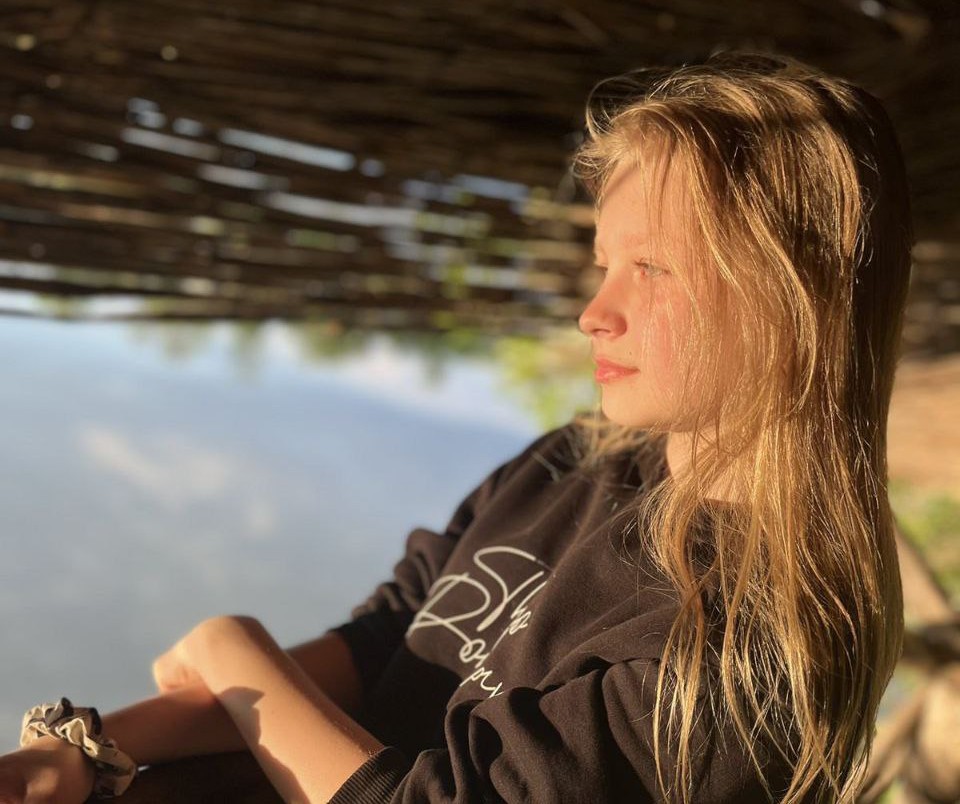
Polina, 12, dreams that the war will end in Ukraine
The International Day of Peace celebrates peace as a vital precondition for people to flourish. But what does peace mean for the more than 20 million children who live every day in the shadow of war?
The next year was one of the most violent since the Cold War, with 65 active conflicts across 35 countries, in which 255,000 people were killed. The same year recorded 75 non-state conflicts that killed 14,500 people, while some 756 million women — about one in five — lived near deadly conflict, triple the number in 1990.
For more and more children and young people globally, every day is another 24 hours simply to endure, while learning, playing and growing take a backseat. These are children who try to sleep through blasts of gunfire, live without enough food or water and stand by or hide as loved ones are kidnapped, killed or wounded. They’re often forced to flee with only what they can carry.
In 2024, Plan International asked nearly 10,000 young people living amid conflict what war was doing to their lives and what they hoped their futures might hold. The report that research produced, Still We Dream: Girls and young people living through conflict, drew from those surveys across 10 countries and included more than 100 in-depth interviews with young people in Ethiopia, Cameroon, Colombia, and the Philippines.
More than half the respondents said they had missed school because of conflict and lived in constant worry. Nearly half reported limited access to food and water. More than a quarter said sexual and gender-based violence was a daily risk. Nearly one in five had been asked to join or support an armed group.
Polina, 12, lives near the front lines of fighting in Ukraine’s war with Russia, near the northeastern city of Kharkiv. Air raids and missile strikes forced her school to move classes online, where power cuts and blackouts often mean no classes at all.
“I miss the regular, in-person lessons,” Polina says. “Of course, when you study online, you can be less stressed, you can get up later, but I like going to school better. I even miss going to the blackboard. I miss meeting my friends there.”
With many schools closed and the public after-school center destroyed, extracurricular activities are also suspended, sharply curbing the time students can spend together.
This is the reality of growing up in war for hundreds of millions of children globally.
The rest of the story
But those numbers tell only part of the story.
These children and young people yearn for peace and security, but they also dream of growing up, making their families proud and pursuing lives and careers they love. They imagine a future in which they’re teachers, doctors, photographers, peacebuilders and agents of change.
With support, they can be the children they still are.
In Ukraine, with Plan International’s support, Polina now attends a safe learning space, which provides educational and psychosocial support to children. There, children can receive speech therapy, take catch-up classes and join sessions aimed at helping children cope with the trauma of war.
“Every day I go there to play games with my friends, draw and take catch-up math lessons that really help me learn better,” she says. Polina finds the program helpful and hopes for a career in photography, which she believes would allow her to see the world from different points of view. She dreams all her loved ones are safe.
“When I first arrived in 2015, I didn’t think I could make a difference,” she says. “But now I believe I can help others do the same… I want to be a leader in the future.”
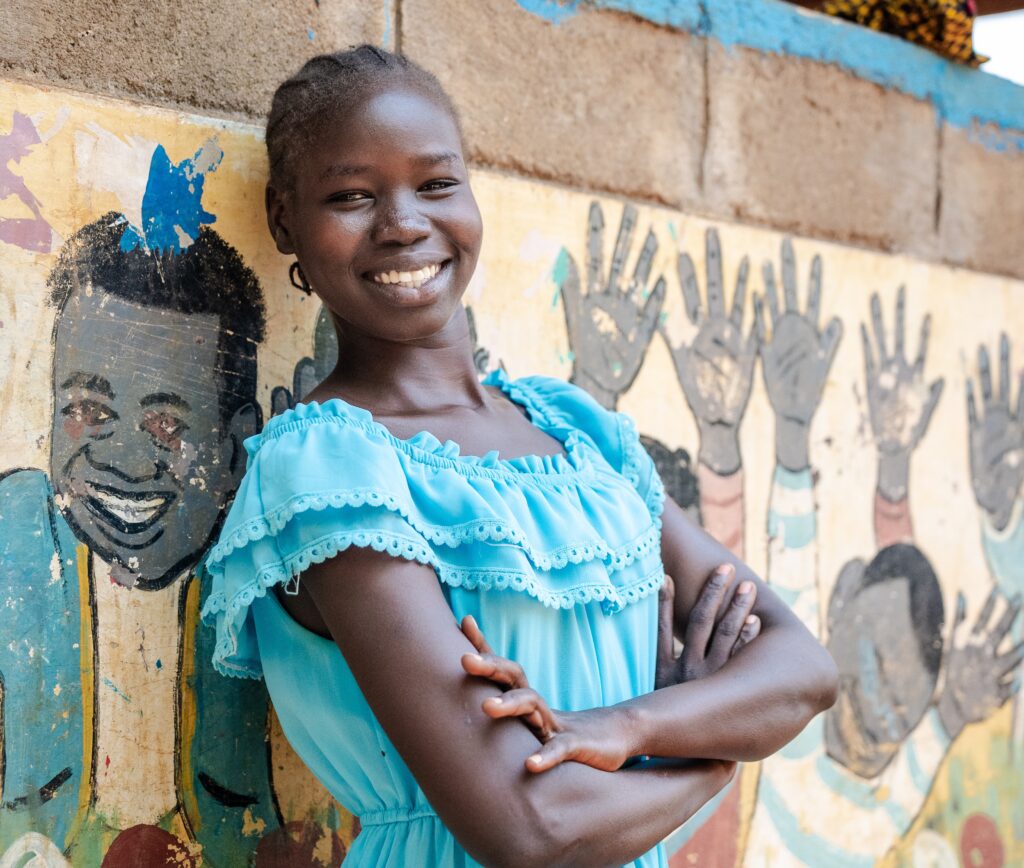
Nyabhan, 19, is empowering young people to lead and create change
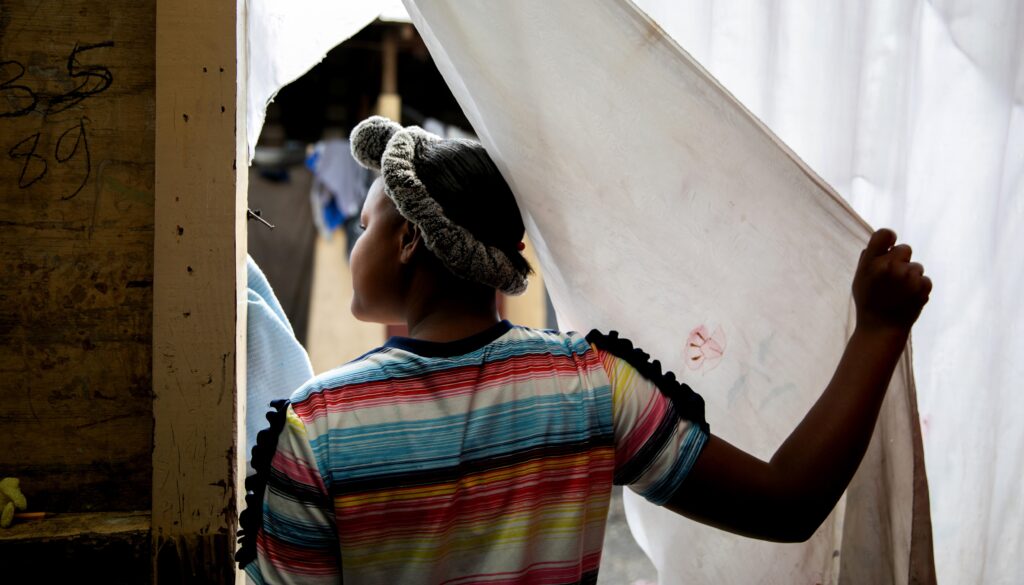
In Haiti, Lovelie recalls how she and her family fled their home as armed groups spread through their community. From that moment, their secure and comfortable family life became a succession of temporary shelters. “Armed men started arriving, and we ran,” she says.
Lovelie survived gender-based violence during their escape, which impacted her deeply. But she remains focused on her future. “My first dream is to make my mother proud of me. For my second dream, I want to learn to trade. And third, I want to live well.”
Lovelie*, 17, lives with her family in an IDP camp in Port-au-Prince
“Peace is the greatest thing in the world,” Addi, a young man from Ethiopia, told Plan International researchers who interviewed him for our 2024 report. “Let us preserve it together.”
On this International Day of Peace, we can’t imagine a better wish.
Malika Dia is an Associate Strategy Officer at the Gates Foundation, where she works on foundation strategy development and revision. She began her career at BCG, spending nearly three years in the DC and NYC offices focused on social impact work with multilateral organizations, government agencies and foundations. She then moved to London, where she spent a year and a half as Humanitarian Strategic Operations Manager at Plan International, helping build out the organization’s humanitarian portfolio and advancing strategic and operational process improvements.
Malika holds a BA/MA in International Studies from Johns Hopkins SAIS. Born in DC, she has also lived in Tunisia, Burkina Faso, the Democratic Republic of Congo and Massachusetts — an upbringing that shaped her lifelong curiosity about the world and commitment to international development. Her time with Plan International began while she lived in Burkina Faso, where she fundraised for the Because I am a Girl campaign; and she has been a Plan supporter ever since.
Outside of work, Malika is an enthusiastic traveler, a fan of poetry, pottery and soccer. She’s thrilled to bring her experience full circle by re-joining Plan International’s board.
More than 1,000 people have been killed in a Himalayan landslide and flooding, and thousands of others are unaccounted for. In this New York Times article by Jonathan Wolfe, humanitarian organizations taking action in Nepal, including Plan International, are highlighted.
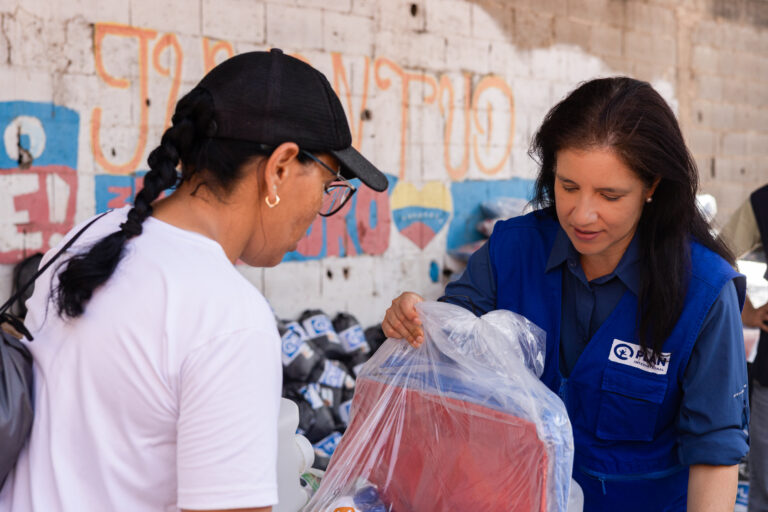
Plan staff distribute hygiene kits to families who lost their homes from an earthquake in Venezuela.
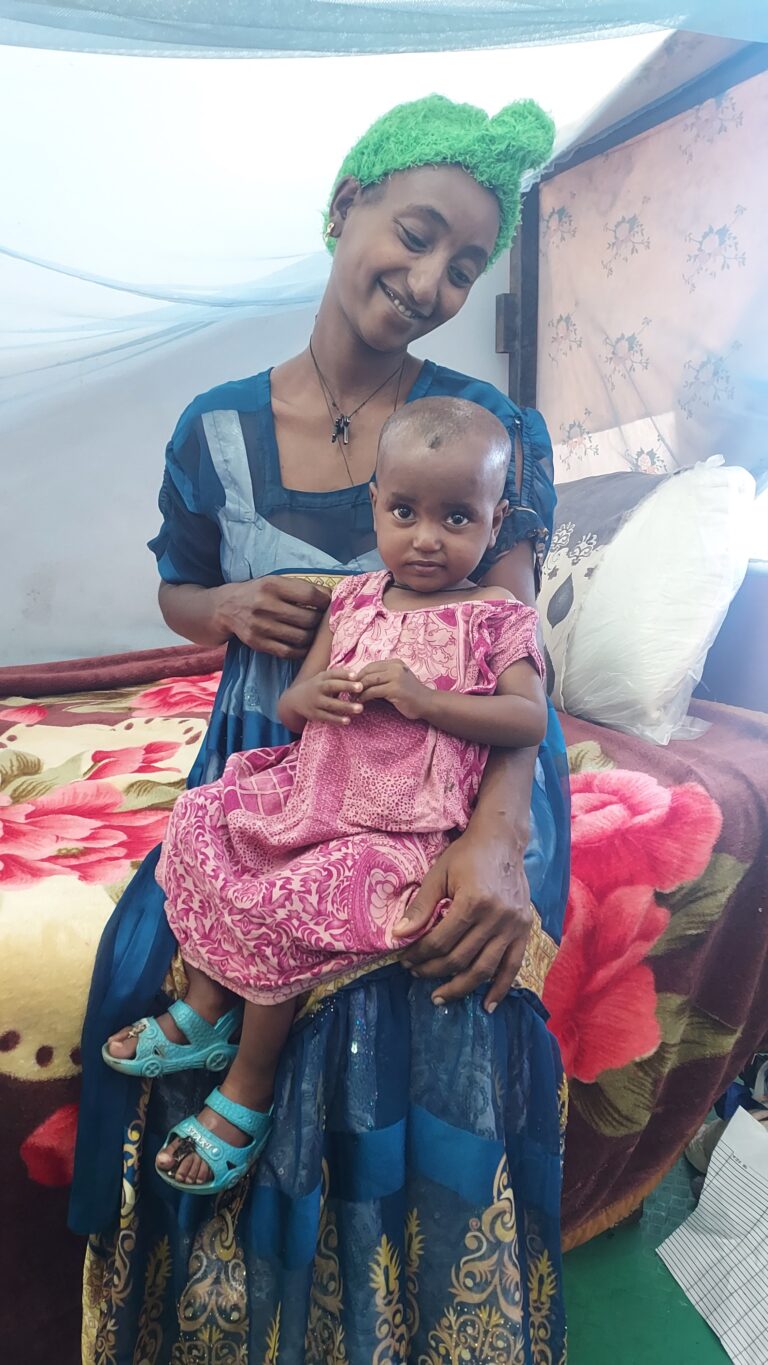
On a hot day in Amhara, Ethiopia, Tihtina, a two-and-a-half-year old girl, arrived at a health center with her mother. Tihtina weighed barely 15 pounds and was critically ill.
“I was giving up about my daughter’s life,” her mother said. “She was on the way to dying.”
For families like hers, accessing food and healthcare has been challenging since armed conflict started in 2021. This conflict has displaced whole communities, interrupted the ability to grow food and made it difficult to find jobs, as many businesses were forced to close. Before the conflict started in the region, health services were already limited and this has further strained them, making it even harder for families to get the care they need.
When Tihtina’s condition worsened, her mother sought help at the nearest health center.
There, newly trained health workers quickly recognized that Tihtina was suffering from severe malnutrition and other health conditions. They rushed into action, providing the lifesaving treatment that Tihtina needed to survive.
This commitment to helping children and families in crisis — often under dangerous conditions — is exactly why World Humanitarian Day exists.
What is World Humanitarian Day?
Every year on Aug. 19, we honor the aid workers, health professionals, community volunteers and other frontline responders who help people survive floods, earthquakes and wars, and begin to rebuild their lives. Whether they are treating malnutrition, providing clean water, protecting children or helping families recover from crises, their work brings hope when people need it most.
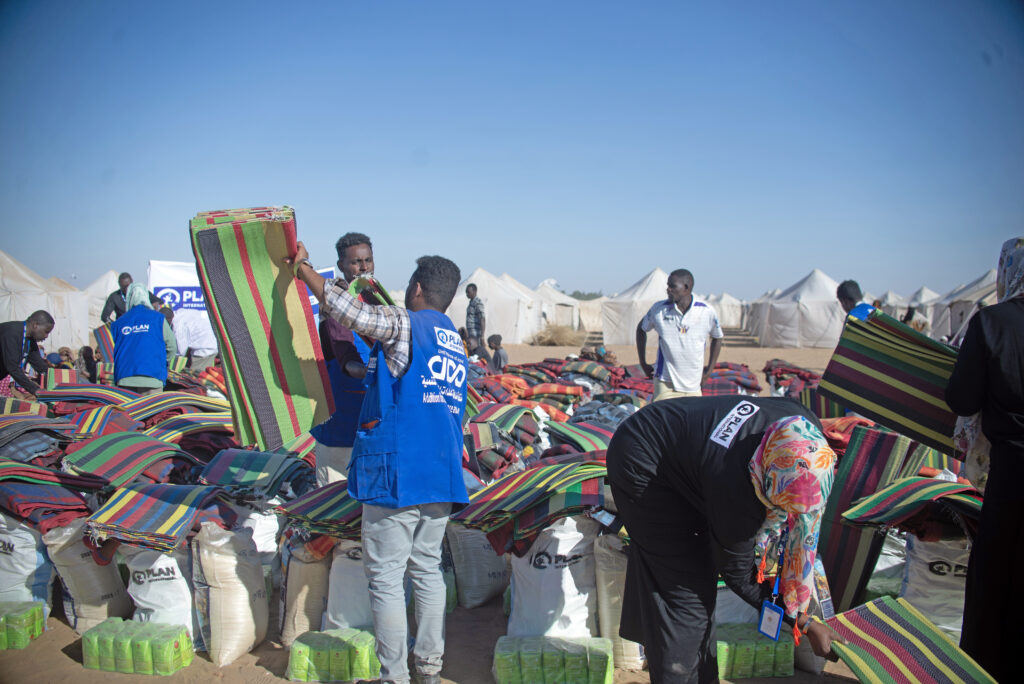
Plan humanitarian workers prepare food, blankets and sleeping mats for families in displacements camps in Sudan.
Plan International humanitarian workers are among those first responders. In the past year alone, they supported communities affected by more than 70 conflicts and natural disasters around the world. Plan staff wear blue vests, making them easily recognizable to community members in times of crisis.
On a recent trip to Guatemala, Shanna Marzilli, CEO at Plan International USA, met with local community members. They told her that seeing the blue Plan vest brings a sense of reassurance in uncertain times. To them, it represents the knowledge that they are not facing challenges alone.
For families facing crisis, that hope can change the course of a child’s life, as it did for Tihtina.
Why it matters
During the two weeks that Tihtina stayed at the health center, she received therapeutic feeding, and her health complications received treatment. Her mother was provided with accommodation, meals, counseling and nutrition education to help care for her children at home.
“Now, she is healthy, well-nourished and happy,” her mother said. “Plan International played a significant role by providing free treatment and support for our community.”
Tihtina’s story is one of many, but for her family, it means everything.
Behind stories like hers are humanitarian workers who show up every day in some of the world’s most challenging places. On World Humanitarian Day, we celebrate their dedication and courage, and we recognize the difference they make for girls and families facing crises.
In Amhara, Plan has restaffed and equipped medical centers so girls like Tihtina can receive care. In addition, food is given to families, and job training is offered to help families return to normal as the conflict starts to wind down. Plan is there to support families through crisis and as they rebuild their lives.
Because of their work, more children like Tihtina have the chance to not just survive, but to thrive.
Right now, children around the world are facing conflict, hunger and disaster. Your gift helps Plan International respond quickly, supporting trained local health workers and delivering critical services where they’re needed most. Donate today in honor of World Humanitarian Day to help more children like Tihtina access lifesaving care and build a healthier future.
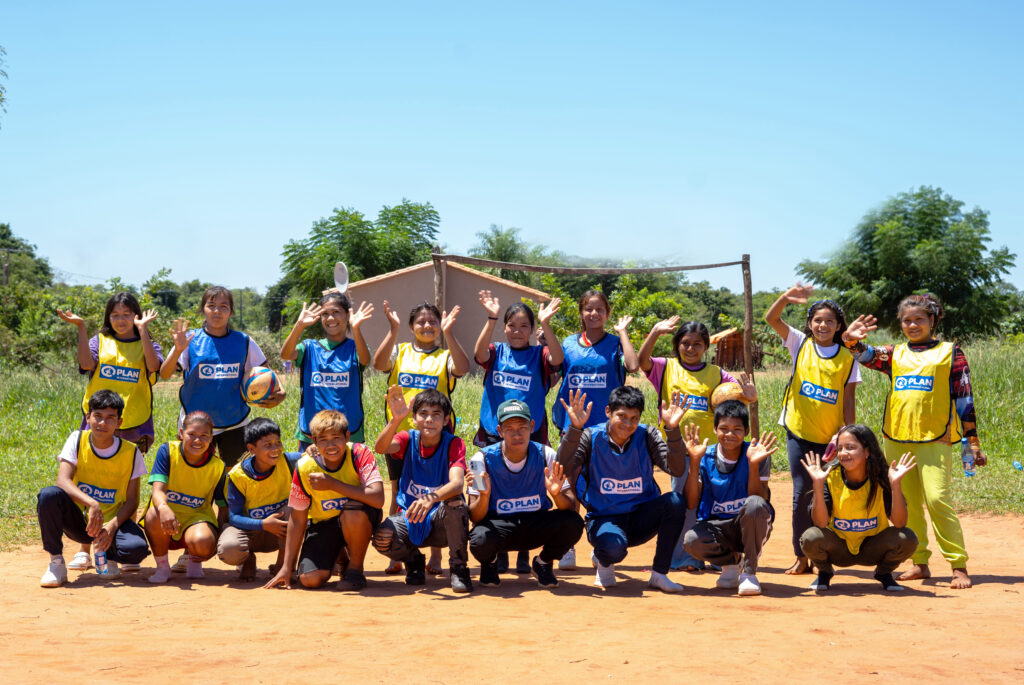
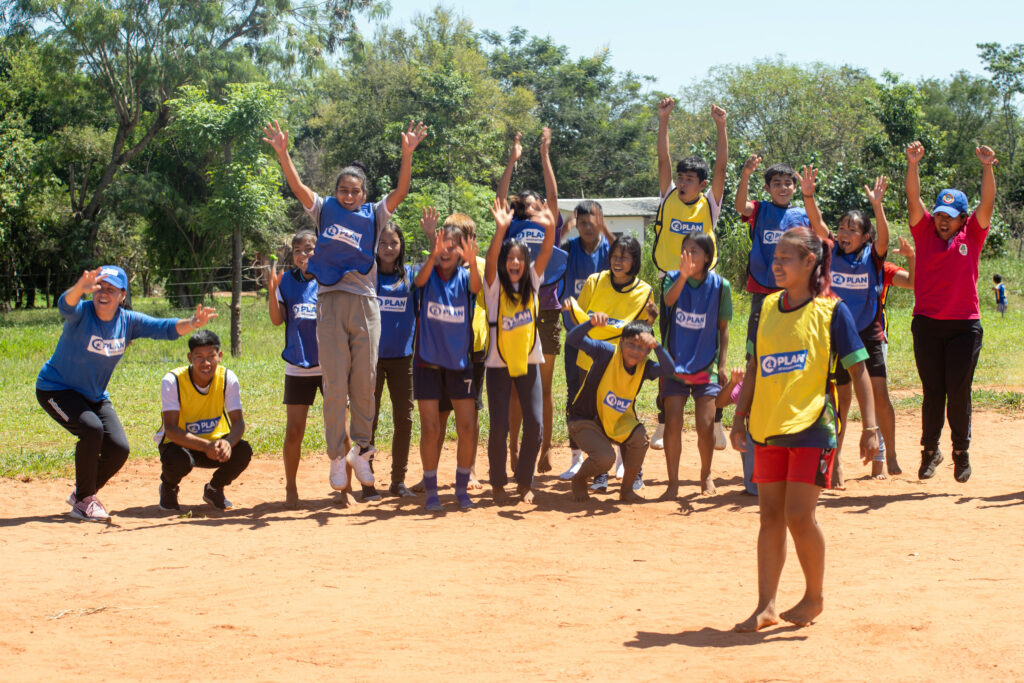
Girls in Paraguay are using soccer to challenge gender stereotypes. Through the Joaju League, they're building confidence, skills and new opportunities.
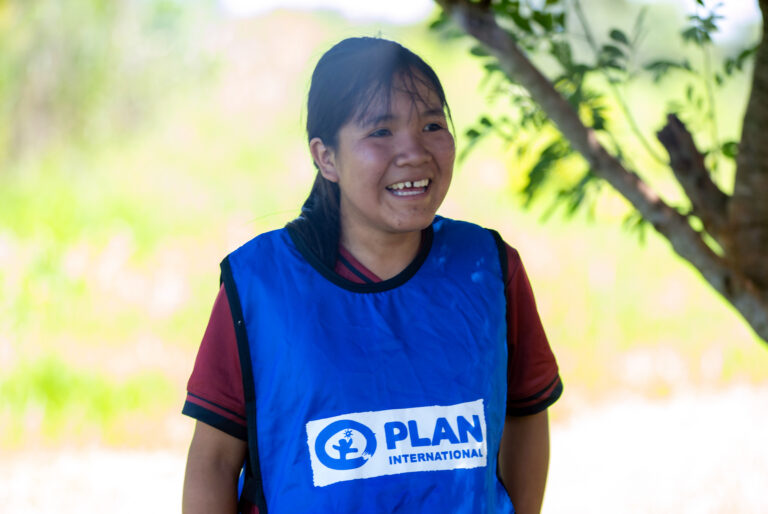
As Dana and Lisa step onto the soccer field, they no longer hear the voices that once told them that the game was only “for boys.” Instead, they hear their teammates — girls and boys — cheering them on from the sidelines.
In Paraguay’s indigenous communities, girls like Dana and Lisa are challenging long-held beliefs about who belongs on the soccer field. Through the Joaju League, they are building confidence, developing new skills and creating more equal opportunities for girls through sports.
Joaju means “to be united with a common purpose” in Guaraní, a fitting name for a program that brings together 90 girls and boys to play soccer, strengthen their wellbeing and learn new ways to support themselves and one another.
Through teamwork and shared experiences, participants of the Joaju League are helping to create more inclusive communities, on and off the soccer field.
More than a game
For many girls, the Joaju League is the first opportunity they ever had to play a sport. But the impact reaches far beyond the field. Alongside every training session, participants take part in workshops on emotional wellbeing, self-care, safety and children’s rights. The program helps young people build the confidence to participate in decisions that affect their lives while fostering safer, more supportive communities.
"Football is my passion, It makes me happy, helps me make new friends and makes me feel good. My dream is to become a professional footballer."
With support from the Joaju League, Dana is challenging gender stereotypes and pursuing her dream of becoming a professional soccer player.
Changing attitudes, creating opportunities
For Lisa, one of the most meaningful changes has been seeing attitudes shift among her peers. She says:
"The boys have now accepted me playing with them. When we come to the pitch, we feel free. We all have the same rights and opportunities to play football."
Lisa’s experience reflects a broader transformation taking place through the program. By creating opportunities for girls and boys to learn and play together, Joaju is helping challenge harmful gender norms and fostering a culture of equality and respect.
Every goal scored is a reminder that when girls are given the chance to shine, they will achieve extraordinary things.
Supporting a more equal future for girls
Young people like Dana and Lisa are showing that when girls have the opportunity to play, lead and be heard, they can redefine what’s possible for themselves and their communities. Through teamwork and determination, they are building a more equal future — on and off the field.
You can give this opportunity to more girls. With your support, girls can access safe spaces to play, learn valuable life skills and build the confidence to shape their own futures.