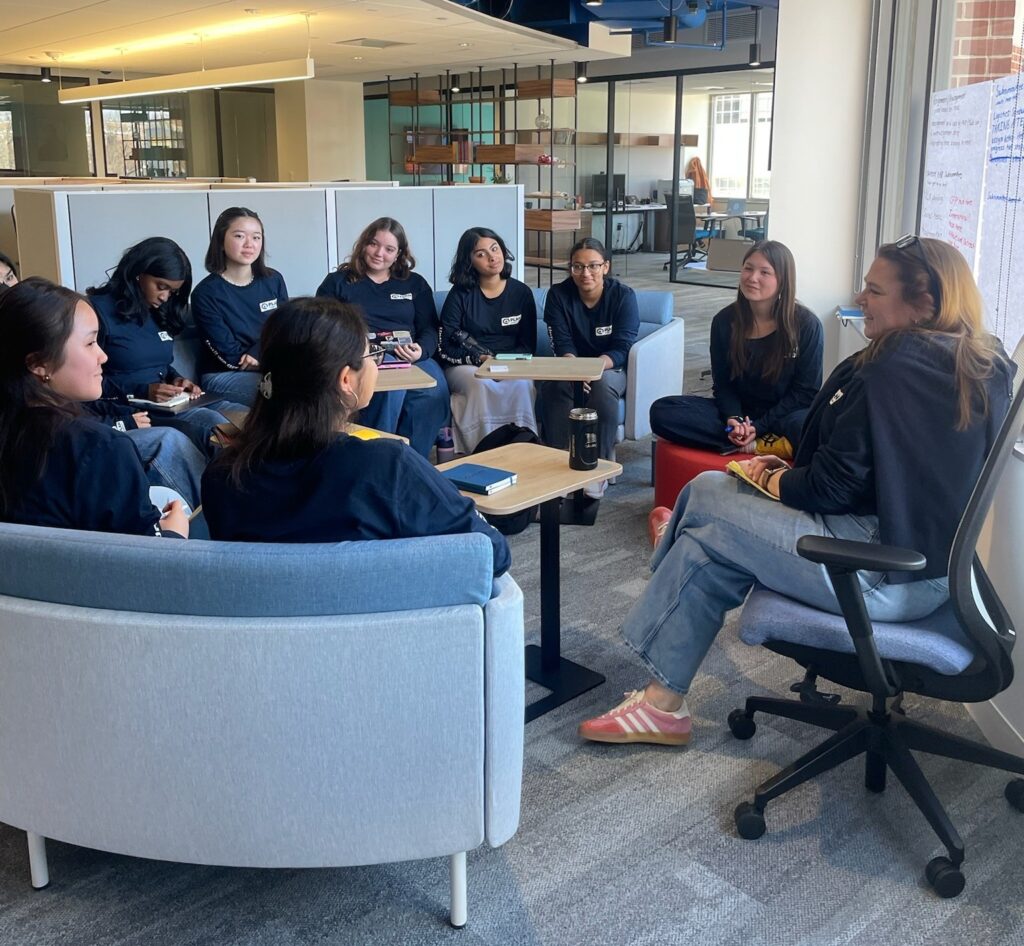
PROVIDENCE — “A lot of times, girls just feel like no one’s going to do anything, and no one is listening” when young people report sexual harassment or assault, one teenage girl told us. “And if no one does anything, there’s not even a reason to report it. I’ve seen that happen a lot.”
“It creates a sense where it’s normal,” said another, also interviewed for a new study by Plan International USA, “Listening to U.S. adolescents on gender & equality.” “When things do happen, [girls have] people around them and society telling them it’s not a big deal, or that their voice won’t be heard.”
As a result, a third girl said, “Their self-worth is lowered. They’re like, ‘Oh, I guess I’m just not that important’ — but that’s not true.”
These teenagers were part of a nationwide survey of 1,037 adolescents aged 10 to 19. Plan International USA, which I lead, commissioned the study to assess young people’s attitudes and experiences, including how they feel about gender equality, since our last U.S. survey eight eventful years ago.
Their comments aren’t outliers. They fit into a broader picture about what it’s like to grow up in America right now. Their words and their worries beg the question: When these young people are so candid about what’s making them feel unsafe, why aren’t we doing more to support them?
Multiple stressors, and some hope
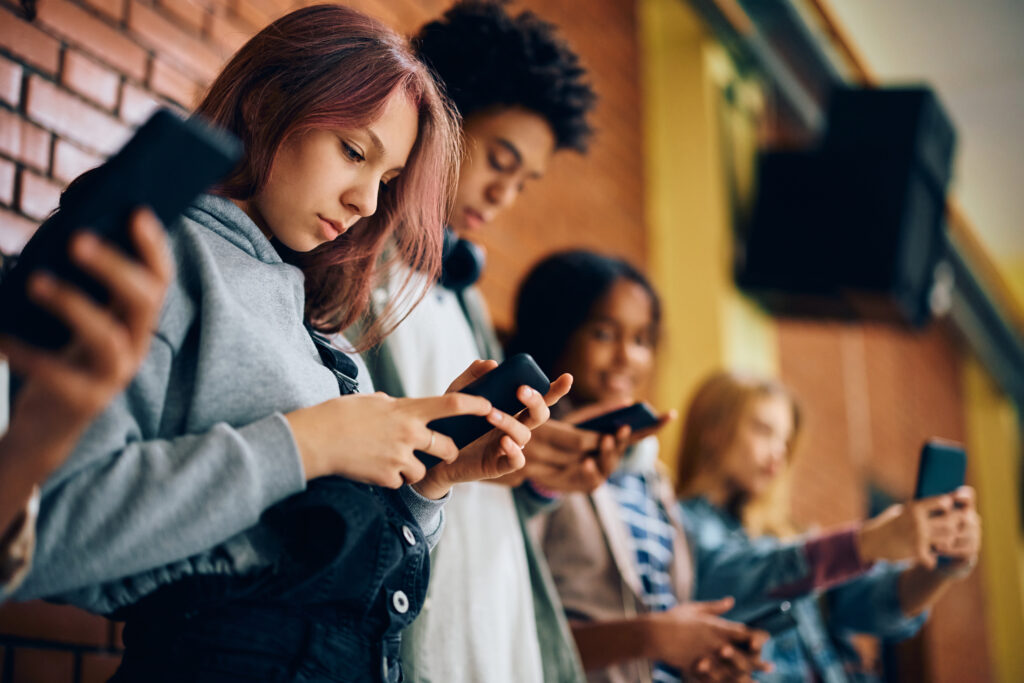
Young people today are coming of age in the grip of social media, AI-generated content, surging political violence and deep anxiety about how technology and global trends might decisively alter how they will live, study, vote and work, including whether they will be able to find work at all.
What we heard is both encouraging and deeply unsettling.
Young people still have hope. They want equality. Many see themselves as leaders. But they’re telling us that the world adults have built is making it harder for them to feel safe, speak freely and imagine their place in the future.
They struggle to fit in and look perfect on the outside while worrying about their mental health on the inside. They’re less interested in running for office and more focused on earning money than their elders.
Many feel stressed, anxious and vulnerable and believe they must shoulder responsibility for their own safety online. The burdens on girls are especially heavy, including pressure to keep their opinions to themselves for fear of a cruel backlash.
Among our findings, an overwhelming 94% believe women and men should be treated equally. But when asked whether that goal had been achieved, most said no. Other findings underscore the disconnect:
- Some 42% of older girls rated their mental health poorly, compared with 25% of older boys. Thirty-six percent of older girls on social media had experienced online sexual harassment.
- While eight in 10 adolescents say being their authentic selves is important, half of girls and more than one-third of boys reported choosing not to share their opinions online because they feared negative comments.
- Most teens distrust social media companies (62%) and government (73%) to take sexual harassment and assault seriously.
Taken together, those findings describe more than adolescent anxiety. They describe young people learning, remarkably early, that speaking up can impose a cost and that the institutions around them can’t or won’t — and overwhelmingly don’t — protect them when they need it.
This isn’t a story of despair. The young people we surveyed are still hopeful. They care deeply about equality and living authentically. What they want and need is a safe environment in which they can be themselves and flourish.
So what can we do?
Young people, we have learned, face pressures and have experiences online that differ sharply from those of adults. Parents and caregivers should listen to them and hear what they’re thinking and feeling every day. Honest conversations with them can be challenging, but they are necessary.
Overwhelmingly, young people tell us they trust their parents and guardians — so it’s especially important to remain open to hearing things that make us uncomfortable, involve rule-breaking or challenge family norms: Listening calmly can help contain and prevent problems from growing bigger than kids can solve. And make sure they know how to report harmful behavior and where to turn for help.
Policymakers and technology companies should make young people’s safety a starting point in policy and product design, not an afterthought. Teachers, coaches and other trusted adults should create and sustain environments where young people know they will be seen, heard and taken seriously when they speak up. Don’t dismiss their concerns with phrases like “boys will be boys” or tell young people that what happens online doesn’t matter at school or at sports practice.
Future stakes
Ensuring the well-being of young people is vital in itself. Whether we achieve it will also decisively impact the society the next generation will soon inherit and ultimately lead.
Democracies thrive when citizens feel empowered to use their voices and votes. Economies thrive when talent and innovation, wherever they’re found, can flourish, and when opportunities are accessible to all. Communities are strong and resilient when their members feel included, supported and safe.
The challenges we face are simply too many and too big to solve without drawing on all the talent, productive energy and innovation that all young people have to offer.
For its part, Plan International USA is working in the United States and around the world to support and engage young people and ensure girls have equal opportunities to participate, lead and thrive. This month, we relaunched Because I Am a Girl, a global movement rooted in the belief that when girls are able to learn, lead, decide and thrive, everyone benefits.
The young people in our study were clear about what they’re experiencing, what worries them and what they want their futures to look like. Now it’s our turn to listen and act. When they feel safe, heard and valued, they won’t just imagine a better future — they’ll build it.
Shanna Marzilli is President and CEO of Plan International USA, a global humanitarian and development organization that advances children’s rights and equality for girls.