Search Results

Search results for

0 result(s) found

iHeartMedia Funding to Support Girl-Led Programs and Fight Gender Inequality Presented by Plan International USA Ambassador and Z100 Producer Sam Rosalie

NEW YORK, NY – Plan International USA, a global nonprofit organization partnering with adolescent girls, young women and children around the world to overcome oppression and gender inequality, is a nonprofit partner for this year’s Z100 Jingle Ball concert, which will be held at New York City’s Madison Square Garden on Friday, December 9 featuring a star-studded lineup. As a part of the partnership, Plan International USA received a $15,000 grant from iHeartMedia, kicking off a collaborative partnership to amplify and advance the rights of girls and combat gender inequality.

Z100’s Sam Rosalie, a Plan Internal USA Ambassador, announced the grant and the partnership during the Elvis Duran and The Morning Show. The grant will support Plan International USA’s We Are the Girls campaign – an innovative, world changing initiative that will raise $200 million by 2024 to amplify the voices of girls in the U.S. and around the world and fight the root causes of gender inequality. This year’s partnership is made possible through iHeart’s iHeartIMPACT program, which aligns brands with causes and nonprofit organizations making a difference in local communities.

ā€œGender inequality hurts all of us and the best people to solve this are the ones who are most affected: girls. We’ve been ignoring their voices for far too long,ā€ said Shanna Marzilli, COO of Plan International USA. ā€œPlan’s We Are the Girls campaign sees the power of what can happen when we listen to girls, and support and implement their ideas. We are inspired that iHeartIMPACT is supporting Plan’s work with a $15,000 donation. Together we can help amplify girls’ voices and fight for a more equal future for us all.ā€

ā€œPlan USA’s campaign is helping girls realize and unleash their potential to change the world and we are excited to partner with them,ā€ said Sam Rosalie, producer of Z100’s Elvis Duran and The Morning Show and Plan International USA Ambassador. ā€œAs one of the most beloved live events of the holiday season, our partnership will allow us to bring the We are The Girls campaign to Jingle Ball and share the message that together, girls can defeat the biases and stereotypes that hold them back.ā€

As a part of the partnership, Plan International USA and Z100 launched an online We Are the Girls Jingle Ball prize pack sweepstakes contest. Winners will receive access to VIP pre-event activities at Hammerstein Ballroom, tickets to the already sold-out Jingle Ball concert and a special Plan International USA experience. Moreover, at the concert, 16 contest winners will get to interact with their favorite iHeartRadio on-air personalities and meet their favorite music artists.

Plan USA encourages girls between the ages of 13 and 18 to join the We Are the Girls campaign and invite their friends and families to take the pledge, lending their voices as allies in the fight against gender inequality and gender-based stereotypes. The We Are the Girls campaign supports programs that have shown success in improving girls’ sense of agency, shifting gender dynamics and creating positive environments for learning. In 13 countries including the U.S., We Are the Girls’ donations support girl-led programs that fight against child trafficking, stops child marriage, makes cities safer for girls, keeps girls in school and creates economic opportunities for girls. Plan’s campaign will also develop young leaders and advocates to fight against stereotypes and harmful practices that stand in the way of achieving gender equality.

###

About Plan International USA:

Powered by supporters, Plan International USA partners with adolescent girls, young women and children around the world to overcome oppression and gender inequality, providing the support and resources that are unique to their needs and the needs of their communities, ensuring they achieve their full potential with dignity, opportunity and safety. Founded in 1937, Plan is an independent development and humanitarian organization that is active in more than 75 countries. For more information, and to learn about our commitment to safeguarding, please visit www.PlanUSA.org.

About iHeartMedia, Inc.

iHeartMedia, Inc. [Nasdaq: IHRT] is the leading audio media company in America, reaching over 90% of Americans every month. iHeart’s broadcast radio assets alone have more consumer reach in the U.S. than any other media outlet; twice the reach of the next largest broadcast radio company; and over four times the ad-enabled reach of the largest digital only audio service. iHeart is the largest podcast publisher according to Podtrac, with more downloads than the next two podcast publishers combined and has the number one social footprint among audio players, with seven times more followers than the next audio media brand, and the only fully integrated audio ad tech solution across broadcast, streaming and podcasts. The company continues to leverage its strong audience connection and unparalleled consumer reach to build new platforms, products and services. Visit iHeartMedia.com for more company information.

iHeart Radio Z100 Jingle Ball logo

By Anjalee Kohli, Bryan Shaw and Erin DeGraw

The REAL Fathers initiative

The Responsible, Engaged and Loving (REAL) Fathers approach was developed in 2013 in northern Uganda as a pilot project. Between 1987-2008, northern Uganda experienced a 20-year conflict. At the end of the conflict, families found that their social bonds had deteriorated, often with a generation of men having been killed in entire villages. As communities rebuilt, elders identified a need to support and guide young fathers as they entered into relationships and fatherhood. REAL Fathers was developed in response to this need.

What is the model?

REAL Fathers is a community mentorship program that works with young fathers to prevent intimate partner violence and violent discipline of children. REAL Fathers engages fathers who are parenting young children, from birth to 5 years of age, as this is developmentally when children begin to test boundaries and exert independence, and is when discipline often begins.

The intervention is designed to reach young men before social norms related to gender roles (e.g., parenting, household responsibilities, caregiving, use of violence), attitudes, and behaviors related to relationships and parenting are established. Young fathers participating in the program identify respected and trusted older men in the community to be trained as their mentors; their wives and community leaders confirm the mentor selection. Young fathers are engaged in one-on-one, couples’ and group mentorship. These activities are reinforced by a community poster campaign and celebration event to shift norms and fathers’ attitudes, knowledge and behavior.

  • The REAL Fathers approach supports young fathers through individual, couple and group reflection and engagement with key parenting and relationship topics, helping young fathers build new skills in childcare and spousal communication, and encouraging young fathers’ growth as parents and partners.
  • The REAL Fathers poster campaign reinforces positive parenting, relationship and communication topics for participating fathers. The posters help to disseminate REAL Fathers’ messages throughout the community, catalyzing community conversation around what it means to be a good father and husband, positive parenting techniques that can be used their community, communication techniques to support relationship health and family wellbeing, and the importance of gender equality.
  • Concluding with a community wide celebration allows fathers to share what they learned throughout the mentorship program in a public forum. Wives, mentors and other community members have an opportunity to share their experience with REAL Fathers and to voice their support for the changes they have witnessed in young men and their families.
  • REAL Fathers is one of the few integrated family violence prevention programs with evidence of its effectiveness. The REAL Fathers initiative implemented in Uganda has been identified by theĀ Global Partnership to End Violence through their INSPIRE handbookĀ as a best practice in violence prevention. The model has been shown to be adaptable and effective across multiple contexts, providing a replicable and scalable approach toward violence prevention.

REAL Father results in Rwanda and Senegal

Plan International, in partnership with the Institute for Reproductive Health (IRH) of Georgetown University, conducted the ā€œGender transformative programming for advancing care for children in adversityā€ project under the JSI Research and Training Institute, Inc.’s USAID funded Partnerships Plus project to adapt, implement and evaluate REAL Fathers in Rwanda and Senegal (2020-2022). The project team conducted a quantitative evaluation of the project through baseline and endline interviews with young fathers participating in REAL and their wives or female partners. Some key results from the evaluation showed:

1. Very high participation and retention of fathers and mothers across the seven months of REAL Fathers programming in both Senegal and Rwanda, indicating that the intervention was well received and appropriate for the community. In Rwanda in particular, 81% of fathers attended all 14 sessions (seven individual sessions, seven group sessions), showcasing a high demand for the program and appreciation for the REAL Fathers methodology.

2. A significant reduction at endline in young fathers’ use of violent discipline in the past three months across both countries, after participation in the REAL Fathers program. Men in Senegal showed a 36% reduction in any violent discipline including psychological aggression, physical punishment and harsh physical punishment, while men in Rwanda indicated a 39% reduction. Similarly, women also showcased a significant reduction in use of violent discipline. In Senegal, women showed a 27% reduction in any violent discipline and 22% showed a reduction in Rwanda. Results showed that more women used violent discipline with children under five than men; this may reflect the time that women spend with young children. The reductions in women’s use of violent discipline are notable as they were not the primary participants in the REAL Fathers program.

3. At baseline we noted a wide gap between men and women in reporting that their relationship (with their partner) was very good. This continued at endline. In Rwanda both men and women gave their relationship a higher rating at endline, with men increasing from 42% from baseline to 54% at endline and women increasing from 20% to 32%. Interestingly, men in Senegal were less likely to report their relationship was very good at endline in comparison to baseline (76% at baseline vs 65% at endline), while women reported an increase in their relationship being very good at endline (20% at baseline vs 48% at endline).

4. Similarly, we noted a wide gap between men and women in reporting the occurrence of IPV in the relationship. More women reported experiencing IPV than men reported perpetrating it. In Senegal, 23% of men reported use of any IPV (emotional IPV, physical IPV or sexual IPV) in the past three months at baseline compared to 10% at endline. Forty-nine percent of women reported experiencing IPV at baseline compared to 31% at endline. Similarly, in Rwanda, 23% of men reported use of any IPV in the past three months at baseline, compared to 11% at endline and 44% of women reported experiencing any IPV in the past three months at baseline compared to 24% at endline.

Key insights and recommendations

1. In both Rwanda and Senegal, men’s use of violent discipline against children under five declined significantly. We also learned, at baseline and endline, that women used violent discipline against children under five more frequently than men and that they significantly reduced their use of violent discipline at the end of the project. These reductions were seen even though women were not the primary participants in REAL Fathers. They participated in fewer sessions than men and the program messaging via posters, and selection of mentors maintained a focus on men. Still, women may have learned these new behaviors through discussion with their partner, the mentor or through observation of their partner. Reduced stress and violence in the home by men may have reduced women’s use of violent discipline. Further exploring the type of support, mentorship and guidance women need could transform the program from a father-focused intervention to a couples’ intervention, possibly with some sessions for fathers and mothers separately.

2. As expected, when asked about IPV, women reported that they experienced it more often than men reported perpetrating it. This aligns with global research that favors asking women about their IPV experience as men may underreport IPV perpetration. This is the first time any evaluation of REAL Fathers has included women’s reports of IPV experience (and their use of violent discipline). The findings provide important information on household and parenting dynamics, and provide additional strong support for the success of REAL as an integrated violence prevention intervention. Additionally, future iterations of REAL Fathers could include research to better understand men’s and women’s perceptions of IPV within their relationships and the situations in which they use violent discipline against their children.

3. There is a need to supplement quantitative evaluations with qualitative research to better understand the why behind the results. Qualitative research could help unpack how men and women understood the intervention and adopted new behaviors in their relationships.

4. Additional research could examine the sustained behavior change one- or two-years post-intervention and assess whether the project has an unintended positive effect on how parents communicate with and discipline their older children. Additional studies to understand the use of violent discipline against children five and older would provide a more holistic picture of life in the home.

The REAL Fathers initiative

Girls and women in Iran are demanding a different kind of future.

What is their vision, and how did we get here?

On Sept. 16, 22-year-old Mahsa (Jina) Amini died in a hospital after being arrested for not wearing a hijab, in accordance with the government dress code. The circumstances were suspicious — she died while in police custody after being in a coma for three days, and witnesses say she was beaten while taken to the detention center.

This kind of extreme inhumane treatment of women and girls hasn’t always been the scene in Iran. From the 1920s to 1970s, women’s rights were making significant progress: Education became more accessible, women’s voting rights passed, child marriage became illegal and women gained the power to file for divorce.

As for official dress codes? Women and girls were free to wear any style, from traditional hijabs to skirts and high heels. It was their choice.


Women study at Tehran University in 1971.

Women study at Tehran University in 1971. Source: foreignpolicy.com.


But with the revolution in 1979, progress started to reverse. Education, voting rights and women’s political leadership were stripped from society. The legal age of marriage was even reduced from 18 to just 9 years old.

Girls’ and women’s rights activists have fought back on this regression for years, but making significant change for gender equality has been nearly impossible under Iranian law.

Mahsa’s death, however, has created a new tipping point for young people in Iran.

Protests have erupted — girls and women are marching in the streets, burning their head coverings and chanting for justice with the call: ā€œWomen, life, freedom.ā€ The average age of protesters who have been arrested is reportedly just 15. But these young girls’ courage can come at a fatal price.

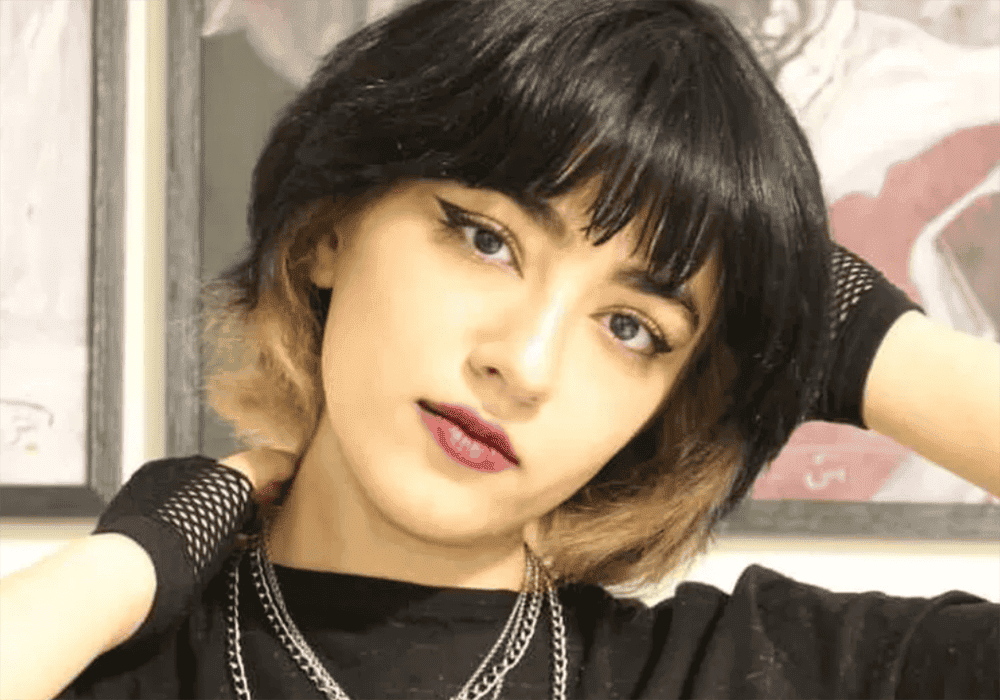
A 16-year-old girl named Nika Shakarami was last seen alive on Sept. 20 after being followed by security forces for burning her headscarf at a protest — authorities claim she died after falling from a building. The story is the same for another 16-year-old girl protester named Sarina Esmailzadeh.


Nika Shakarami was last seen being chased by authorities at a protest.

Nika Shakarami was last seen being chased by authorities at a protest. Source: bbc.com.


Girls, women and young people aren’t giving up. Thousands remain standing at the front lines of the protests, demanding equality, protection and freedom. They’re taking to social media, cutting their hair on video to fight back on traditional beauty standards. And their rallying cries are echoing around the world — from Istanbul to Los Angeles, protesters are joining in solidarity with Iranian girls.


The bravery is inspiring millions. Girls in Iran are willing to risk their lives for their freedom, and girls everywhere know that the movement for gender equality has a lot to accomplish. We must listen to girls’ voices, support their freedom from violence and rally alongside them as they fight to rebuild the future for the better.


As a girls’ rights organization, Plan International USA stands firmly in solidarity with girls and women in Iran.

iran protesters image

Plan International’s 2022 State of the World’s Girls report is focused on girls’ and young women’s political participation, based on a survey of close to 29,000 girls and young women ages 15-24 from 29 countries.

2022 State of the World’s Girls report cover

Niamey, NIGER September 29, 2022 — The United States government, through the U.S. Agency for International Development (USAID), will invest $4.5 million over the next two years to support girls and youth in the Maradi, Tillaberi and Zinder regions.

The $4.5 million will be made through USAID GirlEngage Niger, an activity which will encourage girls aged 9-15 years old to stay in school longer and delay early child marriage. To achieve this, USAID GirlEngage Niger will help girls access basic education and understand future economic rewards for families with educated girls. The activity will promote the participation and support of religious and community leaders, parents, teachers and protection committees.

The implementation of GirlEngage Niger will be led by Plan International, an international organization with several decades of experience in the field of girls’ rights. Other organizations working with Plan International to ensure GirlEngage Niger’s success are the Coalition of Nigerien Associates, Trade Unions, NGOs for Education for All (ASO EPT-Niger), and SONGES NGO.

Today’s official launch of USAID GirlEngage Niger was attended by the Nigerien government’s national authorities, religious and traditional leaders, representatives of the United Nations, and international and local NGOs, as well as a USAID delegation from Washington, D.C.

The government of Niger has made significant efforts to increase access to educational opportunities for girls to learn in safe environments through the adoption of the National Strategy for Women’s Empowerment and its five-year action plan 2018–2022, the adoption of the Education and Training Sector Programme (PSEF, 2014-2024), the implementation of Transition Plan (PTSEF, 2020-2022) and the development of the National Strategy for the Acceleration of Education and Training for Girls and Women (SNAEFFF, 2020-2030).

To request an interview or for more information, please contact:

Maria Holsopple, Director, Corporate Communications

Email: [email protected]

Mobile: 540-383-3628

banner

Imagine a typical school day as a girl: note-taking during lessons, joining in on class discussions, taking tests and studying at home before bed.

Now, imagine doing all of that on an empty stomach.

Going without food makes it extremely difficult to focus in class. Yet millions of girls are trying to get their education on one small, low-nutrient meal a day — or no food at all.

The hunger crisis is pushing more than 820 million people into life-threatening circumstances. And when decisions need to be made about who can be fed, girls are too often left last in line. With nothing to eat, another layer has been added to the surplus of challenges girls face in making it to graduation.


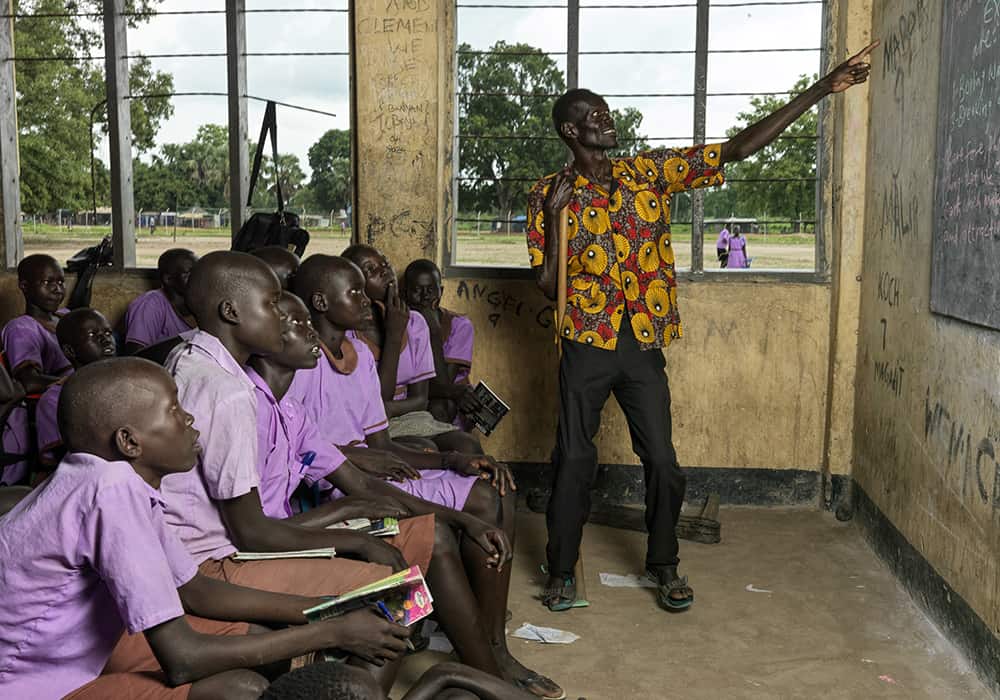
In this story, we visit a school in South Sudan and give you a window into what it looks like to try and get an education as a girl during this emergency.Ā 

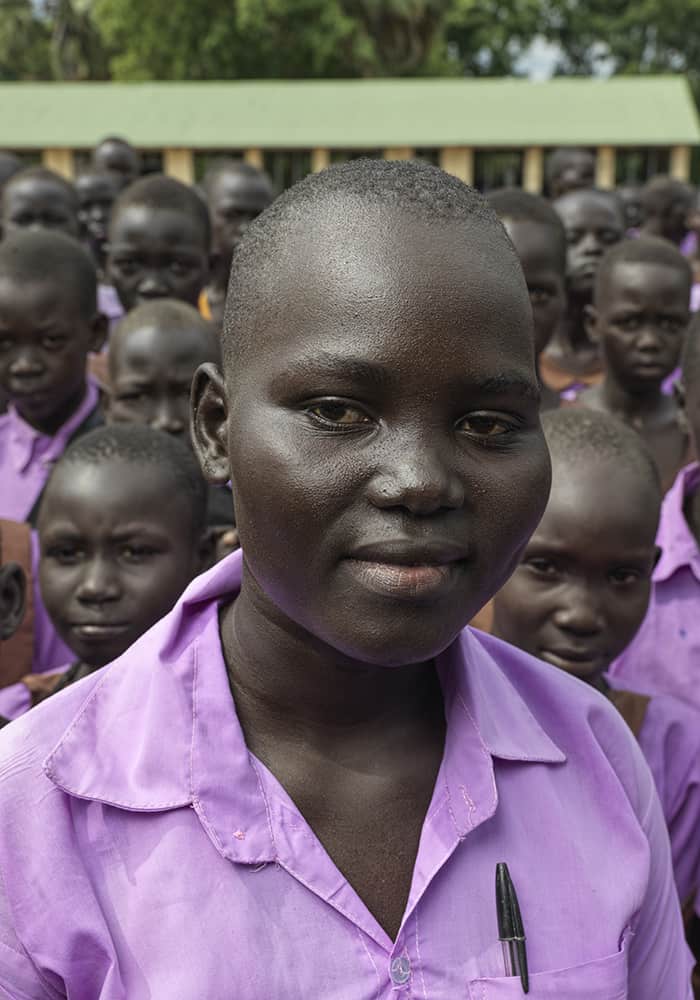
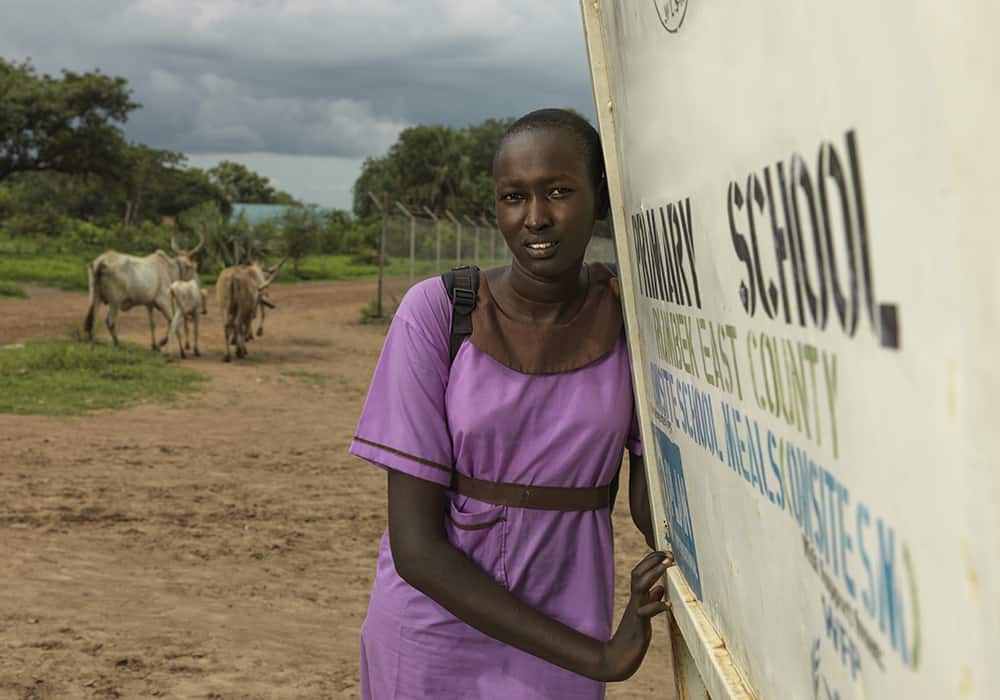
Hellena, a 17-year-old girl, lives in South Sudan’s Lakes State — where it hasn’t rained in almost two months. Her family depends on their farm for food as a source of income. But she tells us that the drought in South Sudan has left her family with little money to pay for tuition.


Hellena lives in South Sudan, where at least 7.2 million people — about 60% of the population — are in need of food assistance. Without immediate support, more than 2 million people are at risk of dying of starvation. Already, 1.4 million children are suffering from malnutrition.

Hellena lives in South Sudan, where at least 7.2 million people — about 60% of the population — are in need of food assistance. Without immediate support, more than 2 million people are at risk of dying of starvation. Already, 1.4 million children are suffering from malnutrition.

ā€œMy mother sells peanut paste and my father sells sugar,ā€ Hellena says. ā€œSometimes the money they earn isn’t enough to buy food. We can spend a whole day without eating. Sometimes it also takes a long time to pay the school fees and we struggle to pay them.ā€


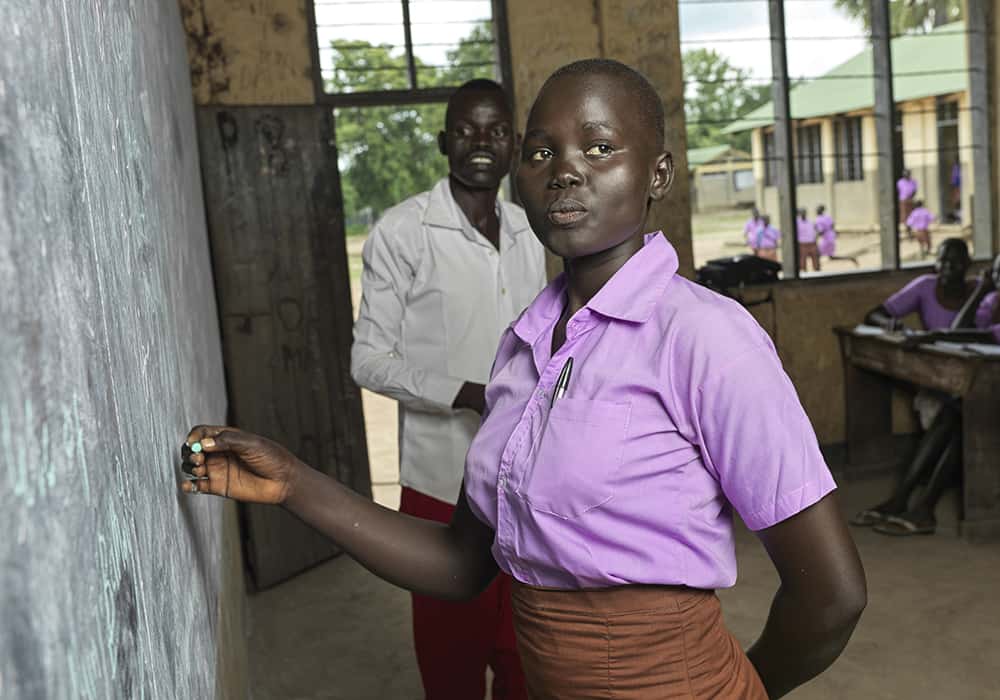
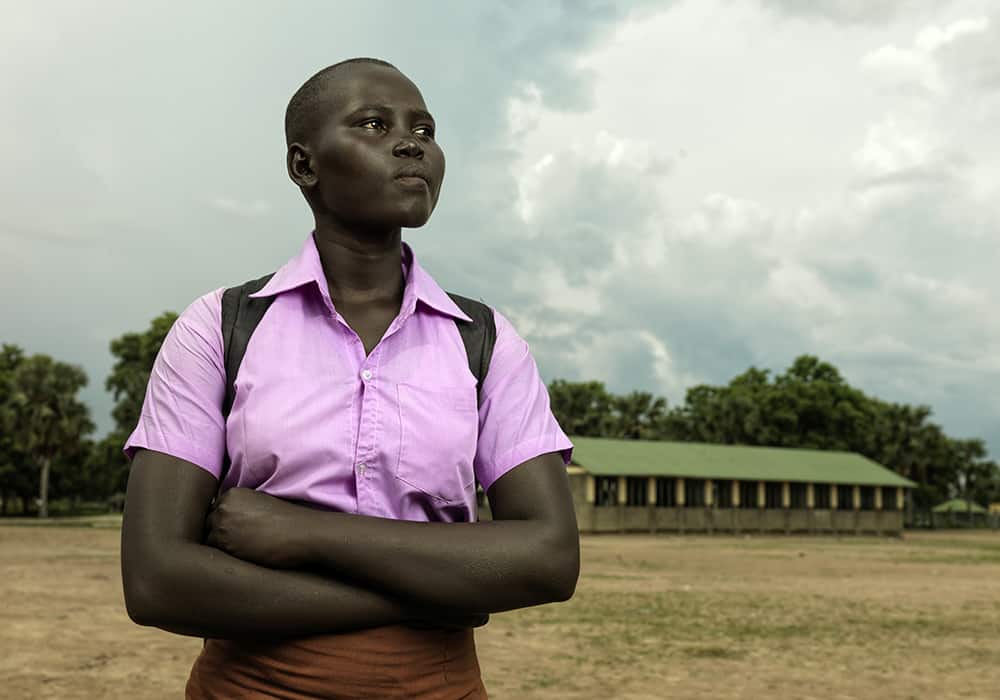
Hellena stands in her classroom in South Sudan. ā€œ[When my family and I] eat only once a day, in the evening,ā€ she says. ā€œBut in the morning and lunch time, we don’t eat. … we eat pumpkin leaves, it’s the only plant that survived the drought, but it doesn’t bear any fruit.ā€

Hellena stands in her classroom in South Sudan. ā€œ[When my family and I] eat only once a day, in the evening,ā€ she says. ā€œBut in the morning and lunch time, we don’t eat. … we eat pumpkin leaves, it’s the only plant that survived the drought, but it doesn’t bear any fruit.ā€

The school meal program at Hellena’s school has been put on pause since April due to the severity of food shortages. Many students like her rely on the school lunches when their families can’t provide anything to eat at home.

ā€œLife has become very difficult for me and my classmates,ā€ Hellena says. ā€œWe don’t understand afternoon classes anymore. The teacher is giving the lessons, but we can’t understand what the teacher says. I feel that I can only be very active and pay attention in the morning up to 11 a.m., but from then on I can no longer pay attention.ā€


School lunches provide girls like Hellena with sustenance, and also fuels their passion for learning and staying in school. For many students in South Sudan, the meals they get at home simply aren’t enough.

School lunches provide girls like Hellena with sustenance, and also fuels their passion for learning and staying in school. For many students in South Sudan, the meals they get at home simply aren’t enough.

And it’s not just the students who rely on the school meal programs — the teachers do, too.

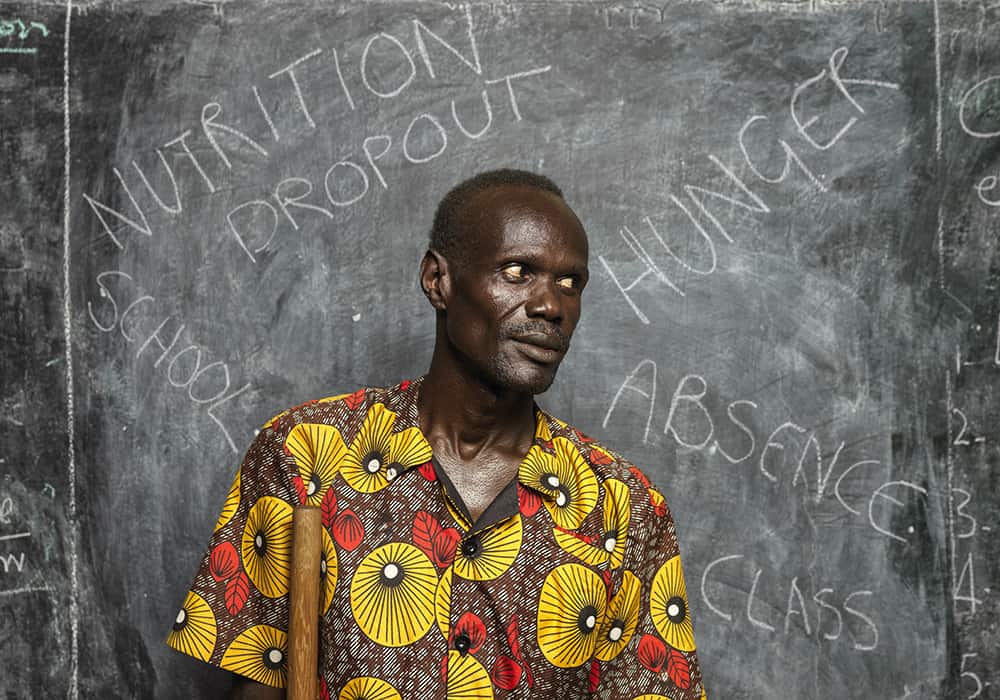
Clement, a teacher at Hellena and Grace’s school, says, ā€œEverybody’s nutrition, the children and even the teachers, is weaker. … In the mind of a child is that they know they’ll be in school and they’ll have something to eat. And in the mind of the parents is that their children will have their lunch at school. … The thing that we feared most has happened. There is no lunch at home and no lunch at school.ā€


Clement has a mobility issue, but he doesn’t let his disability hold him back, and he advocates for the inclusion of all children with disabilities in the classroom. ā€œI am disabled, not unable,ā€ he says. ā€œI always tell myself, ā€˜Clement, there is nothing you can’t do.’ That is what I teach to the children, although lately my aim is to keep the children in school during the food crisis.ā€

Clement has a mobility issue, but he doesn’t let his disability hold him back, and he advocates for the inclusion of all children with disabilities in the classroom. ā€œI am disabled, not unable,ā€ he says. ā€œI always tell myself, ā€˜Clement, there is nothing you can’t do.’ That is what I teach to the children, although lately my aim is to keep the children in school during the food crisis.ā€

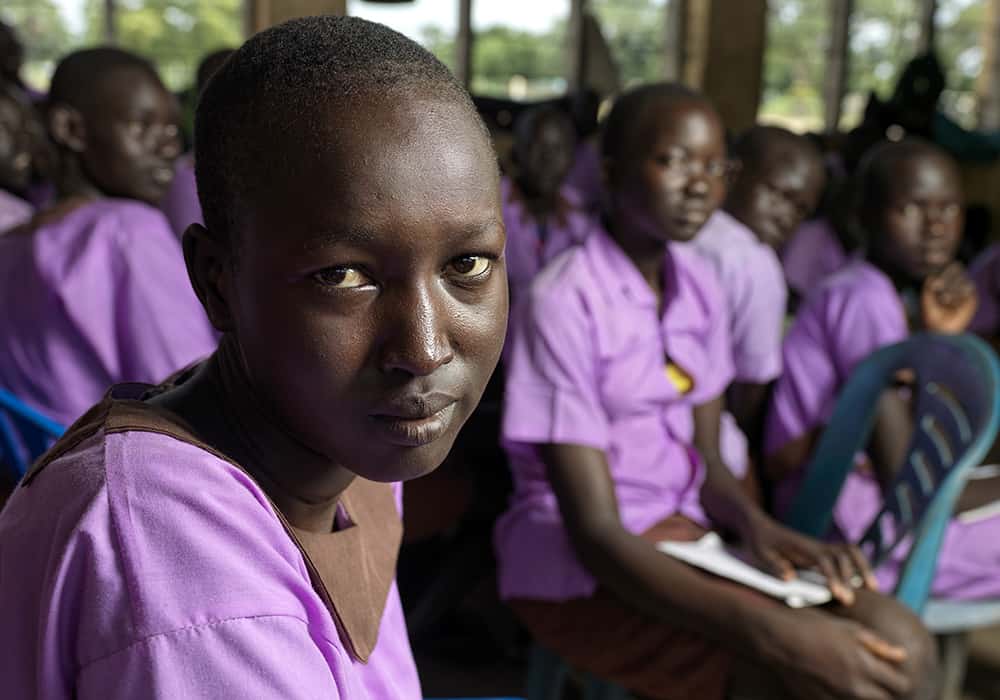
Another 15-year-old student named Martha tells us that she’s been living on one meal a day, and is also the one who’s responsible for serving the food to her family at home. She’s forced to give the biggest portions to her brothers.

ā€œJanuary was the last month that I ate two meals,ā€ Martha says. ā€œWhen I’m doing something, I can’t manage it like before. I also get stomach aches and headaches.ā€

While some girls struggle to stay focused on their lessons while hungry, other girls have decided to leave school altogether. Often, it’s the girls’ parents who pressure them to drop out — many families prefer to send their sons to school and keep their daughters at home to help with housework and finding food.

Hellena says she’s skipped school many times this year since there is no one else to look after her siblings while her mother looks for food.

ā€œSometimes you’ll see a friend at school, then the next day she is missing,ā€ Hellena says. ā€œTheir attendance can be on and off. … They used to come in the morning hoping that later they’d have lunch in school. Now, some of them don’t come at all.ā€

Clement adds, ā€œWhen I come to school and [call] the attendance in class, I’ve found some gaps. Girls especially are not turning up in school. I call out their names, asking, ā€˜Where is this or that girl?’ But they’re not in the classroom.ā€


The loss of the school feeding program weighs heavily on Clement’s mind. He knows how much the children used to look forward to their lunch — which for some is the only meal they receive that day. ā€œAlthough it is clear that both boys and girls are affected by this situation, girls will be more at risk,ā€ he says. ā€œI call the parents and tell them about the importance of a girl’s education.ā€

The loss of the school feeding program weighs heavily on Clement’s mind. He knows how much the children used to look forward to their lunch — which for some is the only meal they receive that day. ā€œAlthough it is clear that both boys and girls are affected by this situation, girls will be more at risk,ā€ he says. ā€œI call the parents and tell them about the importance of a girl’s education.ā€

When Martha’s name is called, Clement is often met with silence. If there’s a better chance of finding food outside of school than in the classroom, Martha can’t waste a missed meal.


On the days that Martha can attend school, she says she’s too far behind to understand what’s being taught. ā€œThere was a topic that was taught when I wasn’t at school, so I tried to catch up, but it’s difficult because the explanation my friends gave me was different from the way the teacher taught it,ā€ she says.

On the days that Martha can attend school, she says she’s too far behind to understand what’s being taught. ā€œThere was a topic that was taught when I wasn’t at school, so I tried to catch up, but it’s difficult because the explanation my friends gave me was different from the way the teacher taught it,ā€ she says.

ā€œThere are times when I feel so hungry that I think going to school would be a waste,ā€ Martha says. ā€œMy father sometimes asks me to stay at home and help him look for food.ā€


Martha says she would like to become a doctor one day, but worries that she has missed too much school due to hunger that she won’t be able to pass her secondary school exams. ā€œIf there is food, students will come in every day,ā€ she says.

Martha says she would like to become a doctor one day, but worries that she has missed too much school due to hunger that she won’t be able to pass her secondary school exams. ā€œIf there is food, students will come in every day,ā€ she says.

And for Hellena, it’s taking everything she has to keep from dropping out. But she has hope that she can keep holding on.

ā€œI keep coming to school because I want to learn,ā€ Hellena says. ā€œWhen there is no lunch at school, I can spend the entire day without food. Maybe I only ate the evening of the previous day. These are the challenges. Although there are difficulties, I still want to learn,ā€ she concludes to Plan staff, before rushing back to class as the bell rings.

Learning while hungry is incredibly challenging, but Hellena is doing everything she can to stay in school and get her education.

Learning while hungry is incredibly challenging, but Hellena is doing everything she can to stay in school and get her education.

Plan International is responding to this crisis in countries where hunger is most severe, including Burkina Faso, Ethiopia, Haiti, Kenya, Mali, Niger, Somalia and South Sudan. With your help, we’re providing lifesaving relief to girls and their families, including food and water kits, school meals and treatment for malnutrition. Your gift of just $33 can feed four children like Hellena or Martha with a month’s worth of school meals.

Featured Image This is what hunger does to girls’ education

By Nicole Rodger, Early Childhood Development Policy and Advocacy Lead, and Yona Nestel, Inclusive Quality Education Policy and Advocacy Lead

Young people around the world are calling on governments to include them in education decision making.

Education systems are not delivering the kind of education that children and young people want and need to be successful, engaged and empowered citizens and agents of change. In the face of a global climate catastrophe, COVID-19, exacerbating humanitarian crises and a rollback of rights, their rallying cry is that education must be accessible for all and provide the knowledge, skills and competencies for advancing social, gender and climate justice.

On September 17-19, governments, U.N. agencies, civil society, donors, philanthropists and young people will gather in New York City for the Transforming Education Summit. This summit, championed by the U.N. Secretary General, Antonio Guterres, aims to mobilize action, ambition, solidarity and solutions to transform education as part of the 2030 Agenda and beyond.

At TES, young people will share their vision and solutions for transforming education. Plan International will stand in solidarity with them and ensure that their perspectives and priorities are central to the Summit’s outcome.

Young people have a vision for education

When it comes to transforming education, young people have a clear agenda. Youth and feminist leadership is critical. The voices of those who are most affected must be heard. The potential of education to advance gender equality and dismantle systems of oppression and discrimination must be realized.

In practice, this means more support for holistic learning that goes beyond literacy and numeracy to include socio-emotional learning, climate change education, comprehensive sexuality education, civic education and peace building.

It also means investing in gender transformative education that goes beyond acknowledging and responding to gender disparities within the education system and the learning experience of the student. Gender transformative education must harness the full potential of education to transform attitudes and practices within and beyond the education system to contribute to a broader environment of gender justice for young people, in all their diversity.

Engaging young people in the development of inclusive education systems in a rapidly changing world fosters vital intergenerational partnerships that create opportunities for more responsive and transformational investments. When young people, particularly girls and young women, are empowered to actively participate, they will become critical actors in shaping a gender transformative education system.

Some progress is already being made. In Sierra Leone, in collaboration with the Ministry of Basic and Senior Secondary Education, Plan International Sierra Leone is supporting young people on a Youth Advisory Group. The YAG helps to ensure that children and youth are involved in decision-making about all aspects of the education system as key stakeholders.

The world is facing a global education crisis

The COVID-19 pandemic resulted in widespread school closures. The World Bank estimated that at the height of COVID-19, education for 1.6 billion students was disrupted.

Even before the shock of COVID-19, the world was far off track in achieving international commitments to education. For example, in 2019, UNICEF reported that more than 175 million children — around half of pre-primary children globally — were not enrolled in pre-primary education. In terms of access to primary and secondary education, UNESCO said that no progress had been made for several years.

Fewer than one in two children reach a minimum level of proficiency in reading and mathematics by the end of primary school. Access to, and quality of, education remains a challenge globally. Additionally, our recent research in the Middle East, East and Southern Africa region has shown that investments in education have stagnated or declined at a time where critical investments are needed. This trend is exacerbated with Overseas Development Aid to education stagnating in 2020, with significant cuts to ODA being made by several major donors to education.

The crisis in education is also an equity crisis, and children from marginalized groups are most at risk.

Lockdowns and school closures have hit girls’ education particularly hard and threaten to roll back years of progress. Being out of school doesn’t just have devastating consequences for girls’ life opportunities, it places them at risk of early and unintended pregnancy, child marriage, female genital mutilation and other forms of gender-based violence.

For adolescent girls in particular, the impacts of conflict and crisis are also devastating and compound the barriers they already face in accessing education, exacerbating pre-existing gender discrimination and harmful practices. The current hunger crisis also has severe education impacts, recognizing that hungry children cannot learn, and girls are even more likely to drop out of school.

Young people are clear that transforming education requires a power shift and investments in their meaningful and inclusive participation in decision-making and accountability processes. Education must be radically inclusive and prioritize the knowledge, skills and competencies that matter the most to young people as they fight for a more sustainable, equal and just world.

Girls gathered around a book

Powered by supporters, we partner with adolescent girls, children and young women to overcome oppression and gender inequality. We provide the resources that are unique to their needs and the needs of their communities, ensuring they achieve their full potential with dignity, opportunity and safety.

In fewer than 50 words, we’ve provided a summary of who Plan International USA is and what we do. You’ll notice the word ā€œsafetyā€ is included. Safeguarding of children, young people and program participants is at the heart of what we do, and Plan takes this work extremely seriously.

What is safeguarding? At Plan, we refer to safeguarding as the responsibilities and preventative, responsive and referral measures that we undertake to protect children and program participants, ensuring that no child or program participant is subject to any form of harm as a result of their association with Plan.

As we work with more than 50 million children around the world each year, we face many safeguarding risks. Thus, every Plan employee and associate completes safeguarding training, and all are taught that they must speak up if they have any concerns. We participate in an annual self-assessment exercise where each office reviews our adherence to Plan’s safeguarding requirements. At Plan USA, we remove any donors from our rolls who show up on public sex offender registries. We work hard to ensure that communications between sponsors and children is appropriate. New employees are carefully vetted before joining the organization. And so much more.

Another component of our commitment to safeguarding is being transparent about reports we’ve received. In FY21, we reported the following three incidents at Plan USA. Thankfully, none of these led to any harm.

  • A donor wondered if there were any ā€œyoung womenā€ available for marriage.
  • A sponsor wrote inappropriate things to their female sponsored child.
  • A sponsored child contacted their sponsor on Facebook.

In the first two instances above, the donors are no longer with Plan. In the third instance, we informed the sponsor that they should not engage with the child over Facebook, and in-country colleagues followed up with the child. To protect the child, and the sponsor, it is important that all communications flow through the Plan offices.

Plan worldwide collects each safeguarding incident on an annual basis and compiles a report which is shared publicly. We do this for the benefit of Plan, our donors, our employees and, most importantly, for the children and program participants with whom we work. You will notice that this report includes every safeguarding incident reported around the world, no matter how small or how serious.

As safeguarding becomes more and more ingrained in our work, we expect the number of incidents to increase, as people realize they can — and must — speak up when they have an inkling that something is wrong. But we also expect that the severity of the incidents will decrease, leading us back to our vision of partnering with adolescent girls and their communities to ensure they achieve their full potential with dignity, opportunity and safety.

Young girls walking hand in hand