Search Results
Search results for
- Statements
Plan International welcomes reports of the ceasefire agreement in Gaza. We urge all parties to commit to taking all necessary measures to ensure that this ceasefire is permanent, sustainable and leads to lasting peace.
While todayās agreement offers a moment of hope for children who have been suffering unimaginable loss for over 15 months, we must remember that the situation for children in Gaza remains bleak. At least 17,580 children and 12,050 women have been killed1 in just 15 months in Gaza and over 21,000 children in Gaza have sustained conflict-related injuries ā with 5,230 children (25%) requiring significant rehabilitation with a high likelihood of disability.
Over 46,707 people have been killed in Gaza since October 7 2023 with the actual number of deaths believed to be much higher, as thousands of people remain buried in the rubble of decimated homes, hospitals, and schools. Food, water, safe shelter, healthcare and other essentials are in desperately short supply after the targeting of civilian infrastructure. Action must go beyond the immediate end of violence. Immediate and unhindered humanitarian access to all areas of Gaza is critical to address these vital needs.
Children face devastating challenges
The scale of the crisis in Gaza has left children and their families facing devastating challenges. The destruction of homes, infrastructure, hospitals, schools, and essential services by the Israeli military has left Gaza in an unlivable condition. The few remaining hospitals are only partially operational, significantly understaffed, overwhelmed with critical patients, and medical supplies are dangerously low, putting children at risk of untreated injuries, preventable diseases, long-term mental health and psychosocial impacts and disability.
The international community must prioritise the immediate humanitarian needs of Palestinian children and their families.
In addition to the medical crisis, the destruction of schools and the displacement of civilians means that countless children are separated from their families, caregivers and friends and are left without access to education or safe spaces to play, heal and learn. Rebuilding educational infrastructure must be a key focus, as it provides not just learning, but a pathway to cope and heal during this traumatic time.
The complete destruction of civilian infrastructure in Gaza has a catastrophic impact on Palestinians, in particular the destruction of water and sanitation systems has left children exceptionally vulnerable to life threatening waterborne diseases, such as diarrhoea and cholera. Restoring clean water access and sanitation must be a top priority to avoid further health emergencies and preventable deaths of thousands of children.
Urgent mental health support
Equally important is the need for immediate and wide-scale mental health support. Many children in Gaza, including thousands of orphaned or separated children, have experienced or witnessed extreme violence for over 15 months. Psychosocial services must be expanded immediately to help children begin to recover from the psychological scars of horrendous hostilities. Children who have sustained blast injuries and disabilities arising from shrapnel, burns and fallen buildings with no surviving family members require special attention.
The international community must ensure that childrenās rights to health, education, and safety are prioritised. These efforts must be part of a broader commitment to peace, justice, and lasting stability.
The international community must prioritise the immediate humanitarian needs of Palestinian children and their families. Although the ceasefire is a crucial first step, the needs of Gazaās children will not disappear once the hostilities stop. The international community must come together to support Gaza, ensuring that childrenās rights to health, education, and safety are prioritised. These efforts must be part of a broader commitment to peace, justice, and lasting stability.
Prioritise the needs of Gazaās children
All civilian hostages in Gaza must be released immediately. We also renew our call for the immediate release of all children who have been abducted or detained by Israeli forces, and for a full and impartial investigation into the conditions they have faced in detention camps.
Plan International urges all governments, international organisations, and humanitarian agencies to prioritise the needs of Gazaās children. We continue to call for all governments to cease the transfer of weapons, parts and ammunition while there is a risk they will be used to violate international humanitarian or human rights law.
The survival and future of Palestinian children in Gaza depends on our prompt collective action and meeting their humanitarian needs and is an essential step towards building a lasting and just peace in the region.
About Plan International
Plan International is an international development and humanitarian nonprofit that advances childrenās rights and equality for girls. Working together with children, young people, supporters and partners, we strive for a just world, tackling the root causes of challenges children face. We are there from birth until adulthood, and we support children to prepare for and respond to crises and adversity, while particularly focusing on the experiences of girls. With more than 85 years of experience, we work to transform lives in more than 80 countries. We wonāt stop until we are all equal.
For more information, please visit www.PlanUSA.org.
Ā
- News & press
PRESS RELEASE
Plan International is delighted to announce UNās Reena Ghelani as its new Chief Executive Officer following a global search.
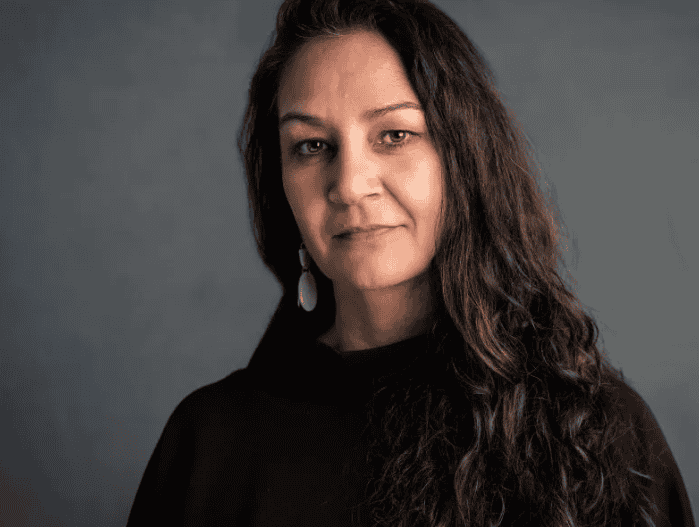
Reena Ghelani will begin her role as Plan International’s Chief Executive Officer in April 2025.
Reena Ghelani, Plan Internationalās newly appointed Chief Executive Officer, set to begin her role in April 2025.
Ghelani has extensive international executive leadership experience in the humanitarian and development sector. She joins Plan International from her current role as UN Assistant Secretary General ā Climate Crisis Coordinator for the El NiƱo / La NiƱa Response, having previously served at senior levels in the United Nations Office for the Coordination of Humanitarian Affairs (UN-OCHA) and roles in the United Nations High Commissioner for Refugees (UNHCR).
“I am deeply inspired by the organisationās girl-focused strategy and youth-centred approach to its development and humanitarian work.”
Reena Ghelani
Ghelani said: āI am excited and honoured to be joining Plan International as CEO. I am deeply inspired by the organisationās girl-focused strategy and youth-centred approach to its development and humanitarian work. I have been impressed with Plan from afar, now I get the chance to help a skilled team across the globe have even more impact for girls and all children in a world that seems to need us more than ever.ā
Gunvor Kronman, Chair of the Membersā Assembly and International Board of Plan International said: āWe are delighted to have such a talented and well-regarded sector professional join our organisation. Reena can drive us as we realise our ambition to scale-up our humanitarian work, deepening our gender transformative and girl-focused responses in crises settings, alongside our existing development work which has localisation at its heart. Together these areas ensure we are an INGO that is fit for the future.ā
Debbie Simpson will continue to serve as Plan Internationalās Interim Chief Executive until Ghelani joins in April 2025.
With 10,000 staff worldwide, Plan International is an independent development and humanitarian organisation that advances childrenās rights and equality for girls. It is active in more than 80 countries and promotes the rights of the worldās most vulnerable children, especially girls. In the fiscal year 2024, Plan International raised ā¬1.04 billion and supported 43 million children worldwide, including 23.3 million girls.
Learn about Plan’s impact in our annual review.
##
For more information or interviews, please contact:
Vannette Tolbert
Senior Communications Manager
Email: [email protected]
Mobile: 240.778.9077
- Blog
January 11 is National Human Trafficking Awareness Day ā a time to shine a light on the pervasive issue of human trafficking and share information on how to recognize and prevent it. Social media has completely changed how we connect, share and learn ā but itās not all good news. For traffickers, these platforms provide countless opportunities to exploit vulnerable individuals.
Plan and CNNās As Equals teamed up to create an interactive report surveying more than 600 girls and young women across nine countries. The results were chilling. The report revealed that 58% of respondents have experienced online abuse ā with many highlighting social media platforms as the primary spaces where harm occurs.
Read the full interactive story here.
How to report a suspicious profile
If you encounter a suspicious profile or receive unsolicited messages, take these steps:
āĀ Ā Use the platformās “report” feature to flag inappropriate behavior.
āĀ Ā Ā Block the account to stop further contact.
āĀ Ā Ā Share your concerns with someone you trust.

Red flags to watch for
Traffickers often search for posts or profiles where people share their struggles. For example, they might respond to a teen posting about feeling alone or misunderstood with comments like, “I know how you feel,” or “You deserve better than this.”
Traffickers use empathy as a weapon ā they gain trust and create dependency. Once trust is established, they may escalate the grooming process by offering gifts, promising opportunities or isolating their target from friends and family.
Be cautious about engaging with strangers online. Trust your instincts and talk to someone you trust if something feels off.
Is this a fake profile?
Fake accounts are a common tactic traffickers use to lure potential victims. Hereās how to recognize them:
āĀ Ā Ā Ā Ā Limited or generic personal information in their bio.
āĀ Ā Ā Ā Ā Profile pictures that look overly polished or appear to be stock images.
āĀ Ā Ā Ā Ā Messages that are overly friendly or offer quick opportunities, like āGet rich fast!ā or āWork with us.ā
If it sounds too good to be true, it probably is.
Awareness of these red flags is a strong tool to protect yourself from online predators.

Strengthen your digital resilience
Digital resilience helps you recognize and navigate online risks. You can protect yourself by taking these practical steps:
āĀ Ā Ā Ā Ā Limit personal information: Avoid sharing sensitive details like your location, school or daily routines online.
āĀ Ā Ā Ā Ā Strengthen privacy settings: Regularly update privacy settings on social media to control who can see your posts and contact you.
āĀ Ā Ā Ā Ā Trust your instincts: If something feels off about an interaction or a profile, it probably is ā trust your gut.
āĀ Ā Ā Ā Ā Know where to get help: Familiarize yourself with each platform’s reporting features and resources like the National Human Trafficking Hotline for support.
Learn more in Planās Building Digital ResilienceĀ report.
How traffickers stay in control
Traffickers donāt stop at initial contact. They often use social media to monitor and isolate their victims ā restricting access to friends and family or impersonating them to spread misinformation.
If someone you know suddenly pulls back from online interactions or seems distant, it could be a sign theyāre being manipulated. Reaching out to show support can make a difference.
Planās fight against online trafficking
Plan is at the forefront of creating safer digital spaces. Through advocacy, education and resources, we work to equip girls and young women with the tools they need to thrive in the online world. Plan’s Building Digital Resilience report and CNN’s As Equals interactive report identify risks and provide strategies to navigate and mitigate these dangers.
Our advocacy extends to supporting legislative efforts like the Kids Online Safety Act ā aimed at holding platforms accountable and fostering safer online environments. Together, these initiatives create a foundation for long-term safety and resilience in digital spaces, ensuring girls and young women can confidently navigate the online world.

The internet should empower ā not endanger. Staying informed, vigilant and connected ensures everyone ā especially girls ā can learn, lead and thrive safely both online and offline.
To learn more about staying safe online and avoiding trafficking risks, visit the National Human Trafficking Hotline website.
Together, we wonāt stop until we are all equal.
- Insights
This article was written by Aisha Bukar Usman, Access to Education Lead for Plan International Nigeria.
With approximately 20 million children out of school, Nigeria is grappling with a significant educational crisis, fueled by poverty, insurgency and displacement. In response to this alarming situation, the Opportunities to Learn activity was launched in 2021, funded by United States Agency for International Development with the International Rescue Committee as the lead organization, working with partners ā Plan International, Inclusive Development Partners, Restoration of Hope Initiative and American University of Nigeria.
The activityās mission is to provide quality, safe basic education to out-of-school children and youth aged 10 to 15, using Nigeriaās Accelerated Basic Education Program curriculum. This curriculum was designed to provide foundational skills in literacy and numeracy to enable these children to transition to higher education levels or enter the workforce.
The impact of the OTL activity has been profound. By July 2024, 5,075 OTL activity learners across Borno and Yobe states took the Basic Education Certificate Examination, a significant achievement considering the educational challenges in these locations.
The Basic Education Certificate Examination is a pivotal milestone in a studentās educational journey in Nigeria. Success in the BECE is a prerequisite for transitioning from junior secondary school to senior secondary school. For girls in particular, succeeding in the BECE can have a profound impact on their future prospects, enabling them to pursue their academic and career goals. This, in turn, can lead to improved economic prospects, enhanced life skills and confidence, and a break from the cycles of poverty.
In Yobe state, 641 learners (430 girls and 211 boys) participated in the examination. The Ministry of Education in Yobe state waived the examination fees and allowed learners to write the examinations without the usually compulsory requirement of wearing school uniforms. This is the first time in Nigeria that learners from an accelerated non-formal education pathway wrote the BECE ā and the results were inspiring.
All program participants passed the BECE, and the Yobe State Government has offered them entry admissions into government senior secondary schools. This is a testament to the resilience of communities and the importance of targeted educational interventions in crisis-affected regions. Education is undeniably a catalyst for change, especially in regions facing significant socio-economic challenges. The collaborative efforts of the OTL activityās consortium, government stakeholders and community members have made a significant difference in the lives of thousands of children.
Among the many success stories emerging from this education initiative, Fatimaās story stands out. Before enrolling in this program, Fatimaās life was marked by hardship. She spent her days begging in the streets, a daily routine that left her physically and emotionally exhausted.
At the inception of the OTL activity, Fatima was provided with crutches to aid her mobility, as she had previously relied on a locally made stick to support her mobility to school. This support not only improved her physical mobility but also changed her social interactions.
āMy classmates used to mock me, knowing me as the girl who begged on the street, but my teachers helped change their attitude,ā Fatima shares. āNow, with my new crutches, I arrive on time, and my classmates respect me for my uniqueness.ā
Fatimaās journey is a powerful reminder of how inclusive education can change lives. The OTL activity not only provided her with the tools to succeed academically, but also fostered a supportive learning environment that allowed her to thrive.
āShe comes back home excited, singing songs I do not even know the meaning of,ā Fatimaās mother says. āI have never gone to school, but I am glad Fatima has the opportunity I didnāt get as a child through OTL.ā
Fatimaās story is not just about overcoming personal challenges ā it is a testament to the broader impact of educational initiatives. When girls like Fatima have access to quality education, they are able to unlock their full potential and become change-makers in their communities.
āI want to continue with my studies to become a doctor,ā Fatima says. āI understand what it means to be in special need and would love to be able to support more people like me in the future.ā
- Blog
As challenging as 2024 was, there were also moments of inspiration and reasons to be hopeful. To inspire you for the year ahead ā and celebrate the work we have accomplished together ā here are eight photos that illustrate just a small slice of the impact you made for children, especially girls, and their communities in 2024! Ā
You helped girls like Lethubuhle stay safe and educated.
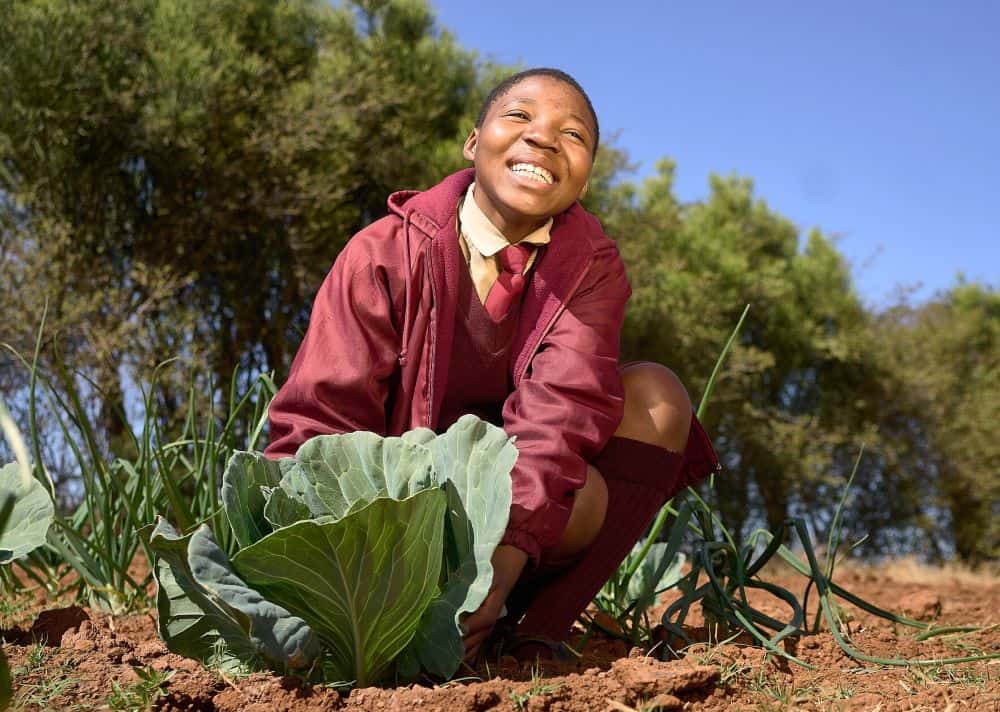
Lethubuhle, 15, tends to vegetables in her schoolās garden. | Tendai Marima, Ā©Plan International
In Zimbabwe, girls face many challenges to completing their education, including poverty, early marriage, teenage pregnancy and long, dangerous walks to school.
With your support, Plan International is building safe and inclusive dormitories so that girls like 15-year-old Lethubuhle can stay in school and build their futures. The fully-furnished dorm where Lethubuhle lives opened in 2024 and is now home to 34 girls.
“I love school and I like having my friends around,ā Lethubuhle shares. āI like to help with school projects that help us to provide food, such as raising chickens and growing vegetables.”
You fought against period stigma alongside girls like Alma.
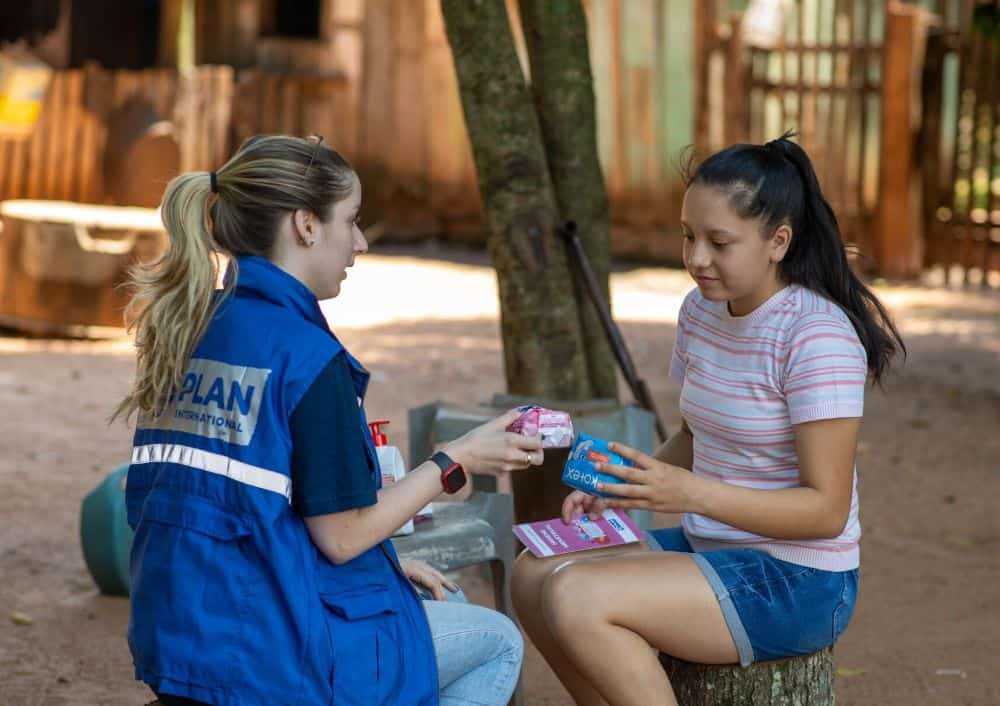
Alma, 16, receives a menstrual health kit from Plan staff in Paraguay. | Anselmo Garcete, ©Plan International
In Paraguay, where 16-year-old Alma lives, menstruation is surrounded by myths and stigma.
āIn school, they talk about it, but thatās as far as it goes, itās not like they prepare you for anything,ā Alma says. āThere are no pads, so if you need one suddenly, you canāt go ask for one.ā
To support girls like Alma, Plan International has set up adolescent clubs to improve access to information, education and comprehensive health services for young people.
Alma welcomes the clubs and says she would like to see the taboos surrounding menstruation broken down.
āItās very important that there is better education about menstrual management, both in the family and at school,ā Alma says.
You motivated sponsored children like Lourdes to make history.
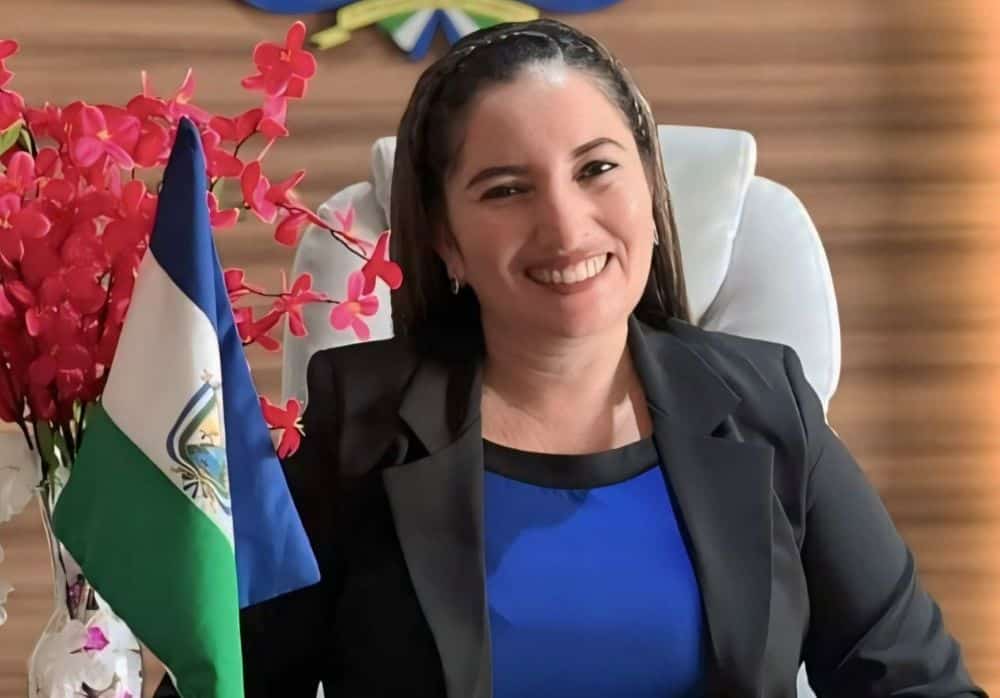
Former sponsored child Lourdes is proud to be the first female mayor of her town in Ecuador. | ©Plan International
As a sponsored child until the age of 18, Lourdes frequently participated in training sessions organized by Plan. “They would give us talks about rights, education, gender equality and self-esteem, which really shaped my education,” Lourdes says.
With support from her family and her sponsor, Lourdes worked hard in school and pursued her goals with determination.
When she was offered the opportunity to run for mayor, Lourdes initially refused, because she felt she would face prejudice as a woman. However, the desire to serve her community outweighed her fear. She won with 42% of the vote ā a historic milestone ā and became the first female mayor of her town.
“One of my main priorities is to fight for gender equality,” Lourdes says. “With education, kindness and motivation, everyone can work towards a more just and equal society.”
You helped to keep girls like Eleen safe during crises like war and natural disasters.
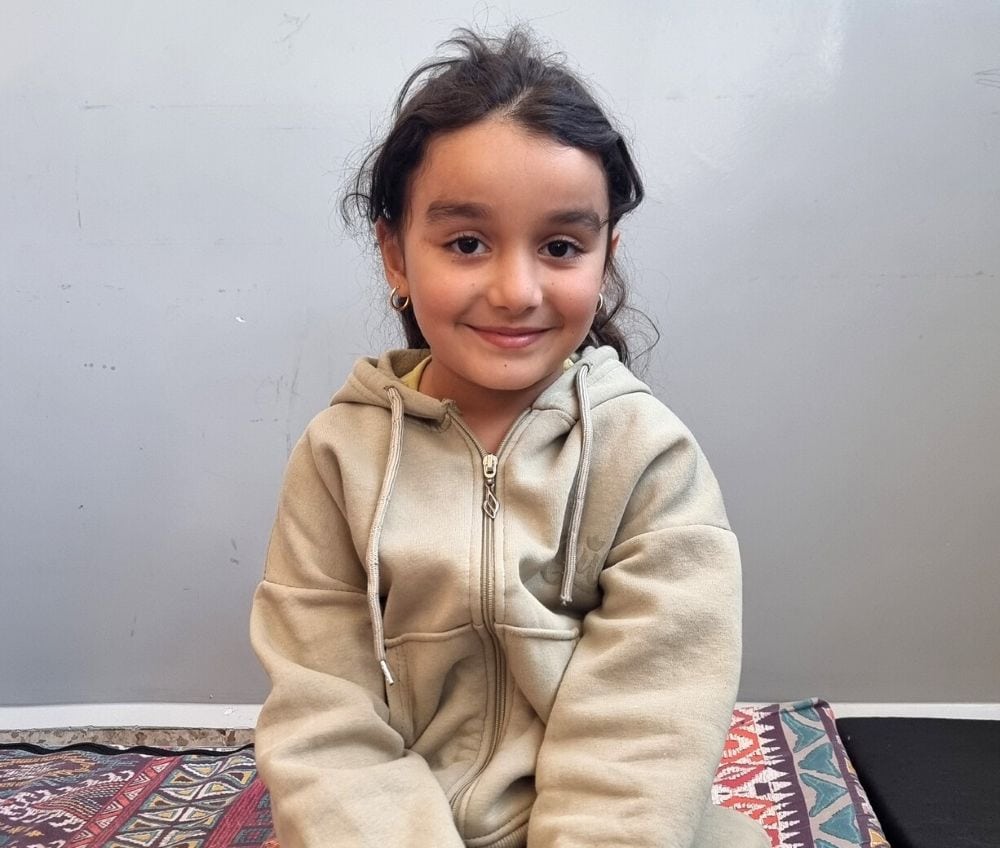
Eleen, 8, lives with her family in a school that has been converted to a shelter in Lebanon. | Rachel Challita, ©Plan International
Eleen, 8, is one of more than 1.2 million people who have been displaced due to the conflict in Lebanon. She is currently living with her family in a school that was converted into a shelter.
āWe had to leave our house and village with my parents, brothers, uncles and cousins,ā Eleen shares. āThe road was scary, full of bombs and air strikes. It was a very tiring and long journey.”
Since day one, Plan has been at the forefront of the humanitarian response in Lebanon, providing lifesaving assistance to children and families, including food, blankets, hygiene kits and psychosocial support.
You provided communities with clean water, helping girls like Apriana to stay healthy and educated.
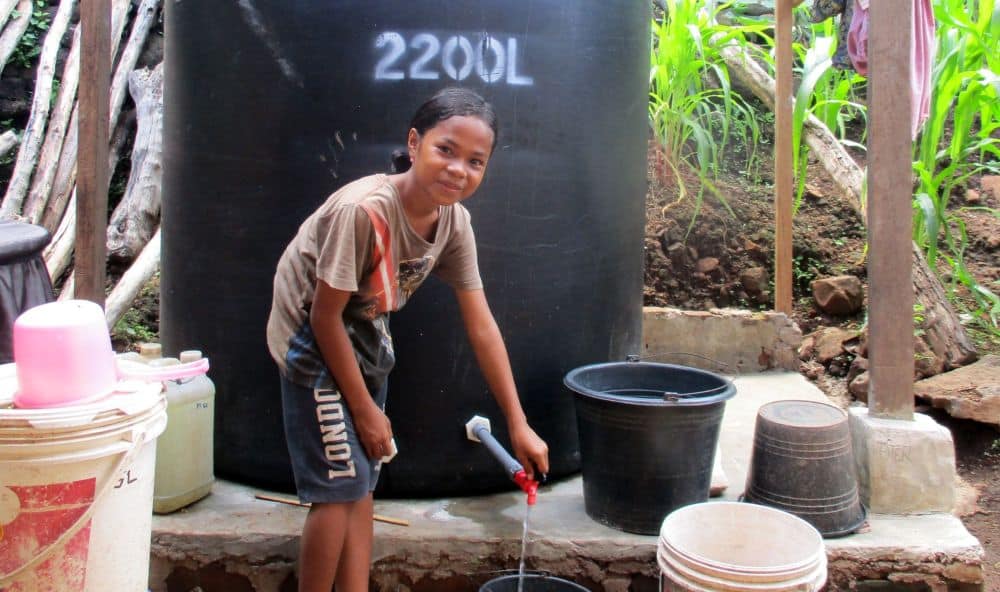
In Indonesia, sponsored child Apriana, 12, no longer has to walk long distances to collect water and is able to focus on her education instead. | ©Plan International
Apriana is a 12-year-old sponsored child from Indonesia with a passion for science. However, her quest for knowledge was hampered by one of life’s most basic yet critical needs: access to clean water. In Apriana’s community, the lack of clean water affects residents’ health, disrupts children’s education and is a barrier to economic stability.
Plan launched an initiative to distribute large water tanks to households in Lembata, including Apriana’s. This initiative promised immediate relief and paved the way for sustainable development within the community.
Apriana no longer has to walk for hours to collect water, allowing her to focus more on her studies, especially her favorite subject, science.
“Thank you so much to Plan International for always supporting us,” Apriana says. “My family and I were so happy to receive this water tank because it’s really helping us to collect clean water.ā
You encouraged young women like Denyse to forge a new path.
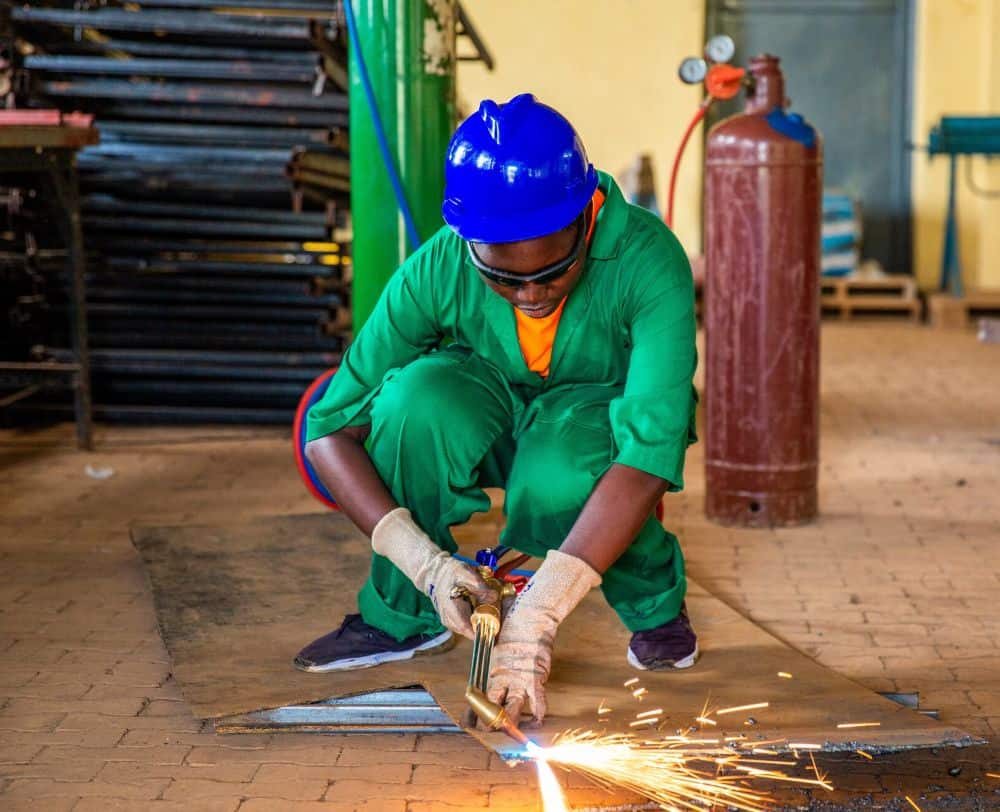
Denyse, 21, is proud to be a welder after participating in a vocational training program supported by Plan in Rwanda. | Solange Iradukunda, ©Plan International
After graduating from high school, Denyse was unsure what to do next ā until she heard about a vocational training course in her community offering to teach girls welding skills.
Plan, alongside our working partner Learn Work Develop, provides vocational training opportunities for young women in Rwanda with the aim of encouraging them to challenge the gender stereotypes that often hold them back.
āI saw this as a learning opportunity which could shield me against an uncertain future,ā Denyse, now 21, says. āWelding is normally seen as a job for boys or men, so I wanted to challenge this perception, and show that girls can succeed in this profession as well. ⦠One of my goals is to prove that girls can be innovators. Whenever they have the opportunity, girls can achieve their dreams and greatness.”
You helped sponsored children like Kervenson receive the lifesaving care he needed.
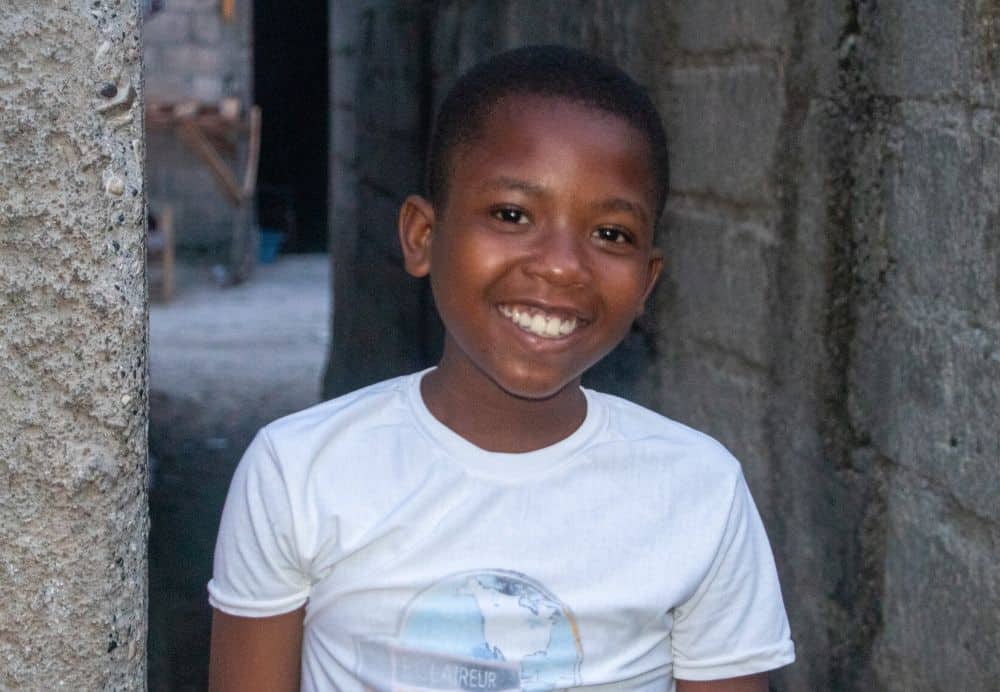
With support from people like you, sponsored child Kervenson, 13, was able to have the lifesaving surgery he needed. | ©Plan International
For many children growing up in vulnerable communities, thereās no way their families can afford life-changing interventions like surgery or hospitalization. But your support helps children like 13-year-old Kervenson, a sponsored child in Haiti, receive the care they need to heal and recuperate.
āWater was found in my lungs, and I had to have surgery,ā Kervenson shares. āMy parents couldn’t afford it, but luckily Plan helped me out. Since the surgery, I feel much better. If I hadn’t had the operation, I could have died. I’m grateful to be alive.ā
Ā You inspired young activists like Babita to paint the future they want to see.
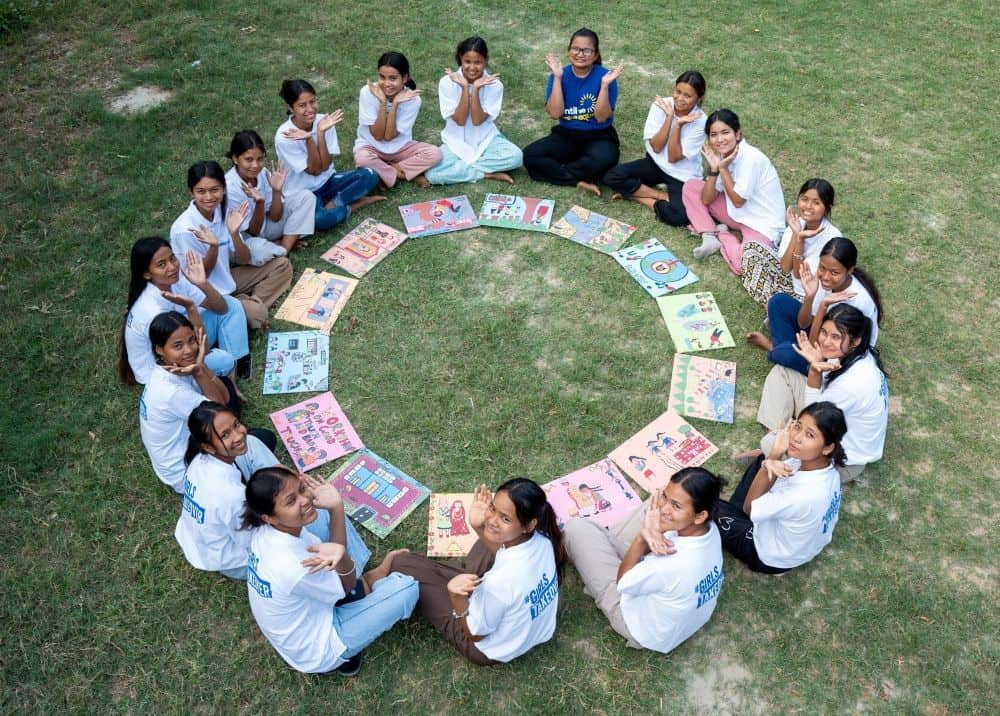
Participants of the Art is Power workshop in Nepal proudly display their artwork. | Raj Kumar, ©Plan International
Planās Art is Power project in Nepal is creating spaces for young people to raise their voices through art, fostering dialogue on critical issues like the impact of climate change on girlsā education. When crises occur, girls and women are disproportionally impacted. Girls often have to leave school to help their mothers manage the increased burden.
The activistsā paintings from the workshop took center stage at the launch event for Planās report For Our Futures: Youth Voices on Climate Justice and Education, which sheds light on the impact of the climate crisis on access to education for girls in the Asia Pacific region.
One of the workshop participants was 19-year-old Babita, who has participated in Plan programs since she became a sponsored child at age 8. Now, she is a passionate advocate for gender equality and climate action.
āI may be young, but my voice carries the dreams of generations,ā Babita says. āI am determined to influence local policies for climate action to ensure a sustainable future for us all.”
- Page
Search Results for:
Effective date: January 1, 2025
The purpose of this policy is to detail how we collect, use, and protect donorsā personal information.
Plan International USA (Plan) is committed to respecting your privacy. This privacy policy describes the types of information we collect and how we use that information. Regardless of how you provide us with your personal information, we strive to honor your privacy preferences.
By using our website or providing any information to Plan International USA, you agree: (1) to abide by the practices described in this statement, as well as in our Website Terms of Use, and other policies that we may post on the website; and (2) that Plan may use your information in accordance with this policy.
The information we collect
Information we collect directly
Through you:Ā You may choose to provide personal information by phone, mail or on our website when you participate in activities such as setting up an account inĀ MyPlan, sponsoring a child, making a donation, submitting a form or joining an email list. The personal information we collect may include your name, postal address, zip code, telephone number, organization name, email address, credit card number, bank information or billing information. If you sponsor a child through us, you will be subject to the 3rdĀ party vendor privacy policy, which can be found in the donor portal.
Information we collect automatically
Through cookies:Ā Our website uses cookies to distinguish you from other individuals entering the site.Ā A ācookieā is a small piece of data that is sent to your browser from Planās web server and is stored on your computerās hard drive. Cookies are used to collect non-identifying information about the user, such as web-surfing behavior or user preferences for a specific website. Plan uses two different types of cookies: session-based and persistent cookies. Session-based cookies expire at the end of a browser session so that once you close your browser the cookie simply terminates. Persistent cookies remain on your computer until you remove them and are used to provide internal website analytics. In addition, Plan also uses āpixels,ā or transparent GIF files, to help manage online advertising.Ā These pixels do not collect identifying information, and are used by third-party service providers for aggregate reporting and campaign functionality.
When you enter the Plan International USA website, a notice pops up which allows you to enable or disable cookies on the Plan website. By disabling cookies, you are disabling the storage of your personally identifiable information. However, we will still use some cookies for essential web functions, such as running the Plan website. You may also opt out of the use of cookies by disabling cookies on your browser. You can manually delete all cookies, including persistent ones, using your browserās privacy settings. However, please note that some website functions will not work without the use of cookies.
Through Google Analytics:Ā Google Analytics is a webĀ analytics service offered byĀ GoogleĀ that tracks and reports website traffic. It uses cookies to ārememberā what you have done while on the Plan website, and then uses that information to advertise to you online. Plan is currently using the following Google Analytics Advertising Features: Remarketing, Display Network Impression Reporting, DoubleClick Platform integrations and Demographics and Interest Reporting. You may opt out of Google Analytics and other third-party use of cookies by clickingĀ hereĀ or by visiting GoogleāsĀ ad settings.
Though social media sites:Ā When you access a social media site where Plan has a presence, we may obtain your personal data depending on your settings or the privacy policies of those sites. To change your settings on these services, please refer to their privacy notices which will tell you how to do this.
https://www.facebook.com/policy.php
https://twitter.com/en/privacy
https://www.linkedin.com/legal/privacy-policy
https://privacycenter.instagram.com/policy
https://www.tiktok.com/en/privacy-policy
Information from children:Ā Plan does not knowingly solicit data from children under the age of 13 and does not knowingly market to children under the age of 13 without parental consent. If we are informed that we have collected information from a child under the age of 13, we will delete that information immediately. If you would like to notify us that we may have collected information from a child, please contact us at [email protected]. You can find more information about our Child Safeguarding PolicyĀ here.
How we use your personal information
Administrative purposes:Ā The information you provide us is shared with staff and service providers that process transactions and provide services on our behalf ā for example, vendors who process your credit card information, send communications or perform site optimization services. These service providers are not authorized by us to use or disclose information that identifies you, except as necessary to perform services on our behalf or to comply with legal requirements.
Social Media Lookalikes: If you live in the United States, we may participate in Facebookās Custom Audience Lookalike program, which enables us to display personalized ads to persons not on our email lists when they visit Facebook; these individuals have browsing behavior similar to you. Facebook does not share this information in any way, and deletes the information as soon as the match process is complete. If you would like to opt out of this program, send an email from the email address you are opting out of to the email address provided in our contact information below. Place the following text in the subject line of the email: āOpting Out of Facebook.com Website Custom Audience Ads,ā and include your name and email address in the body of the email.
Analysis & market research: We may analyze information weāve received to improve the content offered on Planās website and create a more user-friendly experience. Your information may also be used in the aggregate (pooled and anonymized) for marketing and strategic development purposes.
Legal purposes: We may disclose information about you (i) if we are required to do so by law or (ii) when we believe disclosure is necessary or appropriate to prevent physical harm or financial loss or (iii) in connection with an investigation of suspected or actual illegal activity. We reserve the right to transfer any information we have about you in the event we sell or transfer all or a portion of our business or assets. Should such a sale or transfer occur, we will use reasonable efforts to try to direct the transferee to use personal information you have provided in a manner that is consistent with this privacy notice.
Trusted third-party companies:Ā We may engage third-party companies or individuals as service providers to process information and support our business. These service providers are only permitted to use your personal information to help us, or nonprofits with similar missions to Plan, offer services to you and not for any other purpose. We may need to share personal information with third parties that provide operational services on our behalf (such as website hosting, information technology and infrastructure, data analytics, email delivery, order fulfillment, auditing or other services) or that assist us in providing you with support and resources.
How we contact you
The personal information you provide will be used to contact you with information directly related to your donation. For example, you will receive a payment confirmation email, end-of-year tax receipt and be notified about any account issues.
If you have recently donated or opted into our email/mail list, we will also contact you ā by mail, electronically, by telephone, and/or by text message (SMS) with information about our work, ways that you can help, updates about your sponsored child or about how your support is helping children in need. You can always opt-out of our email/mailing list at any time by sending an email toĀ [email protected]Ā or by updating your user preferences withinĀ MyPlan.
SMS:Ā If you opt in to receive text messages (SMS) from Plan via your mobile phone, we will contact you. For full terms and conditions from our text messaging vendor, clickĀ here. No mobile information will be shared with third parties/affiliates for marketing/promotional purposes.
How we protect your personal and payment information
Plan takes information security seriously. We regularly review our information security procedures to ensure that your information is transferred, used and stored responsibly. We securely store donor information in our internal donor database. Our security measures include, but are not limited to: annual staff training on data handling; limiting the number of staff with access to your personal information; and electronic and physical security measures, including protection against malicious web activity, 24/7 security software monitoring of staff computers and SIEM monitoring of all network activity.
We accept donations for sponsorship, projects and other activities via phone, mail and online through a secure site. When you donate to Plan online, your credit card information is processed by a third-party payment processor and secured by a third-party security company. Your ACH and credit card contributions are processed in compliance with laws and rigorous prevailing industry standards (i.e., PCIDSS, NACHA). To ensure PCIDSS compliance, Plan utilizes a secure VLAN subnet and specialized monitoring hardware and software. Your payment information is not stored electronically at Plan and therefore cannot be released by Plan for any purpose. Planās website utilizes 2048-bit SHA-256 RSA encryption to protect all data in transit.
Your rights as a legal resident of the European Union
Under European data protection law, in certain circumstances, you have the right to:
- Request access to your Personal Data
- Request correction of your Personal Data
- Request erasure of your Personal Data
- Object to processing of your Personal Data
- Request restriction of processing your Personal Data
- Request transfer of your Personal Data
- Withdraw your consent
If you wish to exercise any of the rights set out above, please contact us atĀ [email protected].
Protection against fraud
Plan will never ask you to:
- Supply bank details via email;
- Send money to support an individual child;
- Enter into direct personal correspondence with a child without oversight by Plan.
Links to other websites:
The Plan website contains links to other websites. We do our best to carefully choose those sites with which we link but cannot take responsibility for the practices or content of these sites. We encourage you to review the privacy policies posted on any sites you may visit before providing personal information.
Changes to this policy:
Plan will update this Privacy Policy periodically to reflect changes in our personal information practices. We will indicate at the top of the Policy when it was most recently updated. Please refer to this Privacy Policy on a regular basis.
Contacting us about your privacy preferences:
If you do not want your name/address shared outside of the organization, if you have any questions or concerns about this policy, or if you would like to review and/or update the information we have collected about you, please contact us:
Plan International USA
275 Promenade Street Suite 225
Providence, RI 02908
Telephone: 800-556-7918
Email: [email protected]
- Insights
A blueprint for combatting human trafficking
This article was written byĀ Anu Upadhayay, former project coordinator, PlanĀ InternationalĀ Nepal. For more information on Planās work, please reach out toĀ David Ehle, senior advisor, monitoring, evaluation, research and learningĀ atĀ [email protected].Ā Ā
Human traffickers exploit millions worldwide, preying on societyās most vulnerable and devastating communities. In Nepal, where trafficking often intersects with poverty, migration and systemic gaps, bold and innovative solutions are critical. Over five years,Ā the PROTECT project, part of Plan InternationalāsĀ We Are the GirlsĀ campaign, tackled these challenges head-on.Ā
Launched in 2019, PROTECT operated in 13 urban and rural municipalities across Banke, Makwanpur and Sunsari districts. The project mobilized 370 youth ambassadors, reactivated anti-trafficking committees, educated more than 13,200 people at migration hotspots and rescued over 800 individuals from trafficking situations. More than a project, PROTECT became a movement ā transforming into a community-led campaign driven by youth leaders and supported by local governments and NGOs.Ā
As Plan continues to expand its youth advocacy initiatives globally, PROTECT offers key insights into what works in youth-led, evidence-based programming. Here are 10 lessons we learned from PROTECT ā insights that highlight what works, spark action and showcase the power of collaboration to create lasting, systemic change.Ā
1. Build resilient community systems
Reviving nonfunctionalĀ localĀ coordination committees against human traffickingĀ was a cornerstone of the project. PROTECT trained committee members in planning, data collection and resource allocation. These committees now bridge gaps between governments and communities in all 13 municipalities ā tracking trafficking data and securing funding for prevention efforts.Ā
Takeaway: Sustainable systemic change requires embedding community-driven structures into local governance.Ā
Ā 2. Engage youth as change agents
Youth ambassadors played a pivotal role in scaling PROTECTās impact, growing from 20 to 370 leaders. They led 968 events, advocated for anti-trafficking policies and secured municipal resources for prevention and survivor support. Some municipalities even provided free space for youth resource centers ā cementing their leadership in local systems.Ā
Takeaway: Engaging youth fosters community ownership and cultivates lifelong advocates for systemic change.Ā
Ā 3. Foster cross-border collaboration
Collaboration between Nepalese and Indian law enforcement resulted in joint training sessions and rescue operations. These efforts rescued 41 women and dismantled trafficking networks ā showcasing the power of regional partnerships.Ā
Takeaway: Addressing cross-border challenges requires collaboration that transcends borders ā literally and figuratively.Ā
Ā 4. Harness social and behavioral change communication
PROTECT engaged 780 parents and caregivers ā 90% of them women ā through SBCC sessions, equipping them to lead anti-trafficking campaigns in their communities. Frequent behavioral change activities ensured that critical messages were reinforced for lasting impact.Ā
Takeaway: Shifting perceptions and empowering communities drive sustainable prevention.Ā
Ā 5. Support survivors with skills and opportunity
More than 50 survivors received skills training and funding to rebuild their lives through entrepreneurship. Survivors accessed seed funding from government schemes, while local governments committed to reintegration efforts.Ā
Takeaway: Empowering survivors with tools for independence ensures meaningful reintegration.Ā
Ā 6. Use data to drive strategy
Before PROTECT, many municipalities lacked systems to track trafficking cases. Now, data collection guides targeted interventions ā such as in Gadi Municipality, where data identified high-risk wards and informed resource allocation.Ā
Takeaway: Accurate, localized data ensures evidence-based strategies that maximize impact.Ā
Ā 7. Strengthen police-community relationships
By building trust between communities and law enforcement, PROTECT established a referral system for reporting trafficking cases. Communities now work hand-in-hand with police to identify and respond to threats.Ā
Takeaway: Building trust between communities and police enhances both prevention and response efforts.Ā
Ā 8. Prioritize multi-sector engagement
NGOs, local governments and civil society groups collaborated through PROTECT forums to coordinate rescues and awareness campaigns. This approach led to the successful rescue and reunification of trafficked minors.Ā
Takeaway: Multi-sector partnerships are critical for tackling complex social challenges like trafficking.Ā
Ā 9. Plan for sustainability
Municipal governments began embedding anti-trafficking measures into their budgets and plans ā including support forĀ LCCHTsĀ local coordination committees against human traffickingĀ and youth-led initiatives. This shift ensures the campaignās longevity beyond donor funding.Ā
Takeaway: Transitioning ownership to local governments and communities secures their sustainability.Ā
10. Invest in safe migration programs
At border points, information booths educated 13,200 individuals ā including 2,300 children ā about the risks of unsafe migration. These efforts rescued over 800 individuals and now continue under municipal management.Ā
Takeaway: Preventing trafficking at its source requires robust migration education programs.Ā
Ā Conclusion: A call to actionĀ
The PROTECT project is a testament to the power of youth advocacy, community engagement and evidence-based programming. Its success illustrates Planās broader capability to design and implement systemic, sustainable solutions to complex social challenges.Ā
As PROTECT transforms into a youth-led, community-driven campaign, its lessons remain relevant for tackling issues far beyond trafficking. For development and humanitarian professionals, this is a call to action: How can we strengthen local systems, empower young leaders and sustain impactful change?Ā
The success of PROTECT in Nepal is part of Planās commitment to youth advocacy ā as seen in similar initiatives like Champions of Change in El Salvador and youth-led programs in Senegal. Together, these efforts form a powerful blueprint for creating systemic, lasting change. Letās build on this momentum and drive forward progress in our work.Ā
Ā
For more articles of this nature,Ā sign-up to receiveĀ From Plan to Action,Ā a quarterly newsletterĀ highlighting Plan Internationalās technical work.