Search Results

Search results for

0 result(s) found

Monday, July 22, 2024 was a record-breaking day for Earth. Do you know what for?

It was literally the hottest day we’ve ever had. At least, it was the hottest day we’ve been able to measure since data collection began in 1940. That doesn’t mean everywhere experienced high temperatures, but the average came out to about 62.87°F. This is .11 degrees higher than the last record-breaking number — which was set the day prior.

For regions around the world that are living through scorching temperatures and decreasing rainfall, this tracks with what they already know. Climate change is heating up the planet and making it harder for millions of people to survive.

Droughts are especially devastating because we rely on water for everything. Drinking, cooking, sanitation and plumbing are just a few daily uses for water. As sources diminish, people must walk further to collect what remains. And by people, we mean girls — like 10-year-old Kathiana from Haiti.
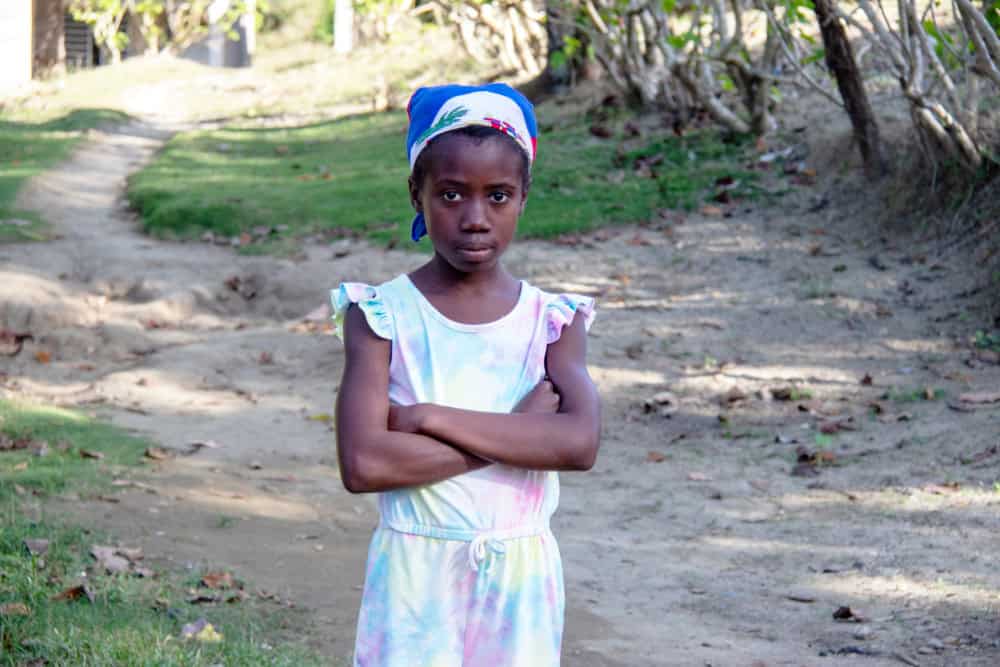
 

Semi-wide shot of a girl in Haiti standing with her arms crossed as she looks into the camera with a serious facial expression.

Kathiana used to go straight to the nearby river after school to collect water for her family. © Plan International Haiti


Luckily, the river she goes to isn’t too far away from home, but fetching water still takes an hour out of her day. That hour could be spent studying or playing with friends.

“I usually collect water the day before and store it for the next day, so I don’t have to do it before school, although sometimes it keeps me from doing my homework,” she says.

That’s why Kathiana was excited when Plan International came to her village to install a water pump. The new pump means a safer and shorter journey, reducing the risk of violence that girls like her experience when travelling long distances to fetch water. And with dreams of being a doctor someday, Kathiana now has more time for her studies.
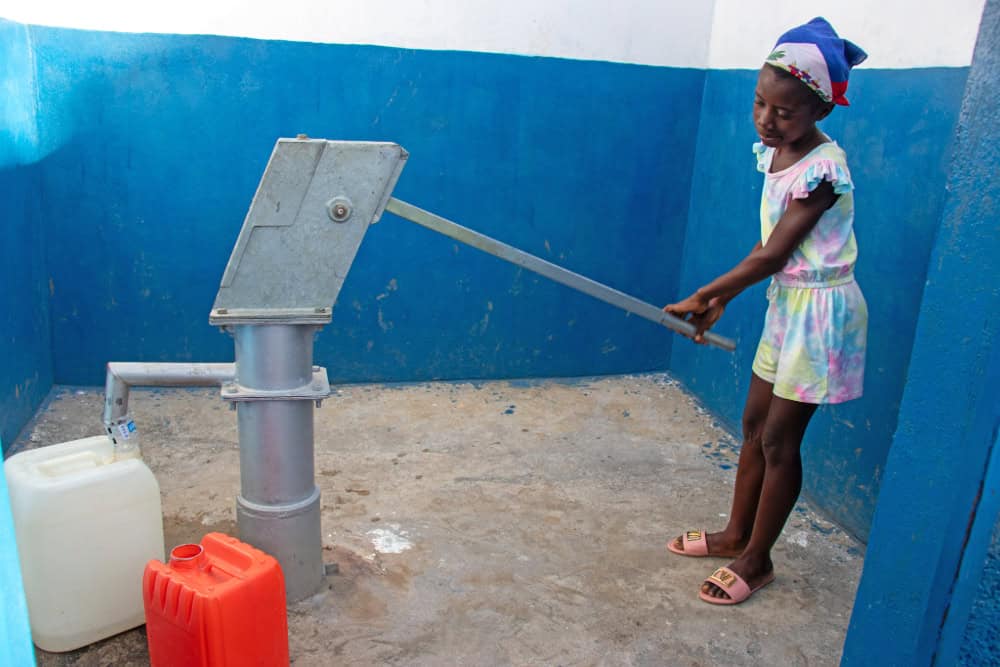
 

Girl in Haiti holds the handle of a water pump as water fills a white plastic jug.

Kathiana collects water from the pump in her village instead of walking to the nearby river. © Plan International Haiti


So far, Plan has installed and repaired 16 manual water pumps throughout the north-east region of Haiti where Kathiana lives and is working toward solar pumps.

Unfortunately, there are girls and young women who walk for hours and come back home with less water each time. They’re missing entire school days, trekking along unsafe pathways and risking their health by drinking from potentially contaminated sources.

Their stories are a stark reminder of the urgent need to address the water crisis fueled by climate change. While global efforts are necessary, we can all make a difference.

As you think of the individual steps you can take to mitigate the negative effects of climate change for the future, here’s something that will make a huge impact right now: helping people on the frontlines of water scarcity. Here are three ways you can act: 

1. Give a Water Gift of Hope

Gifts of Hope are real gifts for children and their families around the world, and giving a gift from the water section of our catalog means you’ll provide resources to people who don’t have clean water at home.
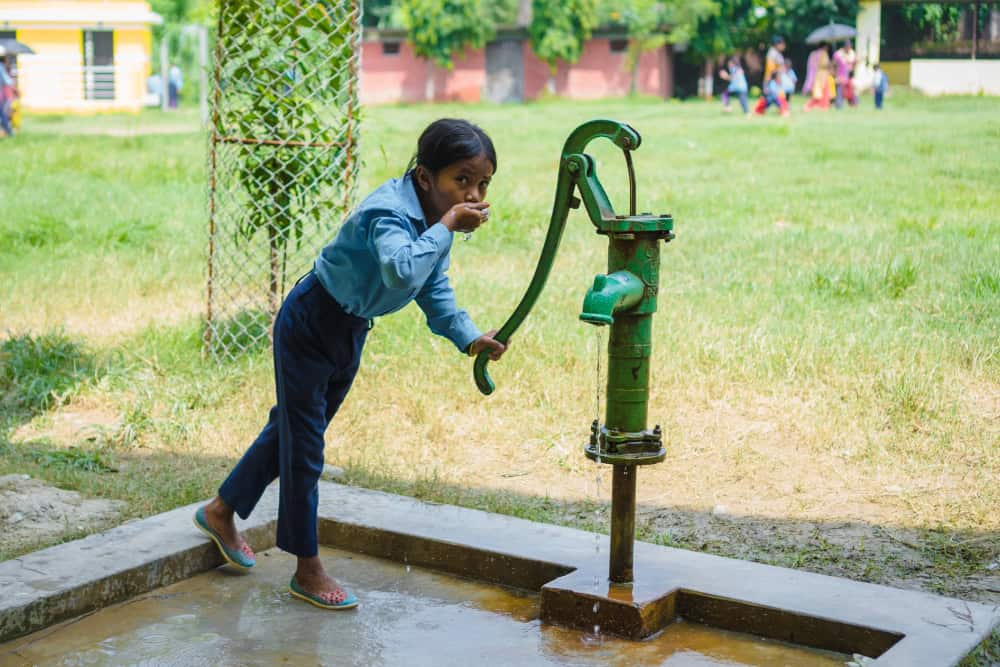
 

Girl in Nepal wearing a light blue shirt and dark blue pants holds the handle of a water pump as she drinks from her other hand.

Clean water at school is also vital for girls so they can manage their periods safely. Tilak Gaha Magar, © Plan International Nepal


Gifts like Form a Water Committee fund community groups that develop and implement clean water strategies while gifting a Smart Pump Device for a Community will help those committees keep track of clean water supplies.

You can also join other climate-conscious and compassionate individuals and gift a Share of Clean Water for 1 School to help build a clean water system for children in Cambodia. 

2. Give to Plan

A simple donation to Plan goes a long way to support projects that provide clean water to families around the world (like the one that installed a water pump for Kathiana’s community).

For example, in Zambia, El Niño exacerbated a drought that is negatively impacting agriculture, food and water supplies, and energy production for half of the country.

[Read more: What is El Niño, and why are we worried about it?]

In addition to providing emergency relief, Plan is also implementing long-term solutions. This includes drilling wells to ensure families have water for home use and to irrigate their land so they can restart their farms.
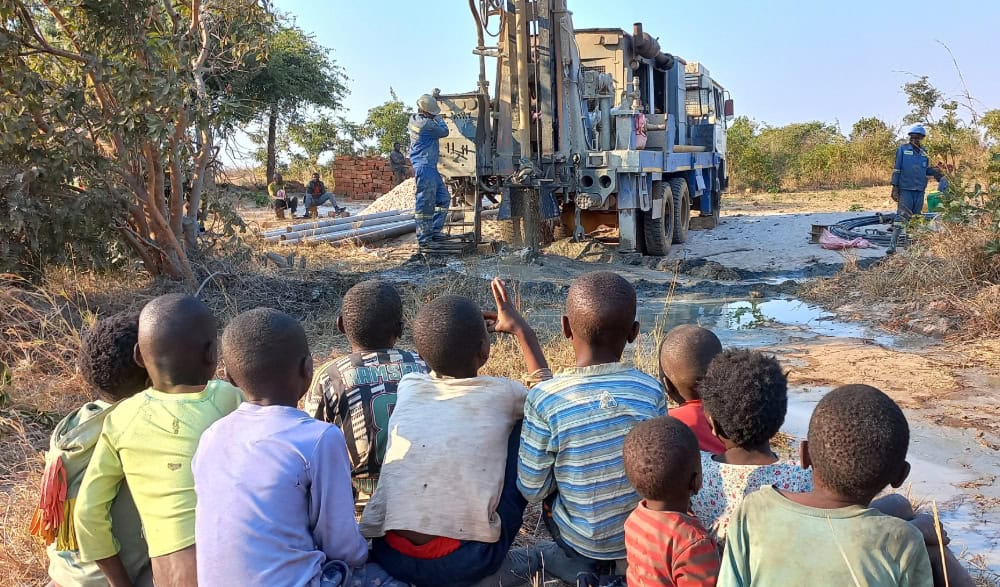
 

Ten young children in Zambia watch diggers drill a well in their community.

Plan implements projects to dig water wells in regions like Zambia where climate change has depleted many sources of this life essential. © Plan International Zambia


Projects like this need your support, especially as more and more places around the world experience drought and water shortages.  

3. Sponsor a child

Sponsoring a child through Plan is a direct way to combat the water crises for children, particularly in regions impacted by climate change. Your monthly gift empowers not only your sponsored child but also their entire community, providing access to clean water, sanitation and hygiene resources essential for combating the effects of climate change.
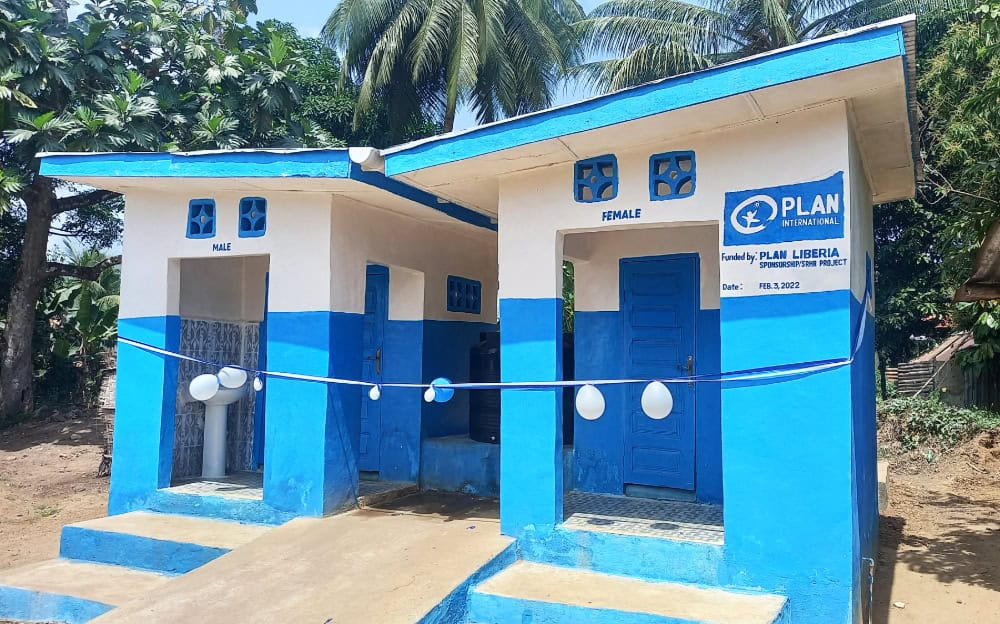
 

Blue and white concrete bathroom stalls with the designations

In Liberia, Plan build two new public bathroom stalls and clean water towers in a sponsorship community for children and their families. © Plan International Liberia


By investing in child sponsorship, you’re not only improving the lives of individual children but also building resilient communities equipped to withstand the challenges posed by climate change.


3 ways you can fight climate change for girls feature image

Child sponsorship is a popular way that a lot of charities fund their work. When you’re corresponding directly with a child whose life you’re impacting, it’s easy to understand how your gift is making a difference. But critics point out that this relationship can set up an unequal dynamic between “donor” and “beneficiary” countries. So, does sponsorship do more harm than good?

Sponsorship at Plan

Plan USA has been operating child sponsorship programming for more than 85 years, starting with our founders: John Langdon-Davies, a British war journalist, and Eric Muggeridge, a refugee worker. During the Spanish Civil War, John and Eric began evacuating children to safe houses to protect them from violence. Many of these children were orphans. In order to fund this work, John and Eric started recruiting “sponsors” to support the children, eventually launching Foster Parents’ Plan for Spanish War Children in 1937. Read: A glimpse into Plan’s history: 1949 Impact Report That organization evolved into today’s Plan International, a network of more than 80 countries fighting for girls’ rights and gender equality. In 2022, donors sponsored more than 1.2 million children around the world.

Benefits of sponsorship

For Plan, sponsorship programming absolutely works as a way to fight global poverty and gender inequality. Sponsors’ monthly gifts provide a reliable, flexible source of funding for a wide range of programs led by local leaders designed to improve their communities. In fact, findings from a 2019 study show that Plan’s sponsorship programming is positively linked with key development outcomes. According to this research, sponsored children are more likely to attend school, have access to clean water and experience psychosocial well-being. But the benefits also extend beyond the sponsored child. For every year that Plan runs sponsorship programs in a community, school attendance in that community increases. Similarly, children are more likely to have access to improved water and sanitation in communities where Plan has worked for longer. Sponsorship benefits child sponsors, too. The model offers a tangible way for donors to understand their impact. In addition to knowing that sponsored children are more likely to go to school, you can also hear from your sponsored child about their school and what they’re learning. You’re getting a firsthand report on your impact. Read: Don’t write it off just yet: The lost art of letter writing This relationship also encourages people to go beyond their comfort zones to understand other cultures. While you might celebrate Easter, your sponsored child might celebrate Ramadan. You might ask about the different types of food that your sponsored family’s child grows and eats for dinner, and get to share with them what you like to eat. Or, you might practice how to say a few words in your sponsored child’s language. It’s a way to learn more about the world.  

Common criticisms of sponsorship

Over our 85+ years of implementing sponsorship programming, we’ve heard a lot of different criticisms of the model. At Plan, we don’t shy away from those criticisms, and we continually evaluate and seek to improve our sponsorship program so that it makes the most positive impact possible on children and their communities. Here are a few common critiques, and how we’ve responded.

1. Sponsorship programs don’t encourage families to transition out of poverty.

This is a version of an even more common criticism of any kind of aid program: If you keep giving a man a fish, what motivation does he have to learn how to fish himself? It’s a valid concern — and, it’s why we carefully craft all Plan programs with an end in mind. We don’t want to be around forever. In fact, we’re constantly trying to work ourselves out of a job. We’re working to create a world where we’re not needed. And, we know that the only way to create that world is to share what we know. Some of our proudest days are the ones when we leave a community. Recently, we made the decision to shut down sponsorship programming in Thailand after more than 40 years — not because the program was a failure, but because it was a success. Read: Time to say goodbye in Thailand. Over the past several decades, Thailand has made enormous strides: Stable economic growth has helped to reduce poverty levels from over 65% in the 1980s to below 10% in 2018; 95% of children now complete primary school; over 98% of the population has access to safe drinking water; the health system has improved; and legal frameworks have been created and implemented for the protection of children and young people. That’s not to say there isn’t more work to be done. In fact, we still work in Thailand on other projects, such as supporting girls and families migrating from Cambodia and Myanmar, and helping people access their rights through citizenship. But we made the decision to end our sponsorship program because we’re confident that the work in those communities can — and will — continue on without us.

2. Letters exchanged between sponsors and sponsored children can be culturally inappropriate.

Child protection is always our first concern, and this is absolutely a risk that exists in sponsorship. That’s why we are proud to have some of the most thorough review processes among our peer organizations when it comes to monitoring correspondence between children and sponsors. Every letter goes through multiple reviews by Plan staff members, and when we find something that might make the recipient feel uncomfortable, we make sure to communicate with the sender to get a revised version. We believe that these conversations are a critical part of Plan’s role in facilitating cross-cultural understanding and learning.

3. The child sponsorship relationship is paternalistic and perpetuates inequality.

This criticism gets to the core of ethical international development, and it’s why we’re passionate about decolonizing aid. By definition, philanthropy and charitable giving are relationships of inequality, at least financially. When this happens on a large scale, it begins to resemble the colonial systems of the past that many former colonies are still trying to recover from today.

Plan is an organization dedicated to achieving gender equality — we can’t deconstruct inequality if we’re still perpetuating it ourselves.

Read: Girls lead the way with GirlEngage That’s why we are so dedicated to sharing power through our GirlEngage approach. We approach every project with the knowledge that we don’t have all of the answers. In fact, if we want girls to understand their power, it’s not enough to simply tell them that they have power. We need to show them they are powerful, and that their opinions matter to us, by sharing our power with them as we design and implement projects. Sponsors’ ongoing support is what provided Plan with the stability and flexibility needed to develop this approach — and sponsors continue to support this kind of innovative programming.

That being said, sponsorship is not the only way you can support Plan’s girl-led work. As a We Are the Girls Activist with Plan, you can give and then see how your support is making a difference by following along with the progress of a featured project. If you’re interested in supporting girls’ rights and gender equality, but don’t like the one-on-one approach of sponsorship, this might be the right option for you. No matter which option you choose, your support for Plan will fund projects designed alongside girls and their communities to address their most pressing challenges. And, you’ll be advancing programming that is community driven — so that, together, we can make equality a reality.

DALLAS — The global COVID-19 pandemic has demonstrated the strength of women around the world who are leading the response as doctors, nurses, scientists, engineers, farmers, public servants, volunteers and in many other essential roles. At the same time, the job loss resulting from pandemic has had a disproportionate impact on women and has left more than 743 million girls in 185 countries out of school.

In response, Kimberly-Clark and its Kotex brand are engaging consumers, communities and employees in a global effort, the Kotex She Can Initiative, to fight stigma within society, ensure access to education, and open doors for women and girls to pursue their dreams.

“The stigma attached to menstruation or simply the lack of access to products will keep millions of women and girls from pursuing dreams of becoming one of those heroes on the front lines,” said Juanita Pelaez, Kimberly-Clark. “The Kotex She Can Initiative is a long-term effort to build a future where a period never gets in the way of any woman’s progress.”

Kimberly-Clark’s commitment to menstrual hygiene was born from insights of women working as war-time nurses more than 100 years ago, who stitched together hygiene pads made from Kimberly-Clark’s cellucotton bandages so they could stay on the front lines during their period. When the Kotex brand was introduced in 1920, the stigma attached to menstruation required it to be sold in a plain, unmarked box behind a pharmacy counter.

One hundred years later, the company and the Kotex brand remain focused on eliminating stigma, improving access and improving key outcomes for women and girls in the areas of education and overall health and wellness.

The Kotex She Can Initiative will focus its social impact of Kimberly-Clark’s feminine care brands in four key areas:

  • Address lack of access to menstrual hygiene products and education, through the Alliance for Period Supplies and other efforts around the world;
  • Partnership with Plan International to invest $2.5 million over three years into girl-centered solutions for basic menstrual hygiene management and education, reach a total of 1.6 million individuals and help women and girls confidently and comfortably manage their periods through our overarching partnership with Plan International;
  • Enabling a supportive environment and increasing knowledge and skills for girls, boys and teachers to destigmatize menstruation; and
  • Investments and grants through efforts around the globe to open doors for women to pursue independent futures.

“For years, menstruation has kept girls and women from opportunities,” said Dr. Tessie San Martin, President and CEO of Plan International USA. “Kotex and Plan have worked in partnership to dismantle the stigma associated with periods, while providing access to education to help women and girls in marginalized communities manage menstruation and improve hygiene. I’m beyond excited that we’re expanding this work. We’ve covered a lot of ground but we still have ways to go.”

Kimberly-Clark and Kotex are sponsors of Menstrual Hygiene Day, a global awareness program launched by WASH United in 2014 to bring global attention to the lack of menstrual hygiene management access, education and sanitation affecting millions of women and girls. In the US, U by Kotex is the founding sponsor of the Alliance for Period Supplies, which is raising awareness through Period Poverty Awareness Week.

“Over the past five months, we’ve donated millions of Kotex products to COVID-19 response and relief efforts around the world,” added Pelaez. “We know that we can do more to help her rebuild the future of our communities, and the Kotex She Can Initiative will provide sustained support for women and girls whose futures can be changed through access to period supplies, community education and an independent future.”

To learn more about the She Can Initiative, visit Kimberly-Clark.com/Kotex-She-Can-Initiative

About Kotex

Our Kotex, U by Kotex and Intimus brands aim to ensure a period never gets in the way of any woman’s progress. Kimberly-Clark created the feminine care category with the launch of the Kotex brand 100 years ago, and today, its products are trusted by millions of women in more than 100 countries to provide outstanding protection and inspire confidence that period or not, she can.

About Kimberly-Clark

Kimberly-Clark (NYSE:KMB) and its trusted brands are an indispensable part of life for people in more than 175 countries. Fueled by ingenuity, creativity, and an understanding of people’s most essential needs, we create products that help individuals experience more of what’s important to them. Our portfolio of brands, including Huggies, Kleenex, Scott, Kotex, Cottonelle, Poise, Depend, Andrex, Pull-Ups, GoodNites, Intimus, Neve, Plenitud, Viva and WypAll, hold the No. 1 or No. 2 share position in 80 countries. We use sustainable practices that support a healthy planet, build stronger communities, and ensure our business thrives for decades to come. To keep up with the latest news and to learn more about the company’s 148-year history of innovation, visit kimberly-clark.com or follow us on Facebook or Twitter.

About Alliance for Period Supplies

The Alliance for Period Supplies is an initiative of the National Diaper Bank Network (NDBN)—a 501(c)(3) nonprofit organization that leads a nationwide movement aimed at helping individuals and families who struggle to afford material basic needs. Launched in May 2018, with the support of founding sponsor U by Kotex, the Alliance for Period Supplies raises national awareness of period poverty (#endperiodpoverty) and supports the development and expansion of period supply programs in communities throughout the country. The organization is comprised of Allied Programs that collect, warehouse and distribute menstrual/period supplies in local communities. More information on Alliance for Period Supplies is available at allianceforperiodsupplies.org, and on Twitter and Facebook.

About Plan International USA

Powered by supporters, Plan International USA partners with adolescent girls, young women and children around the world to overcome oppression and gender inequality, providing the support and resources that are unique to their needs and the needs of their communities, ensuring they achieve their full potential with dignity, opportunity and safety. Founded in 1937, Plan is an independent development and humanitarian organization that is active in more than 80 countries.